Politics
Topics
-
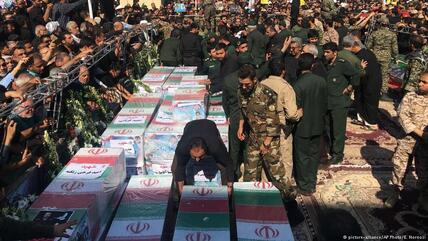 Military parade attack in Ahwaz, Iran
The Islamic Republic reels
Following this weekendʹs attack on a military parade in the southern Iranian city of Ahwaz, fears that the United States, Saudi Arabia and others may seek to destabilise the country by instigating ethnic unrest are rife, writes James M. Dorsey, raising the likelihood of a clampdown against opposition groups at home and abroad
-
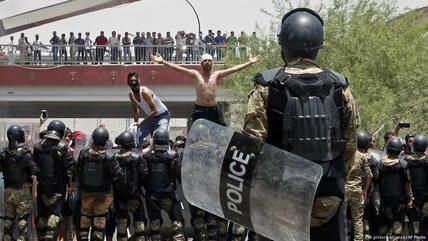 From Basra to Baghdad
Young Iraqis rise up for a life worth living
Major rallies against the nation's political elite have been raging in Iraq for months, so far resulting in 15 deaths and 120 injuries. Birgit Svensson reports from Basra, where the protests first flared up and quickly spread through the entire southern half of the country to Baghdad
-
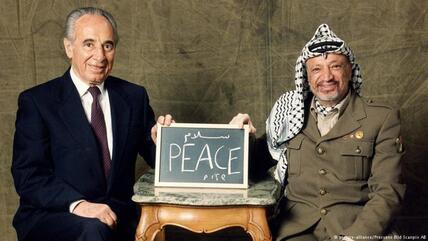 Oslo I 25 years on
Israelis and Palestinians lament the deadlock
There was hope that resolution of the conflict between Israelis and Palestinians was imminent when the first Oslo Accord was signed in 1993. But the promise of a two-state solution any time soon has been all but dashed. By Tessa Fox
-
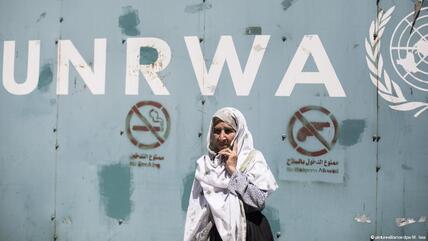 USA cancels aid to Palestinian aid agency UNRWA
Washington's penchant for moving the goalposts
At the beginning of September the USA announced it would pull its entire aid to the Palestinian refugees owing to UNRWAʹs inefficiency. But Washington's attack on the UNRWA serves a much broader plan, says Peter Philipp in his commentary
-
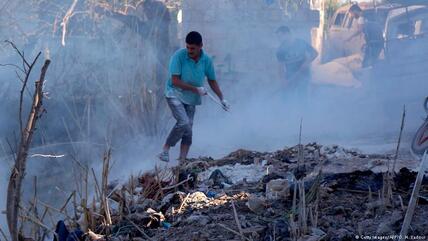 The Idlib offensive
Nourishing Syria's terrorist tree
Tahrir al-Sham will not be subdued by the destruction of Idlib over the heads of its inhabitants, or by the sacrifice of millions of civilians. As Russia and Assad tighten the noose, we need to realise that the war on terror cannot be won by outdoing terrorists in the slaughter of civilians, argues Burhan Ghalioun, former SNC chairman
-
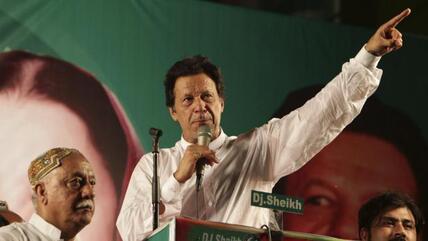 Pakistanʹs premier Imran Khan
Playboy turned politician
Clad in traditional shalwar kameez and rolling rosary beads in his right hand, Pakistanʹs new prime minister, Imran Khan, recently took office. He promises change, yet what form will such change take? Afshan Subohi has the details
-
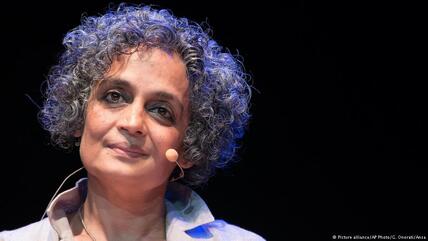 Interview with novelist and activist Arundhati Roy
"We're up against a fascist regime in India"
In interview with Murali Krishnan, renowned novelist and social activist Arundhati Roy talks about the recent arrests of leftist intellectuals in India and accuses PM Modi's government of "overturning" the country's constitution
-
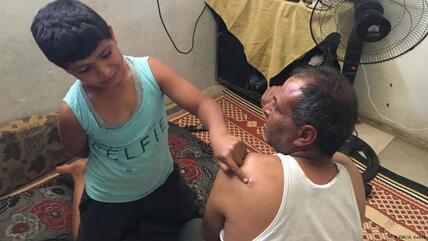 Torture under the Assad regime
Syrian detainee No. 72
The Syrian government has acknowledged that hundreds of detainees were killed in state custody. Anchal Vohra met one of the prisoners who, along with many others, was tortured in Bashar Assad's jails. This is his story
-
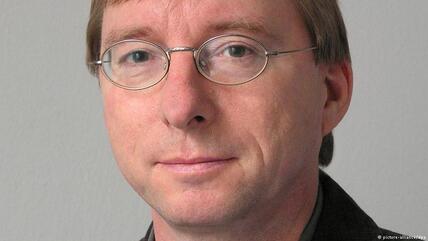 Interview with Thomas Ruttig
Afghanistan's democracy in reverse gear
Afghanistan expert Thomas Ruttig says that in the West's battle with the Taliban, too much focus has been placed for too long on political allies with problematic credentials: many warlords are still armed and have never faced prosecution for past offences. Despite being non-democrats, they control democratic institutions to this day. Interview by Hans Spross
-
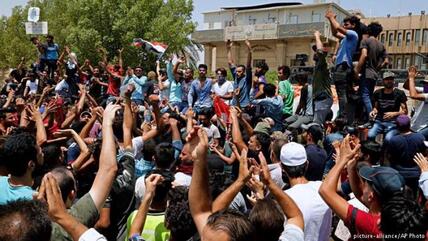 A new quality of civil unrest
Is Iraq steering towards post-sectarianism?
In the absence of civil war, the people of Iraq have found an opportunity to demand that the political elite deliver on their election campaign promises. Chanting slogans demanding services and jobs, the protesters are keeping clear of sectarian rhetoric. By Seyed Ali Alavi
-
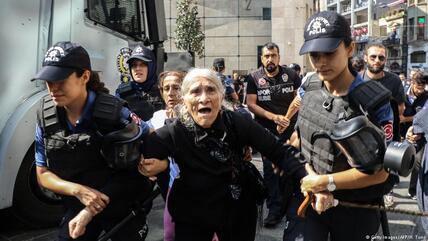 State repression in Turkey
Tear gas for grieving Saturday Mothers
The Saturday Mothers gather weekly in Turkey to demand information on loved ones subjected to enforced disappearance or state violence. But in the country’s repressive political environment even their vigils are coming under attack. Tom Stevenson and Murat Bayram report from Istanbul
-
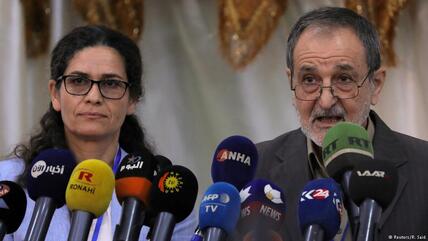 Assad and the future of northern Syria
Syriaʹs Kurds hold the cards
International politics are subject to strange twists and turns. As Middle East expert Neville Teller writes, with a shared enemy and perceived advantages from co-operation, the outcome of current negotiations between the Syrian Democractic Council and Damascus could well be a continued Assad presidency, sustained by Kurdish support
Most read articles
-
Gilbert Achcar on the impact of 9/11
"The Iraq War shattered the promise of a new world order"
-
Women in Saudi Arabia
Caught in a System of Gender Apartheid
-
Sex tourism in Egypt
A bride for the summer
-
Algeria and France
"We must deepen our understanding of the colonial era"
-
Turkish Television Series: Muhteşem Yüzyil
Too Much Sex, Too Little Heroism
-
Prostitution in Tunisia
The big reveal