Politics
Topics
-
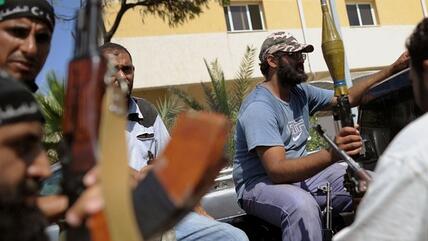 Libya after the Parliamentary Elections
Precarious and Unstable
The first free elections to be held in Libya for over half a century took place at the weekend. Even if they were free and fair, the challenges facing the country are daunting, to say the least. According to the Libyan political scientist Mustafa el-Fituri, the failures of Libya's interim government have led to a lack of stability and growing divisions in society
-
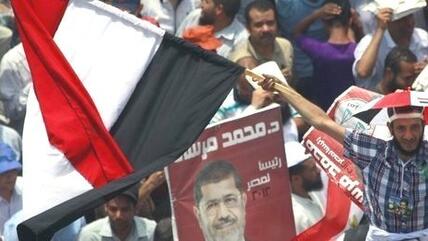 Egypt's Democratic Perspectives
A Shroud for the Revolution?
Egypt's revolutionaries have scotched the military agenda by throwing their weight behind Muslim Brotherhood candidate Mohamed Morsi, says renowned Egyptian author Mansoura Ez-Eldin. But if they are to again seize the political initiative, they must now regroup and revise their strategy to date.
-
 The Palestinian Minority in Israel
Systematic Discrimination
The Israeli government and its advocacy groups like to boast of the country's supposed democratic, multicultural way of life. In reality, Palestinians in Israel experience systematic discrimination in such a way that calls into question the validity of the "Jewish and democratic" formulation. By Ben White
-
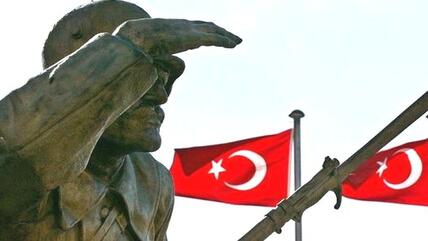 Turkey's Foreign Policy
From Regional to Global Player
With its growing political influence, Turkey is seeking a stronger role in world politics. However, its domestic political problems, as well as regional crises, pose major challenges to its foreign policy ambitions. By Ayhan Simsek
-
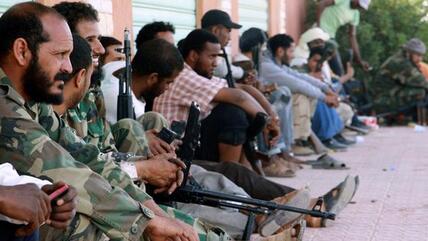 Libya after the Revolution
Struggle for Inner Peace
Libya got rid of its dictator months ago. But numerous insurgent groups refuse to hand over their arms. They are trying to wrest special rights from the interim government which is grappling with its hold on power. By Kersten Knipp
-
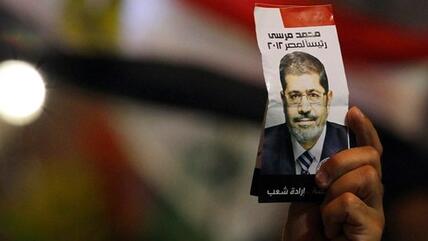 The Election of Mohamed Morsi in Egypt
A President without Power
In the end, fears of a popular backlash were just too great: Egypt's military council was forced to sacrifice its favourite Ahmed Shafiq to safeguard its extensive economic and political interests. But the powers of the new president remain reduced to the bare minimum. An analysis by Matthias Sailer in Cairo
-
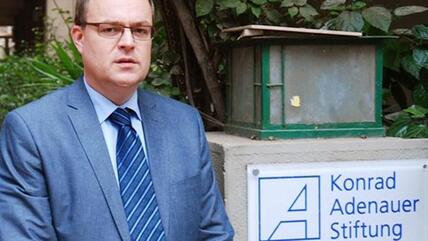 Interview with Andreas Jacobs
Egypt in the Grip of the Generals
Even under the newly-elected President Mohamed Mursi, Egypt's old regime remains highly influential and will likely control the Nile nation in future, says Andreas Jacobs, who led the Cairo office of the Konrad Adenauer Foundation until late May. Björn Zimprich spoke to him
-
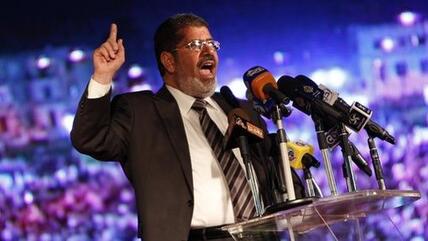 The Muslim Brotherhood's Morsi Egypt's New President
Damned to Cooperation
Mohammed Morsi is becoming Egypt's first democratically elected president under enormously difficult circumstances. He will have to find a way to cooperate with all political powers, says Loay Mudhoon
-
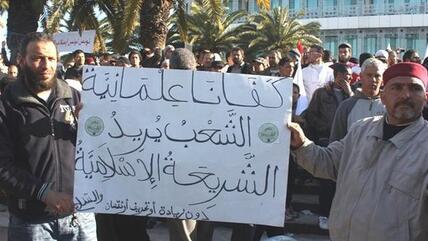 Constitutional Developments in North Africa
Forced into Compromise
Conflict is raging in several Arab Spring nations over the drafting of new constitutions and the importance of Sharia within basic law. Annett Hellwig discussed the issues at stake with Tunisian legal scholar Imen Gallala-Arndt from the Max Planck Institute for Comparative and International Private Law in Hamburg
-
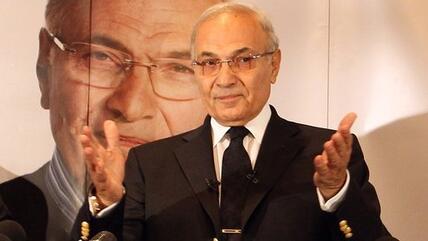 Egypt after the Presidential Election
The Military Hands over Power ... to Itself
For most people in Egypt, it was at best unlikely that the Supreme Council of the Armed Forces would ever voluntarily cede power to a civilian president after the election. Nevertheless, few would have predicted the latest twist in the plot of Egypt's ongoing electoral drama. A commentary by Karim El-Gawhary
-
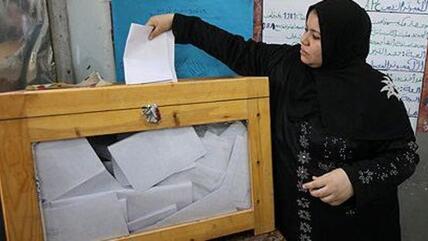 Egypt's Presidential Election Run-off
Making the Best of a Bad Lot
With parliament dissolved, Egyptians find themselves caught between a rock and a hard place ahead of the imminent run-off for the presidency. For many, neither ex-Air Force leader Ahmed Shafiq nor the Muslim Brotherhood's Mohamed Mursi represent a credible choice. Claudia Mende reports from Cairo
-
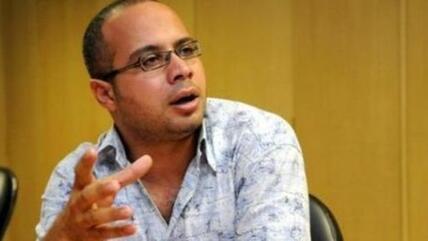 Interview with Ahmed Maher of the 6th April Movement
''A victory for Ahmed Shafik would be the end of the revolution''
The results of the first round of the Egyptian presidential elections have been greeted with scepticism by the country's revolutionary youth. Nader Alsarras spoke to Ahmed Maher, one of the prominent founders of the 6th April youth movement, about the power of the generals and political perspectives in his country
Most read articles
-
Women in Saudi Arabia
Caught in a System of Gender Apartheid
-
Religious diversity in Tunisia
The Virgin Mary on the streets of Tunis
-
Sex tourism in Egypt
A bride for the summer
-
Gilbert Achcar on the impact of 9/11
"The Iraq War shattered the promise of a new world order"
-
Prostitution in Tunisia
The big reveal
-
Sex education in the Arab world
Let's talk about sex, habibi!