Politics
Topics
-
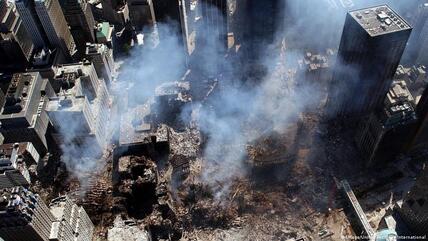 Repercussions of 9/11
The West and the Islamic world – mutually radicalised?
In his book "Ground Zero: 9/11 und die Geburt der Gegenwart" (Ground Zero: 9/11 and the Birth of the Present) Islamic scholar Stefan Weidner analyses the consequences of the attacks on the USA in September 2001. Kersten Knipp spoke with him about failures – as well as opportunities – in the West-East dialogue
-
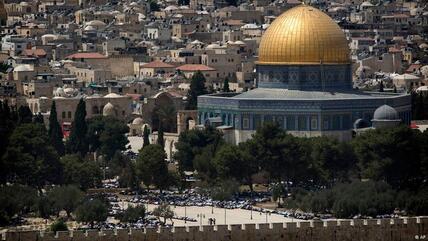 Joseph Croitoru's "Al-Aqsa oder Tempelberg"
Zeroing in on the Middle East conflict
In his latest book – "Al Aqsa oder Tempelberg " – historian Joseph Croitoru traces the struggle for Jerusalem's most holy sites, warning that a storm is brewing in the Temple Mount conflict. Daniel Bax read the book for Qantara.de
-
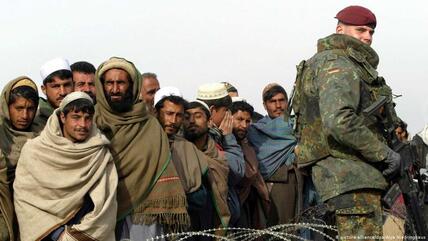 U.S. withdrawal from Afghanistan
Joe Biden and the West's betrayal of the Hindu Kush
The USA and NATO plan to withdraw from Afghanistan by September. The operation is risky, the outcome uncertain. Many Afghans fear civil war. The quake on the Hindu Kush will also impact Germany, writes Stefan Weidner in his commentary
-
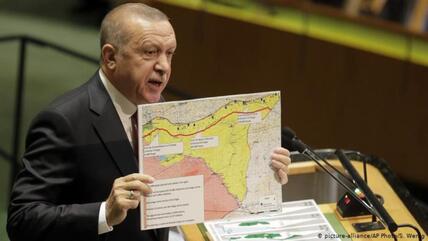 Turkey and northern Syria
Recep Tayyip Erdogan's deadly serious colonial project
The neo-Ottomanism propagated by Erdogan has long been more than rhetoric and symbolic politics. This can be seen from recent developments in parts of northern Syria, where Turkey is in the process of permanently securing its sphere of influence. Joseph Croitoru reports
-
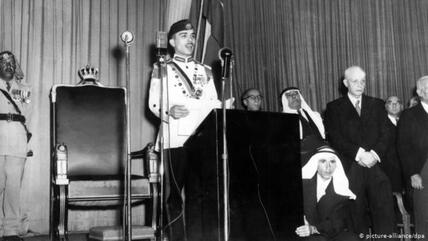 One hundred years of Jordan
"A land for all Arabs" turned Middle East anchor of stability
Founded in 1921 as a temporary solution, Jordan managed to establish itself as one of the most stable countries in the Middle East. The inclusive and flexible approach taken by the state’s founder Abdullah and his successors doubtless contributed to this stability. But the centennial celebrations of the Hashemite Kingdom are overshadowed by an economic crisis and deadlock over political reform. By Edmund Ratka
-
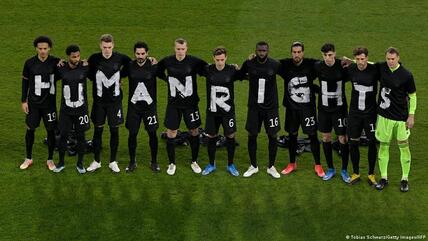 2022 FIFA World Cup and human rights
Pointing the finger at Qatar's rulers is not enough
As Qatar prepares to host the 2022 FIFA World Cup, the country has come under fire for its treatment of migrant workers, with some nations calling for a boycott of the contest. But this simply misreads the realities of the situation and the underlying problems associated with international migration. By Sebastian Sons
-
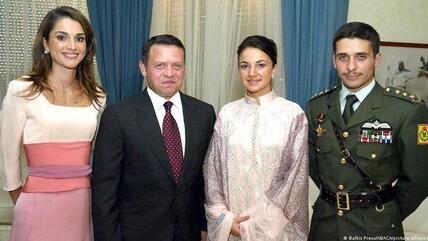 100 years of Jordan
Prince Hamzah – just a storm in the royal Jordan tea-cup?
Faced with a deteriorating economy and a discontented populace, Jordan's ruling family is feeling the pressure. Was last weekend's palace intrigue involving Prince Hamzah indicative of a deeper crisis for Jordan, one that could inexorably alter the country's reputation for stability? By Cathrin Schaer
-
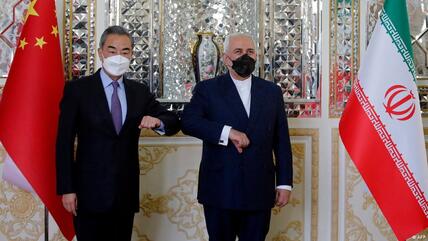 Iran-China 25-year Cooperation Programme
The Islamic Republic's timely vaccine against U.S. pressure?
On 27 March, Iran and China signed a 25-year accord intended to foster "strategic co-operation". Despite ongoing uncertainty over the deal's actual scope, content and chances of realisation, the agreement has been hailed by Iranian officials as nothing less than a game-changer when it comes to securing the interests of the Islamic Republic. By Ali Fathollah-Nejad and Amin Naeni
-
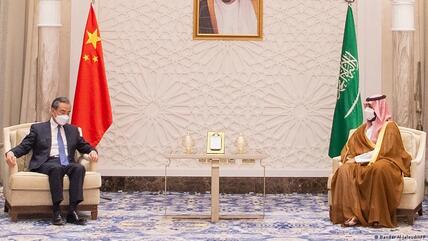 China in the Middle East
Beijing's new charm offensive
The last week in March saw China's Foreign Minister Wang Yi visit six countries in the Middle East: Saudi Arabia, Turkey, Iran, the United Arab Emirates, Oman and Bahrain. Two initiatives in particular are sending the clearest signal yet that China may be gearing up to play a greater political role in the Middle East. By James M. Dorsey
-
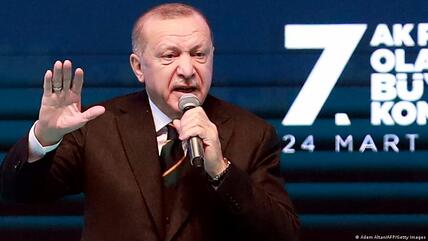 Political turbulence in Turkey
Turkey's President Erdogan under pressure
The economy in crisis, approval ratings at an all-time low, rising tension within government ranks: Turkish President Recep Tayyip Erdogan is currently under massive pressure. Nevertheless, the USA and the EU seem to be coming to his rescue. By Marion Sendker in Istanbul
-
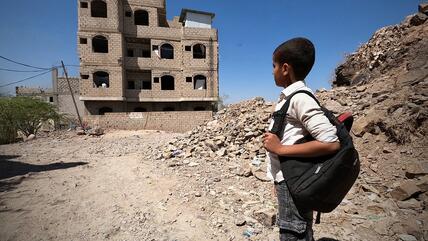 Six years of Yemen conflict
Nearly 700,000 Yemenis expected to flee their homes this year
With the world's worst humanitarian crisis now entering its seventh year, the United Nations predicts that another 672,000 people could be displaced by the end of 2021 if the current level of violence continues. Already this year, 834 civilian homes have been hit by gun violence.
-
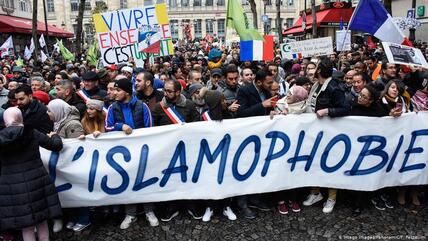 Islamophobia and anti-Semitism
Cancel Culture restricts freedom of expression in France?
In Grenoble, France, two professors have been pilloried in a dispute over the use – or otherwise – of the term Islamophobia. Is freedom of speech in jeopardy? By Stefan Dege and Heike Mund
Most read articles
-
Women in Saudi Arabia
Caught in a System of Gender Apartheid
-
Gilbert Achcar on the impact of 9/11
"The Iraq War shattered the promise of a new world order"
-
Egyptian photographer Roger Anis
"The Nile is part of our collective consciousness"
-
Sex tourism in Egypt
A bride for the summer
-
Ahmad Shah Massoud
Afghanistan's Cold War hero
-
Prostitution in Tunisia
The big reveal