Politics
Topics
-
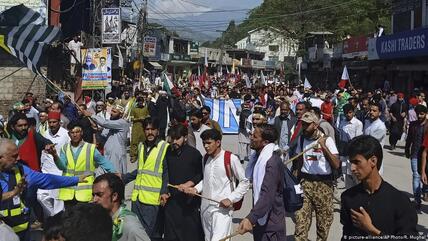 India and Pakistan
"If Germany can be reunified, so can Kashmir"
Calls for a free Kashmir are becoming louder on both sides of the divided region. Can the German reunification model be applied to the India- and Pakistan-ruled Kashmirs? And what can Kashmiris learn from it? By Shamil Shams
-
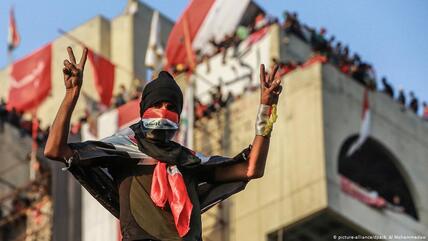 Anti-government protests
Is this Iraq's Arab Spring?
Iraq is currently facing such an alarming array of economic, political and social problems that many observers fear no-one will be up to the task of delivering the much-needed reforms. By Stasa Salacanin
-
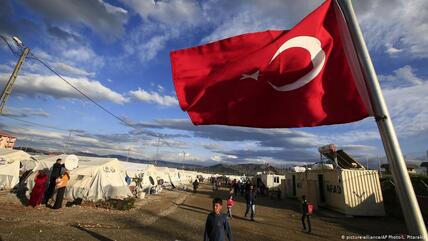 A safe haven in northern Syria?
Turkey's plan to 'resettle' Syrian refugees
Turkey is seeking to create a "safe zone" for refugees in Syria, to which they should only return "voluntarily". But how realistic is the project and to what extent can Turkey's intentions be trusted? By Seda Serdar
-
 Unrest in the Arab world
The genie is out of the bottle
The Arab world is one gigantic pressure cooker. For the most part the lid of repression is on, but it is boiling over with increasing frequency. Whether in Lebanon, Iraq or in Algeria, where people are rising up against political despotism and corruption. By Karim El-Gawhary
-
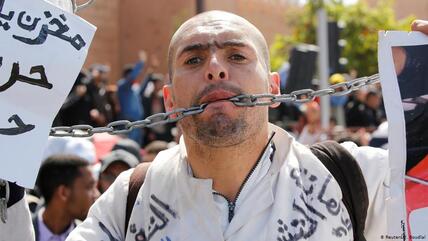 Democracy and human rights
Morocco's police state makes a comeback
Morocco's rule of law, human rights and freedom of the press are under attack. According to political scientist Mohamed Taifouri, although the 2011 constitution includes a large number of freedoms, the state repression that was thought to have been overcome is making a comeback
-
 Middle East
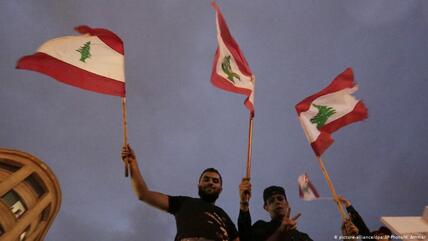
Lebanon's protesters are here to stay
Demonstrators in Lebanon have been taking to the streets for days demanding the resignation of the government. So far, the government has offered little to pacify the people. How long can this go on? Diana Hodali reports
-
 Turkish incursion into northern Syria
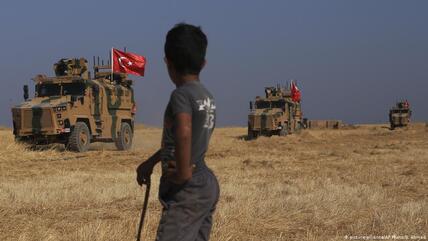
You reap what you sow
Many Turks, at home and abroad, feel misunderstood. The Syrian offensive is intended to ease matters and does not constitute ethnic cleansing, they claim. They also say there is no racism in Turkey. This is a misrepresentation of the situation, says Tayfun Guttstadt in his contribution to the debate
-
 Turkey isolated amid international pressure
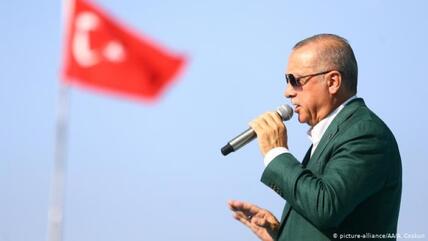
Erdogan's captive audience
Most Turkish citizens approve – to a greater or lesser extent – of their countryˈs incursion into Syria and are deeply irritated by the Westˈs apparent incomprehension of the situation on Turkeyˈs southern border. By Ayse Karabat
-
 Political crisis in Lebanon
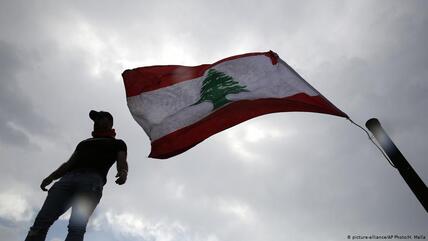
Time is running out for Saad Hariri
In Lebanon, protests continue against the government. Prime Minister Saad Hariri has already lost a coalition partner. His power appears to be eroding. Diana Hodali reports from Beirut
-
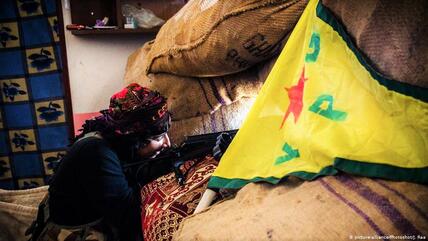 Turkey's Syria offensive
Burying the Kurdish autonomy project
When the Kurds of Syria came under Turkish fire less than ten days ago, the Kurdish Autonomous Administration of North and East Syria was left with no choice but to call on Assad for help. Thus ends a political project that many hailed as a model for the future order of Syria. But, as Ulrich von Schwerin points out, it was a project built on very shaky foundations
-
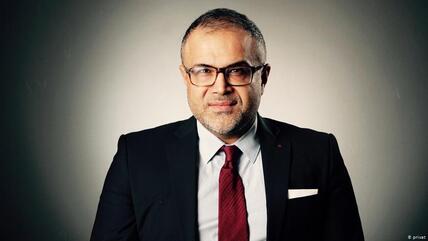 Interview with Ali Ertan Toprak
"I am stunned by Europe's weak and inactive stance against Erdogan"
Ankara has begun its Syrian offensive. The Kurdish region is threatening to sink into chaos. The aim of the operation is to expel the Kurds, says Ali Ertan Toprak, chairman of Germany’s Kurdish community, in an interview with Daniel Derya Bellut
-
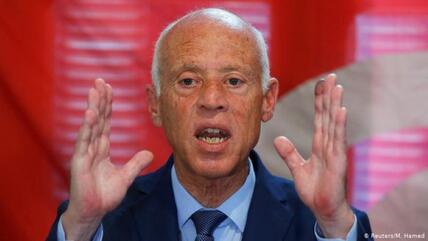 Polling in the Maghreb
Presidential run-off in Tunisia, but will anyone vote?
Tunisia’s parliamentary elections on 6 October – the penultimate poll before Sunday’s presidential run-off – delivered a very fragmented result without a clear majority. Whoever emerges as victor will face a tough task, fighting widespread voter fatigue and disillusionment with the political establishment. By Alessandra Bajec
Most read articles
-
Iranian-American curator Negah Angha
"Religious practice can take place anywhere"
-
Women in Saudi Arabia
Caught in a System of Gender Apartheid
-
Azerbaijan′s enlightenment
A nation at odds with itself
-
Club culture in Germany
Sounds of the "Stadtbild"
-
Anti-colonialism
"Palestine reveals the limits of international solidarity"
-
Turkish women's association Havle
"White secular women do not have a monopoly on feminism"