Society
Topics
-
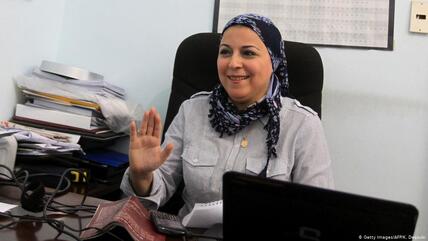 Human rights in Egypt
Free Esraa Abdel-Fattah!
More than 4,300 people have been arrested in Egypt amid anti-government protests. One of them is Esraa Abdel-Fattah. Human rights groups and even a U.S. diplomat are calling for her release. By Sarah Salama
-
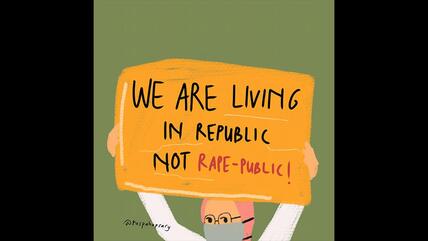 Social unrest in Southeast Asia
Indonesian women demand their rights
In Indonesia, social resistance is mounting against a law banning sex before marriage and the government's weakening of the anti-corruption authorities. A report by Zora Rahman from Yogyakarta
-
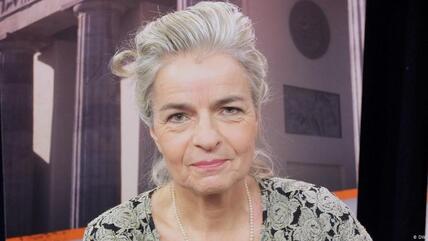 Charlotte Wiedemann: "Now is the time for utopias"
The end of white dominance
In her latest book – "Der lange Abschied von der weissen Dominanz" – recently published in German, journalist Charlotte Wiedemann describes the upheaval in our changing, multi-polar world with startling clarity. By Christopher Resch
-
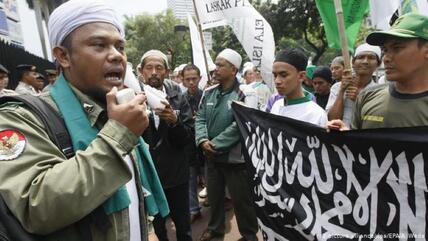 Islamism in Southeast Asia
Islamic State's latest breeding ground
A recent knife attack on the security minister of Indonesia is a reminder of the danger of Islamist extremism in Southeast Asia. Security measures alone are not enough to combat radicalisation, say experts. By Rodion Ebbighausen
-
 Right-wing extremism
Halle, Christchurch… a network of "lone wolves"
Ongoing investigations into the Halle attack have so far concluded that the right-wing extremist attacker acted alone. But "lone wolves" are anything but isolated. By Sandra Petersmann and Naomi Conrad
-
 Father of post-colonial studies
Edward Said – exiled between cultures
When people think of Edward Said, the first thing that generally comes to mind is his criticism of Orientalism. As a result, the theme of exile – which played no less significant a role in Said's writing and life – is often overlooked. By Tarek Azizeh
-
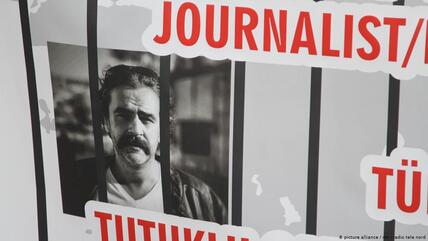 Held hostage by the Turkish authorities
Deniz Yucel, the "agent terrorist"
Former correspondent for Germany's "Die Welt" Deniz Yucel comes to terms with his imprisonment in Turkey in an intimate new book. Impressively and humorously, he talks about his struggle for dignity and self-assertion and provides an insight into the debates behind the scenes. Nevertheless, some questions remain unanswered. By Ulrich von Schwerin
-
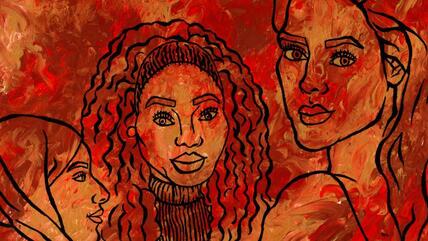 Women's liberation in the Gulf
Arab women – fighting for their rights for 60 years
Over the years, Arab women demanding change to the status quo have faced fierce resistance from legislators and decision-makers alike. This merely reflects the fear felt by men faced with losing control of the current gender imbalance. By Hana Bu Hejji
-
 Islam and business
Diyanet – Turkey's religious authority that makes millions
Turkey's highest religious authority brings in huge profits, say experts. But as a historic brewery in Istanbul faces demolition, critics argue that such profiteering is not in line with Islam. By Aram Ekin Duran
-
 Jewish-Muslim dialogue
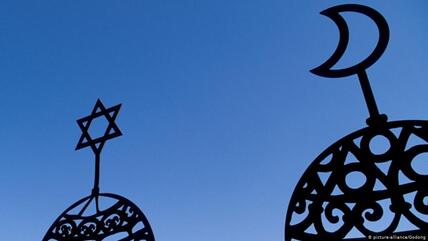
Rabbis and imams together
In an innovative move for both religions, European Jews and Muslims have committed to standing up in solidarity more often. The aim is to combat the resurgence of right-wing extremists in Europe. By Christoph Strack
-
 Violence against journalists increasing
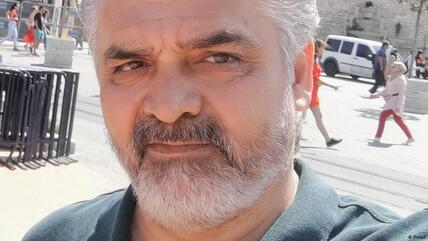
Press freedom under fire in Turkey
Journalist Levent Uysal recently survived a treacherous assassination attempt. Despite the fact that members of the press are increasingly at risk in Turkey, the government seems loath to protect them. Deger Akal has the details
-
 The Arter, art and gentrification
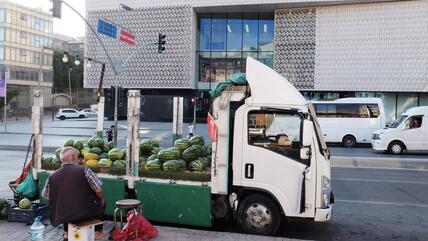
Modern art makeover in Istanbul?
A new modern art museum recently opened its doors at the heart of Istanbul's working-class Dolapdere neighbourhood. An opportunity for this culturally diverse quarter or a threat in an area recognised as a social flashpoint? Ulrich von Schwerin reports on the relationship between art, commerce and gentrification on the Bosphorus
Most read articles
-
Ahmed Isamaldin
"Gold is directly connected to the violence in Sudan"
-
Faten Harb
Mediating family conflicts in wartime Gaza
-
Religious diversity in Tunisia
The Virgin Mary on the streets of Tunis
-
Arthouse film in Morocco
Keeping Tangier's cinematic history alive
-
Detainees in northeast Syria
What will happen to the women and children of al-Roj camp?
-
Prostitution in Tunisia
The big reveal