Edward Said, in his own words
Topics
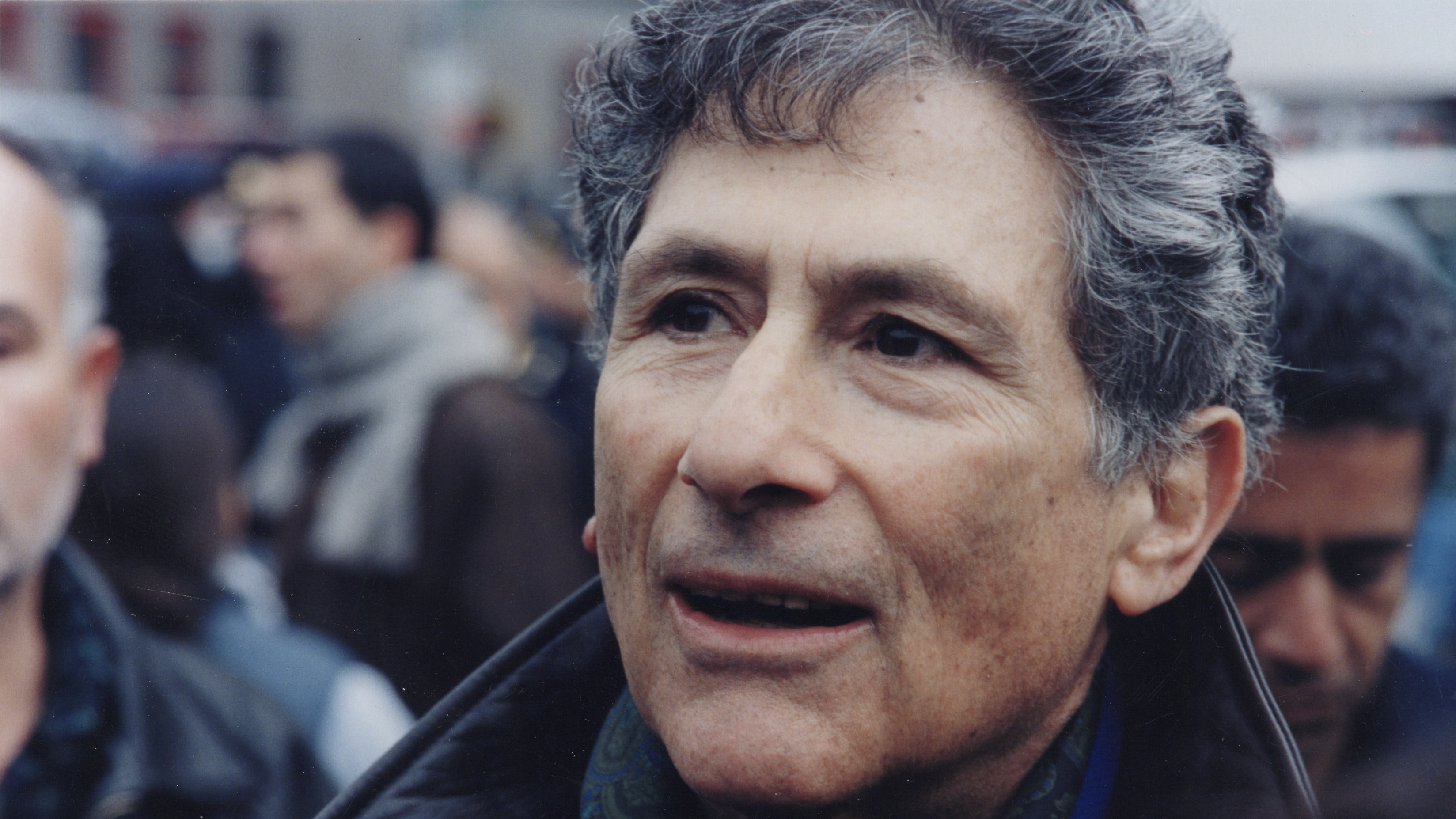
A film entirely put together from archive footage? That may sound pretty dry, or even boring. But the film, "Edward Said: Between Worlds" is anything but. It is gripping, moving and painful, too. Not least because the present is so bleak, more than two decades after the death of the man (1935–2003) who was for many years the most eloquent voice of Palestine in exile.
It is Said's own voice that guides us through the film, selected from hundreds of hours of audio and visual material. It is a pleasure to listen to him: his clearly structured sentences, entirely free of academic pomposity, delivered in unmistakably accented English, with his characteristic emphasis. When he says "I think" (and he says it often), it is the act of thinking, not the "I", that he stresses.
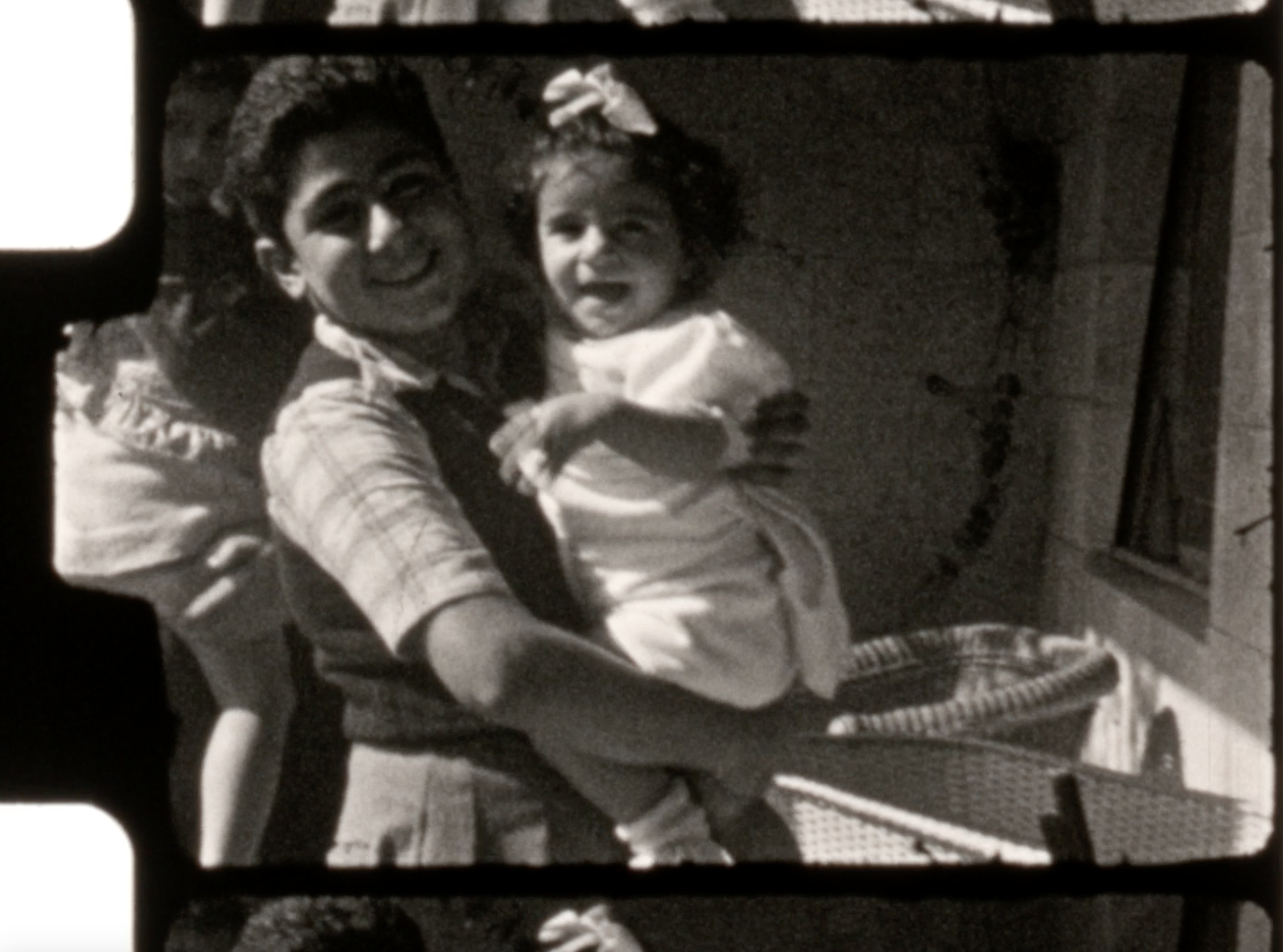
One example illustrates how the film works: we hear Said discussing whose history deserves to be heard, while watching footage of his own childhood before the expulsion. The grainy 8mm films, shot by his father with tireless enthusiasm, show an upper-middle-class, apolitical world. In the background stands the family villa in Talbiyeh, a neighbourhood of West Jerusalem, from which they were forced to flee in April 1948, shortly before the founding of the State of Israel. Life had become unbearable because of the violence perpetrated by Jewish militias. Said was 13 at the time. Only 44 years later, with his own children, did he manage to return to his former home.
1967: a turning point in Said's life
Although it is the Nakba that connects Said, across class boundaries, to the fate of all Palestinians, his political awakening did not come until 1967. In that year Said was a 32-year-old literature professor, heading to Columbia University. On the way he encountered dancing, jubilant Zionists celebrating Israel's victory in the Six-Day War. As he later reflected, "67 was the dividing line in my life."
When a dead man's voice guides us through his life, there is naturally little space for criticism. Yet the film avoids idealising Said, because he is simply too complex for that. It portrays a restless seeker who does not hide his inner contradictions. "We are all many selves." His love of Western classical music, encouraged by his mother from an early age, is unusual in Arab culture, which has its own understanding of what constitutes classical music. And he struggles to instill in his students the capacity for skepticism, "a skepticism I always had," perhaps dating back to his days as an inwardly lonely child.
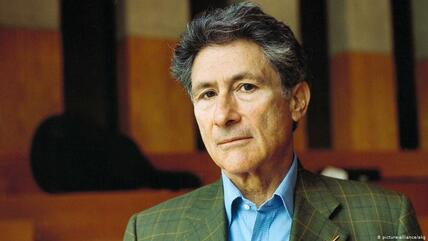
Edward Said – exiled between cultures
When people think of Edward Said, the first thing that generally comes to mind is his criticism of Orientalism. As a result, the theme of exile – which played no less significant a role in Said's writing and life – is often overlooked. By Tarek Azizeh
Said's widow, Mariam, was initially hesitant but later supported the film. Mariam was Lebanese Christian and her family included both leading Quakers and prominent intellectuals, giving Said access to a wide network of contacts in Beirut.
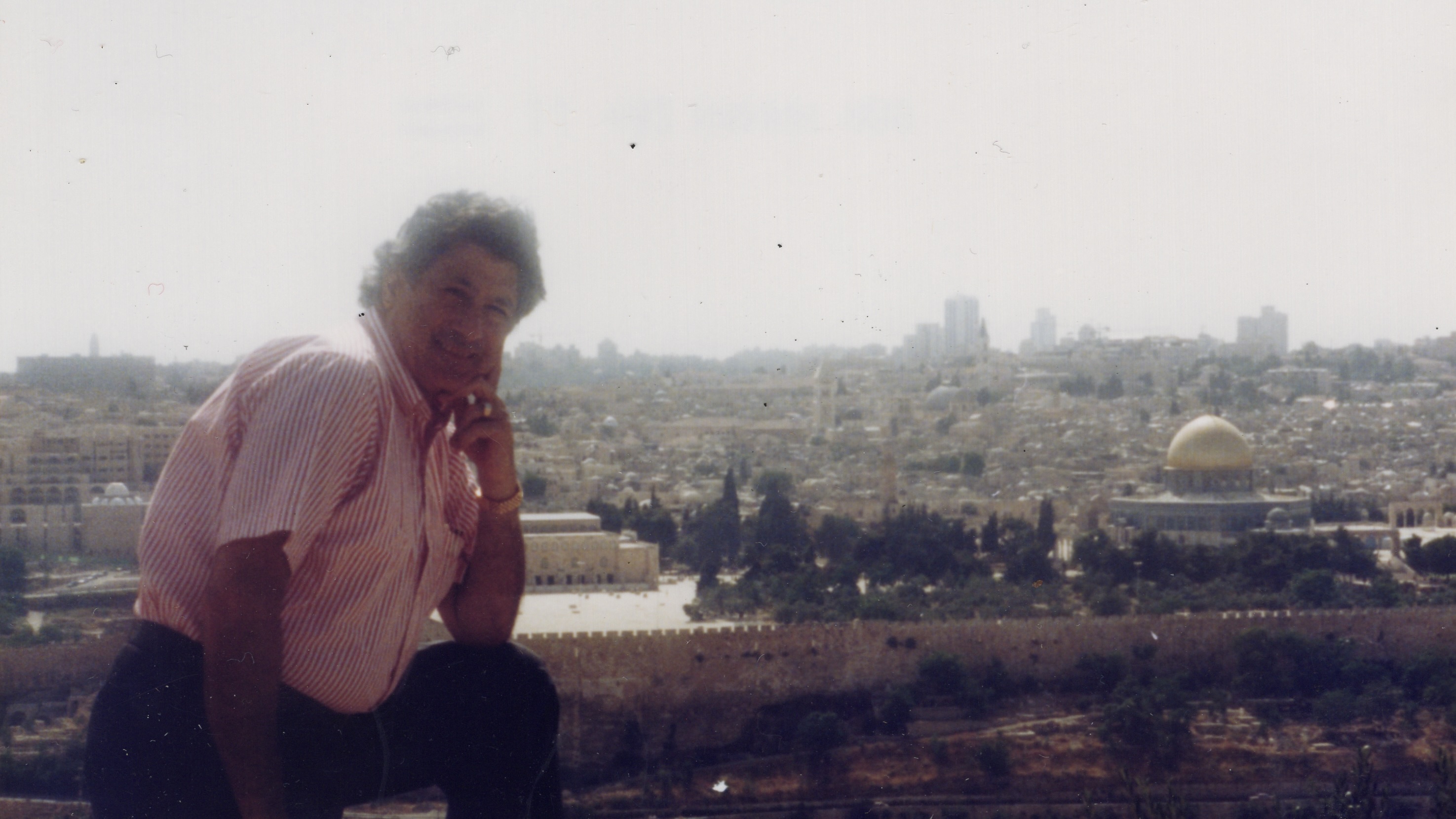
But even those familiar with his biography may gain new insights into his personal life. The documentary follows Said's bid to make up for what his Western-oriented schooling and boarding-school education had lacked: an advanced education in Arabic. He spent months in the 1970s on a balcony in Beirut with a professor, studying for twelve hours a day, reading the Arabic classics and discovering a world that had hitherto been missing from his life. He called it "reeducating" himself.
He subsequently wrote his internationally renowned work "Orientalism". Shortly afterwards came "The Question of Palestine", the first English-language counter-narrative to Zionism.
Said's universal humanism
He later described it as humiliating to have to endlessly repeat that, before the Nakba, Palestinian society and cultural life had existed. But for the most part he was composed in the film. Only once does his self control falter, calling out "Go to hell!" to a heckler during a debate – and even then, he said it softly, turning away from the microphone.
The intellectual depth of a man who spent 40 years as a professor of comparative literature, and who was also a music critic, a scholar of Freud and much more, is beyond the scope of this film, nor does it seek to capture every aspect of his complex legacy. For the Danish-American director Maiken Baird and her co-producer Sarah Mowaswes, whose parents are from Gaza, it was more important to tell the life of this charismatic figure as a way of charting the history of Palestine for contemporary audiences.
It also tells of Said's opposition to the 1993 Oslo Accords, which he dubbed "an instrument of surrender", serving Israel "an occupation with the consent of the occupied". He broke with Arafat, even though he had written the English version of his celebrated 1974 speech to the UN. Later, Said rejected the two-state solution in favour of Jewish-Palestinian coexistence on equal terms. In this sense, he was ahead of his time.
The same is true of Said's belief in universal humanism, which was linked to his abhorrence of injustice. In 1994, while filming a television documentary in the West Bank, he saw settlers with bulldozers driving a farmer off his land. "I feel ashamed to belong to the same species as these brutes," he said. Or, without directly mentioning Israel, he commented: "I want my children and grandchildren not to live on the graves of another nation".
Rejecting identity politics
Already gravely ill with the leukaemia that would kill him in 2003, Said categorically rejected identity politics, "for whose father I am often mistaken". He recalls an incident from his childhood that formed his earliest fears of the intransigence of groups: in Jerusalem's Old City, rival representatives of Christian denominations tried to pull the young Protestant boy by the hem of his shirt towards what both claimed was the one authentic site of Jesus's tomb. The documentary's musical score strikes a similar note of resistance to having a blinkered approach to identity and culture: composer Kareem Roustom lends Western classical music an Eastern inflection.
Said was convinced that the historical and moral legitimacy of the Palestinian cause would ultimately prevail above all misrepresentations. That goal remains far away. In our complicated times, we sorely miss a voice with the reach and authority of Edward Said.
***
Edward Said: Between Worlds
USA/Qatar, 2026
108 Minuten
Directed by Maiken Baird
In English and Arabic with English subtitles
The film is currently being screened at festivals; in the future, it is set to be made available online for educational purposes. More information here.
This text is an edited translation of the German original; translated by Jess Smee with the support of AI-assisted translation tools.
© Qantara