Politics
Topics
-
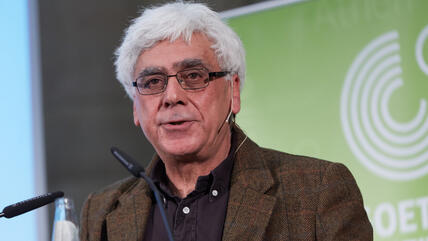 Interview with Sari Nusseibeh
"Israelis and Palestinians will have to start thinking seriously about a one-state solution"
Sari Nusseibeh is a Palestinian philosophy professor and was president of al-Quds University in Jerusalem from 1995 to 2014, where he still teaches. For many years, he was the most senior Palestinian official in East Jerusalem. In this interview with Sabine Peschel at the recent Goethe-Institut conference "Dialogue and the experience of the other" in Berlin, he speaks about Israeli–Palestinian negotiations, the upcoming elections in Israel, the legacy of the Arab Spring and the rise of Islamic State
-
 Iran's foreign policy
All options are open
Is Iran part of the problem or part of the solution to the conflicts in the Near and Middle East? There are actually good arguments for both points of view. By Bahman Nirumand
-
 Offensive against IS in Iraq
Sowing the seeds of the next disaster
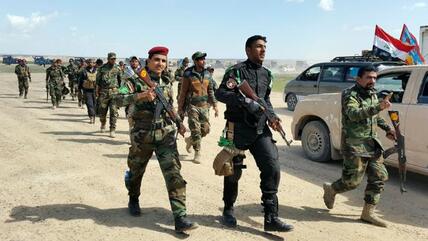
With their keen fighting spirit, the Shia militias may well be an effective weapon in the fight against Islamic State in Iraq. However, this is quite literally a case of casting out the devil that is IS with the Beelzebub that is the Shia militias, says Karim El-Gawhary
-
 General election in Israel
Elections for nothing
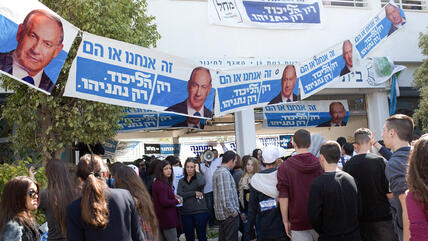
Never before in the history of Israel have there been such empty and unnecessary elections. The elections of 2015 are about nothing; no real issues are being discussed. Most of the parties are not even bothering to present an agenda, and very few Israelis understand why they have to go to the polls on 17 March, two years after they last did so. By Gideon Levy
-
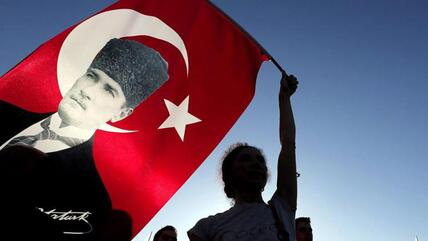 The Nazi glorification of Ataturk
Ankara's shining star
The historian Stefan Ihrig's new book reveals the fascination that Kemal Ataturk, the founder of modern Turkey, held for Hitler and the National Socialists. Ihrig's book has caused a stir in the Turkish press. By Joseph Croitoru
-
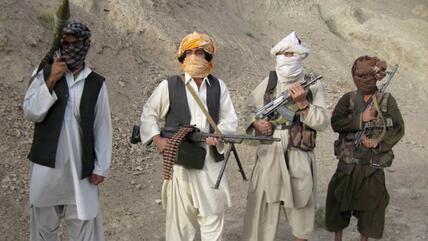 "Islamic State" versus "Taliban Emirate"
One caliph too many
The IS terrorists' self-proclaimed caliphate does not recognise borders. For some time now, the black flags of "Islamic State" have also been sighted in Afghanistan. This is a direct challenge to their rivals from the "Islamic Emirate of Afghanistan", better known as the Taliban. By Emran Feroz
-
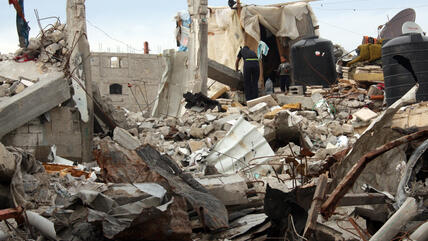 Investigations into the 2014 Israel–Gaza conflict
What prospects for accountability in Gaza?
Half a year has passed since the end of the hostilities between Israel and Hamas. Both NGOs and international organisations are now investigating the events of summer 2014. Ylenia Gostoli reports on these investigations and the reactions to them on both sides of the divide
-
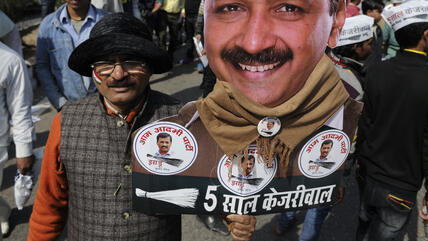 India's anti-corruption champion Arvind Kejriwal
Delhi's new broom very nearly makes a clean sweep
Arvind Kejriwal's Aam Aadmi Party (AAP) won a landslide victory in the Delhi State elections earlier this month, dealing a heavy blow to Prime Minister Narendra Modi's Bharatiya Janata Party (BJP). The capital's Muslim community in particular welcomes the change of power and hopes that communal politics will now finally take a back seat.
-
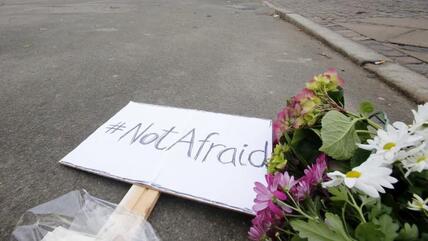 After the Copenhagen attacks
"We are not afraid"
The Copenhagen attacks are being regarded as a copy of the attacks in Paris a month ago. In this commentary, Barbara Wesel writes that freedom of speech, the separation of church and state, and gender equality are not negotiable, and that Muslims and non-Muslims alike must conduct a more open and critical debate about political Islam
-
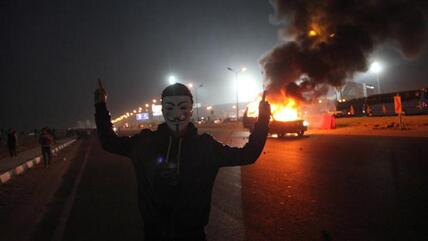 Egyptian soccer stadium deaths
Black day for the "White Knights"
Three years after the Port Said catastrophe, Egyptian soccer has again been hit by tragedy. At least 22 fans were killed in a stampede and clashes with police outside a stadium in the capital on Sunday, 8 February. Background details from Karim El-Gawhary in Cairo
-
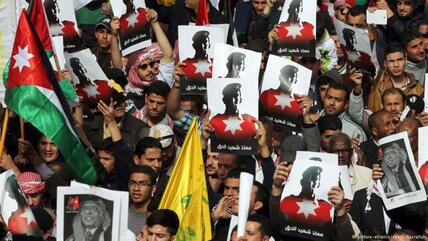 Killing of Jordanian pilot
United in sorrow, united against IS
IS's brutal killing of a Jordanian fighter pilot has shaken the people of Jordan and united the nation. The war and chaos in neighbouring Syria and Iraq no longer seem as far away as they used to. By Tania Kramer in Amman
-
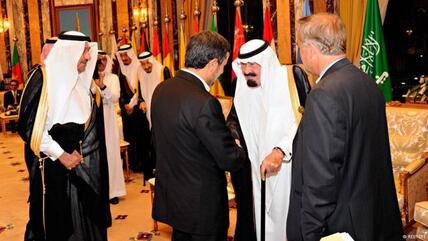 Saudi Arabia and Iran after the death of King Abdullah
No prospect of rapprochement
The rivalry between Saudi Arabia and Iran has been known to reach explosive heights on occasion. Deadly proxy conflicts are currently raging in a number of flash points in the Middle East. By Adnan Tabatabai
Most read articles
-
Cherien Dabis's "All That's Left of You"
Palestinian identity on screen
-
UNESCO Director-General Khaled El-Enany
Politics over preservation?
-
Rebuilding Khartoum
The same old tale of power and exclusion
-
Disarming Hezbollah in Lebanon
Nasrallah on the Pigeon Rocks
-
Prostitution in Tunisia
The big reveal
-
Sex tourism in Egypt
A bride for the summer