Politics
Topics
-
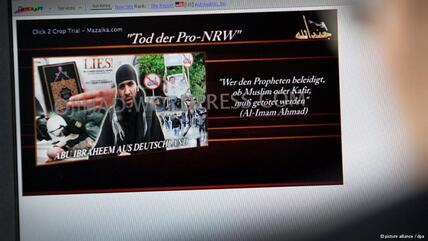 Guido Steinberg on German Islamist Terrorism
Trend towards "Individual Jihad"
Guido Steinberg is Germany's foremost specialist on Islamist terrorism in Europe. In this interview with Paul Hockenos, he talks about the specifics of German Islamist terrorism and al-Qaeda's change of strategy
-
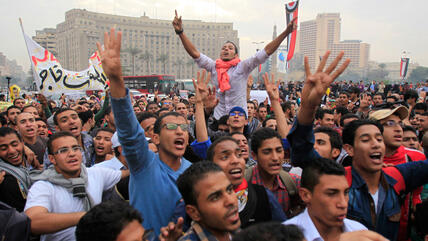 Egypt's Political Outlook
In Need of a Culture of Compromise
The biggest challenge facing Egypt in its attempts to build a new future is the fact that it does not have a political culture of compromise, writes Ronald Meinardus
-
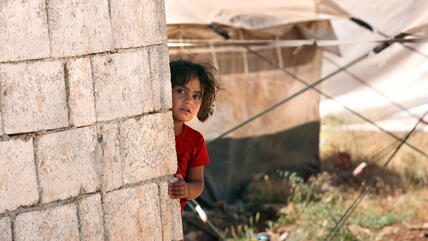 Syrian Civil War Refugees
Stranded in Gaza
To date, 70,000 Palestinians have fled the civil war in Syria. Only Hamas in the Gaza Strip is welcoming them with open arms. Inge Günther reports from Gaza
-
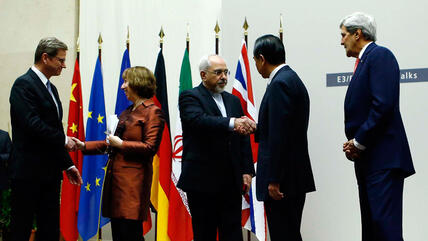 Nuclear Talks with Iran
Historic Step on a Rocky Road
The interim deal agreed at negotiations in Geneva is a breakthrough that would have seemed impossible just six months ago. By permitting stricter controls and limiting uranium enrichment, Iran has made concessions. But sharp criticism from Israel shows that the path to a final agreement is still strewn with obstacles. By Ulrich von Schwerin
-
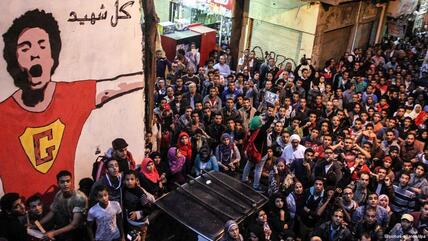 Protests in Egypt
Army Opponents Break Their Silence
Egypt's Islamists demonstrated for months against the army. Now, secular activists are out in the streets to protest the co-opting of their revolution. But, the military government has a propaganda machine on its side. By Markus Symank from Cairo
-
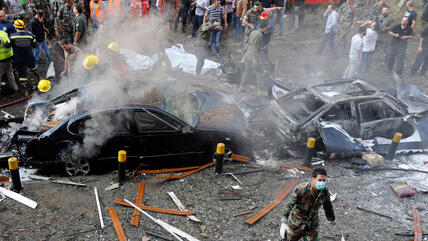 Hezbollah after the Beirut Attacks
A Battle on Many Fronts
In Syria, Hezbollah is backing the Assad regime in the fight against the rebels, as a way of defending the Iran-Syria-Hezbollah alliance. This has been met with great hostility at home in Lebanon, and is provoking reactions on the Salafist front. Background from Juliane Metzker
-
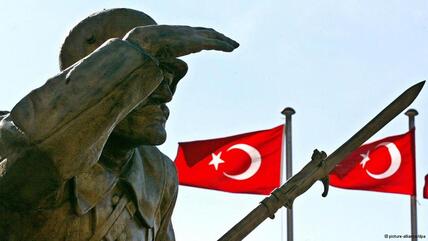 Turkey's Foreign Policy
Return to Pragmatism
In the past month Ankara opened a membership chapter with the European Union after a 30-month hiatus, while intense diplomatic traffic is underway to end tensions with its Iranian and Iraqi neighbours. All of which is fuelling rising speculation that a major reset in Turkish foreign policy is underway. Dorian Jones looks at what lies behind the latest events
-
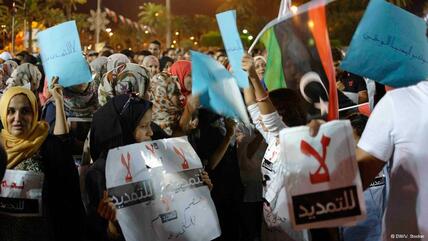 Libya
LibyaMilitias Take Aim at Tripoli Protesters
Dozens of protesters were killed and hundreds wounded in militia violence in Tripoli. Public anger is aimed at a weak government. Now, more militia fighters are marching toward the capital to fill a power vacuum. Valerie Stocker reports from Tripoli
-
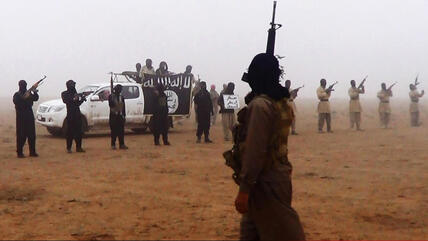 Al-Qaeda's New Strategy
Turning away from the Distant Enemy
In contrast to their earlier tactics, militant jihadists are increasingly turning away from attacking the West to concentrate on more local and regional targets. Albrecht Metzger reports on the current change of strategy in the activities of Al-Qaeda and its allies
-
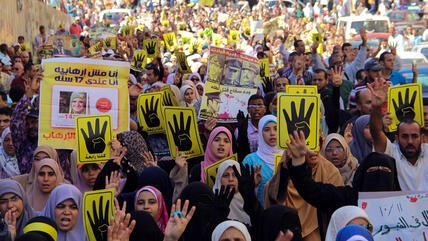 Muslim Brotherhood in Egypt
Limited Options
The world's oldest Islamist organization has apparently failed in its strategy of confrontation with the ruling military. It is now proving difficult for the movement to make a fresh political start. Karim El-Gawhary reports from Cairo
-
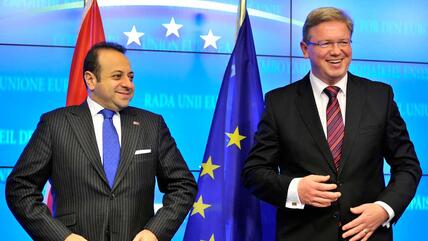 EU Accession Negotiations with Turkey
A Lack of Perspective
After a break of many months, the EU has resumed membership talks with Turkey and extended them to address a further issue. But despite the new momentum for negotiations, the erstwhile euphoria over Europe on the Bosphorus has long dissipated. Senada Sokollu reports from Istanbul
-
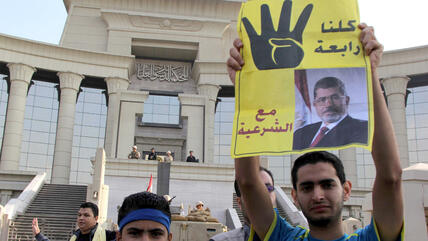 Egypt's Former President Morsi on Trial
A Test of the Justice System
Are Egypt's courts using different standards when it comes to the trials against former dictator Hosni Mubarak and former president Mohammed Morsi? Karim El-Gawhary in Cairo says it's not impossible that the trials will end up with Mubarak a free man and Morsi in prison
Most read articles
-
Cherien Dabis's "All That's Left of You"
Palestinian identity on screen
-
The role of Egypt′s armed forces
A military empire
-
Sex tourism in Egypt
A bride for the summer
-
Disarming Hezbollah in Lebanon
Nasrallah on the Pigeon Rocks
-
Prostitution in Tunisia
The big reveal
-
UNESCO Director-General Khaled El-Enany
Politics over preservation?