Qantara Startseite Englisch
-
 Ahmed Isamaldin
"Gold is directly connected to the violence in Sudan"
Artist and researcher Ahmed Isamaldin uses satellite imagery to trace how Sudan's gold industry has expanded during the war. His research reveals how the conflict is linked to global supply chains and the commodities we consume.
-
 Faten Harb
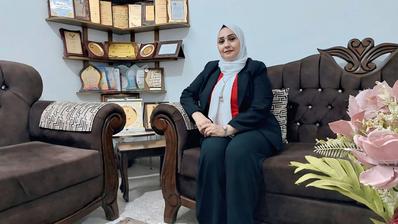
Mediating family conflicts in wartime Gaza
Faten Harb is one of Gaza's first female mukhtaras, a mediation role traditionally reserved for men. As war has upended everyday life, she has found herself mediating disputes shaped by displacement, poverty and loss, helping families navigate a society under extraordinary strain.
-
 Religious diversity in Tunisia
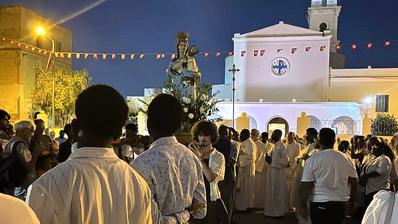
The Virgin Mary on the streets of Tunis
In Tunisia, a tradition is being revived: the Marian procession in La Goulette. Christians, Jews and Muslims from around the world are coming together to make a statement in favour of peaceful coexistence, in a country where the authorities are cracking down on migrants.
-
 Gilbert Achcar on the impact of 9/11
"The Iraq War shattered the promise of a new world order"
The attacks of 11 September 2001 fundamentally altered US foreign policy and triggered a series of wars that have reshaped the Middle East. 25 years on, Gilbert Achcar reflects on the US response to 9/11 and its enduring impact on the region.
Politics
More about Politics-
 Taliban in Afghanistan
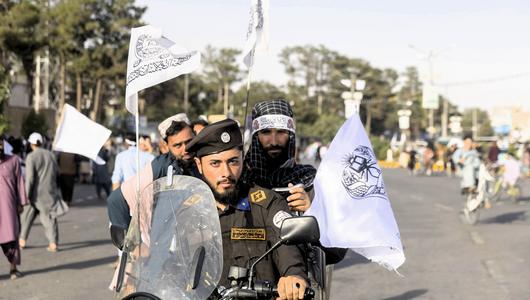
Power consolidated, society reshaped
In the five years since regaining power, the Taliban have cemented their rule in Afghanistan, bringing armed conflict in the country to a relative lull. Their ambitions go beyond maintaining control: they are seeking to transform the country from the bottom up.
-
 Death sentence for Bashar al-Assad
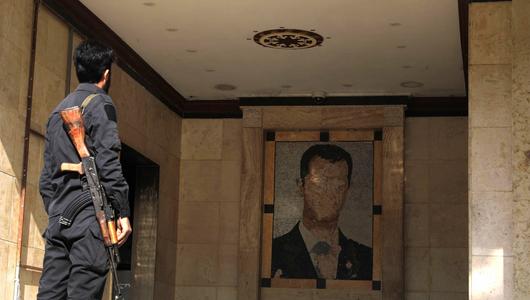
Justice cannot be rushed
The abrupt verdict against Bashar al-Assad is a missed opportunity for justice. A genuine trial could have documented the full extent of his crimes and given survivors a platform to tell their stories.
-
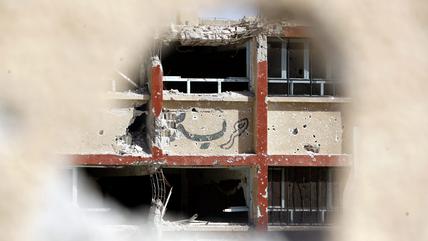 Syrian newspaper Enab Baladi
"We offer an alternative to propaganda and hate"
The team behind Enab Baladi, the revolutionary media organisation founded at the start of the 2011 uprising, has returned to Syria. Co-founder Kholoud Helmi explains why their presence in Damascus is more crucial than ever.
-
 Syrian President Ahmed al-Sharaa
The false saviour
Ahmed al-Sharaa is celebrated for liberating Syria from the Assad regime. But the former militia leader has a dark past. Will the people, out of desperation, once again fall prey to a brutal dictator?
-
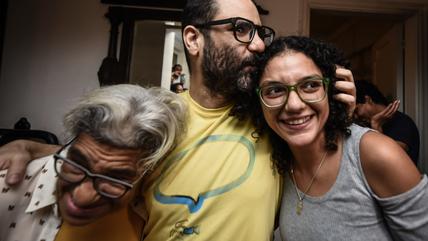 Egyptian activist pardoned
Alaa Abd El-Fattah is free
After years in prison, democracy activist Alaa Abd El-Fattah is free. Egypt's president has officially pardoned the 43-year-old. Read by a selection of texts by and about one of the key figures of the 2011 Egyptian Revolution.
-
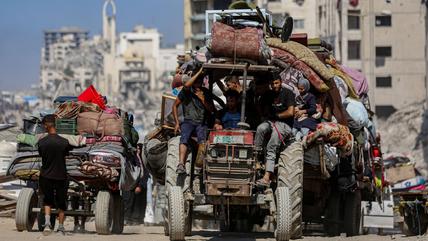 Hamas in Gaza
A fractured movement, an absent leadership
Hamas miscalculated. It failed to anticipate the scale of Israel's retaliation after 7 October, which has left Gaza in ruins, eroding support for the movement and provoking the anger of the people it claims to represent.
-
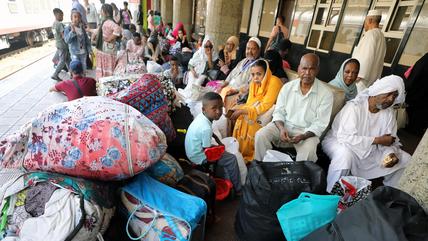 Refugee rights in Egypt
"We are in a legal vacuum"
Egypt hosts more than one million registered refugees, most from Sudan. Recent legislation has stripped away protections, creating chaos in the country's asylum system and violating international law, says Nour Khalil, director of Refugees Platform Egypt (RPE).
-
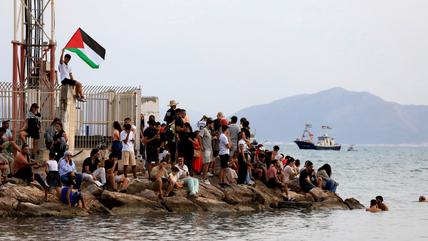 Sumud Flotilla
Tunisia at the forefront of global convoy to Gaza
More than 50 boats are set to sail to Gaza in an attempt to break Israel's blockade. While European activists dominate headlines, the mission unites participants from over 40 countries, including many from Tunisia, where solidarity with Palestine runs deep.
Society
More about Society-
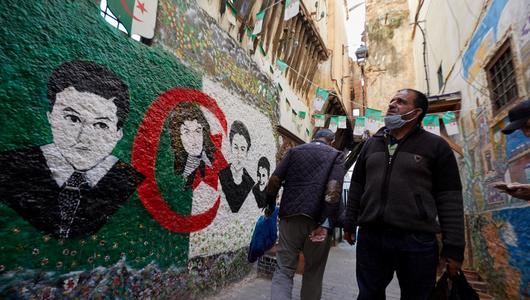 Algeria and France
"We must deepen our understanding of the colonial era"
History weighs heavily on Algerian-French relations. Historian Benjamin Stora discusses the obstacles and progress made towards a shared culture of remembrance, and the threat posed by the French far right as elections approach.
-
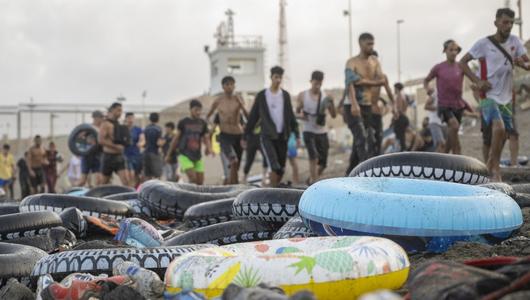 Inequality in Morocco
Ceuta was a referendum
Shortly before the general election, the mass crossing into Ceuta has shaken Morocco's image as a stable and thriving nation. The fact that so many people embarked on the journey reveals the depth of discontent in the country.
-
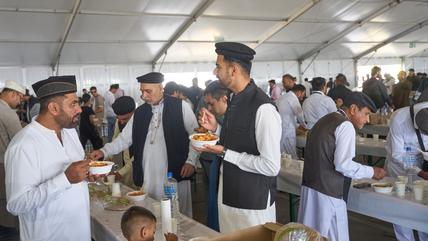 "The Misguided Islam Debate" by Teseo La Marca
A plea for a pluralistic Islam
In his new book, Teseo La Marca argues that Germany's debate on Islam swings between extremes and calls for more nuance as an antidote to fundamentalism. But does he practise what he preaches?
-
 Syrian activist The Darvish
"Queerness is freedom and freedom is indivisible"
Belly dancer and queer organiser The Darvish arrived in Berlin in 2016, where they found a welcoming community and room for self-expression. But they warn that, as German politics shifts to the right, this community is under threat and its spaces are vanishing.
-
 Syria's shadow economy
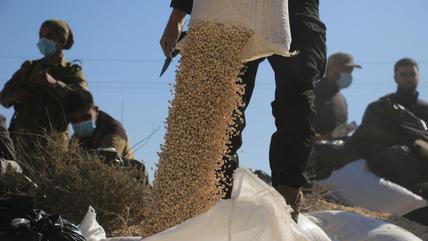
Sex work, captagon and currency
Having grown significantly during the war, Syria's informal market for sex, drugs and money continues to thrive. Meanwhile, weak regulation is discouraging investment in the formal economy.
-
 Egypt's TikTok crackdown
Suzy el-Ordoneya and the politics of social media fame
A police crackdown in Egypt is targeting TikTok influencers. Among them is Suzy el-Ordoneya (Suzy the Jordanian), whose rapid rise has brought her into conflict with official state morality.
-
 Kafr Nabl, Syria
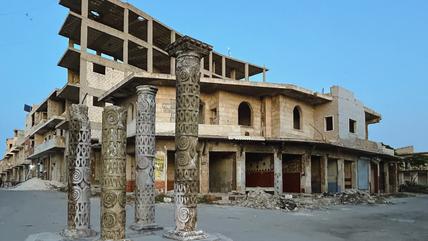
Traces of the revolution
When the Syrian revolution began in 2011, Kafr Nabl went from a sleepy, provincial town to a hub of resistance. Today, it resembles a ghost town. Its story may help ensure the revolution's original ideals are not forgotten.
-
 Economic hardship in Sudan
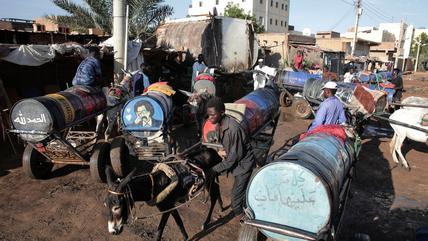
War demands unconvential strategies
As the war continues in Sudan, survival has become a daily test of resilience for millions in the country. Business has to adapt and focuses on necessities: food, electricity, fuel and internet.
Culture
More about Culture-
 Remembering Sliman Mansour
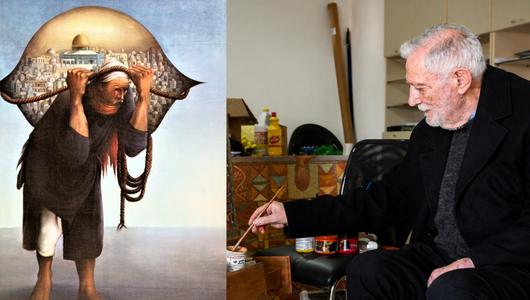
The artist behind a Palestinian icon
"Camel of Hardship" by Sliman Mansour, who died on 24 August, is one of the most recognisable images in Palestinian art. Asmaa al-Ghoul tells how it came to appear on walls across the country and why it remains deeply embedded in collective memory.
-
 Egyptian photographer Roger Anis
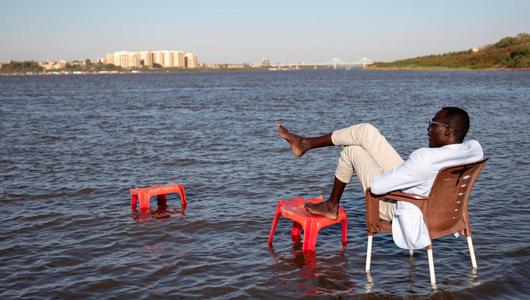
"The Nile is part of our collective consciousness"
Egyptian photographer Roger Anis has spent nearly a decade documenting the world's longest river. In 2024, he revived an ancient Nile procession with local fishermen, turning their boats into a moving celebration of the river and its communities.
-
 Documentary "The Moelln Letters"
An indictment of forgetting
In 1992, shortly after German reunification, neo-Nazis in Mölln carried out an arson attack targeting Turkish families. "The Moelln Letters" follows the survivors, who just recently discovered the hundreds of letters of solidarity withheld from them for decades.
-
 Artists in Syria
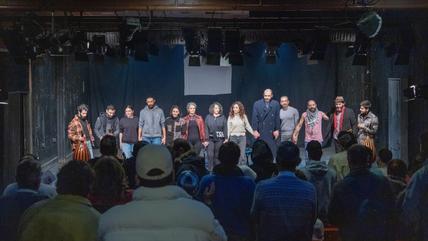
Reclaiming space, testing limits
Since Assad's fall, Syrian artists and intellectuals have been seeking ways to respond to a transformed reality. Four cultural workers reflect on the shape of the cultural sphere in the new Syria.
-
 Afghan poet Matiullah Turab
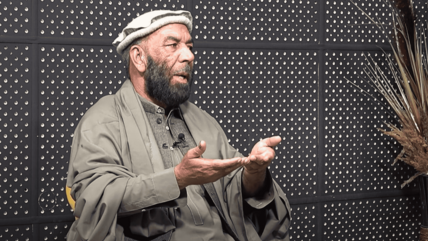
A critical voice even the Taliban listened to
Afghan poet Matiullah Turab has unexpectedly died. Turab saw himself as the modest voice of a tormented people—and even the extremists listened.
-
 Books on Israel-Palestine
The perennial question of the West
New publications on the Israel-Palestine conflict: Alena Jabarine writes about inequality and arbitrary violence in the West Bank, Omar El Akkad settles scores with the West and Gilbert Achcar analyses the ideological roots of Hamas and Zionism.
-
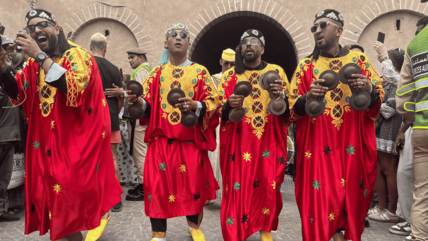 Moroccan Gnawa festival
A Sufi tradition on the world stage
A festival in Morocco is bringing Gnawa music to the mainstream. Shaped by migration, slavery and a long struggle for recognition, the once marginalised Sufi tradition is now internationally renowned.
-
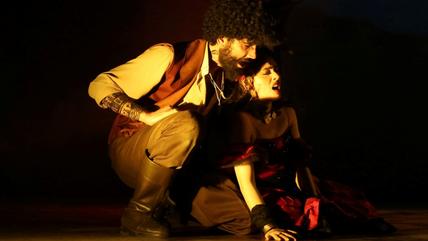 "Carmen" on the Egyptian stage
Rewritten to fit the patriarchal script
A stage production of "Carmen", adapted from Prosper Mérimée's French novella, has captured the attention of audiences and critics in Cairo. While the French novella portrayed Carmen as a free-spirited rebel, the Egyptian adaptation tells a different story.
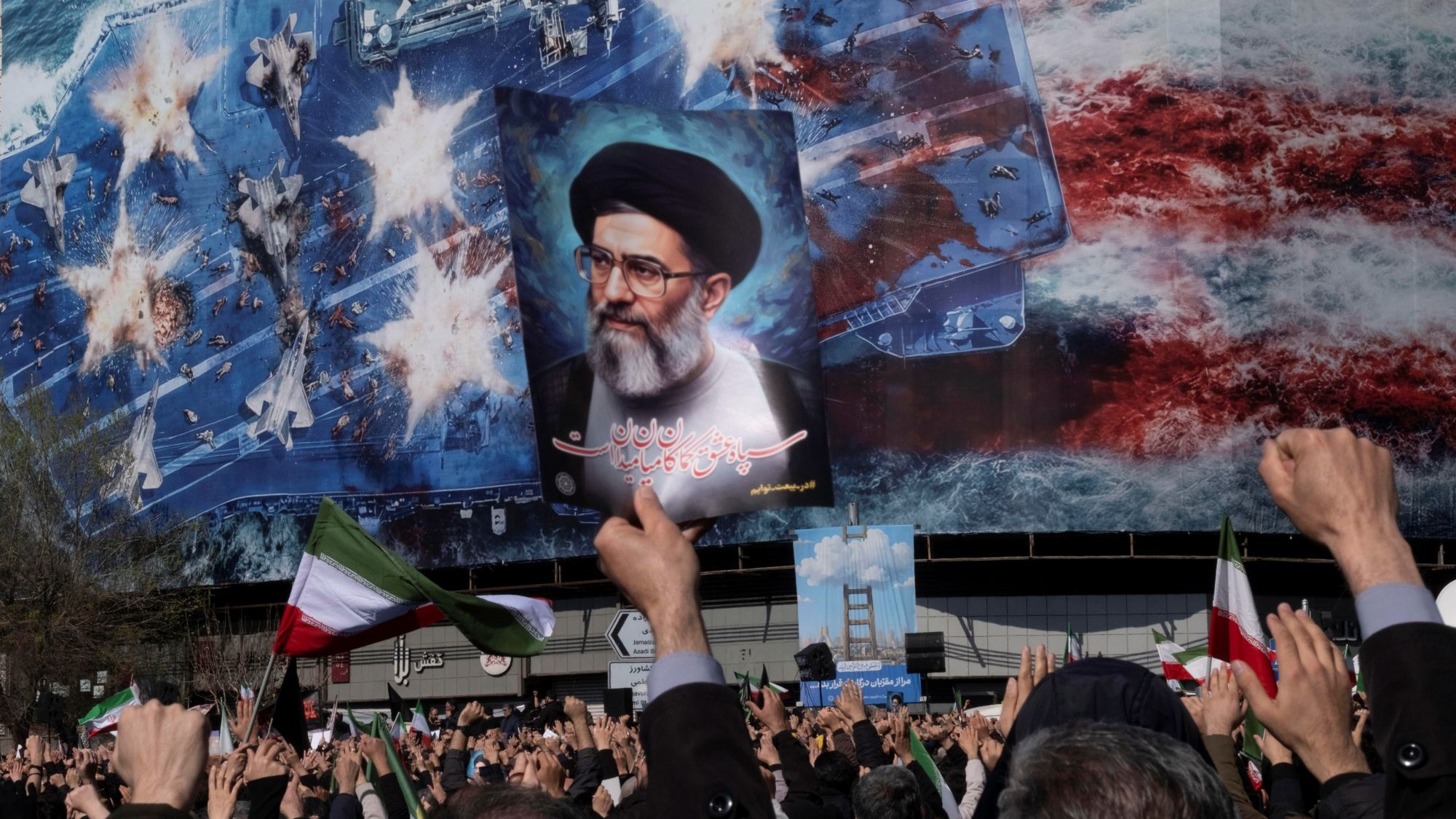
750th anniversary of Rumi's death
750th anniversary of Rumi's death - Qantara.de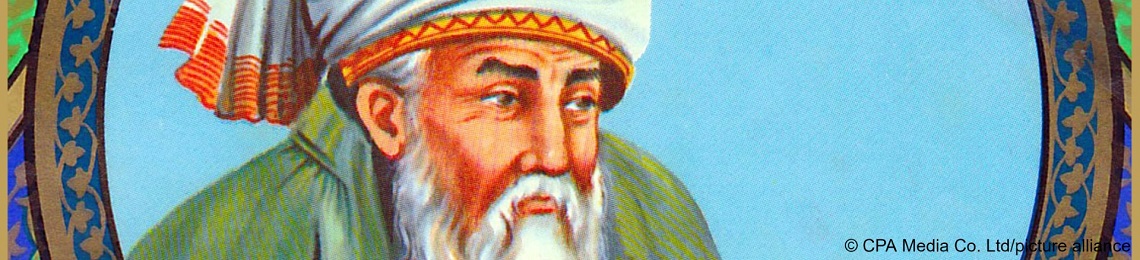
Most read articles
-
Frauen in Saudi-Arabien
Gefangen in einem System der Gender-Apartheid
-
Religiöse Vielfalt in Tunesien
Maria in den Straßen von Tunis
-
Nachruf auf Imam Seyed Mehdi Razvi
Ein Visionär des interreligiösen Dialogs
-
Sex-Tourismus in Ägypten
Braut für einen Sommer
-
Gilbert Achcar über Folgen von 9/11
"Der Irakkrieg hat die Weltordnung zertrümmert"
-
Prostitution in Tunesien
Das Verdeckte offenlegen