Two cities shaping contemporary art in Morocco
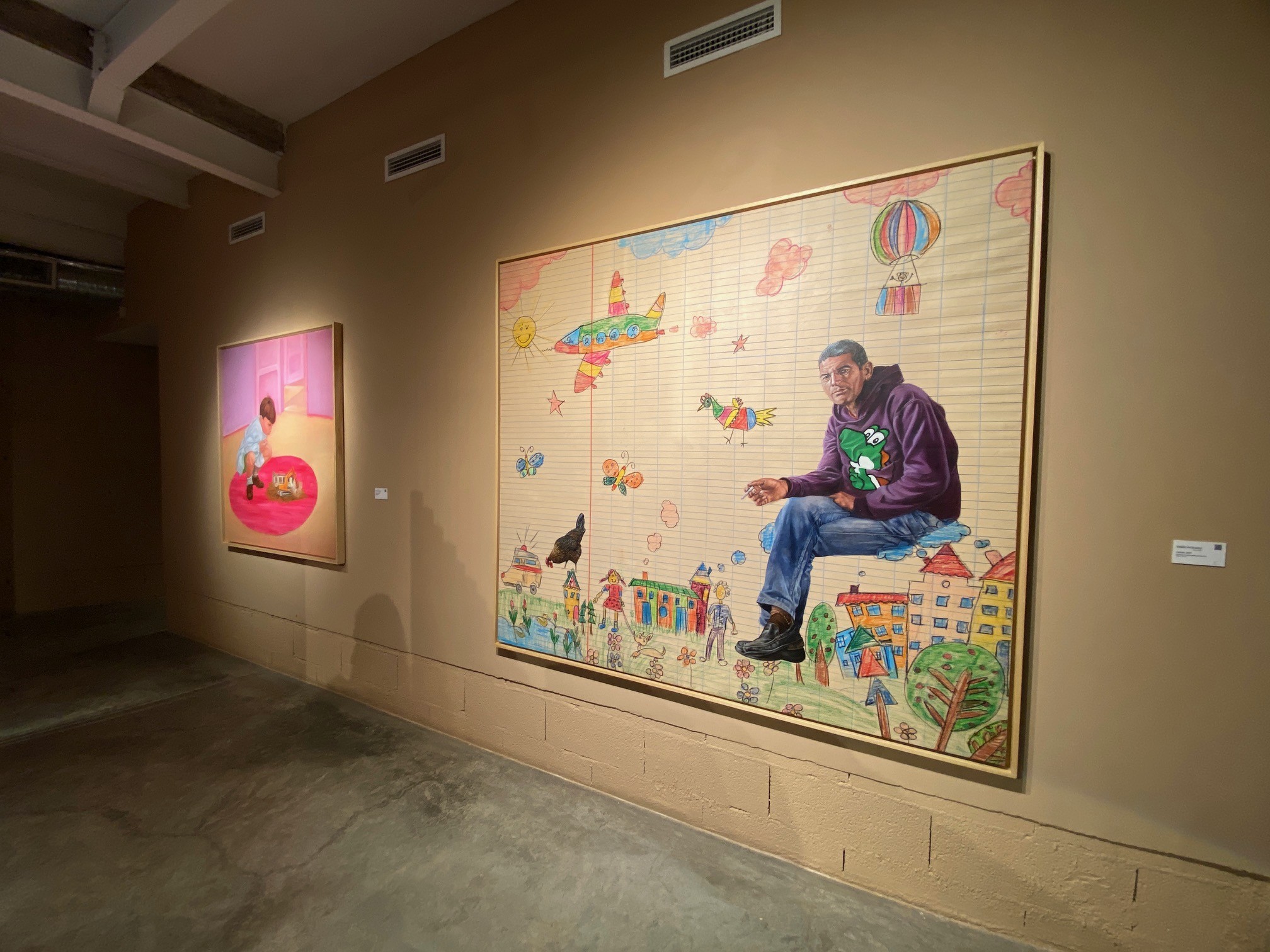
It's the night of the galleries in Marrakesh, and on the rooftop of Loft Art Gallery, overlooking the modernist neighbourhood of Guéliz, the group exhibition "Painting in the Exercise of Art" is taking place.
Built as the Ville Nouvelle during the French protectorate, Guéliz's wide boulevards and early-20th-century buildings stand in contrast to Marrakesh's labyrinthine medina, just half an hour away on foot.
Today, the neighbourhood is full of galleries and hipster cafés, and on evenings like this one in February, artists, collectors and visitors move between them, turning the district into an informal art quarter. A growing network of art spaces, from the three-storey Comptoir de Mines to the Fondation Yves Saint-Laurent, participate in the artistic renaissance that is making Marrakesh a "place to be" for contemporary art.
Morocco boasts a diverse and growing contemporary art scene, unfolding across the major urban centres like Marrakesh, Casablanca, Tangier and Rabat. Each one of these cities has its own characteristics, closely tied to its geography, social dynamics and position within Morocco's economy.
This piece will focus on Marrakesh and Casablanca. The latter, the country's economic and civic hub, is home to a number of historic and politically engaged artistic practices and was deeply affected by last year's youth-led protests, which exposed social divides across the country. Marrakesh, by contrast, remained largely insulated from these upheavals, with its art scene continuing to focus on tourism and international audiences.
Marrakesh: a regional hub for contemporary art
Loft Gallery is at the centre of the contemporary art scene in Marrakesh. Its director, Yasmine Berrada, comes from a family of collectors, and founded the gallery with her sister in 2009. Originally in Casablanca, the gallery expanded to Marrakesh at a time when the Moroccan art market looked very different.
"There were many art dealers, but very few galleries doing structured work," she says. "It was a very local market: Moroccans only bought Moroccan art and did not buy foreign art. Likewise, foreign collectors did not buy many Moroccan artists."
If the Moroccan art market has expanded internationally, it is partly due to the participation of Moroccan galleries and artists in global fairs and events, but above all to Marrakesh's emergence as a transregional hub connected to cities across Africa, the Gulf, Latin America and beyond.
Since the late 20th century, Moroccan authorities and local elites have deliberately promoted the city as a global cultural and luxury tourism destination, investing in infrastructure, heritage restoration and international events. This strategy attracted foreign residents, collectors and cultural foundations, which in turn supported museums and art fairs such as the 1-54, and effectively made it the most ideal city in Morocco to take the lead as a key centre for contemporary art in Africa.
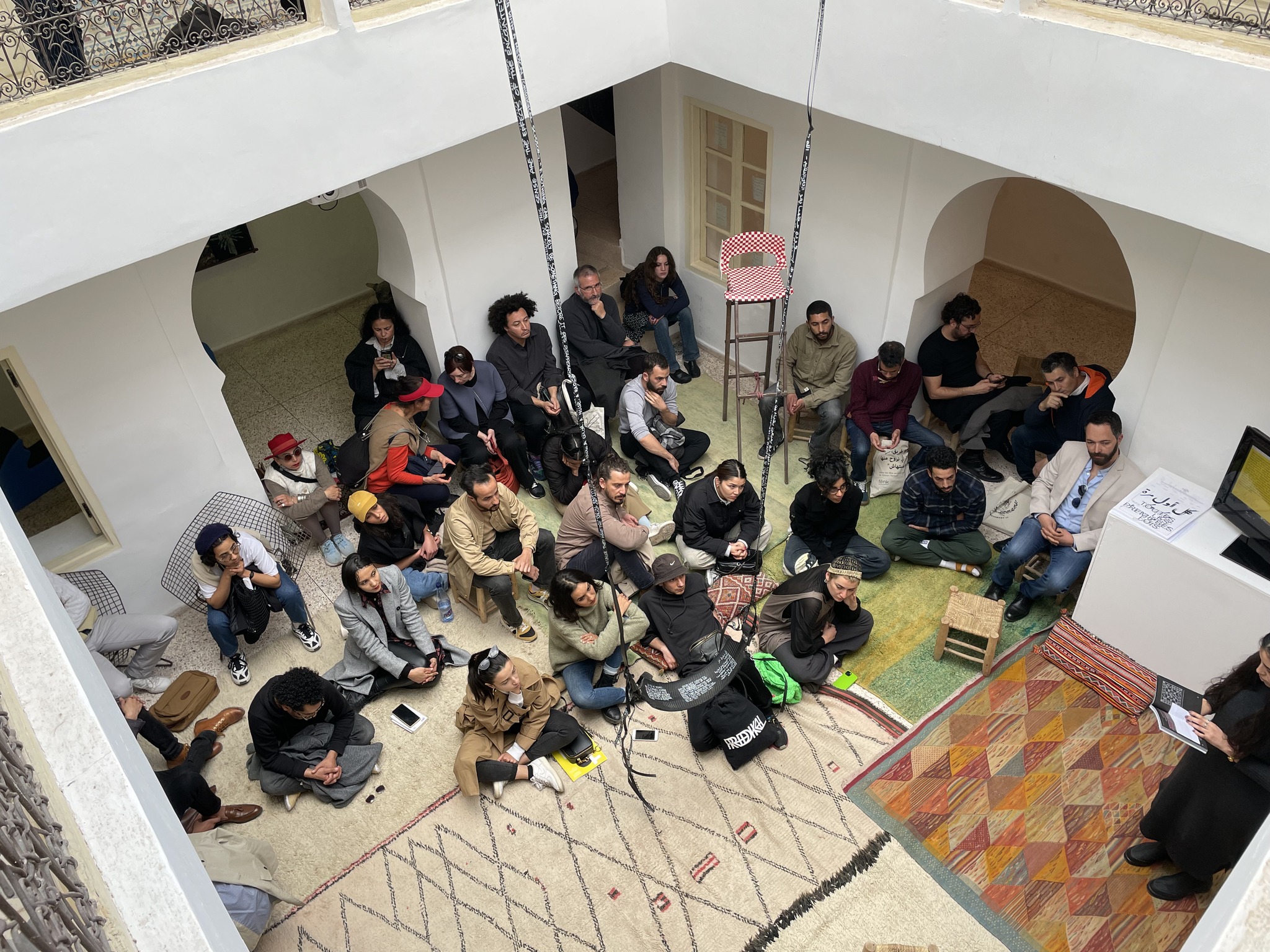
Marrakesh’s art scene also has a more politically engaged face, which can be found in independent spaces such as LE 18, located in the medina. Political in its orientation, its recent focuses include the politics and poetics of water, reactivating collective memory through oral arts, and the culture of food.
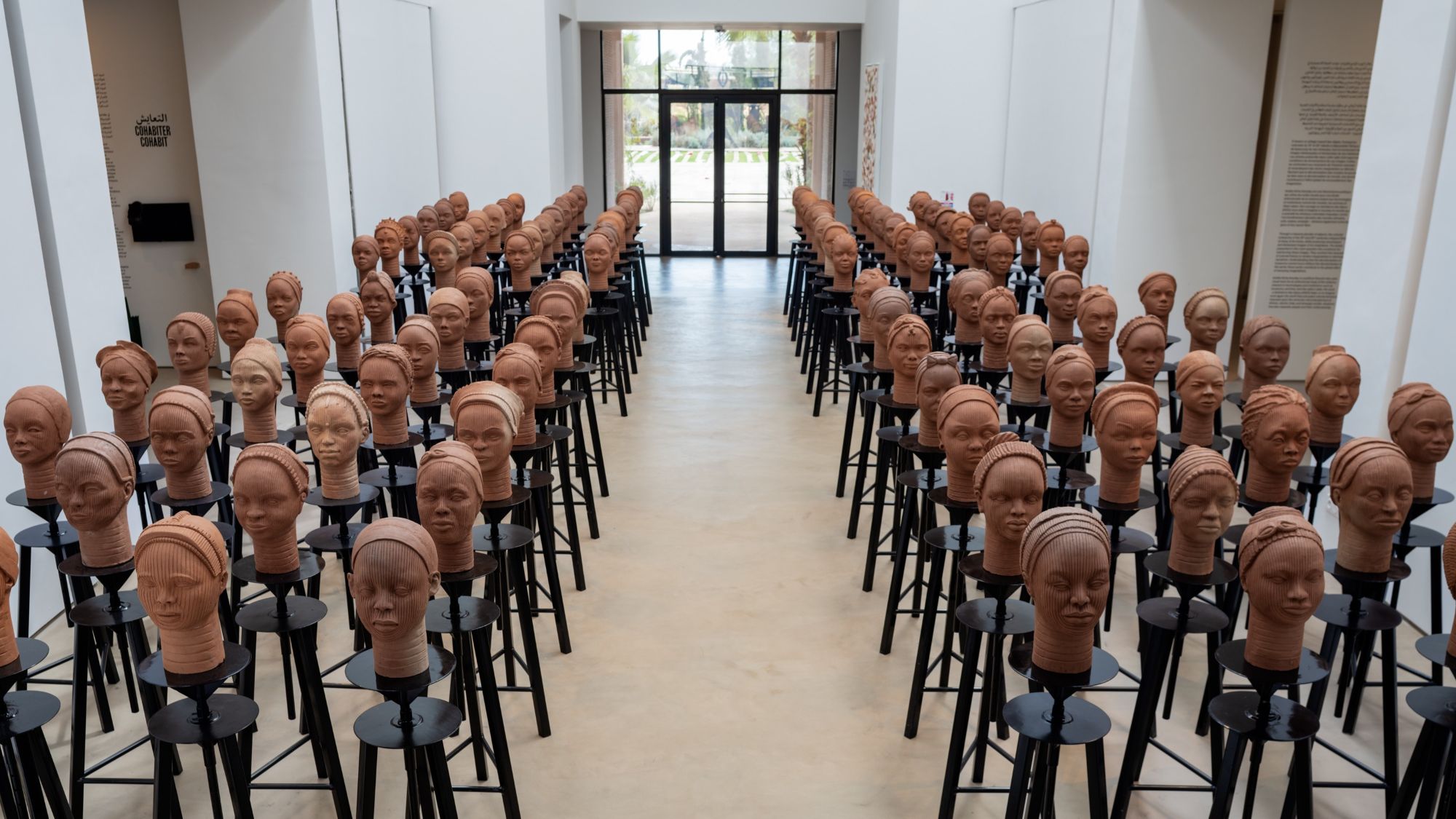
A wider outlook on the themes of decolonisation, collective aspirations and the cohabitations of cultures and traditions is also to be found at the MACAAL (the Museum of African Contemporary Art Al Maaden), a private museum whose mission is to establish itself as a bridge between Pan-African narratives and Europe. Its permanent collection steers away from classical chronological or geographical divisions. Labels on artworks are also avoided in an attempt to challenge classical Western museology.
Art in Casablanca: political and rooted in community
Meanwhile, the port city of Casablanca—Morocco's largest city and economic powerhouse—has a distinctive political history and energy that naturally shaped its artistic development.
In the 1960s and 1970s, the School of Casablanca, led by artists and architects like Farid Belkahia, Mohamed Melehi and Mohammed Chabâa at the École des Beaux-Arts, channelled a critical, anticolonial spirit into modernist practices rooted in Moroccan heritage. By rejecting purely Western models and responding directly to post-independence realities, the school helped establish a citywide artistic culture where art is inseparable from social and political life.
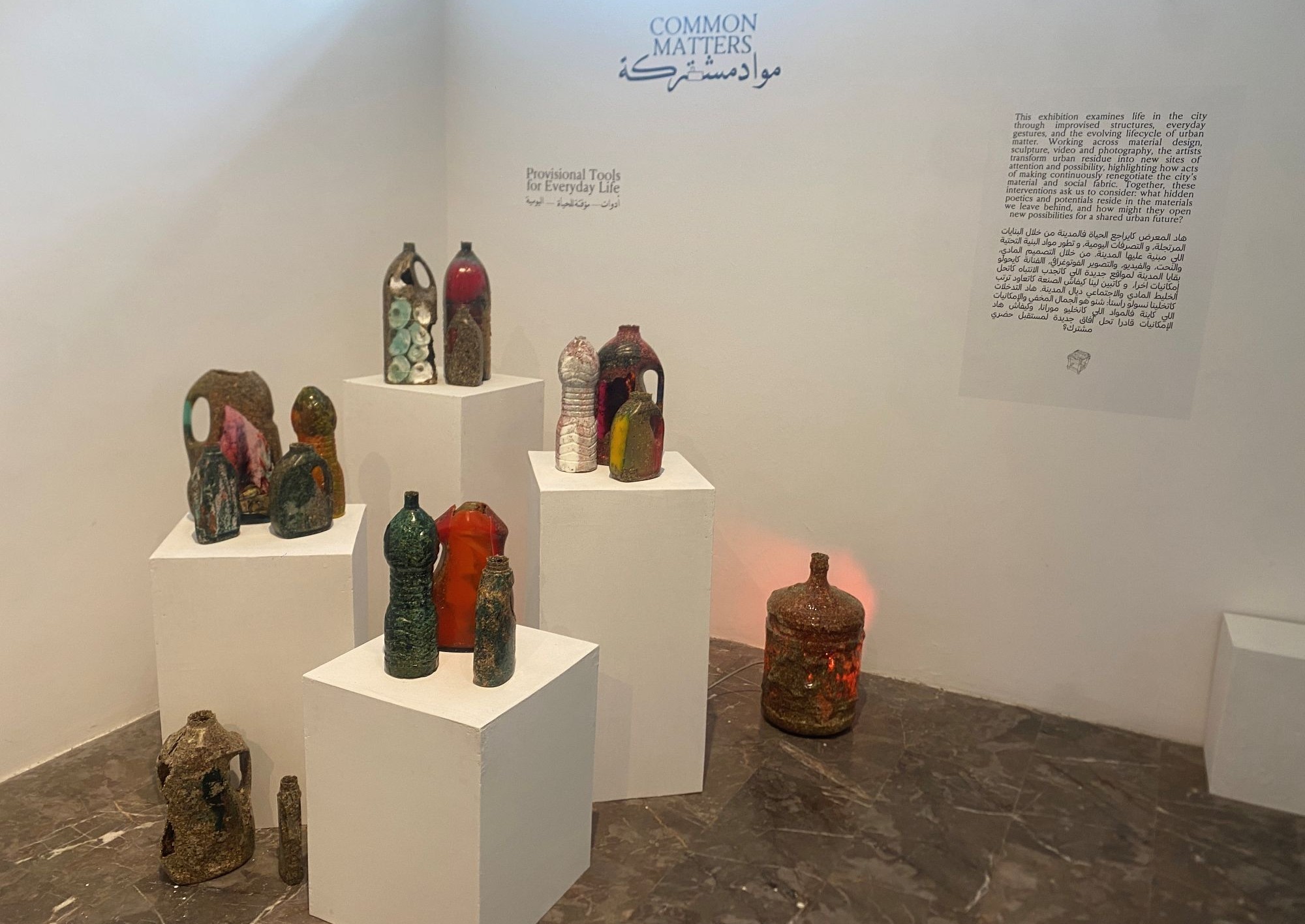
This ethos animates the ancient medina, where the artist-run space Rue de Tanger is located. Their recent show "Common Matters", examines life in the city through improvised structures, everyday gestures and the evolving lifecycle of urban matter. Across different media, the artists on show explore the poetics and potentials of discarded materials, and how they might open new creative possibilities.
"In our projects, we want to engage with the city's residents, create collective archives, and collaborate with young people to preserve the memory of the Medina," says artist and architect Kaïs Aïouch, part of the Kimia collective, which runs the space.
Aïouch is back in Casablanca after having studied architecture in Milan. "Upon my return, I could feel the city becoming increasingly lively on a cultural level," he said. "This elicited a natural willingness to contribute to the scene, which here is very much based on helping each other."
In the more affluent neighbourhoods of Casablanca, such as Gauthier and Racine district, you can find most of the commercial galleries, including L’Atelier 21 and the American Arts Centre. There are also independent platforms, including ThinkArt, which engages with historical legacies of the School of Casablanca, and spaces like Siniya, dedicated to communal publishing and archives.
"The independent spaces are often collaborating with each other, here in Casa," notes artist Ymane Fakhir, who also founded another important platform, Résidence Daret. "Casablanca's creative ecosystem thrives on these improvisational networks."
Daret offers an extended year-long residency combining living and working space for emerging Moroccan artists who often face barriers to mobility and structural support. "Daret was created to bridge the gap between academic training and professional careers for artists," explains Fakhir. "Artists finish the residency with a clear idea of their project and a text on their work, it's a springboard for them."
From the fifth floor of Daret, in the historic Cité Maréchal Améziane, the city's density feels tangible. From this vantage point, you can almost see with the naked eye the constant movement that shapes urban life. It's a privileged, artistic perspective, one that reveals not only what the city is, but what it could become.
© Qantara.de