Shia families struggle for shelter in divided Beirut
Topics
"We do take people in, but only very few. We are very careful. We filter. We don't let just anyone in," says an employee at a hotel in the Christian neighbourhood of Gemmayzeh, once frequented by tourists.
"Lebanon is caught in a conflict it did not want," the hotel employee continues. "But the tragedy is that we are used to this. This is our sixth war since 2006."
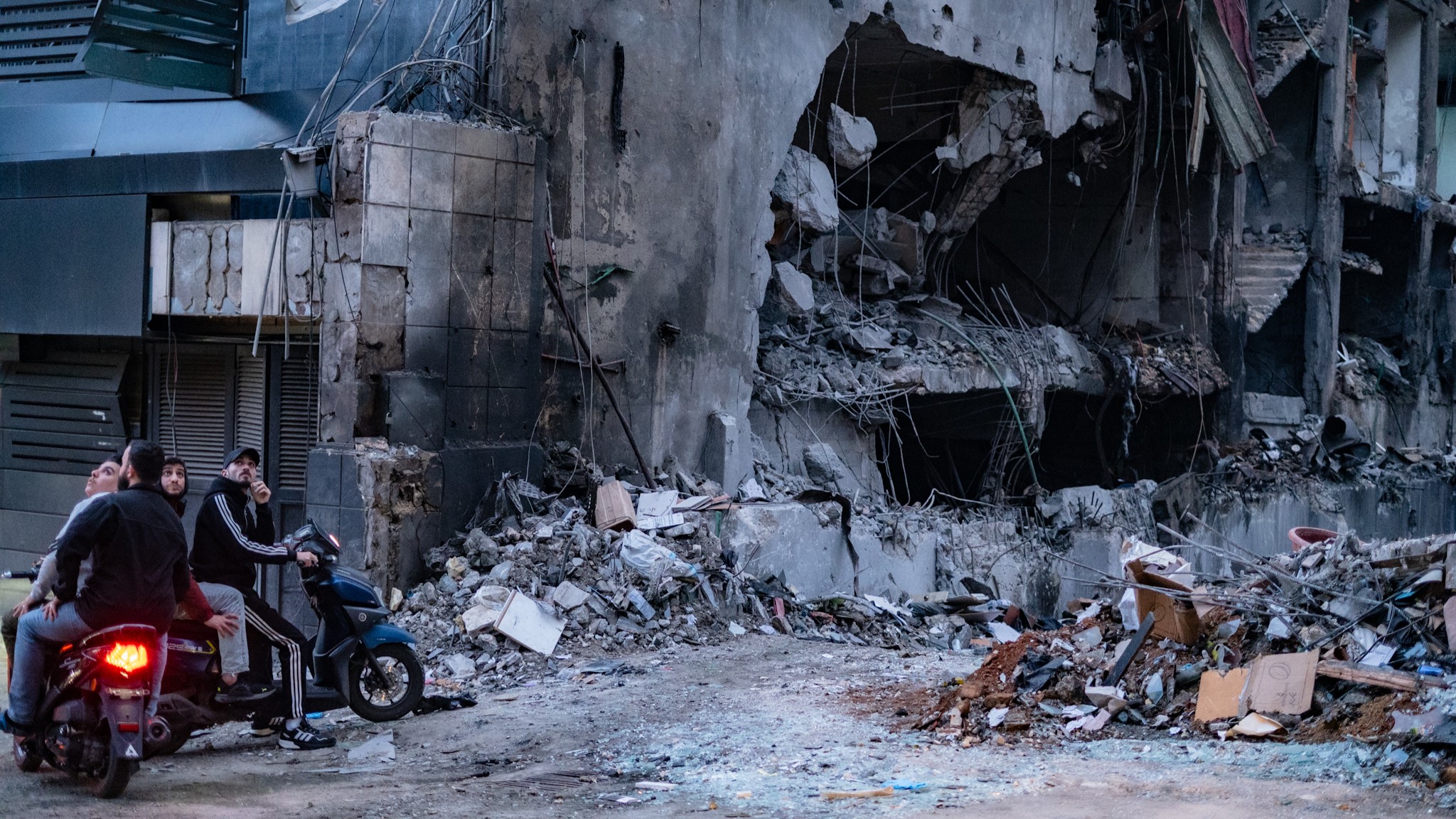
In Beirut, where hundreds of thousands have fled Israeli strikes in the south, the Bekaa Valley and the southern suburbs of the capital, known as Dahieh, finding a place to settle with the few belongings taken in haste has become a Sisyphean task. According to UN agencies, more than one million people have been displaced—over one-fifth of Lebanon's population—and more than 2000 have been killed.
The announcement of a 10-day ceasefire, which came into effect on 16 April, prompted some displaced families to consider returning home. For many, however, going back is not yet an option. Many homes have been destroyed and parts of the south remain occupied by the Israeli army. Access to these areas is difficult due to damage to roads, bridges and other infrastructure. Uncertainty about the truce's durability also shapes the decision to stay or leave.
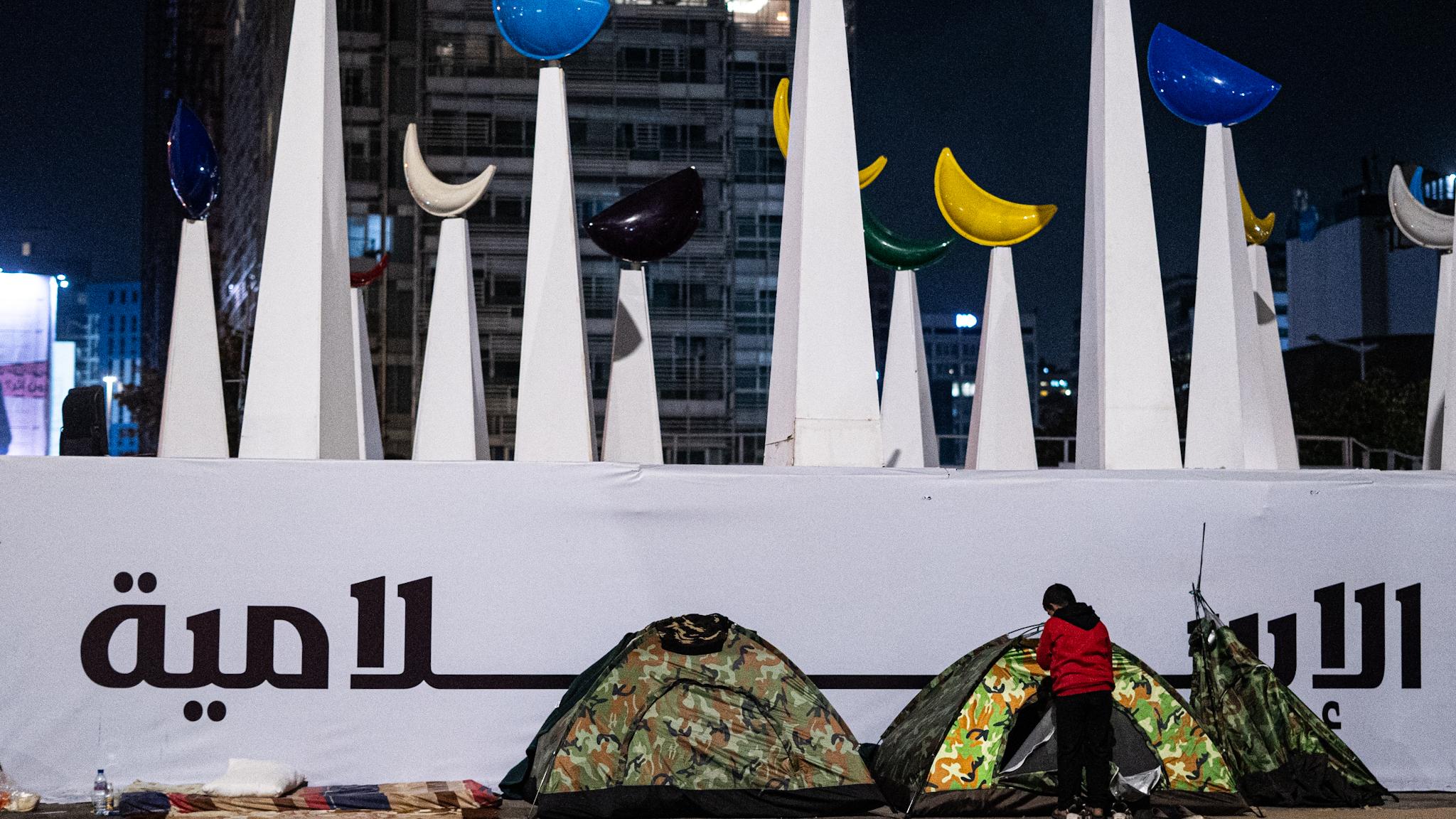
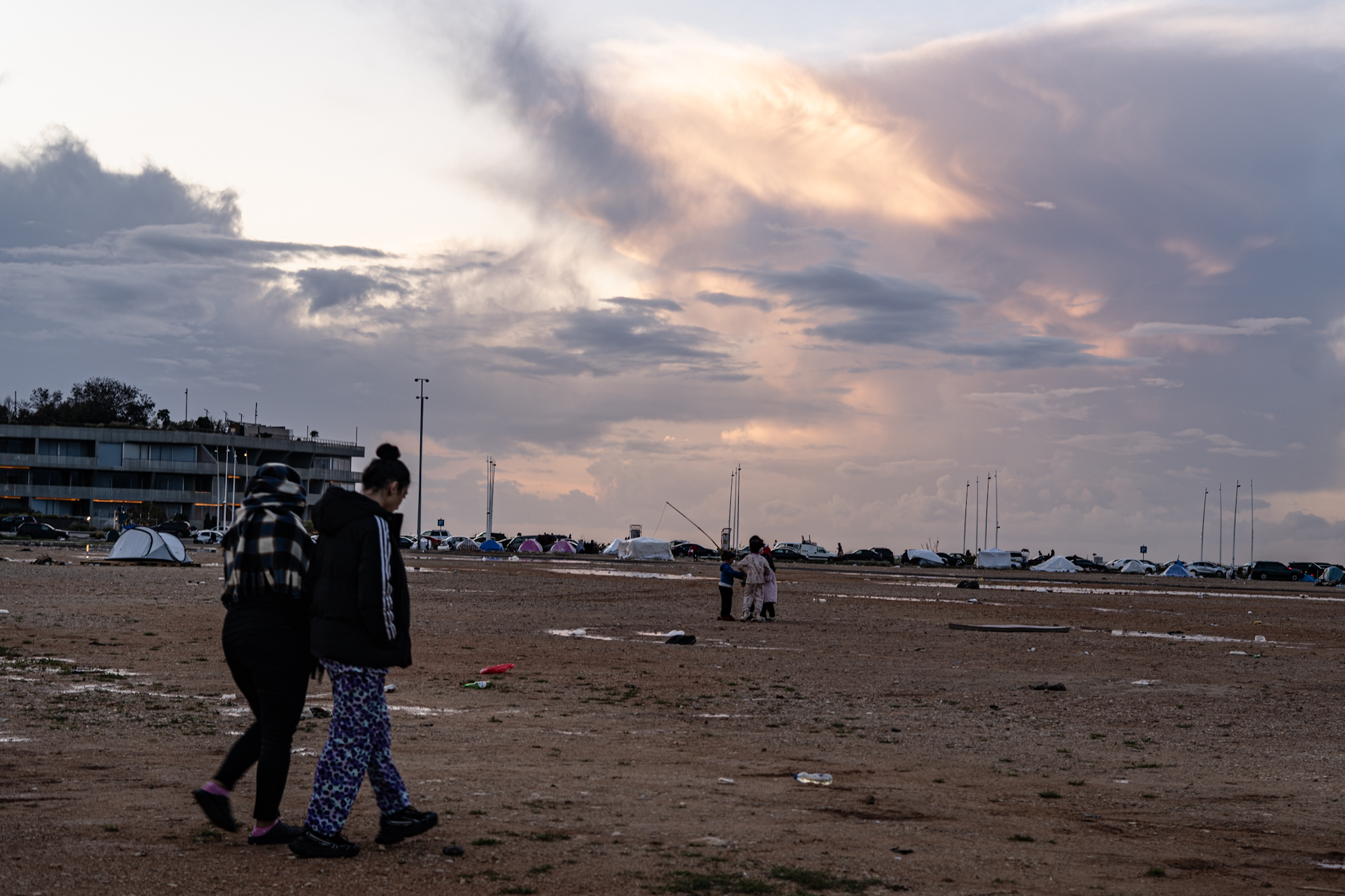
Around Martyrs' Square in the heart of the capital, and along the seafront promenade, tents line the walkways while cars are parked bumper to bumper. Suitcases and plastic bags filled with food and blankets pile up in cars or on the ground.
Hundreds of public buildings, such as schools and sports complexes, were requisitioned across the country at the start of the escalation, many rapidly filling beyond capacity. "About 122,000 displaced people are currently housed in collective shelters, while nearly 800,000 others are outside these structures," said Tony Hadad, deputy head of emergency operations at Caritas Lebanon, in March. "The main challenges are shelter: we really need host families, healthcare and food."
"They gave Israel a reason to strike us"
In Beirut, once lively areas, mostly Christian neighbourhoods, have slowed to a standstill. For some displaced families, renting a room or apartment may seem an easy solution, especially as many are vacant. Yet many report being turned away by landlords.
In predominantly Christian areas such as Achrafieh, residents say that few displaced families have been welcomed. While some monasteries and convents shelter Christians, Shia families largely rely on public shelters, but space in these shelters is severely limited. In some neighbourhoods, public schools have remained closed to displaced people, while those seeking other forms of accommodation face heightened scrutiny or outright rejection.
Some plans to shelter the displaced have faced pushback. Plans to convert a hangar near Beirut's port in Karantina into a shelter for thousands were scrapped following protests from residents and politicians who warned of potential "tensions".
As Hezbollah launched rockets towards northern Israel, following US and Israeli strikes on Iran and prompting Israeli retaliation, the escalation has fueled a growing tendency to assign collective responsibility to the Shia community, widely seen as Hezbollah's social base.
"Shia people protect Hezbollah," says an Armenian inhabitant of Bourj Hammoud, north of Beirut. "And now the whole country is paying the price. They gave them a reason to strike us. It's not our war."
"When you come from the south, the way people look at you can change," says Faour, 38, a Shia man. "It's as if the entire Shia community is responsible."
Fears of becoming a target
Since the escalation began, hotels and residential buildings have been hit across the capital, including in central areas. Some hotel owners point to the risk of hosting individuals suspected of links to Hezbollah, with the Israeli army justifying its strikes by targeting what it describes as "Hezbollah infrastructure".
Faour has been volunteering at a hostel in Beirut for over a year. When a displaced family of nine arrived from the south, accompanied by a member of the Lebanese army, he helped them find a temporary solution. But the hostel manager, a Christian, asked them to leave the next day.
"I tried to insist they stay. We argued, and I was told to leave my job within a week."
According to a source from a local Franciscan NGO, "if fighters or former Hezbollah members are hiding, these places can become targets. Even for us, it is difficult to obtain precise data on people in shelters; their age, gender, whether they are injured. We need this information to provide effective assistance, but people fear it could end up in the wrong hands," she says, referring to Israeli intelligence.
Solidarity under strain
While the family he helped eventually found shelter and then an apartment, Faour emphasises that shelters remain far from optimal, with little privacy. Mattresses are scarce, so some people are forced to sleep on the floor. There are long queues for everything, including toilets, food and water. The young, the ill and the elderly are particularly affected.
Lebanon's fragile social fabric is under growing strain. Solidarity networks, driven by civil society and cutting across confessional lines, are stepping in where the state falls short. But as fear deepens and more people mourn their dead, tensions between communities are rising, reviving the spectre of internal conflict.
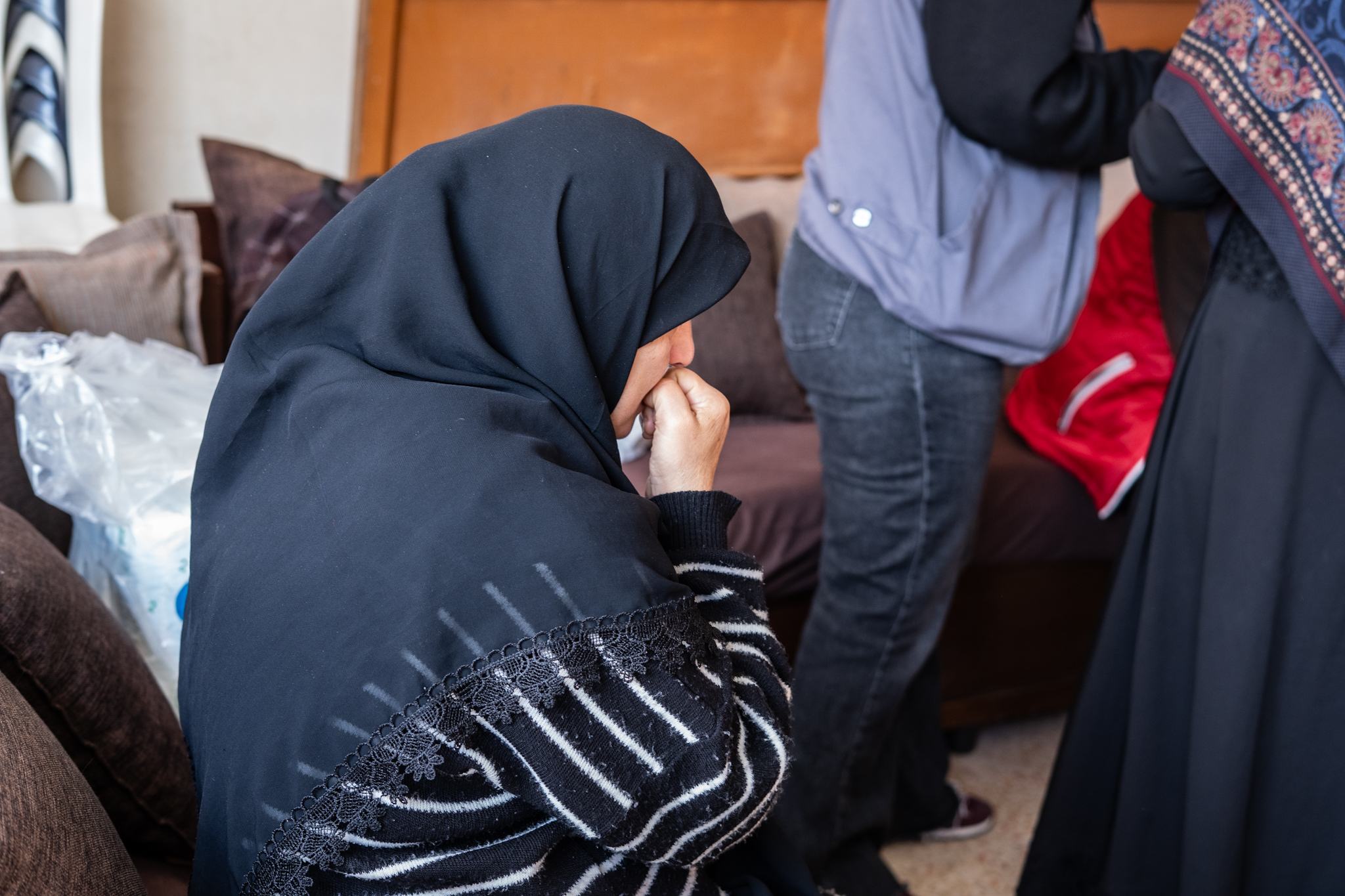
Already marginalised groups such as Syrian refugees, domestic workers and other migrant workers, many of them from African and South and Southeast Asian countries, are further excluded from aid systems designed for displaced Lebanese.
Myriam, a woman in her forties from the eastern city of Baalbek, a Hezbollah stronghold, arrived in Beirut after losing everything in the autumn 2024 war. Today, because she "wants to give back what she received during the last war", she hosts around 15 people in her apartment. After the recent bombings of Dahieh, two Syrian friends—one with seven children, the other with five—sought refuge with her.
"I spend my days trying to help them. I knock on doors asking for clothes, food and medicine," she says. Nada, one of the mothers, whose baby is three months old, says there are shortages of everything. "I don't have diapers or milk. I give him sugar water."
Despite also being victims of the Israeli offensive, the two women have no access to shelters because they are Syrian. They have been told to "go back home", to a country they have not set foot in for years. "The real question," says Faour, "is whether people are excluded for genuine security reasons or because of where they come from… and the assumptions attached to it."
© Qantara.de