Fighting to preserve Lebanon's wine tradition
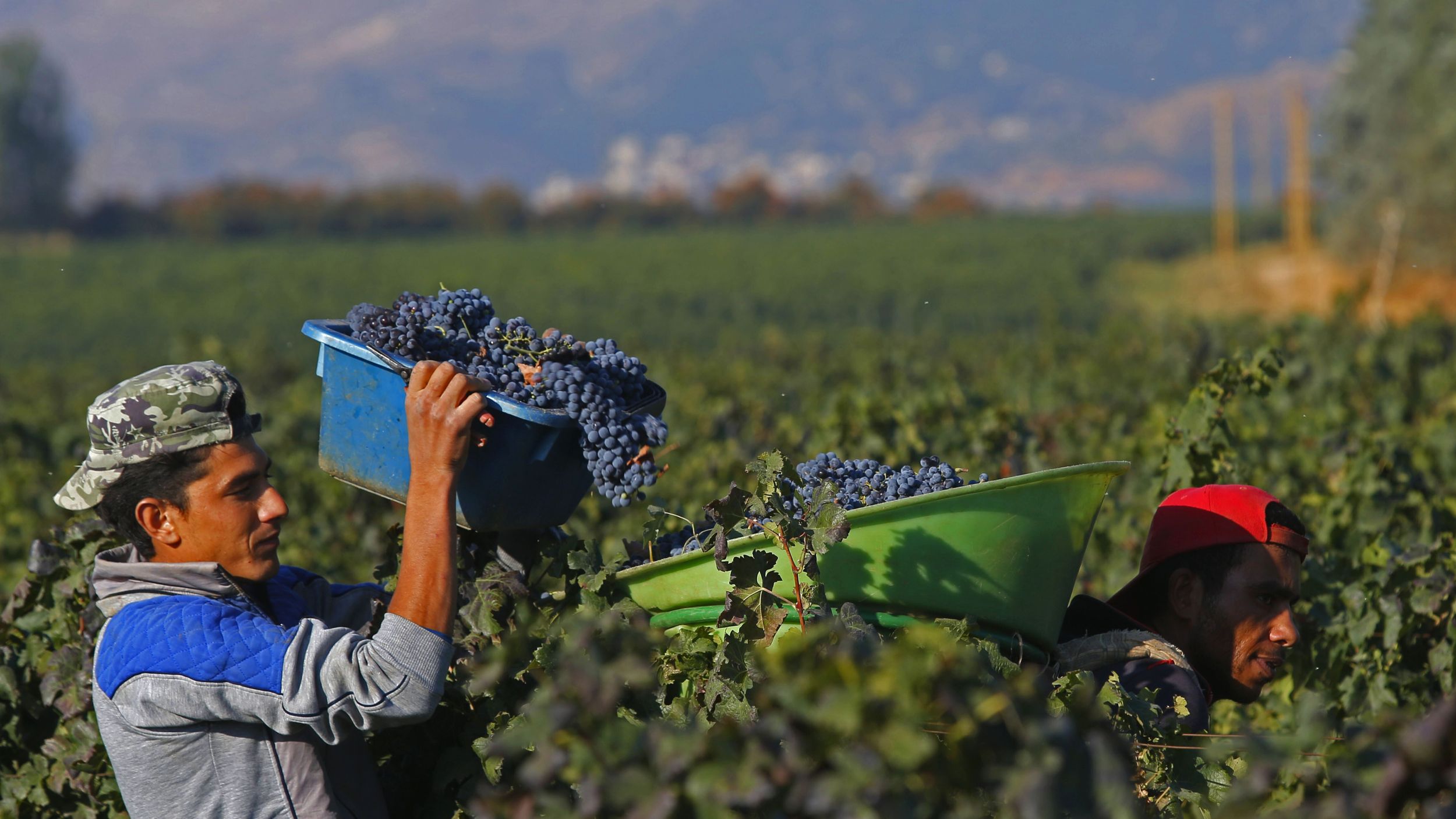
"This is a message from Lebanon", winemaker Maher Harb of Sept Winery called out in visible frustration in an Instagram video that went viral in April, as Israeli missiles fell across Lebanon. "While many of our fellow winemakers are living in peace, travelling, pouring, meeting at fairs, we here in Lebanon are working in uncertainty and danger, in a place where tomorrow is not promised. We need the world to hear us."
Harb described a reality of war and uncertainty, but his story is also one of return to the homeland. In 2010, Harb, now 46, left a promising career in banking in France to return to his grandfather's lands in Batroun, northern Lebanon, to revive the family's land and build a winery.
"After years in finance, I became a farmer", he tells Qantara. "I lived in France for many years, where I learned a lot about wine. But I felt something was missing. I needed to reconnect with my identity and heritage, and commemorate the memory of my father, who was killed in the civil war. I thought I could make good wines in the unique terroir of Lebanon."
Around the same time, Eddie Chami of Mersal Wines was taking a similar path. He left Australia, where he was born and raised by Lebanese parents, to return to the vineyards his grandfather had planted in the Beqaa Valley.
"My grandfather was getting old, and no one was taking care of the land because we were all in Australia. I thought it was my obligation to come back and cultivate the land. My dad taught me how to make arak when I was 18. I then studied wine academically and thought that with the special Lebanese terroir and grapes, usually used to make arak, I could produce great wines and preserve my family identity and legacy at the same time."
Returning home, seeking customers abroad
Across several conversations with winemakers, all of whom were Lebanese Christians, the theme of returning home kept surfacing. "There is an element of duty in preserving the land", says Marc Hochar, a third-generation member of an established winemaking family, who also left a banking career in London and Paris to return to Lebanon and join the family business at Château Musar, one of Lebanon's most internationally renowned wineries.
Château Musar was established in the 1930s by Hochar's grandfather, who began selling wine to French soldiers stationed in Lebanon. The winery sold primarily to the local market until the mid-1970s, when the outbreak of the Lebanese Civil War (1975-1990) pushed the family to seek markets abroad.
"[Local] sales decreased, and we had to look outwards," Hochar recalls. The move into export markets, particularly the UK, helped establish Château Musar's international reputation and foreshadowed a strategy that many Lebanese wineries later adopted.
The postwar that never was
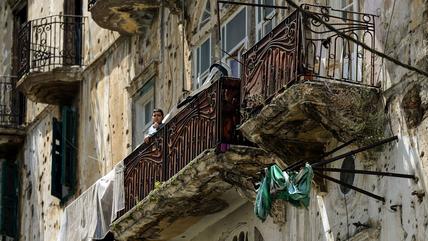
Fifty years since its outbreak, Lebanon's Civil War continues to shape its society and political system. The postwar era has been marked by violence, foreign occupation, political paralysis and economic crisis—raising the question: did the war ever truly end?
If exports helped Château Musar navigate the civil war and the chaotic decades that followed, they have become an even more decisive factor for a younger generation of winemakers. Those who returned to re-establish family vineyards have found themselves confronting excruciating challenges: an economy in shambles, currency devaluation, recurring wars and a shrinking domestic market.
Following the 2019 financial crisis, the Lebanese pound lost approximately 98% of its value, reducing local purchasing power while dramatically increasing the cost of imported bottles, cork stoppers, labels and winemaking equipment. The 2020 Beirut port explosion further disrupted the industry, destroying the offices of Château Ksara, an acclaimed winery established by French Jesuit monks.
If the connection to the land brought many Lebanese winemakers back home, survival has increasingly depended on finding customers abroad. Lebanon's wine industry has continued to expand its international reach, with exports rising even as overall production has declined.
In 2020, around 50% of Lebanon’s wine production was exported to more than 35 countries, with the UK, France and the US among the main markets. In value terms, exports grew from $6.6 million in 2001 to nearly $17 million in 2020, according to the Ministry of Economy. Meanwhile, total production fell from a peak of around 33,000 tons in the late 1990s, according to some estimates, to roughly 10,000 tons in 2020.
"People want to show support for Lebanon"
When war in Lebanon escalated again in March 2026, some wineries rushed to sell their stock locally after years of preferring to export, seeking to shield themselves from the risks posed by unstable shipping routes.
Maher Harb chose a different path: "I wouldn't agree to sell my bottles at a devalued price in the local market. It simply doesn’t make financial sense for me. This understanding led me to focus much more on exports." Chami adds that “although the war disrupted shipping routes and hampered logistics, foreign sales proved a far more reliable source of income for us."
"Export is not an option for us. Rather, it is a necessity," says Elie Maamari, export manager at Château Ksara, adding that exporting from Lebanon has become significantly more difficult since the recent war. Heightened security tensions have driven up costs for local wine producers: higher insurance rates, limited shipping routes through Lebanese seaports and rising transportation costs. Tourism, once an important source of revenue for Lebanese wineries, has also declined as foreign visitors remain wary of travelling to the country.
Despite these challenges, Château Ksara's exports have continued to grow. Maamari says that overseas shipments increased by around 70% during the latest war as international importers sought to secure supplies amid concerns that future deliveries might be disrupted.
Maamari also observed a growing sense of solidarity among international consumers. "People want to buy our wines to show support for Lebanon," he says. "Maybe that is the only thing we have achieved in this war."
Oliver Harb, a Berlin-based wine trader of Lebanese descent who specialises in importing Lebanese wines, confirms Maamari's claims about international buyers stocking up on Lebanese wines "even though major ocean freight companies update their shipping rates daily and prices are skyrocketing".
He emphasises: "not only does the industry depend on export to survive, but Lebanese wine is an integral part of the Lebanese-Christian identity, which is important to all these winemakers, after years of turmoil."
Or as Maher Harb concludes in his video: "We are still here, making wine with indigenous grapes and knowledge passed down through generations. Not because it is easy, but because it is who we are."
© Qantara.de