Too hot for class
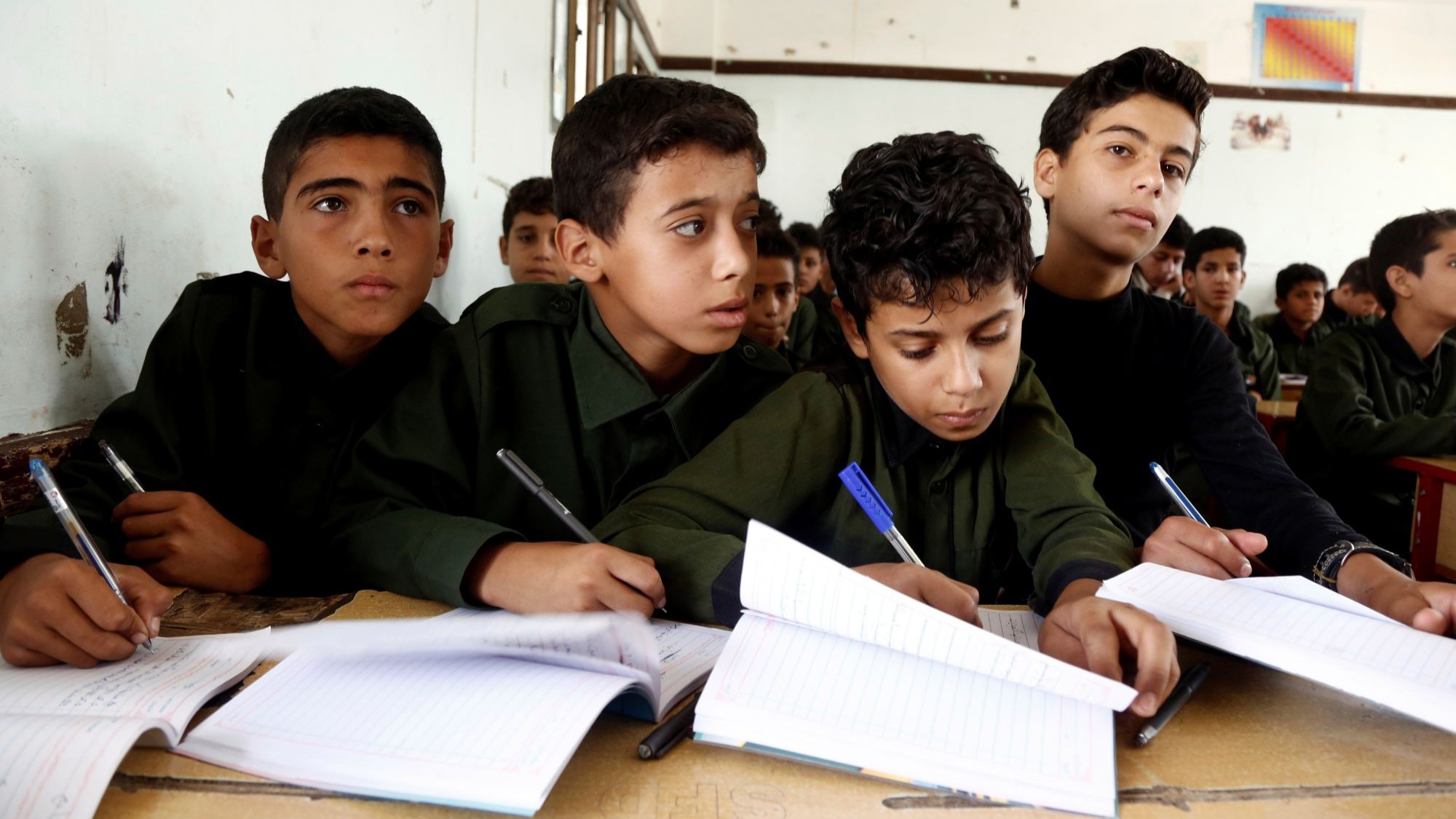
Sultan Awlah, 12, undertakes a gruelling daily journey to reach his school. He must walk more than 8 kilometres from his home in Deir Al-Sheikh village, in the coastal governorate of Hodeidah in western Yemen, facing harsh weather conditions ranging from scorching sun to sudden heavy rain.
The conditions once he reaches the school are not much better. Sultan, who is in the sixth grade at Abdullah Ibn Al-Mubarak School, finds himself in a crowded classroom without ventilation or air conditioning. He says: "I force myself to attend for fear of losing the school year. But staying inside the classroom in this heat and humidity exhausts us. And when it rains, the situation becomes even more difficult, due to the school's fragile infrastructure."
In areas controlled by the Houthis, students began the current academic year on 20 June, right at the start of summer. Their peers in areas under government control began their academic year on 31 August, with the onset of autumn.
Adopting the Hijri calendar
The suffering has recurred yearly since the Ministry of Education, affiliated with the Ansar Allah Houthi group, which controls the capital Sanaa and a number of governorates in northern and western Yemen, decided to adopt the Hijri calendar for the programs and activities of official institutions—including educational activities—instead of the Gregorian calendar previously used. The authorities justified the adoption of this calendar as part of their effort to "cement Mohammedan identity in state institutions."
The last bastion of beauty
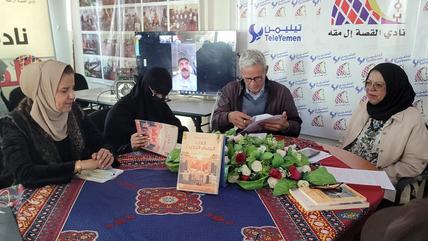
Yemen's cultural scene has been hard hit by years of war, but not completely silenced. While many writers and intellectuals have left the country, the small literary club Alamaqah remains active, a testament to the resilience of Yemeni culture.
This decision has caused school schedules to change every year, by virtue of the Hijri year being shorter than the Gregorian year by about 10 to 11 days. For example, the start of the academic year in the first year of Hijri implementation coincided with the end of July 2022; this year it began on June 20, about 40 days earlier than its date in 2022.
Educators and activists on social media accuse the Houthi-affiliated Ministry of Education of ignoring the negative effects of the policy, despite repeated calls to reconsider it and adopt a more stable system that aligns with modern educational requirements.
Yemen suffers from an administrative and political division deepened by the war ongoing since 2014, following the Houthis' takeover of the capital Sanaa and several areas in the north and west of the country. The internationally recognised government still controls the south and east of the country.
An official in the Educational Guidance Department at the Ministry of Education in Sanaa, who wished to remain anonymous for security reasons, told Qantara that objecting to these decisions is not possible. He said: "The authorities deal with any complaint as hostility, coup, and rebellion. We follow any decision even if it negatively affects the citizen."
Ammar Ali, a 58-year-old teacher at a school in Hajjah governorate in western Yemen, describes the suffering inside schools: "The harsh heat and humidity negatively affect students' concentration and academic performance, which is directly reflected in their achievement amid the absence of any psychological or social support."
He points out that starting school with the autumn season is more suitable for students, as it spares families and students the additional expenses imposed by high temperatures and humidity during the summer months. He notes the challenges facing the educational system due to the ongoing war, such as dilapidated infrastructure and a lack of basic services, along with the years-long delays or cuts to teachers' salaries.
Health repurcussions
Yemen is one of the countries most vulnerable to climate change in the world, facing severe climate shocks such as floods, drought, and rising temperatures. According to the 2025 United Nations Development Programme report, these conditions cause damage to schools through flooding, while displacement uproots children from their classrooms. Meanwhile, about 18.3 million people in Yemen face acute food insecurity, as climate change intersects with conflict, economic deterioration, and disruption of livelihoods, according to the United Nations Humanitarian Response Plan for 2026.
Dr. Tamim Al-Nahari, a pediatric consultant at Al-Thawra General Hospital in Ibb governorate in central Yemen, warns that overcrowded classrooms, high humidity and weather fluctuations exacerbate rates of respiratory infections and skin diseases, while floods and rains, combined with a lack of adequate sewage networks, increase the risk of intestinal infections resulting from water and food contamination.
Al-Nahari explained to Qantara that young children and those with chronic illnesses are the most vulnerable group and most susceptible to health setbacks. He stressed the lack of coordination between the health and education sectors to ensure a safe school environment.
Iman Saleh, mother of a fourth-grade student in Al-Dhale governorate, said: "We endure the most bitter hardships to ensure our daughter's education continues: the burdens of school supplies and rural work on one hand, and climate fluctuations on the other."
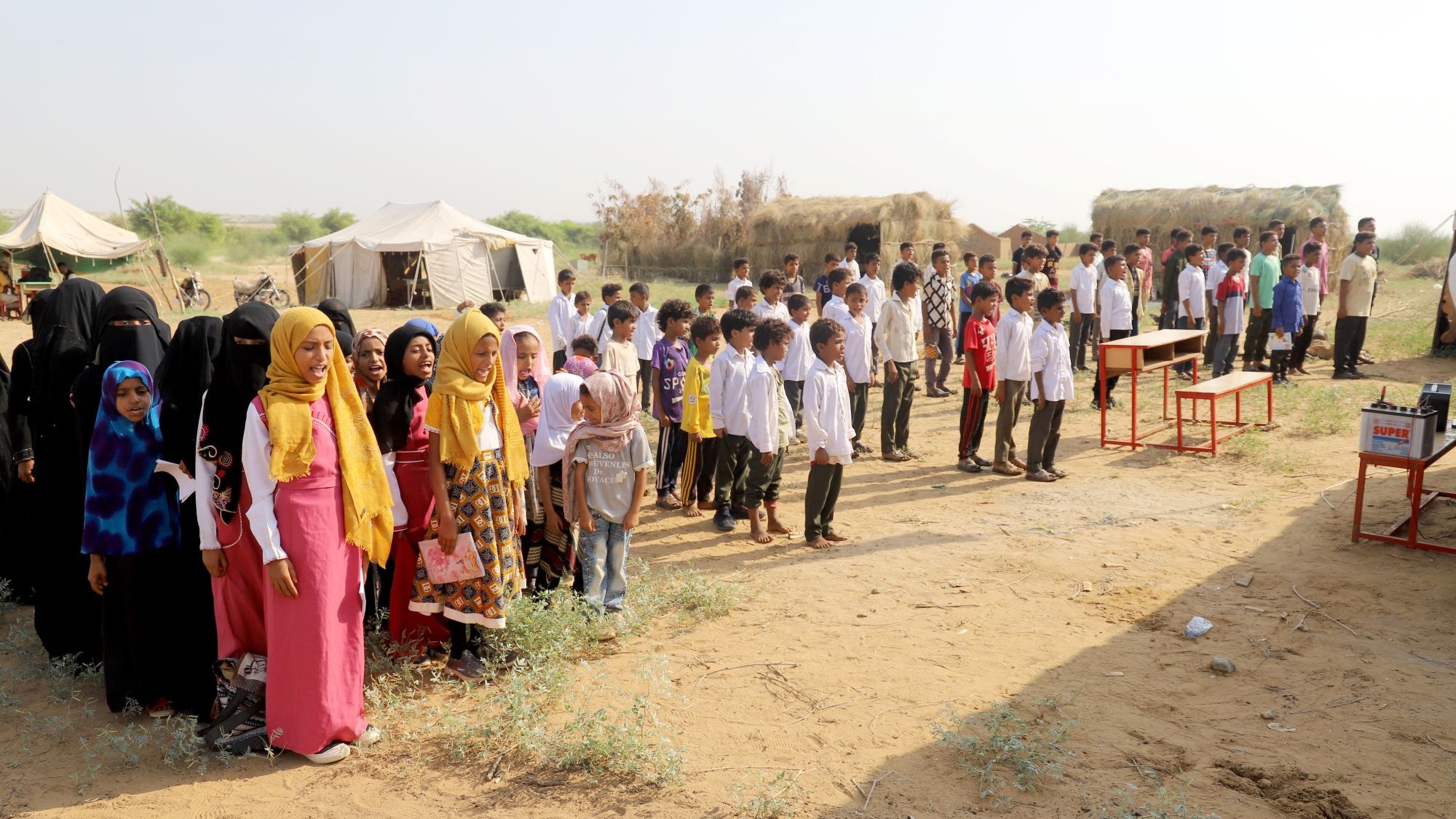
She adds that the roads leading to the schools are dirt tracks on rough terrain, and as soon as it rains they turn into slippery, muddy paths, "forcing my daughter to endure a gruelling walk, from which she returns soaked in water and mud—leading to her getting sick with every new season."
Saleh's family, like many families in rural areas who depend on farming and livestock herding for their income, is forced to provide school supplies and textbooks amid shortages in schools, in addition to extra clothing for their children, and to bear the costs of treating illnesses that may afflict them as a result of walking on the wet, muddy roads.
Climate changes pushes up dropout rates
The problem doesn't stop there. Persistent drought and shifting rainfall patterns have contributed to declining agricultural production, increasing economic pressures on the most vulnerable families. As the school year start date now coincides with the peak of agricultural activity and livestock herding, many families are forced to withdraw their children from classrooms and employ them in the fields, deepening the school dropout crisis and contributing to falling literacy rates.
Child labour in Yemen remains a major challenge, with 12.5% of children aged 5 to 14 being engaged in work. This percentage rises to 15.4% in rural areas, according to findings issued by the Central Statistical Organisation in Yemen in cooperation with the United Nations Children's Fund (UNICEF) in 2025. Statistics also estimate that there are 3.2 million school-age children out of school.
Yemeni lawyer Ayad Al-Khalidi tells Qantara that the absence of regulatory frameworks requiring educational institutions to establish student protection protocols deepens the crisis. He explains that families also lack mechanisms that would allow them to request the postponement of school dates to avoid peak heat and flooding, without fear of punitive measures against their children. He stresses that aligning the school calendar with the changing climate has become an urgent humanitarian and legal necessity to protect this and future generations.
This is an edited translation of the Arabic original. Translated by Basyma Saad.
© Qantara.de