A vivid record of life before the war
Topics
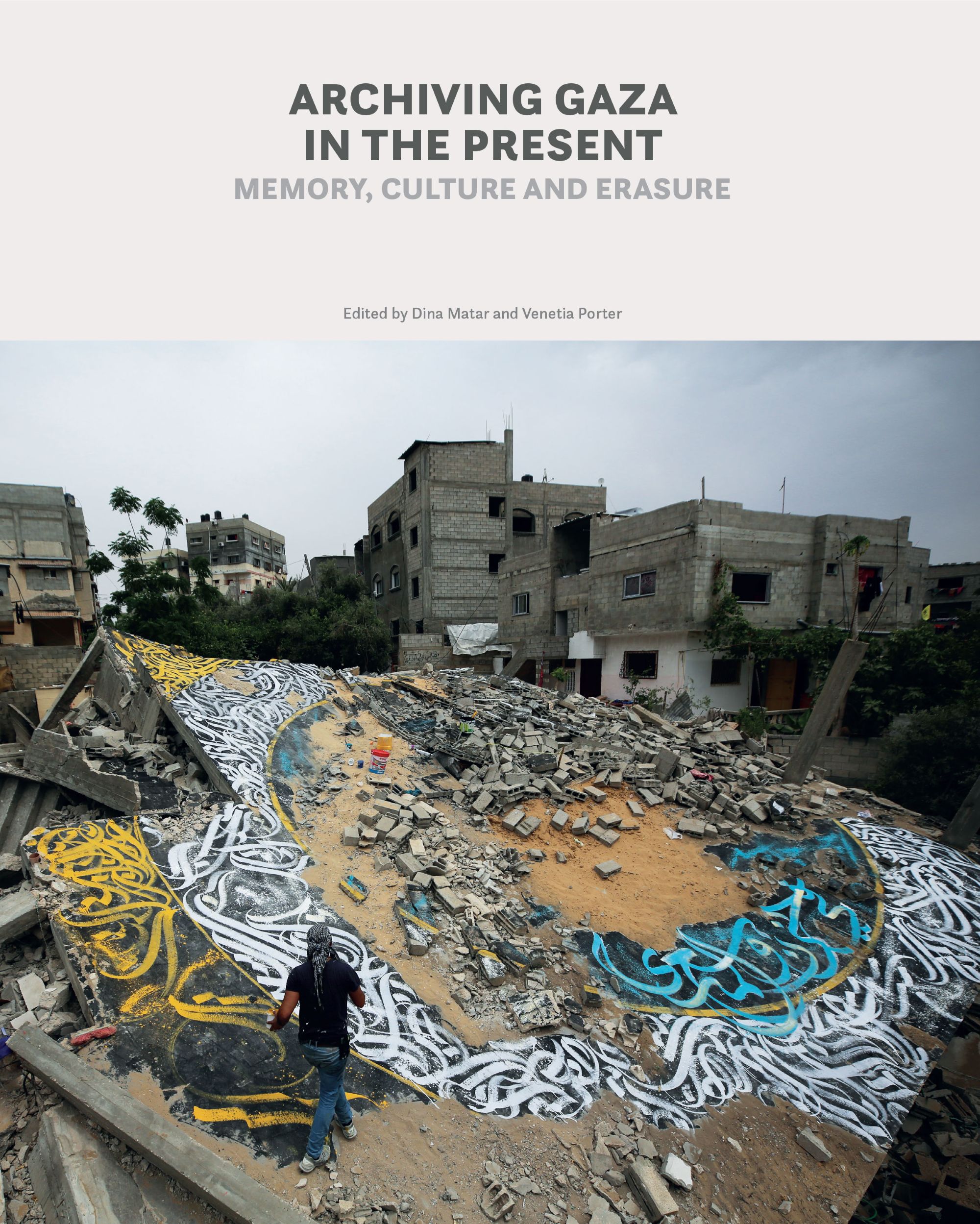
The pages of "Archiving Gaza in the Present: Memory, Culture and Erasure" take you back to Gaza before the latest war. You can hear, see, touch and even smell the Strip: its galleries, its artists, buildings, historical sites, literature, poetry, universities and films. You emerge from this journey carrying within you a complete collective identity of a cultural community that has been largely erased by war.
The book, edited by Palestinian academic and author Dina Matar and British curator Venetia Porter, brings together voices from Palestine and beyond—artists, architects, journalists, lawyers and researchers—to reveal hidden stories, some of which are unknown even to people in Gaza. It does so through a wide range of writing, varying greatly in form and quality, a characteristic that both distinguishes the book and constitutes one of its shortcomings.
Contributions from non-Palestinian writers enrich the book without slipping into orientalism. Published in English by Saqi Books, the work remains deeply rooted in its local reality and universal in its communication of human pain, giving it lasting relevance and placing it among the most important books on Gaza.
The book opens with an introduction that frames archiving as an act of resistance against the erasure of memory. This perspective is sustained across its chapters, which unfold at pace, resembling a hastily screened film reel cataloguing what remains of Gaza's landmarks as it is destroyed.
Archiving against erasure
The first chapter presents a rich panorama of visual art in Gaza as a form of resistance, through essays that combine critical analysis with personal experience. It situates Gazan art within its political and social context, examines the impact of the blockade over the past 19 years and highlights the Eltiqa and Shababeek collectives as models of collective artistic production. The inclusion of images and artworks strengthens the narrative, tracing the trajectories of artists in Gaza and across the diaspora.
The chapter's strength lies in its deconstruction of the prevailing assumption that war suffocates creativity. Instead, it documents hundreds of cases in which a diverse range of media has been used as tools for expression and survival.
The chapter does suffer slightly from repetition of names and themes, as well as overlapping texts. It could have been condensed into a single, more tightly constructed essay. The repeated appearance of the same artists across multiple texts weakens the rhythm and burdens the narrative with intersecting historical accounts. It also results in a clear marginalisation of women artists from Gaza, one that reflects the patriarchal structure of the art scene more than the reality of creative production itself.
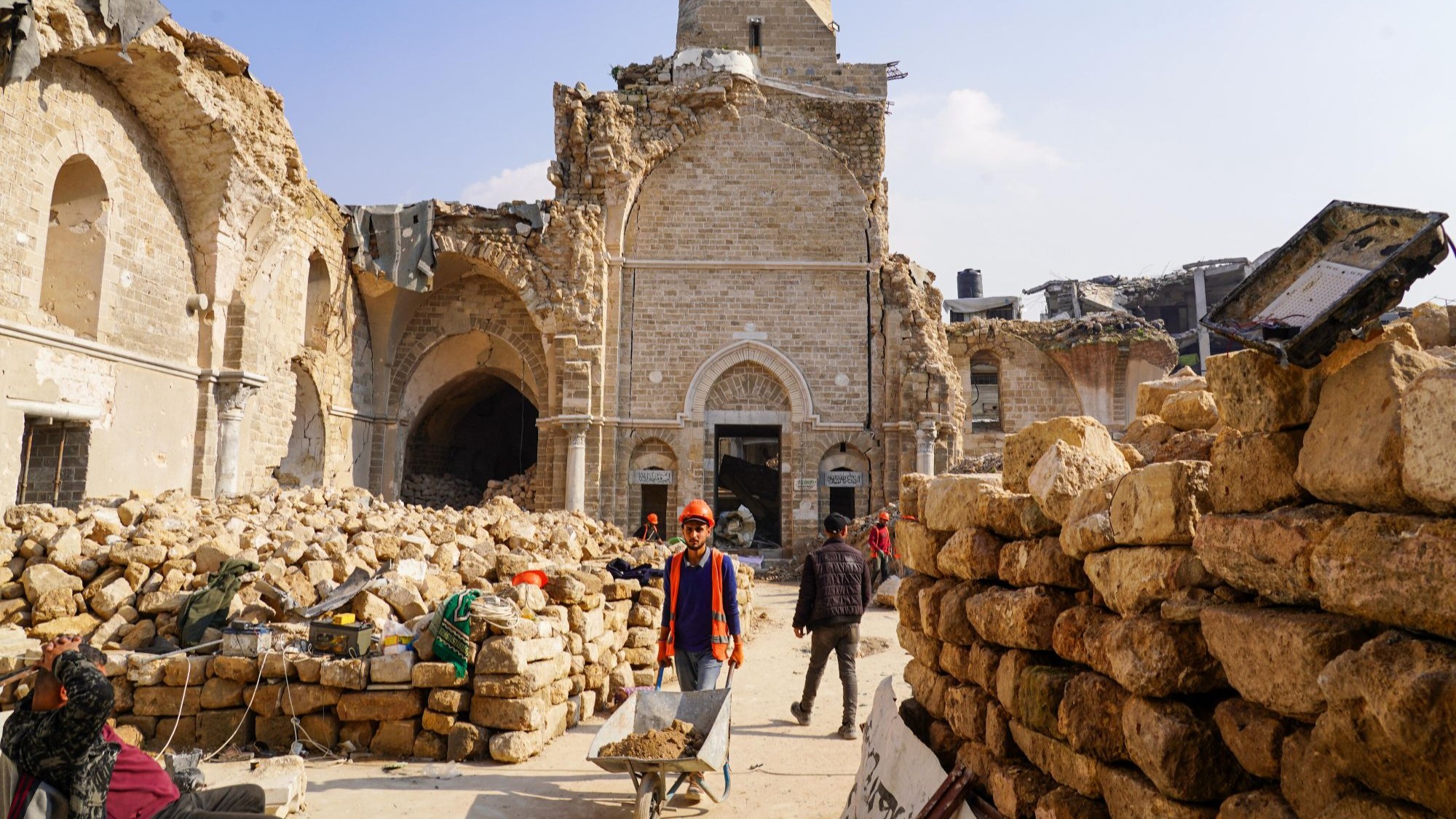
The second chapter introduces a striking depth of knowledge, assembling historical detail on Gaza's archaeological and architectural heritage that rarely appears in widely circulated writing. It traces early archaeological discoveries, including the unearthing of a large statue of Zeus in 1879, before documenting Israeli looting and illegal excavations since 1967, alongside efforts to protect heritage sites during the Palestinian Authority period.
By foregrounding this material, the chapter highlights Gaza's civilisational richness and underscores the importance of these historical accounts in affirming Gaza's right to its own history in the face of ongoing attempts at erasure.
The chapter also includes testimony by Swiss archaeologist Marc-André Haldimann, who recounts the rescue of 530 archaeological artefacts and their transfer to Geneva in 2007. These items would later become the sole survivors of Gaza's archaeological museum, which was destroyed during the war.
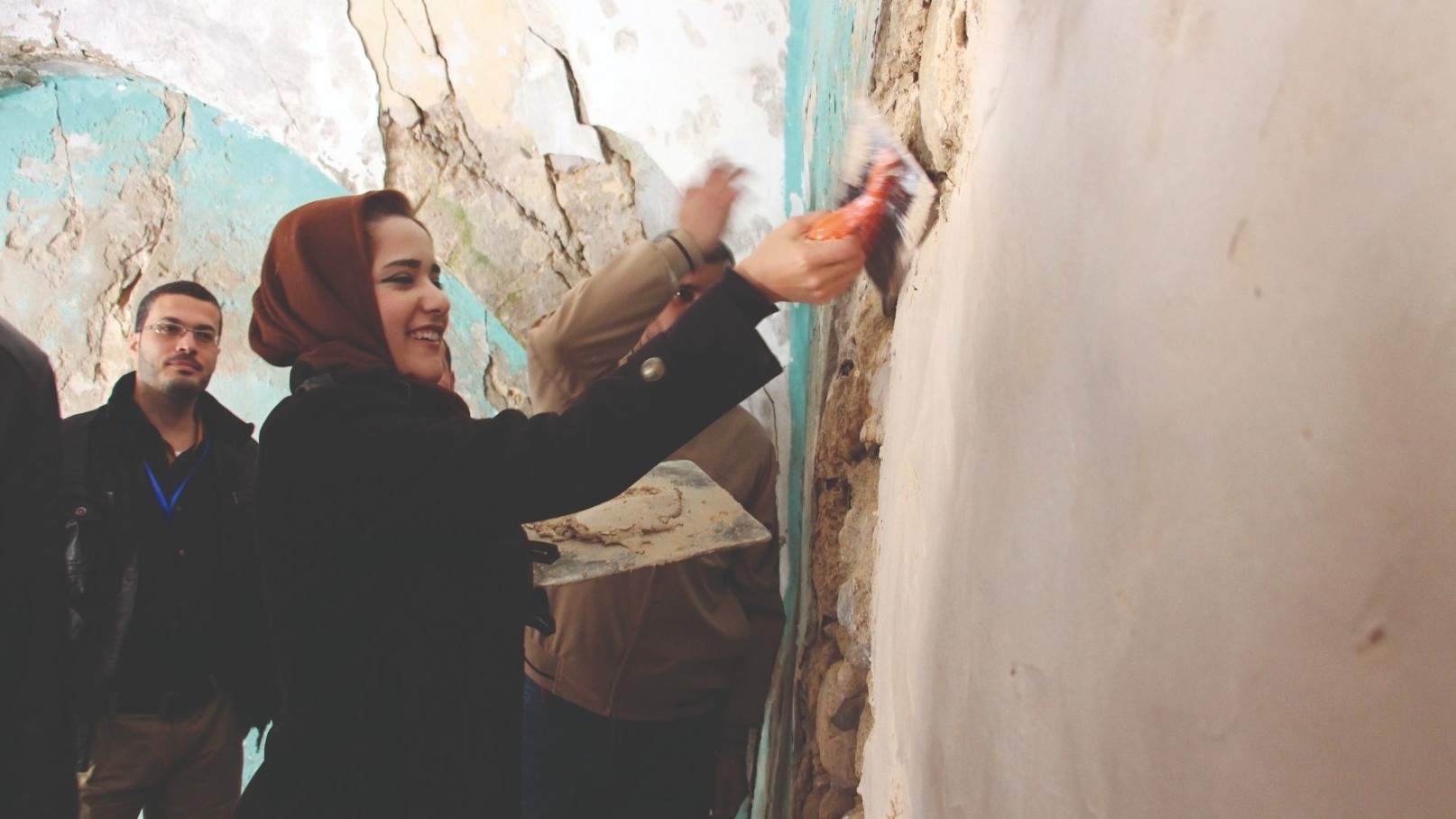
Archaeologist Fadel al-Utol adds a human dimension, telling the story of how he and his family survived the war, the loss of the archaeological sites to which he had devoted his life and his eventual exile. He now works with Gaza's antiquities in Geneva.
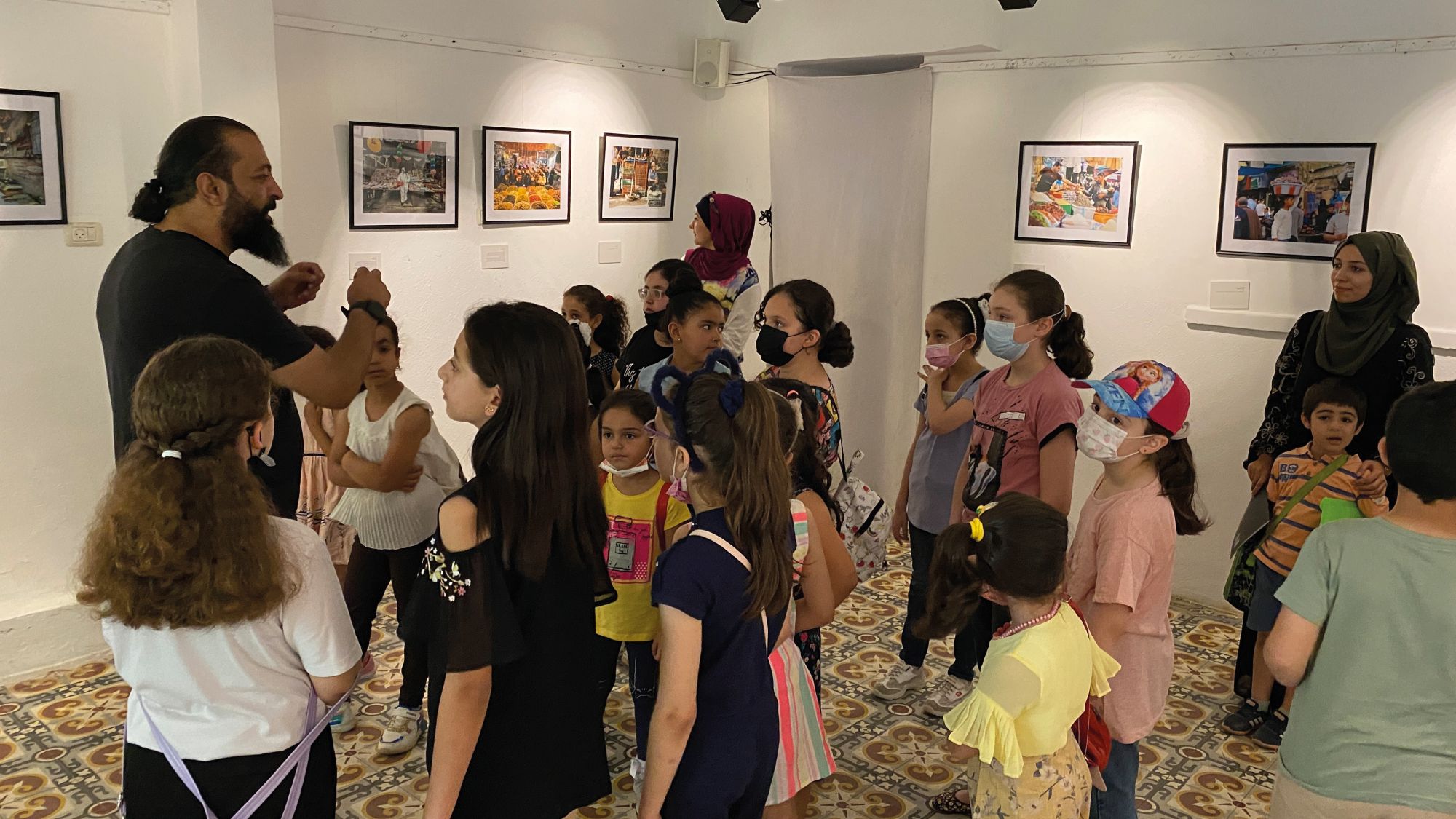
The third chapter focuses on museums, cultural centres and archives. It opens with a text by Omar Al-Qattan, a founding member of the A.M. Qattan Foundation, who offers a clear analysis of the war and discusses the destruction of the Qarara and Rafah museums, as well as the killing of dozens of artists and cultural workers. The chapter includes powerful testimonies about the destruction of Gaza's libraries and the historic Al-Saqqa House, a significant cultural landmark until its destruction by Israel.
The chapter also turns to visual memory through the archive of Armenian photographer Kegham Djeghalian, who documented Gaza for four decades, building an archive that his grandson is now working to preserve.
A history of Gazan aviation
The fourth chapter offers a selective overview of Gazan literature and film, despite the existence of a highly active literary and cinema scene. This scene was formed by individuals and initiatives who have resisted occupation, siege, stereotyping and Islamist dominance since the Fatah-Hamas conflict in 2006.
The chapter limits itself to presenting a small number of literary texts and a single cinematic project, "From Ground Zero", which includes 22 short films shot inside the Strip during the war, under the supervision of Rashid Masharawi.
This leaves out many of the experiences and names that shaped the scene before the war, including poets and filmmakers who later lost their lives. It reflects the book's tendency to cover a little of everything rather than to focus on and closely examine the work of the cultural scene's most important figures. This approach stems from both an urgency to preserve and a fear of erasure during a war at its height while the book was being written. While the circumstances were undeniably sensitive, the chapter's superficial treatment remains a clear weakness.
There are, however, several excellent essays on other topics in the chapter, most notably "Airmindedness" by Singaporean researcher Chin-Chin Yap. Yap rewrites the history of aviation in Gaza and Palestine, tracing developments from the first Ottoman airport in 1917, to Gaza's role as a central hub in British imperial aviation, to the founding of Palestinian Airlines, the destruction of Gaza Airport in 2000, and Israel's complete control of the airspace, transforming the sky into a militarised domain.
The chapter also includes an essay on social media content, in which cultural heritage archiving specialist Ghada Dimashk explains how the war redefined methods of recording conflict. For Dimashk, the centrality of social media, which simultaneously captures both local realities and global symbols of solidarity, has expanded the concept of digital archiving.
Music as an act of joy
The final two chapters, "Law, heritage and life" and "Looking forward", revisit issues raised earlier, but from legal and future-oriented perspectives, with a clear emphasis on international accountability.
In "Law, Heritage and Life", international law researcher Joanna Oyediran traces the trajectory of looted Gaza antiquities since 1967, including 23 coffins and 10 lids from the Canaanite cemetery in Deir al-Balah, as well as a Byzantine church mosaic discovered south of the Rimal neighbourhood in Gaza City in the 1960s. She highlights the risks posed by Israel's control over both archaeological artefacts and the broader historical narrative.
The chapter also includes a uniquely powerful documentation of daily life during the war in the essay "No One Will Believe What the Survivors Will Say" by researcher Caitlin Procter. The piece is based on private WhatsApp and Telegram conversations with friends and acquaintances in Gaza. It's a fragile, intimate and vivid portrait of what the people of Gaza have endured.
The final chapter, "Looking Forward", opens with an essay by writer and academic Atef Alshaer on Gaza's songs and poetry during the war. It focuses on religious and resistance-oriented singing, while overlooking forms of musical expression that reflect human experience beyond the themes of conflict and identity. It also neglects that singing in Gaza was an act of life and joy, and that these forms of music were not opposed to steadfastness or patriotism.
The anthology's persistent focus on documentation does not lessen the weight of loss; rather, it places the reader in direct confrontation with it. The book concludes with a poetic text by Mahmoud Darwish that restores Gaza to its symbolism as a wounded, targeted place worthy of love, leaving readers with a memory that can only be understood as loss.
Reading this work was a form of psychological torture; a harsh return to pre-war Gaza, to a cultural and artistic life that is lost forever. To people, intellectuals and ordinary citizens who will never meet again on this land. It replays life before the war frame by frame, now only a memory, leaving a central question: how can a country, a history and a collective memory be wiped out in less than two years?
"Archiving Gaza in the Present: Memory, Culture and Erasure"
edited by Dina Matar and Venetia Porter
Saqi Books
November 2025
This is an edited translation of the Arabic original. Translated by M. Taylor.
© Qantara.de