A distinctive and enduring Ramadan tradition
Topics
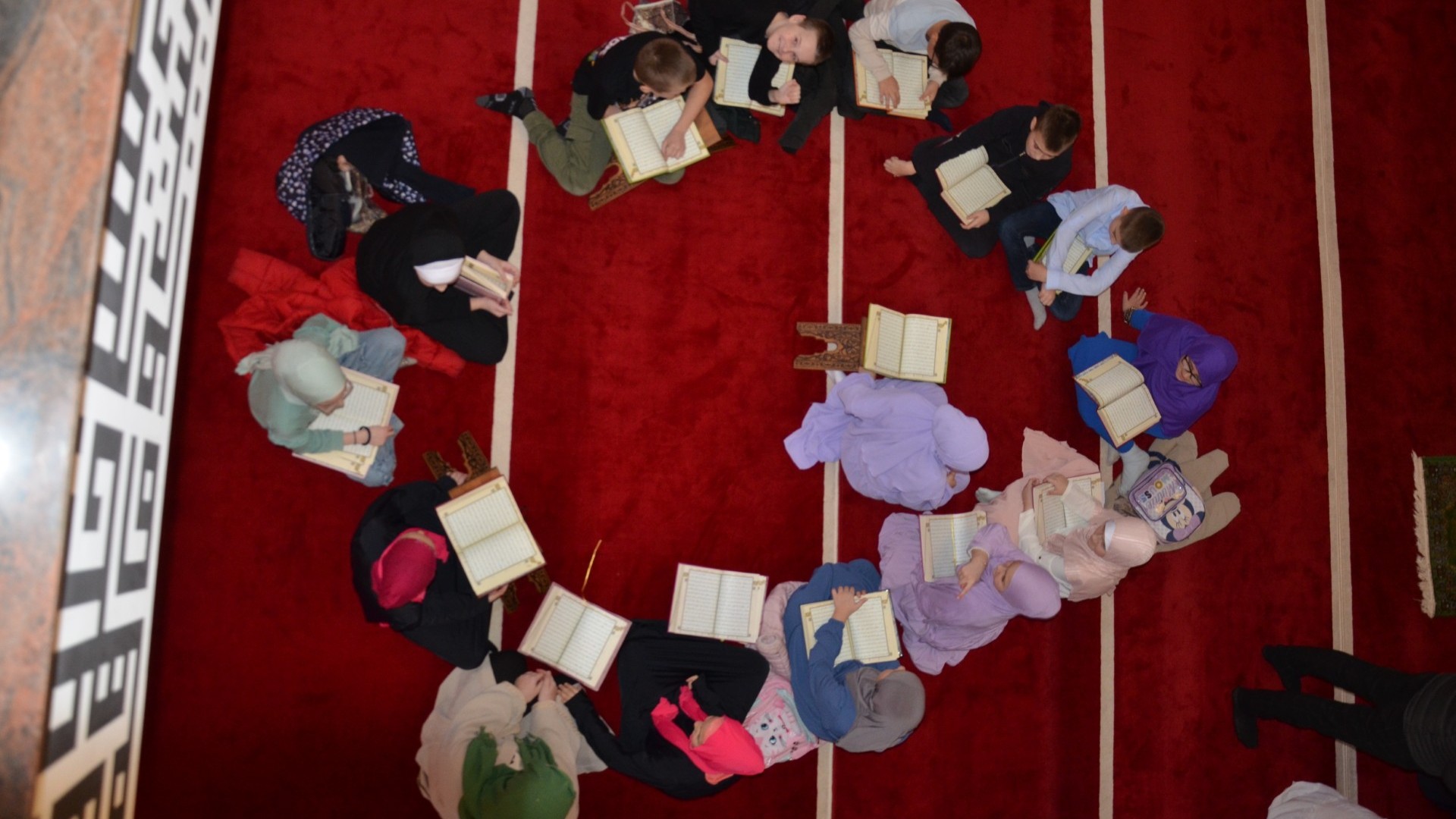
"Tilka... ar-rusul faddalna... badahum... ala bad." With a trembling voice, nine-year-old Hamza recites the Qur'an. He is hesitant, perhaps overcome by stage fright. It's no wonder: alongside his peers at the local mosque in the Hotonj neighbourhood of Sarajevo, the audience includes elders, his parents and neighbours, all listening carefully to his recitation.
It is the third day of Ramadan. In the Hotonj mosque, as in almost every mosque across Bosnia and Herzegovina and in Bosniak communities worldwide, the third juz (part) of the Qur'an is being recited. This practice is known as mukabela, the communal recitation of the Qur'an, where imams, hafizs (those who have memorised the Qur'an) and students gather daily to recite one juz aloud.
"Come on, Hamza, no stumbling. Connect the words smoothly. Slowly, just as we practised," the imam, Salih Ćato, encourages. With newfound confidence, Hamza continues to the end of a verse from Surah Al-Baqarah, before passing the recitation to his friend Ibrahim. After Ibrahim, it will be passed to all the other students of the mekteb (religious school).
By the end of Ramadan, they will have completed all 30 juz of the Qur'an, an accomplishment known as hatma. Whether held at dawn, noon, or in the afternoon, these recitation sessions are followed closely by the faithful.
"We have the 'official' mukabela where experienced reciters lead, but ten years ago, I introduced this children's mukabela," says Imam Ćato. "Children who are learning the Arabic script recite one part every day. We invite their parents to listen, to see what their children have achieved in mekteb and to earn spiritual rewards (sevap) by listening to the word of God."
He notes that nothing brings him more joy than seeing his former pupils return as successful adults and university students to listen to the mukabela and support their young successors.
According to Islamic tradition, mukabela originated in the practice of the Prophet Muhammad (PBUH), who would recite the Qur'an before the Archangel Gabriel every Ramadan.
"From this prophetic practice, a custom of collective Qur'anic recitation developed over centuries, taking various forms. What makes the Bosnian mukabela particularly special is the presence of the faithful, who attend these sessions with deep devotion, following the recitation word-for-word in their own copies of the Qur'an," explains Elvir Duranović, from the Institute for Islamic Tradition of Bosniaks in Sarajevo.
The word mukabela derives from the Arabic muqabala, which in modern Arabic commonly means "interview." Historically, the term has also carried meanings such as "comparison", "meeting" or "alignment", according to Duranović. Beyond the practical repetition of the text, mukabela represents a spiritual alignment with the Qur'an and a reflection on one's personal relationship with faith.
While the exact origin of this specific form is hard to pinpoint, it was widely present during the Ottoman era. Unlike in other Islamic centres such as Cairo or Istanbul, mukabela became a massive grassroots phenomenon in Bosnia.
"The reason was practical," Duranović notes. "In the Ottoman era, copies of the Qur'an were rare and expensive, owned only by wealthy families or mosques. Ordinary people couldn't read it themselves, so mukabela was established so the common folk could at least hear the divine word."
Through communism and war
Mukabela survived decades of communist rule in Yugoslavia, when religious activities were viewed with suspicion. "In the 1950s, the authorities mandated that all religious activities be confined strictly within mosque walls," says Duranović. "Paradoxically, this strengthened the role of mukabela as a central social and religious event during Ramadan. It became the heartbeat of the community."
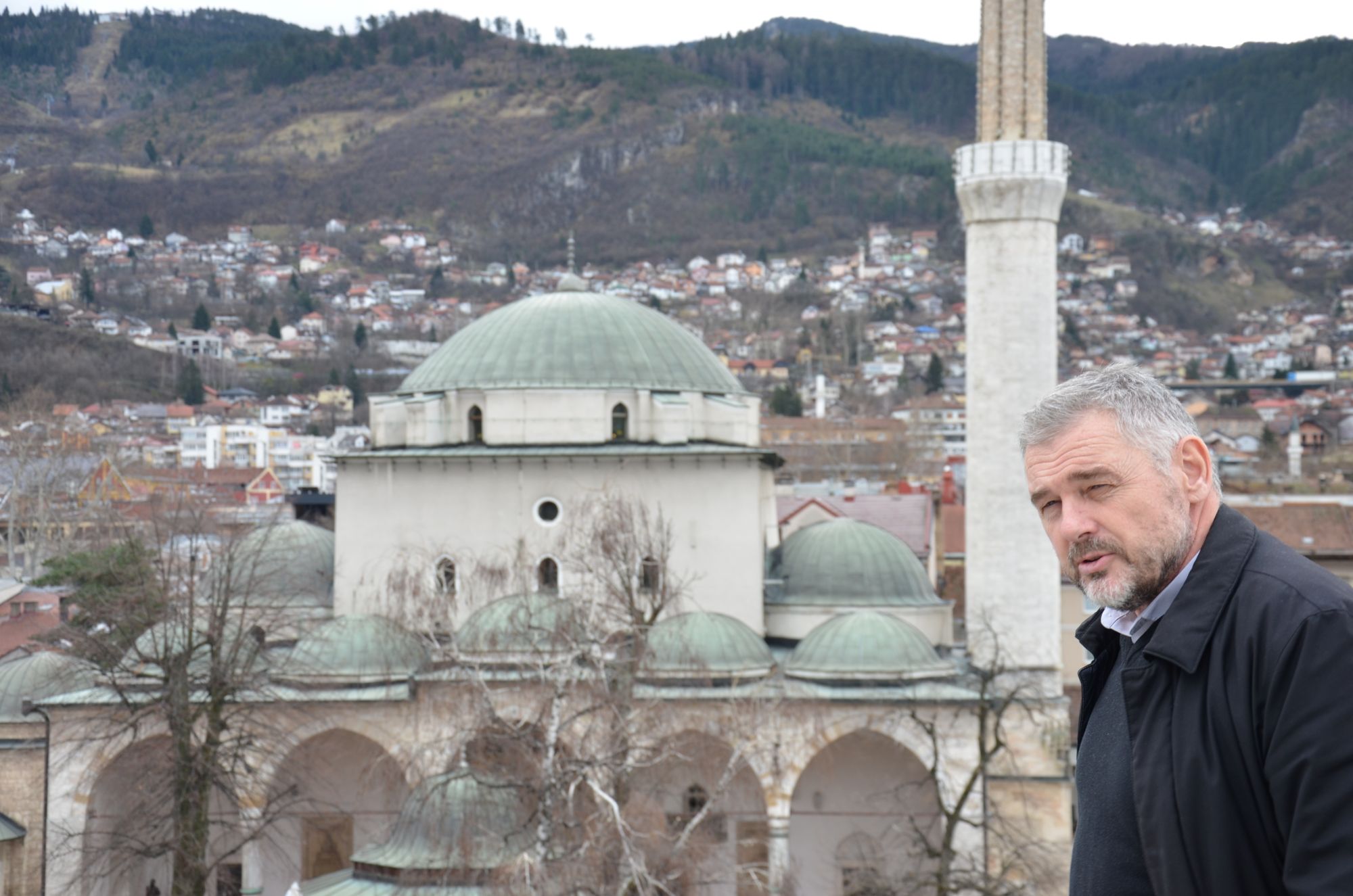
Much of the credit for the preservation of the tradition goes to Gazi Husrev Bey, the Ottoman sanjak-bey (governor) of Bosnia, who founded a mosque, library and madrasa in Sarajevo that formed the foundation of religious education in the country.
"The Bey's Mosque is the source; its school and rites have continued without interruption for nearly 500 years. Everyone who aspired to become an imam, a judge (qadi), or a religious teacher came to Sarajevo for their education. Here, they learned the customs and the precise order practised at the 'centre,' and like seeds, they carried these traditions back to their towns and villages throughout Bosnia," explains Duranović.
Today, mukabela has evolved. There are sessions specifically for women and youth, as well as broadcasts on TV and YouTube. However, the Hafiz Mukabela at the Bey's Mosque in Sarajevo remains the gold standard.
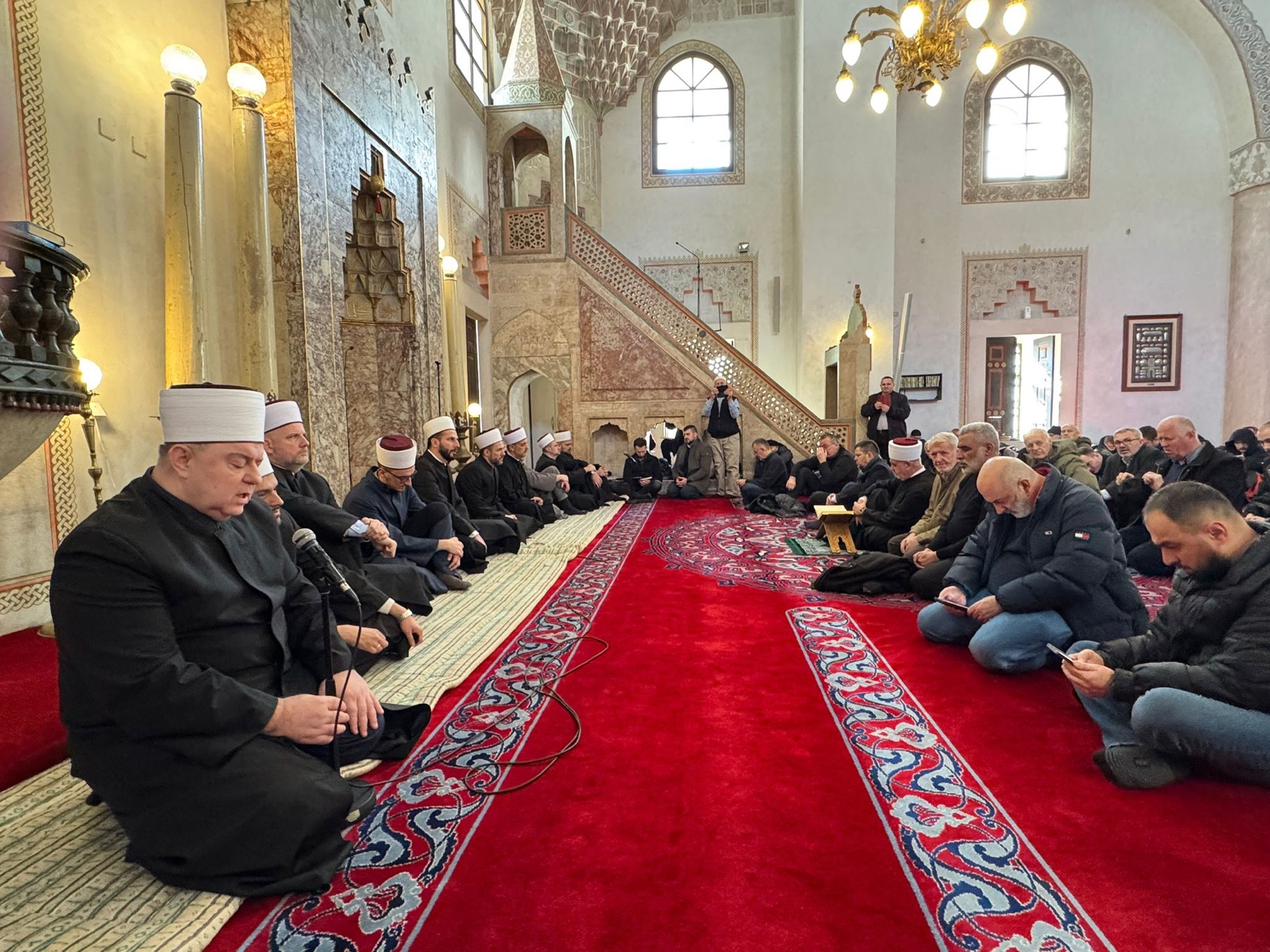
"Ten hafizs sit before the mihrab, each reciting two pages by heart. Together, they complete one juz daily," explains Hafiz Mensur Malkić, chief imam of the Bey's Mosque. This year, 20 hafizs lead two sessions: one at dawn (sehur) and one in the late afternoon (asr), symbolically bookending the day of fasting.
Hafiz Malkić has been reciting the Qur'an for over 30 years. He began during the war in Bosnia and Herzegovina (1992-1995) as a young man in besieged Sarajevo.
"I remember the bitter winter cold and the silence broken only by the sound of shells, but also the warmth that grew among the people as we listened to the Qur'an together. In those moments, it was our comfort, our strength and our hope. I was only 24 years old then, the youngest reciter of the Hafiz Mukabela. Even though I had already memorised most of the Qur'an by that time, the sense of responsibility was overwhelming," Malkić recalls.
More than 30 years separate Malkić's recital under siege from this year's peaceful Ramadan in Hotonj. Yet the essence remains. Whether it is young Hamza in a small neighbourhood mosque or a seasoned hafiz in the heart of the city, the beauty of the recitation, the spiritual benefit for those listening and that unmistakable tremor of responsibility are exactly the same.
© Qantara.de