More than decoration
Topics
Inside a small workshop in the Birkat al-Fil area of the old Sayyidah Zainab neighbourhood, in the heart of historic Cairo, Mohamed Fawzi sits with his assistant at a wooden table strewn with shards of coloured glass and gleaming metal sheets. Using simple tools, his hands move deftly, shaping the pieces of a new lantern.
Mohamed, 44, holds a small piece of glass, carefully trims it, then fixes it into a metal frame using a flame and nickel solder. He smiles as he says, "All of this is handmade."
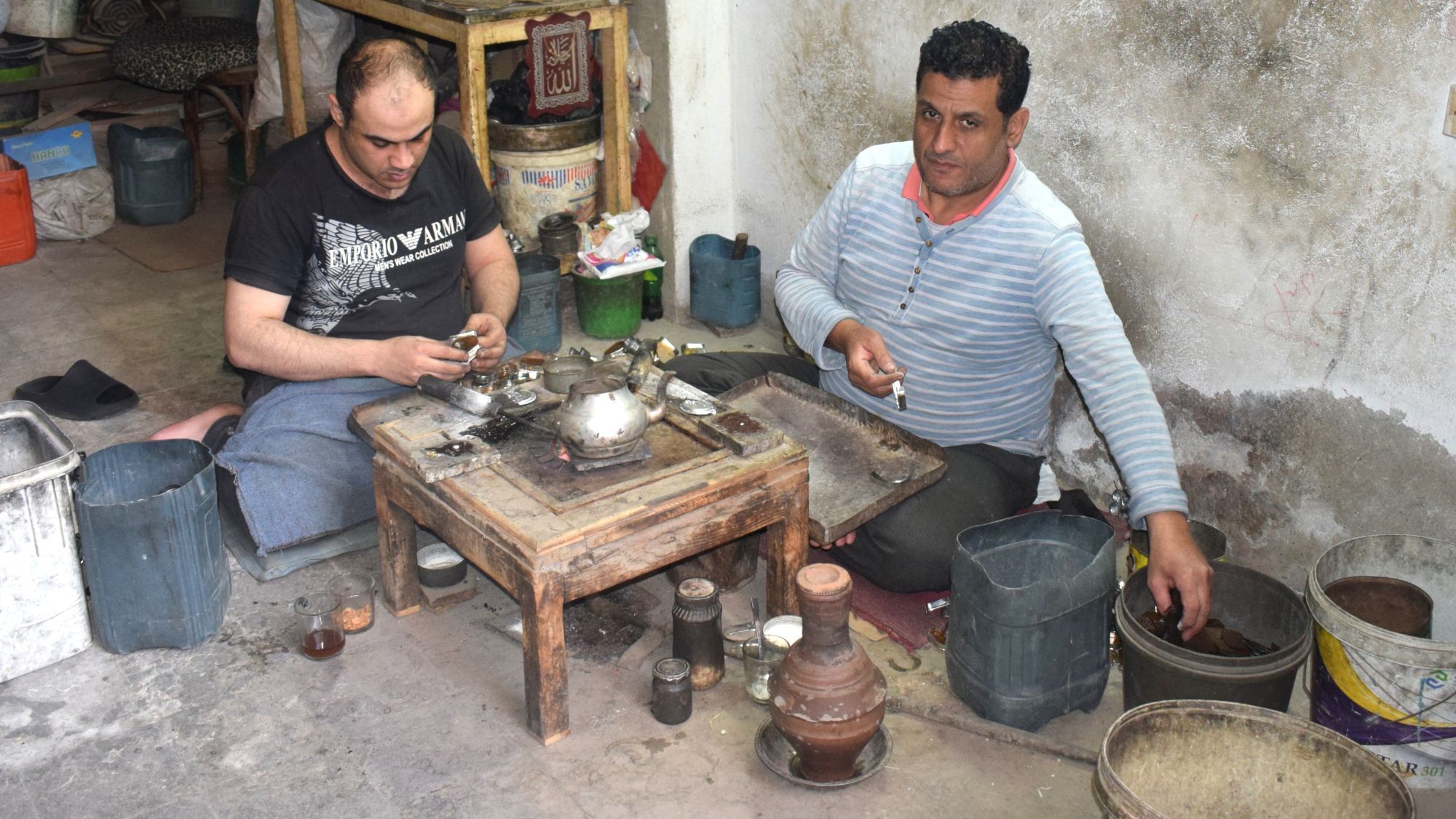
He has been working in this workshop for more than 30 years. The Fawzi family has passed down the craft of lantern-making for nearly a century, and it has become a family tradition.
For Mohamed, the lantern (fanous) is more than a decoration; it is part of his cultural identity, bound up with memories shared with his family and fellow craftsmen.
Lanterns are traditionally associated with the month of Ramadan, lighting up the streets of Cairo each year. Their warm glow evokes family memories and spiritual moments. In recent years, however, they have faced growing competition from imported plastic lights and toys that fill markets and shop shelves. As a result, traditional workshops have found themselves struggling to survive, striving to preserve a craft that Egypt has known for centuries.
It is said that they were first used to decorate the city for the celebration of the arrival of the fourth Fatimid Caliph, al-Muʿizz li-Din Allah, in the year 361 of the Islamic calendar (972 AD).
The lantern has gradually become an established symbol of the holy month, according to Mostafa Gad, a specialist in intangible cultural heritage at UNESCO and former dean of the Higher Institute of Folk Arts in Cairo.
Every family produces a unique design
In the Fawzis' workshop, each lantern passes through several painstaking stages. The process begins with cutting the glass and shaping the metal sheets, followed by assembling the parts. The lantern is then sent to other workshops for spray-painting and coating before returning to Mohamed, who adds the final touch by fitting small LED bulbs.
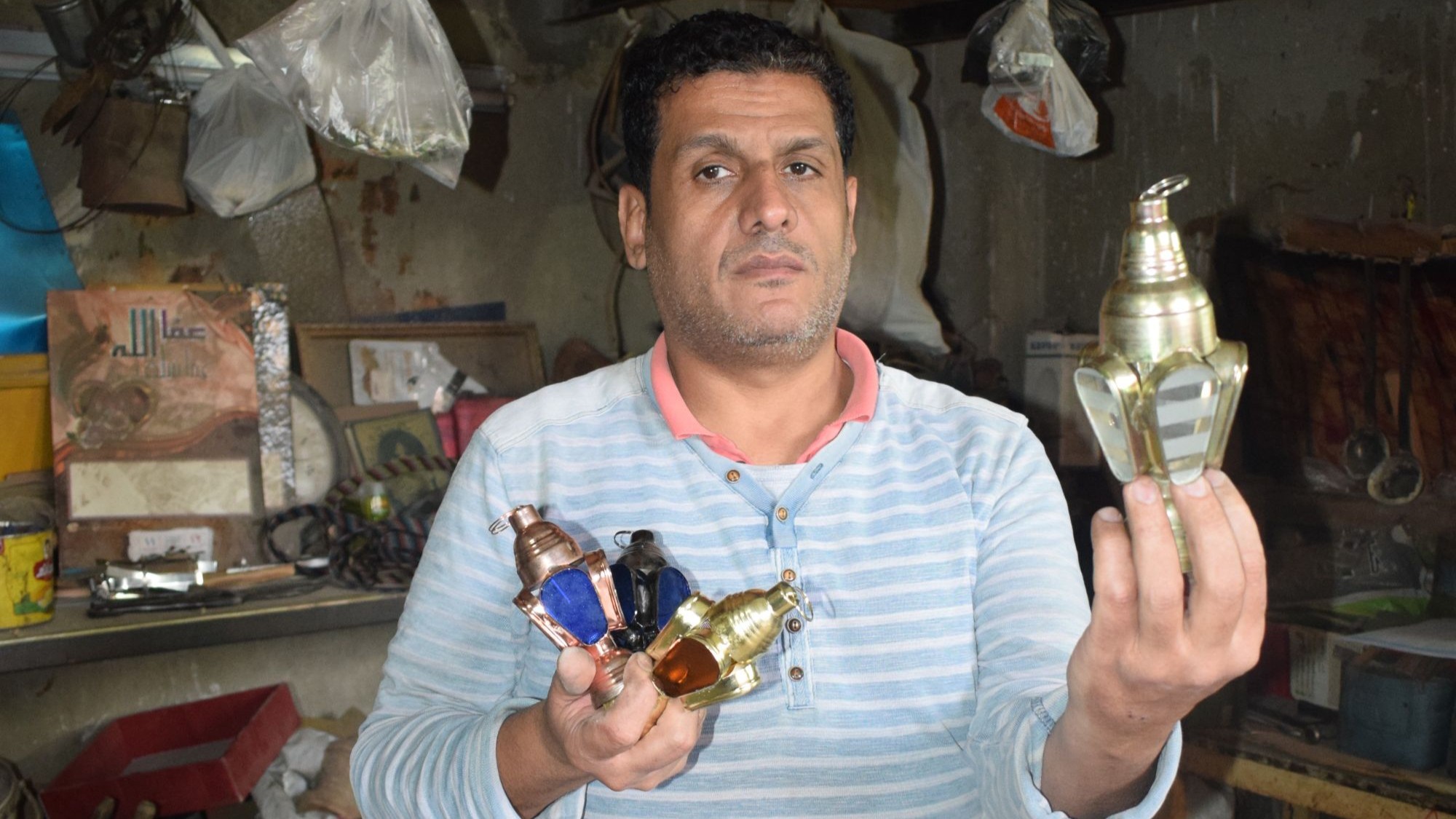
The family specialises in crafting a single type of small metal lantern known as a Barqouqa (plum). Mohamed says it is made exclusively in his workshop, and that his father was the first to develop its current design.
The Barqouqa typically measures no more than 15cm in height, though some larger versions are up to 20cm. Its width does not exceed 10cm. It is distinguished by its copper and silver tones, set off by white, red and blue glass. Prices vary, reaching up to 200 Egyptian pounds (around $4.30).
Mohamed can also produce larger lanterns. On request, he designs pieces that can reach up to two metres in height.
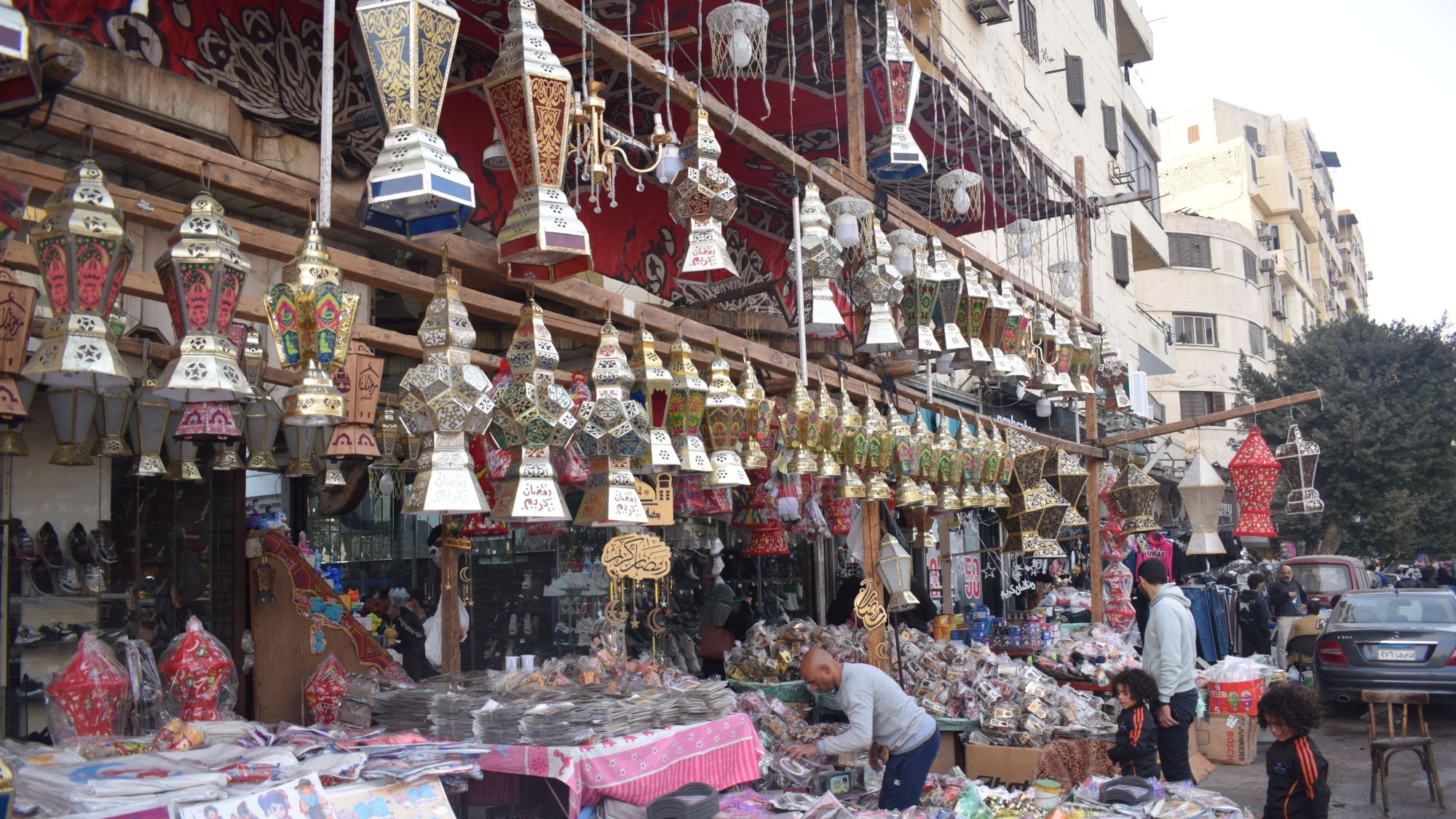
Next to the Fawzi family workshop are three other workshops specialising in lanterns. Each is known for a particular style, creating a rich variety that reflects the historic neighbourhood's reputation for the craft. Among the best-known designs are Shaqq al-Batiikha, Bolad, Farouk and Al-Burj, each with its own shape, size and price range.
Mohamed begins preparing for the season about two months before Ramadan, racing to complete merchants' orders. Despite growing competition, the lantern remains one of the most enduring Ramadan traditions: fathers buy them for their children, and they adorn homes and streets as part of the festive decorations.
A seasonal profession under pressure
In recent years, economic stagnation, market volatility, shifting consumer habits and rising raw material costs, particularly tin and glass, have pushed up production expenses. This has been reflected in lantern prices and sales in Egyptian markets, with the peak impact felt during the COVID-19 pandemic.
Throughout 2020, lanterns sat unsold in vendors' warehouses as demand fell and household priorities shifted. Some lantern makers were forced to close their workshops or abandon the trade altogether. Mohamed points to another challenge confronting his seasonal craft: the influx of low-priced, mass-produced Chinese lanterns and toys into the Egyptian market.
Although the Egyptian Ministry of Trade and Industry banned the import of Ramadan lanterns under Decision No. 232 of 2015, a move intended to protect local industry and the traditional Egyptian lantern, the regulation is reportedly being circumvented. According to Mohamed, large quantities of metal, plastic and fabric lanterns, mostly of Chinese origin, enter the country labelled as "children's toys".
He notes their widespread presence in the seasonal market stalls of Sayyidah Zainab and in cities across Egypt. He does not hide his concern: lower prices, eye-catching designs and modern technology give imported lanterns a competitive edge, drawing customers away from traditional tin lanterns.
"We are a country that manufactures lanterns, but Chinese lanterns enter our markets in numbers that exceed our own production. As a craftsman, I feel threatened with having to stop," he says.
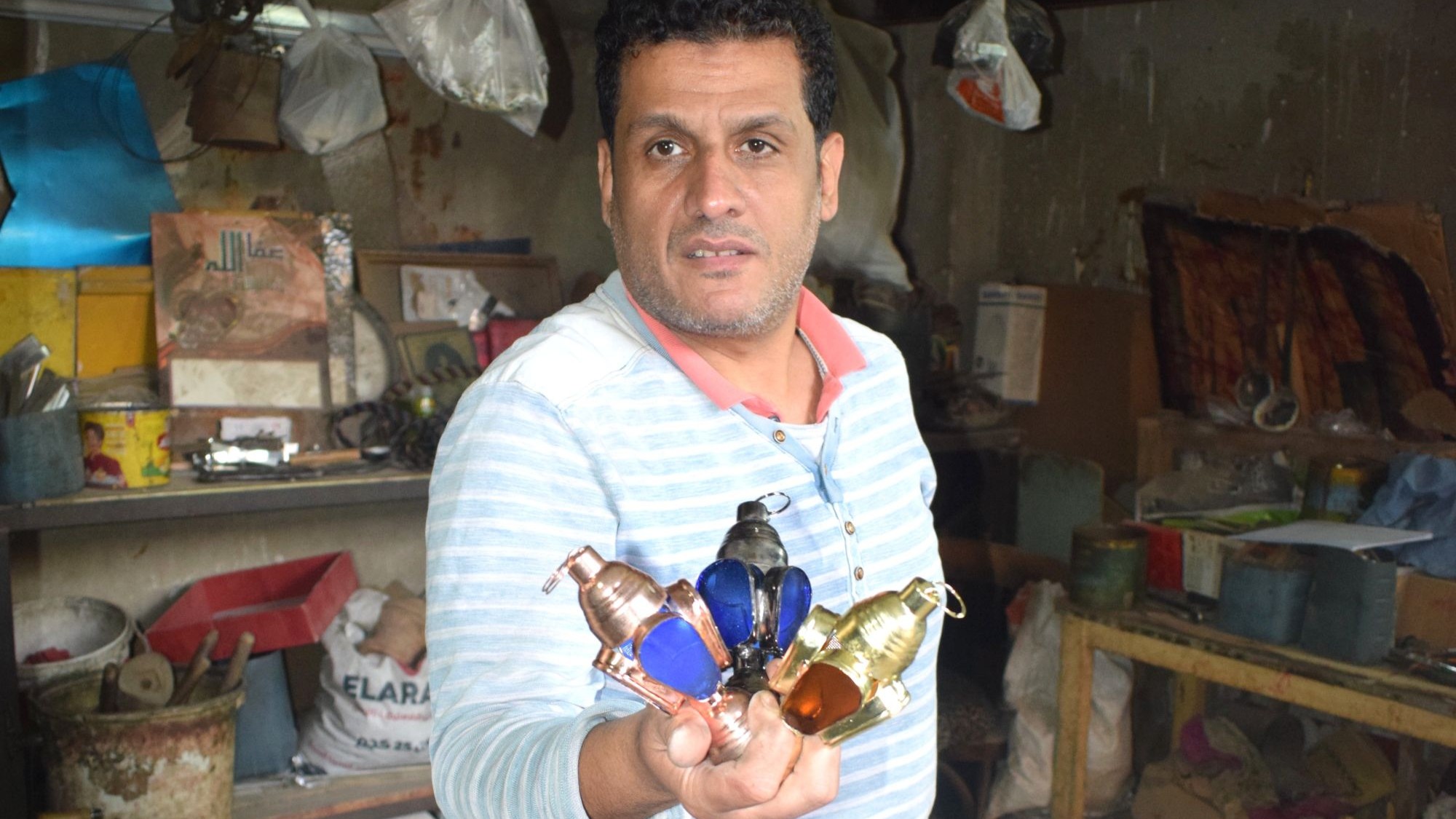
In response, Mohamed has introduced subtle modifications to his Barqouqa lantern to keep pace with the times—incorporating LED lighting, adding new colours to the glass and reinforcing the frame for greater durability—in an effort to balance heritage and modernity.
After completing his latest batch, he gathers several lanterns in his hands and laughs. "Our lanterns are more beautiful and better than the Chinese ones. We will continue to preserve them, so they do not disappear."
© Qantara.de