Will Damascus soon sober up?
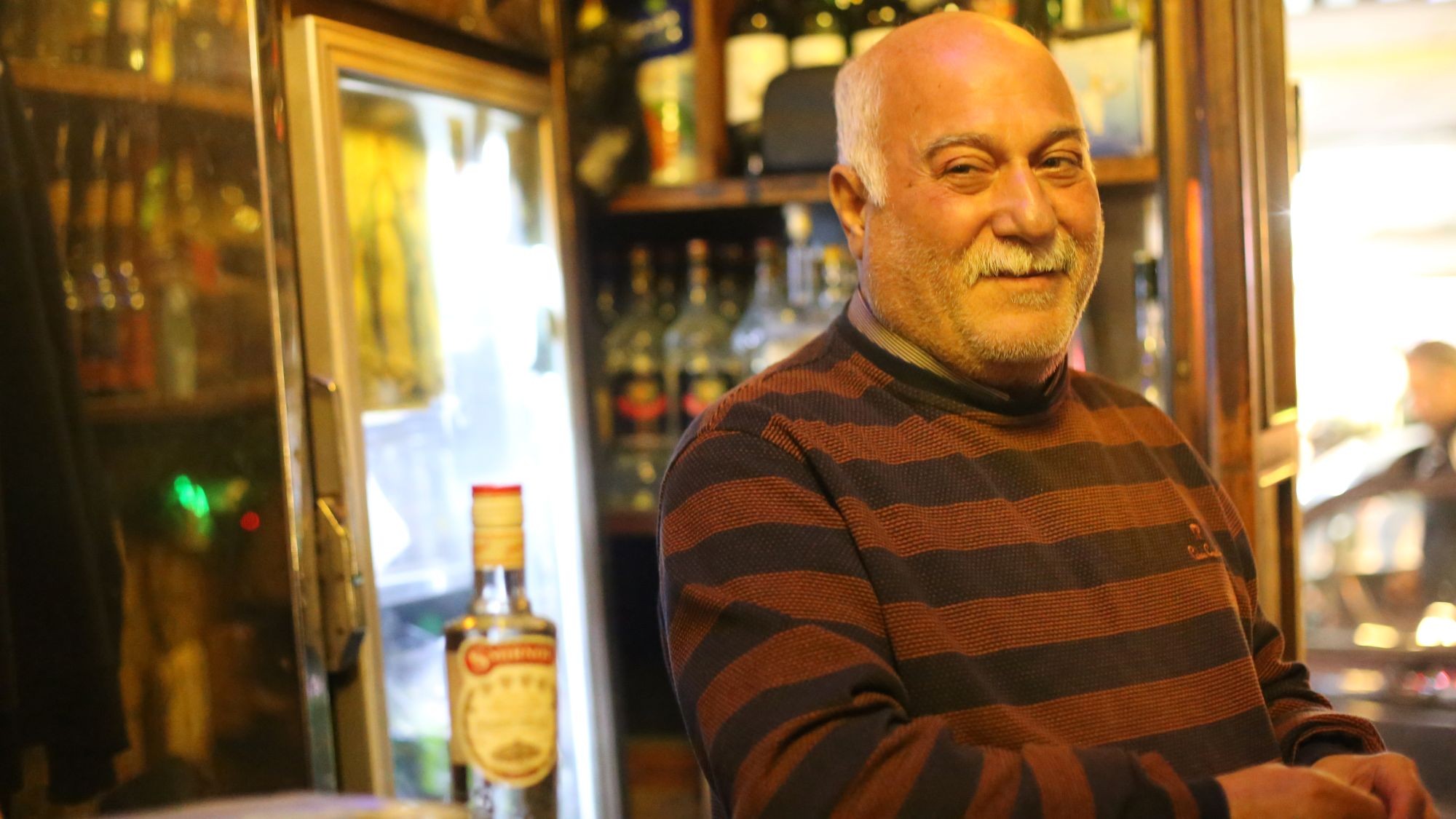
The Damascus provincial administration gave businesses three months’ notice and now, starting mid-June, serving alcohol in the Syrian capital will be banned. This means saying a final farewell to the city’s bars and nightclubs. Until the cut-off date comes, night owls continue to flock to their favourite venues — fully aware that the end of an era is fast approaching.
In mid-March 2026, the Damascus administration issued a decree restricting the sale of alcohol to licensed shops in certain predominantly Christian neighbourhoods such as Bab Touma, Bab Sharqi and al-Qassaa. Serving alcohol, however, will soon be completely banned.
Even during the bleakest years of the war, the capital’s nightlife gave residents a chance to breathe. Its bars are far more than mere places to buy alcohol or get some short-lived fun. Instead, they function as refuges where people can escape, if only briefly, the burdens of everyday life and the social, economic and political pressures they face.
Restricting freedom or protecting public morality?
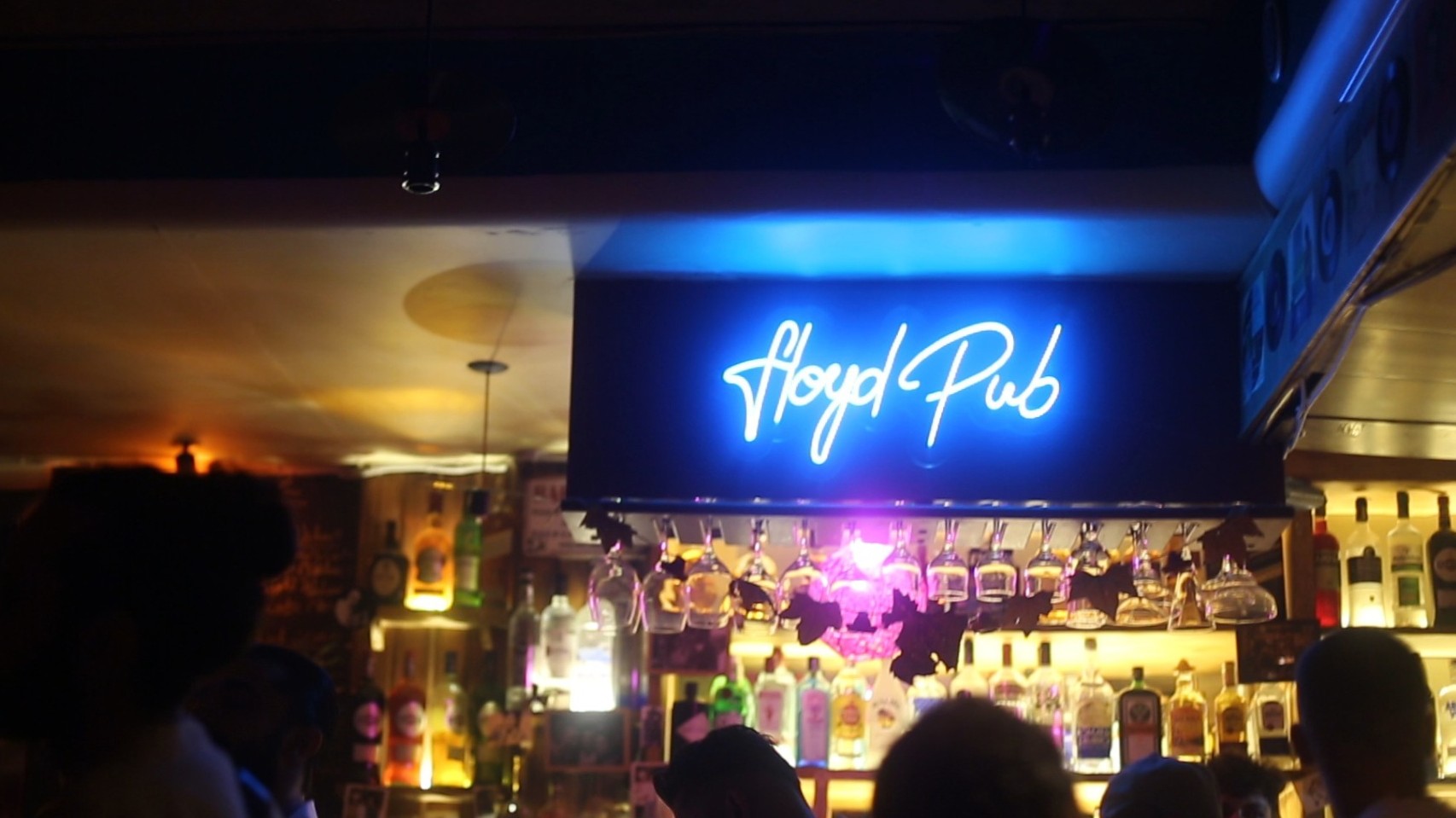
One evening in April, 27-year-old George Farah sits among friends at the "Floyd" bar in al-Qassaa, swaying to the sound of the oud. The Damascus-based programmer does not wish to comment directly on the decree, but he tells Qantara that he is "saying goodbye to these places with deep sadness", fearing that "the joyful nights here will never return". He asks: "Why is alcohol being banned? And who exactly is it harming? Is alcohol really Damascus’s problem?"
Forty-six-year-old Muwaffaq Sanadiki from Bab Sharqi makes his opposition to the decree clear: "It is sad and unacceptable. The decision is a blatant violation of personal freedoms. It is an unjustified restriction — all to secure the approval of a certain group."
He adds: "The administration must reverse this decree and all similar decisions. They are an open affront to the culture and history of Damascus. This is a battle they are doomed to lose from the outset; it is unwise even to wage it."
Rula Rizkallah, who works for a media production company in Damascus, echoes her friend Muwaffaq’s words and highlights potentially negative effects of the decision on tourism and the service sector. She even describes the decree as a "crime" against the image of the capital and its reputation among both residents and foreign visitors.
Yet not all residents see the decree as an illegitimate restriction on public life. Thirty-two-year-old accountant Kinan al-Harsh believes that the large number of bars does not fit the city’s identity. Historically, he argues, Damascus "was never built upon a culture of bars and nightlife". Such phenomena had always been limited to small social circles.
Al-Harsh stresses that the authorities have the right to govern the city in accordance with the wishes of the social and cultural majority. For him, the issue is not alcohol consumption itself, but rather the type of nightlife, noise and unacceptable disturbances associated with it, especially in residential neighbourhoods.
The decree has sparked widespread debate among Syrians. Alongside fears of restrictions on civil liberties, many are also concerned that alcohol sales will in future be confined to Christian neighbourhoods. Residents fear this could deepen social divisions along religious lines. A possible increased risk of religious-fundamentalist violence has also been widely discussed.
A few days later, residents of the Bab Touma district staged a demonstration. In response, the provincial administration issued a statement on 21 March apologising to residents of Bab Touma, al-Qassaa and Bab Sharqi for what it described as a "misunderstanding". The authorities clarified that "the decree is purely organisational in nature and aims to preserve security and public morality, regulate business licences and contain disorder, without infringing upon citizens’ personal freedoms".
Waiting — and, meanwhile, the party goes on
Bar and pub owners remain sceptical. Most are adopting a wait-and-see approach, even though the economic damage caused by the decree could soon become reality. Right now, it does not look like preparations for closures have begun. Sumer al-Hazim, owner of a bar in the Bab Sharqi district, said that neither alcohol consumption nor customer numbers have changed so far.
"We, the owners of bars and other venues serving alcohol in Damascus, have received no direct clarification or instructions from the responsible authorities," al-Hazim tells Qantara. Like the rest of the population, they have followed developments solely on social media.
A club manager, who wishes to remain anonymous, describes the planned regulation as deeply unjust. He says it threatens both his livelihood and the income of at least eight employees working at his club. He fears the economic consequences of the decree could be severe.
Damascus’s nightlife, he says, is vibrant, multi-layered and closely interconnected; its abrupt disappearance could lead to a sharp rise in unemployment and a collapse in demand for numerous services, including transport, fast food and hotels.
Some hospitality business owners are hoping the administration will still reverse or at least soften its decision. Bar owner al-Hazim stresses that they are waiting in the hope that business can continue as before.
The danger of "going underground"
The planned alcohol ban comes amid broader social changes that have taken hold in public spaces across many Syrian cities over the past year. Conservative discourse has become noticeably stronger, with concepts such as "public morality" often invoked to justify interference in the details of everyday life. Regulations now affect clothing, music and interactions between men and women. Other decrees restrict activities in public spaces.
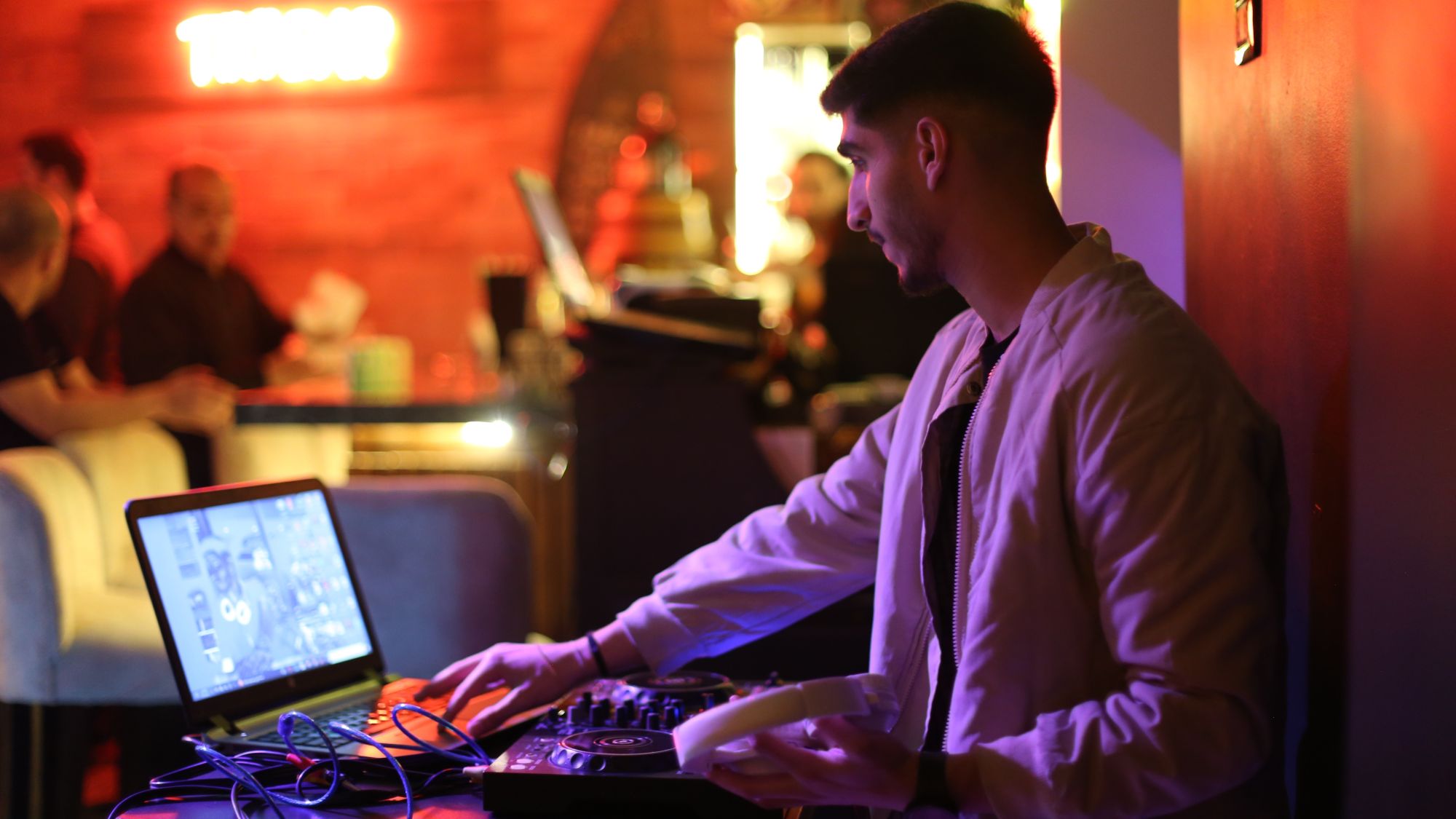
As bars and clubs close, public spaces for spontaneous and open interaction may disappear. Nightlife could increasingly retreat into private homes or hidden venues. A scene that is currently open and shaped by diverse activities may be forced underground.
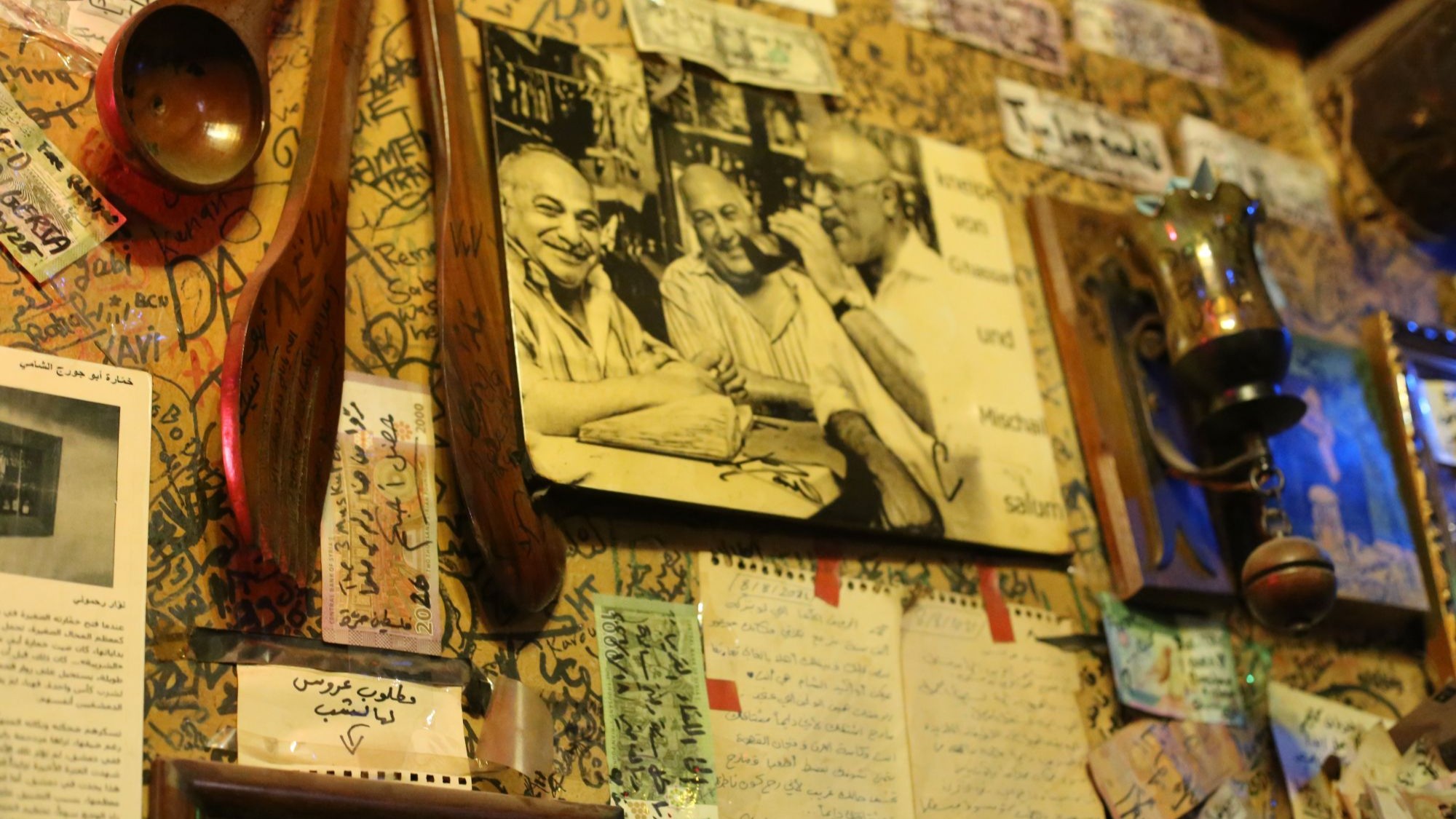
Thirty-one-year-old musician Lina Obeid describes the importance of nightlife while standing at the counter of "Abu George", one of Damascus’s oldest bars: "I do not go to bars just to drink alcohol. Evenings there remind me that a life beyond home, work and the bleak streets is still possible. These places make me feel that Damascus is still alive. "
She adds: "It feels as though the ground is slowly being pulled out from under people’s feet in Damascus. As though everything that once made life here a little less relentless is now quietly being erased. "
Translated from German by Jess Smee.
© Qantara.de