How journalism can serve justice
Topics
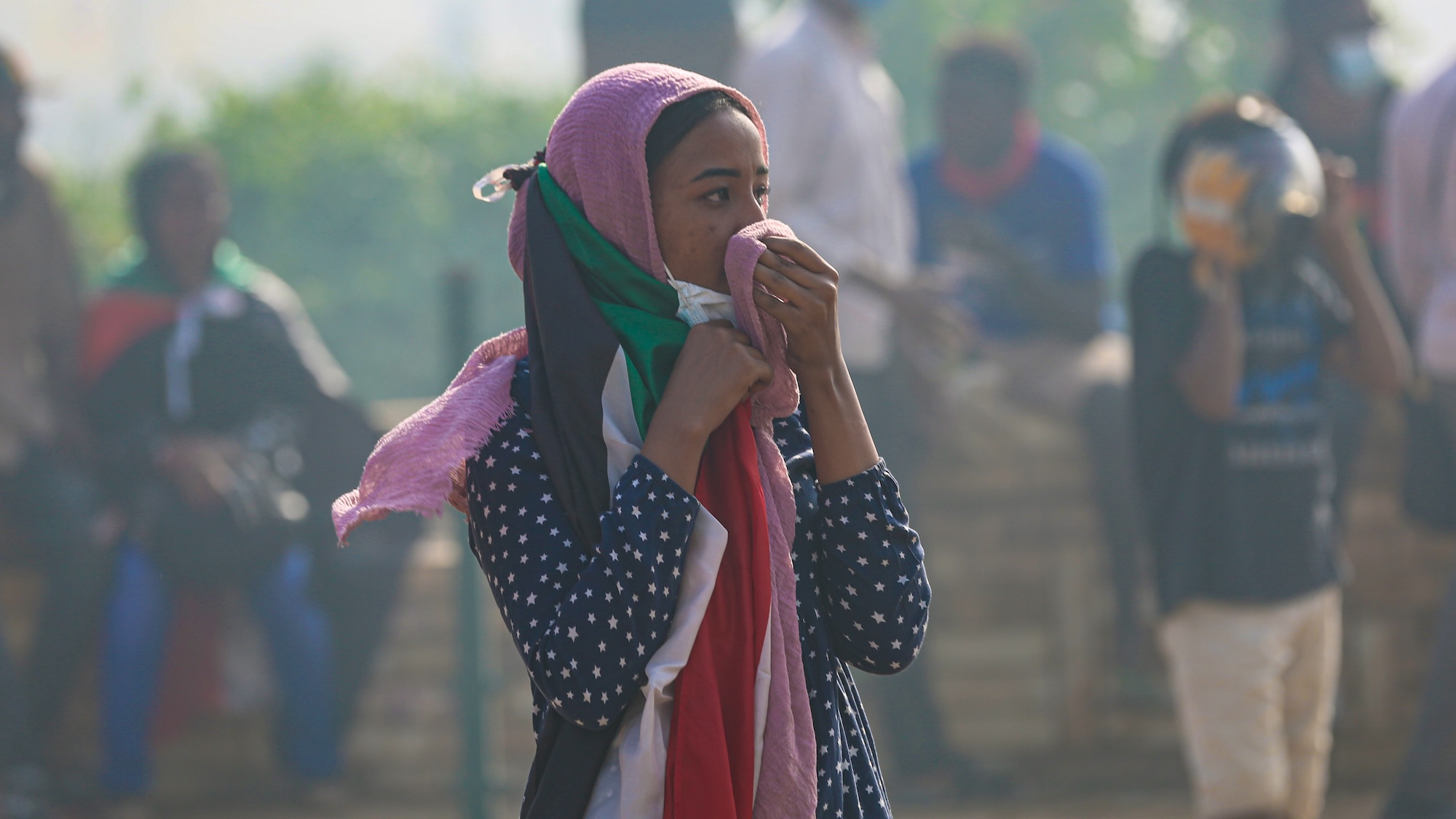
In Sudan, some of the most widespread crimes of the war are also the hardest to count. Reports of sexual violence have emerged throughout the war that broke out in April 2023. The UN Human Rights Office has verified 546 incidents of conflict-related sexual violence (CRSV) and is still investigating another 320 reports. Documented cases include rape and gang rape, abduction, sexual slavery and trafficking.
While sexual violence in Sudan does receive some media attention, experts argue that reporting often fails to capture the full picture. "Even though most reports documenting CRSV acknowledge that the recorded numbers don't represent the real number of victims, journalists often insist on figures," says Hala Alkarib, regional director of the women's rights organisation SIHA Network.
A number can establish scale, but it cannot show what happened around an assault or what it meant in that particular conflict. Maha Bashri, associate professor of media and communication at Global Studies University in the UAE, adds that CRSV is often presented as a "byproduct" of the conflict rather than examined as part of how the war is fought.
Sexual violence as a tool of war
CRSV, however, sits within a long history of militarisation in Sudan. Predating its independence in 1956, the military and armed militias have played a central role in the country's political life and in conflicts with civilian populations and armed opponents. In this context, sexual violence became part of a broader pattern of violence, used alongside displacement, killings and other attacks on civilians.
Darfur offers one of the clearest examples. When war broke out in 2003, rape and other forms of sexual violence were widely documented during attacks on civilian communities. The Janjaweed militias were among the forces accused of these abuses. They later became the core of the Rapid Support Forces (RSF), which today fights against the Sudanese Armed Forces (SAF).
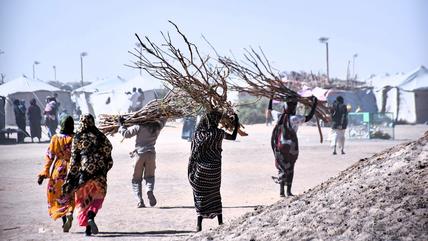
CRSV often follows as the war moves into new areas. In some cases, sexual violence is used alongside other forms of violence to intimidate communities and force people from their homes. Alkarib describes such a pattern in current RSF attacks. Fighters first raid homes and assault women inside them. Then, after establishing control over an area, they target women who need to remain in public spaces, including tea sellers, health workers and volunteers.
Sexual violence can therefore serve a broader strategy to strengthen territorial control, make it harder for communities to function and push people out. The stigma attached to sexual violence can extend to survivors' families and communities, with consequences that continue long after an assault. "They used it since ever, and it worked for them every single time," Alkarib says. This strategic use of sexual violence is often overlooked in media coverage.
Arab media biases
Another issue with the available reporting on the war in Sudan is its politicisation. The war is not only a national conflict but also a proxy war, with many regional and international actors involved. This is reflected in how the media cover CRSV. Political interests affect which crimes receive attention and whether responsibility is assigned.
Some Arab media have favoured the RSF in their coverage. Sky News Arabia, for example, reported that the security and humanitarian situation in El Fasher had stabilised after the RSF seized the city on 26 October 2025, following an 18-month siege.
Nearly 89,000 people fled El Fasher and nearby areas in the weeks that followed. During the RSF offensive around the city and Zamzam camp, the UN documented 118 victims of sexual violence, including 87 women and 28 girls. Despite this evidence, Sky News Arabia continued to report the situation as stable. The controversy later led Sky News to end its strategic and operational involvement in the channel in 2026.
The framing runs in the other direction in some SAF-aligned media. Research examining Sudan coverage by major Pan-Arab outlets found that Al Jazeera Arabic and Al Arabiya used substantially more positive framing towards the SAF than the RSF.
Alkarib offers a more nuanced picture. While the RSF is responsible for the overwhelming majority of documented sexual violence in the current war, she says the SAF and allied militias have also committed sexual crimes.
She describes RSF violence as more systematic and strategic, while violence by the military and allied forces is opportunistic, like cases driven by ethnic targeting or revenge. These distinctions rarely appear in reporting, leaving out context needed to understand how and why the violence occurs.
Filtering information for Western media
If we were to follow the journey of information about CRSV, we would see that it rarely reaches international audiences in the same form in which it was first reported. Cases begin with survivors, witnesses, or local grassroots organisations, then pass through Sudanese newsrooms before reaching an international outlet, sometimes additionally channeled through international NGOs.
For many survivors, reporting an assault means navigating the same insecurity that enabled it. Health facilities, often the first place that cases are reported, have been destroyed or become inaccessible, protection services are limited, phone and internet networks have repeatedly been disrupted and authorities may be unreachable or unsafe to approach.
Fear of retaliation and the collapse of the justice system further discourage survivors from coming forward as they may be identifiable even when their names are withheld. The survivor’s vulnerability on the ground also affects global media coverage.
What gets reported in the first place, also depends on the composition and policy of Sudanese newsrooms. A 2024 survey by the Al-Alag Center for Press Services found that women held just 2 percent of administrative and editorial leadership positions combined across the 13 Sudanese media organisations.
This means women had very little influence over the decisions that shape newsroom priorities and editorial choice when it comes to reporting on CRSV. Sudanese journalists additionally face displacement, insecurity, arrests and restrictions that make sustained reporting difficult.
Western media operate through their own set of pressures. Maha Bashri says international outlets often look for “hot” stories, while Sudan struggles to receive the sustained attention needed for deeper reporting. During her research, she met Sudanese journalists who told her that they know what kind of stories Western outlets want and how to "tailor" their reporting to fit those expectations.
Alkarib adds: "Our work is not being taken seriously unless international institutions take it and process it through their own channels until it becomes credible." International organisations are then more readily quoted as authoritative, while those closest to the violence remain less visible.
Strengthening Sudanese reporting
Maha Bashri suggests that stronger collaboration with Sudanese journalists inside and outside Sudan could give international outlets access to information and context they cannot gather on their own, while channeling resources towards the colleagues on the ground.
Much depends on whether newsrooms can and do invest in specialised training on interviewing survivors, establish stronger editorial safeguards for sensitive material, and provide psychological support for journalists repeatedly exposed to traumatic testimony. These measures can change both the quality of the reporting and the treatment of those whose experiences it documents.
Ultimately, how journalists see survivors shapes how they report them. Treating them as people with agency, rather than evidence of violence, changes the questions asked and allows survivors to speak at their own pace. It might also reduce the urge for graphic detail. Describing an assault might convey its severity, but intimate details do not necessarily tell the reader more.
Reporting that serves survivors and contributes to justice places the survivor’s account within the wider pattern of violence, carefully decides what can be known about survivors, and leaves behind a well-verified record that can be used beyond the news cycle.
© Qantara.de