"Intersectional long before the term was coined"
Topics
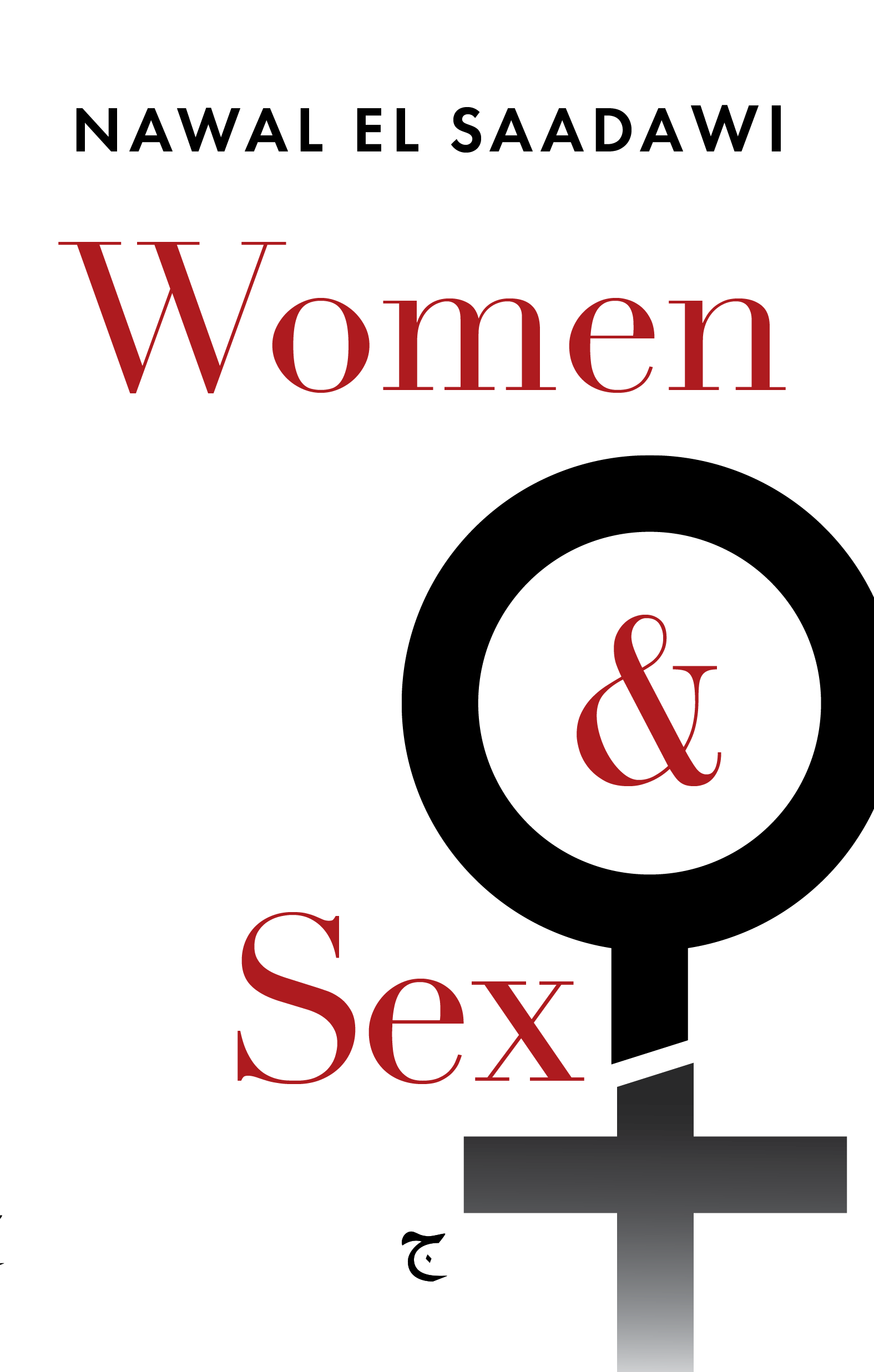
Qantara: Nawal El Saadawi's groundbreaking "Women and Sex" (1971) is finally accessible to German readers. What motivated your publishing house, Gamila, to translate it into German now?
Sophie Haesen: It is a fundamental, timeless and fearless book. I first read and heard about Nawal El Saadawi when I was in my teenage years, but it was always only through articles about her, not her original texts. So first of all, German readers can access it now.
She touches on topics that were new and rather unheard of back then, such as female genital mutilation. From the late 1970s on, there has also been a discussion around this in Germany. I think it's long overdue that we give Nawal the credit she deserves for not shying away from talking about things that might make others uncomfortable, but that exist and need to be addressed.
To be honest, I was certain this book had already been translated into German and English, as it was first published so long ago. When we discovered this wasn't the case, and that only a questionable French translation existed, we decided to change that. It then took some time to identify the rights holder.
El Saadawi's work was censored in Egypt upon release. How does this history of censorship shape how you present the book to a new audience?
We did not want to overburden the book—how much context and additional information is given is always a conscious decision. We wanted to let the work speak for itself. It is not a scientific edition providing all the context, because you can read this information elsewhere. The text as such is intemporal because it addresses discrimination that was not only happening in the Egypt of the 1970s but is still present in many contexts.
We tried to give some background information on the experts she cites, but we limited it to that. An interested reader can certainly not only research more about the censorship in Egypt, but also about El Saadawi's travels to countries that do not exist anymore today, such as the German Democratic Republic or the USSR.
Do you think the book will challenge or expand German readers' understanding of feminism beyond Western frameworks?
I certainly hope so. Generally speaking, I see certain tendencies in politics and media to talk about others and neither let them speak for themselves nor listen to them when they dare to speak. This is also true among people who see themselves as progressive and enlightened. Making Nawal's voice heard in German might challenge some easy but incorrect assumptions—that the West always knows best, for example.
It is also important to note that Nawal's feminism was intersectional long before the term was coined in the late 1980s. In this book, for example, she fearlessly tackles discrimination based on gender, ethnicity, religion, class and education and shows how they overlap and amplify each other.
Many publishers hesitate to publish controversial feminist works from the Global South. What made you confident to take this step?
I loved listening to Nawal in one of her interviews when she talked about her rebellious grandmother—maybe there is a little rebellious streak in me as well, coming from my grandmother. We just felt that if nobody had done it yet, it was time to do it. One upside of being a small publishing house is being independent and not having to constantly check to make sure you are not stepping on the toes of anybody higher up.
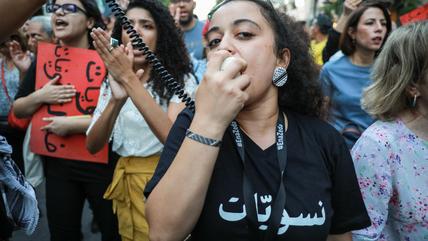
A century of Arab feminism
For over a century, Arab women from Tunisia to Saudi Arabia have fought for their rights, against violence, and for autonomy over their lives and bodies. In her new book, Claudia Mende amplifies their voices.
How did you select the translator, and what were the main challenges in bringing El Saadawi's Arabic text into English and German?
There was a certain concurrence of circumstances involved. I had asked other translators, but they declined, saying they did not feel up to the task. Then, very much by chance, I met Doaa Elalfy, who not only had a very personal link to this book, as you can read in her preface, but could also point me in the right direction regarding the rights, as she knew Nawal's daughter and put us in touch.
I think one of the main challenges for her was to stay as close as possible to the original text and not circumscribe or soften anything. My knowledge of Arabic is rusty and rather passive, but it at least helped me to ask questions if I thought the translation differed from the original. In the translation process, we had many exchanges on this point.
You introduced the new translations at an event called "Celebrating Arab Feminisms" in Berlin on 25 October. The event brought together a range of Arab feminist voices through literature, film and art. How do you see the German translation of "Women and Sex" contributing to this broader conversation?
The fact that this event is taking place in Germany and in Berlin is significant. Berlin has become a focal point for various diasporas. One of them is the Arab diaspora. Needless to say, it is not a homogeneous group, but it is one that has grown due to several events in recent history.
The broader conversation that you mention is taking place in many different places, and I think that Germany, and Europe in general, can offer a privileged place to have this conversation in a relatively safe environment. To me, the German translation of Nawal's book is important to introduce this conversation to a broader German public and to facilitate a better exchange between communities.
If Nawal El Saadawi were alive today, what do you think she would say about this German edition?
I certainly hope that she would give us one of her big smiles and say "You did a very good job", which is what her daughter told me.
Nawal El Saadawi: "Women and Sex"
Translated from Arabic into English by Doaa Elalfy; English into German by Sophie Haesen
Gamila Basel, October 2025, 206 pages
© Qantara.de