Qantara Startseite Englisch
-
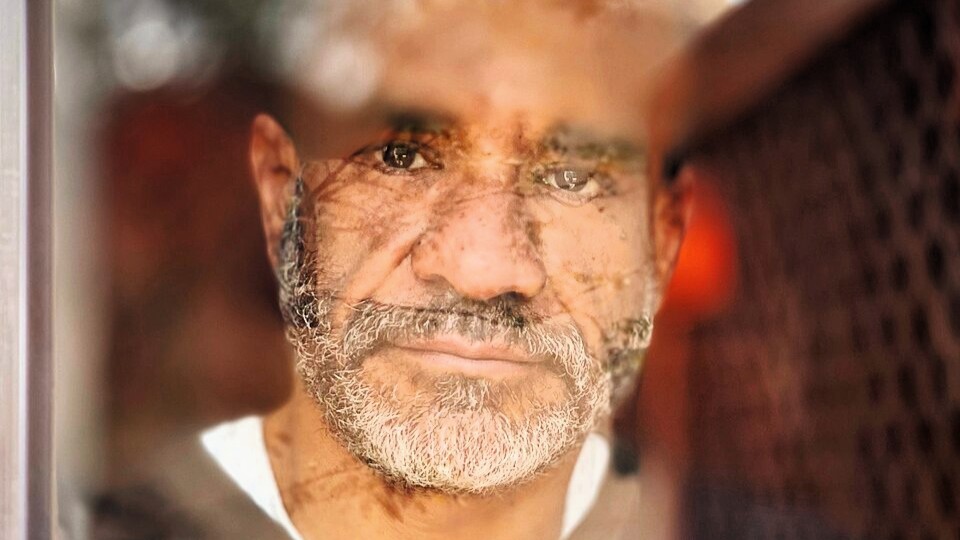 "Postmuslim" by Youssef Rakha
One author, multiple selves
"Postmuslim" is an intimate new collection of essays in English by Youssef Rakha. The Egyptian author explores his complex relationship with the West while tracing his intellectual evolution over several decades.
-
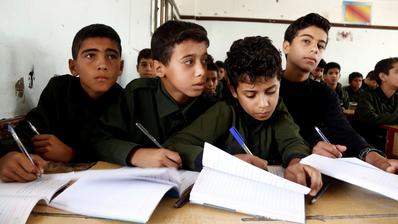 Education and climate in Yemen
Too hot for class
In Houthi-controlled Yemen, the decision to schedule the school year by the Hijri calendar has pushed classes earlier into the harshest heat of summer. For students this has compounded the impact of climate change, posing health risks and driving up dropout rates.
-
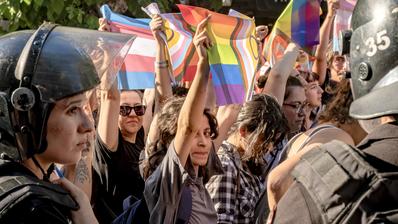 Turkish women's association Havle
"White secular women do not have a monopoly on feminism"
The Muslim queer-feminist group Havle uses religious arguments to challenge discrimination. Facing growing hostility and, most recently, arrests, two members speak about the struggle for LGBTQ rights in the country.
-
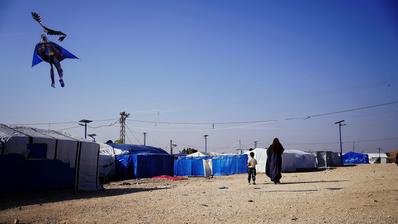 Detainees in northeast Syria
What will happen to the women and children of al-Roj camp?
Deteriorating conditions are fuelling tensions at al-Roj camp, where people with alleged links to IS have spent years in detention. As control of the camp shifts to the Syrian central government, uncertainty grows over their future and prospects of returning home.
Politics
More about Politics-
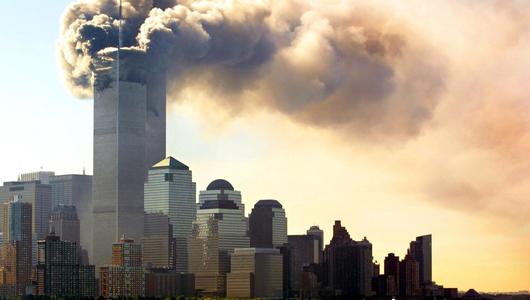 Gilbert Achcar on the impact of 9/11
"The Iraq War shattered the promise of a new world order"
The attacks of 11 September 2001 fundamentally altered US foreign policy and triggered a series of wars that have reshaped the Middle East. 25 years on, Gilbert Achcar reflects on the US response to 9/11 and its enduring impact on the region.
-
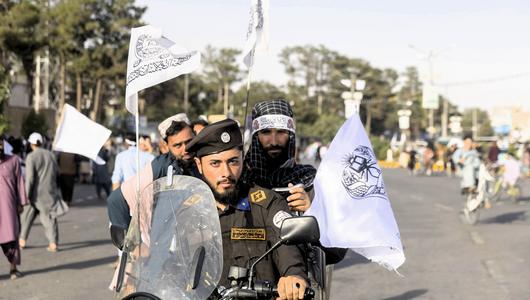 Taliban in Afghanistan
Power consolidated, society reshaped
In the five years since regaining power, the Taliban have cemented their rule in Afghanistan, bringing armed conflict in the country to a relative lull. Their ambitions go beyond maintaining control: they are seeking to transform the country from the bottom up.
-
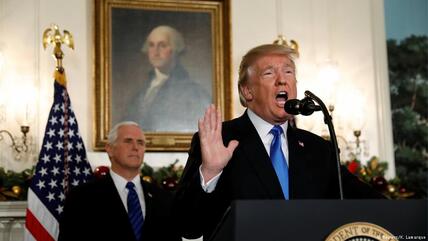 U.S. policy on the Middle East
The imperial reflex
The United States believes it can enforce the policy of sanctions it has directed against Iran on the rest of the world as well. In no third country are the possible implications as grave as in Turkey, says Stefan Buchen in his analysis
-
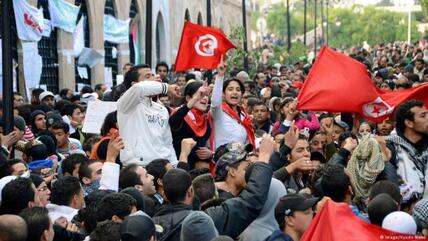 Non-fiction: Safwan M. Masri′s ″Tunisia – An Arab anomaly″
A history of intellectual excellence
Tunisia stands out as the only democracy among Arab countries. Why it has managed the transformation from autocratic rule after the Arab Spring has deep roots that go back centuries, argues Safwan M. Masri. Hans Dembowski read the book
-
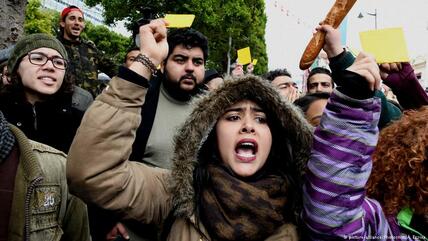 Social unrest in Tunisia
You′re on your own
Strip away the friendly overtures made by various European countries towards Tunisia and you’ll find nothing more than exploitation and non-reciprocation. How else to explain their failure to step in as the North African state slides inexorably towards poverty? Commentary by Bachir Amroune
-
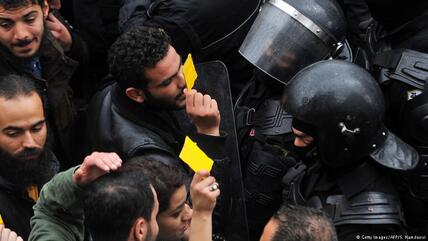 Protests rock Tunisia
A winter of discontent
Despite general frustration over economic hardships and the unfulfilled promises of the Arab Spring’s only success story, the revolutionary momentum that gripped Tunisia in 2011 has not waned seven years later. Tunisians seem intent on preserving the spirit of the revolution: bread, freedom and national dignity. By Houda Mzioudet
-
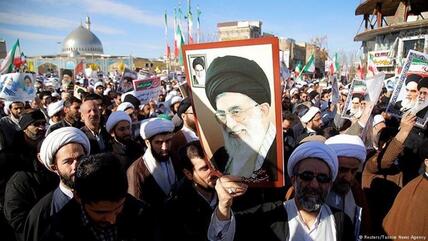 Protests in Iran
No revolution in sight
Forty years after the start of the Islamic Revolution, Iran is once again convulsed with protests. Many of the economic problems facing the country today resemble those in the 1970s, and the regime appears to be scarcely less repressive and ossified than it was back then. Nevertheless, the current protests are unlikely to be the beginning of a new revolution, says Ulrich von Schwerin
-
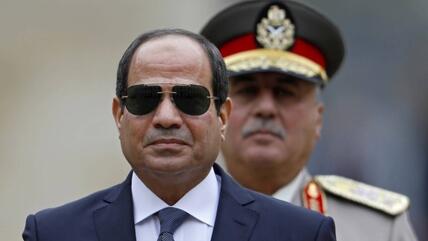 Presidential election in Egypt
Gearing up for re-election
Earlier this week, Egypt's National Election Authority announced that the country will go to the polls on 26–28 March to elect its president. Although Abdul Fattah al-Sisi has not yet announced that he will run, his re-election seems like a foregone conclusion. And while a number of other serious candidates intended to stand, it looks as if the field is thinning. By Bachir Amroune
Society
More about Society-
 Ahmed Isamaldin
"Gold is directly connected to the violence in Sudan"
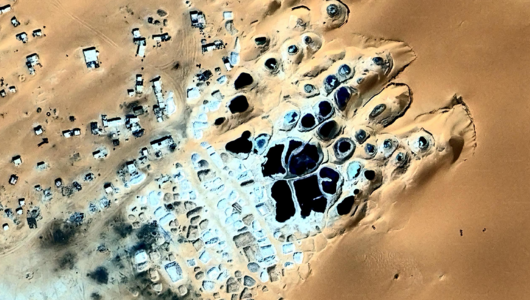
Artist and researcher Ahmed Isamaldin uses satellite imagery to trace how Sudan's gold industry has expanded during the war. His research reveals how the conflict is linked to global supply chains and the commodities we consume.
-
 Religious diversity in Tunisia
The Virgin Mary on the streets of Tunis
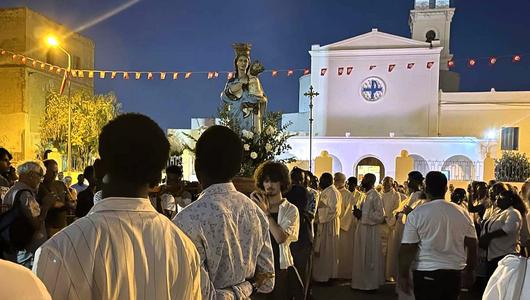
In Tunisia, a tradition is being revived: the Marian procession in La Goulette. Christians, Jews and Muslims from around the world are coming together to make a statement in favour of peaceful coexistence, in a country where the authorities are cracking down on migrants.
-
 Muslims against the Rwandan genocide
No-one has the right to kill!
As genocidal violence broke out against the Tutsis in Rwanda back in 1994, it appeared no-one was safe. But one small religious minority refused to take part: Rwandan Muslims. They mounted peaceful resistance to the horrors, saving many innocent lives in the process. By Markus Weingardt
-
 Islamic debate about human rights
The erroneous 'cultural distinction'
Syrian writer Morris Ayek is critical of those who claim that when it comes to human rights, Islamic countries are "culturally distinct" from the rest of the world. In his opinion, this discourse directly contradicts the universality of Islamic values
-
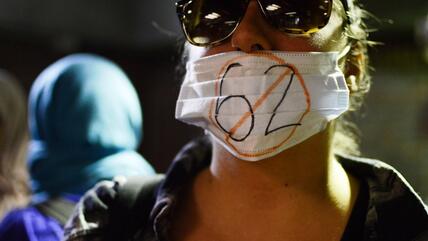 Bill 62 – Quebec′s burka ban
Veiled bigotry
On 18 October the Canadian province of Quebec passed new legislation forbidding a person to be veiled when delivering or receiving a public service. Bill 62, dubbed the "state religious neutrality law″, has been widely condemned by civil rights lawyers, Muslim associations and public service unions. By Richard Marcus
-
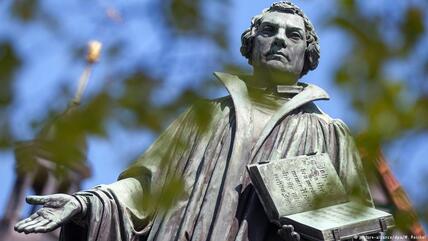 Reformation Day and Islam in Germany
A chorus of convictions
Five hundred years after the posting of Martin Luther's theses, Germany remains a predominantly Christian nation. But Islam is also part of the fabric of Germany – if for no other reason than the three-and-a-half-million Muslims who live here and have the right, thanks to the constitution, to practise their faith freely. By Alexander Goerlach
-
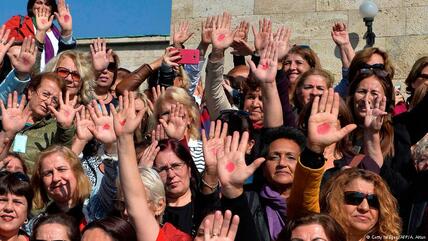 Erdogan′s Turkey
Eroding Ataturk's legacy
On 18 October, the Turkish parliament approved a controversial bill that in future will allow Islamic muftis to register weddings. Critics fear that this will erode the civil rights of women and expose more girls to the dangers of underage marriage. Ylenia Gostoli reports from Turkey
-
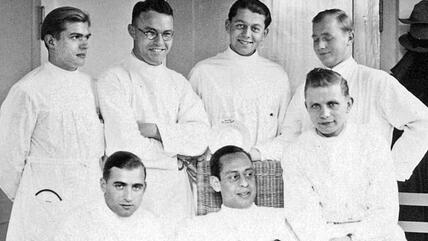 Book review: Ronen Steinke′s ″Der Muslim und die Judin″
Mohammed Helmy, ′Righteous among the Nations′
In "Der Muslim und die Judin" (The Muslim and the Jew), Ronen Steinke tracks down the story of the Egyptian doctor Mohammed Helmy, who saved the Jewish woman Anna Boros from deportation. The author recounts a daring rescue in the midst of Nazi Germany and examines the often ambivalent relations between Jews and Muslims. Ozan Zakariya Keskinkilic read the book
Culture
More about Culture-
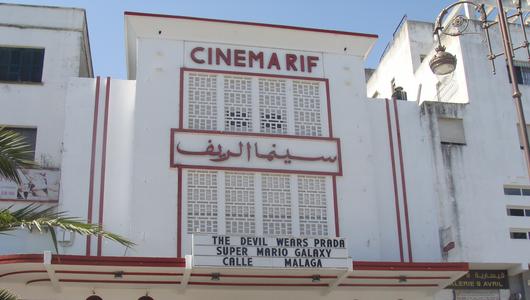 Arthouse film in Morocco
Keeping Tangier's cinematic history alive
20 years ago, the historic Cinema Rif in Tangier was renovated and reopened as the Cinémathèque de Tanger, one of the few arthouse cinemas in North Africa today. Elisa Pierandrei traces its history and place in Morocco's vibrant film culture.
-
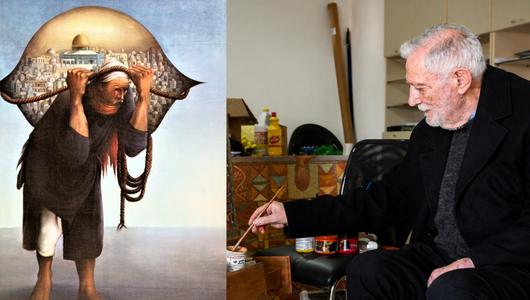 Remembering Sliman Mansour
The artist behind a Palestinian icon
"Camel of Hardship" by Sliman Mansour, who died on 24 August, is one of the most recognisable images in Palestinian art. Asmaa al-Ghoul tells how it came to appear on walls across the country and why it remains deeply embedded in collective memory.
-
 Ahmad Abdalla′s film ″Decor″
Let the audience decide what′s real
"Decor," the latest film by the Egyptian director Ahmad Abdalla, is a tribute to the narrative power of cinema and to the eternal themes of freedom, love, and constraint. Christopher Resch watched the film
-
Frankfurt Book Fair: Indonesian Literature
Discovering a new world
Poetry books as bestsellers, authors as self-promoters – the literary scene in Indonesia works differently. Nevertheless, many a book has secured itself a small place on the world literary map. By Martin Maria Schwarz
-
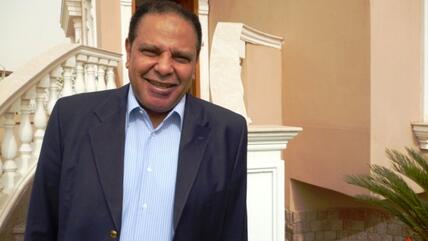 Alaa Al Aswany′s novel ″The Automobile Club of Egypt″
Microcosm of tyranny
In his new novel "The Automobile Club of Egypt", the best-selling Egyptian author Alaa Al Aswany paints a picture of a deeply divided, bigoted society and recalls the oriental despotism of the 1940s under King Farouk. A review by Arian Fariborz
-
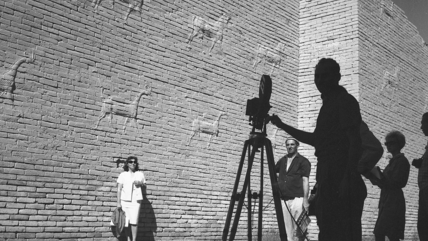 Art from Iraq and the Armenian diaspora in Venice
A far cry from what we′ve seen before
While in the mass media, the war of images with and over Islamic State is making headlines, very little attention has been paid to the visual art being created in the region. To get an idea of the diversity of artistic production in the Arab world and the Middle East, head to this year′s international Venice Biennale. Felix Koltermann was in the city on the lagoon, and introduces the most exciting national contributions and artistic installations from the region
-
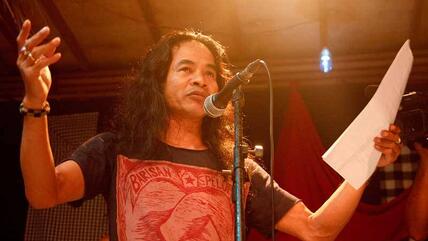 Indonesian literature at the Frankfurt Book Fair
The island that literature forgot
In his essay, the Indonesian writer and literary critic Wayan Sunarta sheds light on the history of modern Indonesian literature, and explains why it has so far failed to establish itself internationally
-
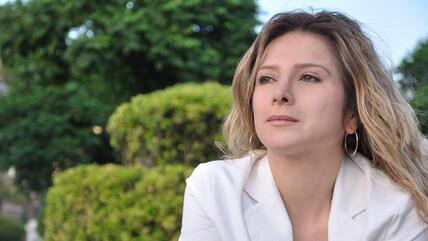 An interview with Syrian author Samar Yazbek
″The Crossing: My Journey to the Shattered Heart of Syria″
Pen Pinter prizewinner Samar Yazbek talks to Rosa Gosch about her latest book, ″The Crossing: My Journey to the Shattered Heart of Syria″, the current situation in her home country and her expectations of the West
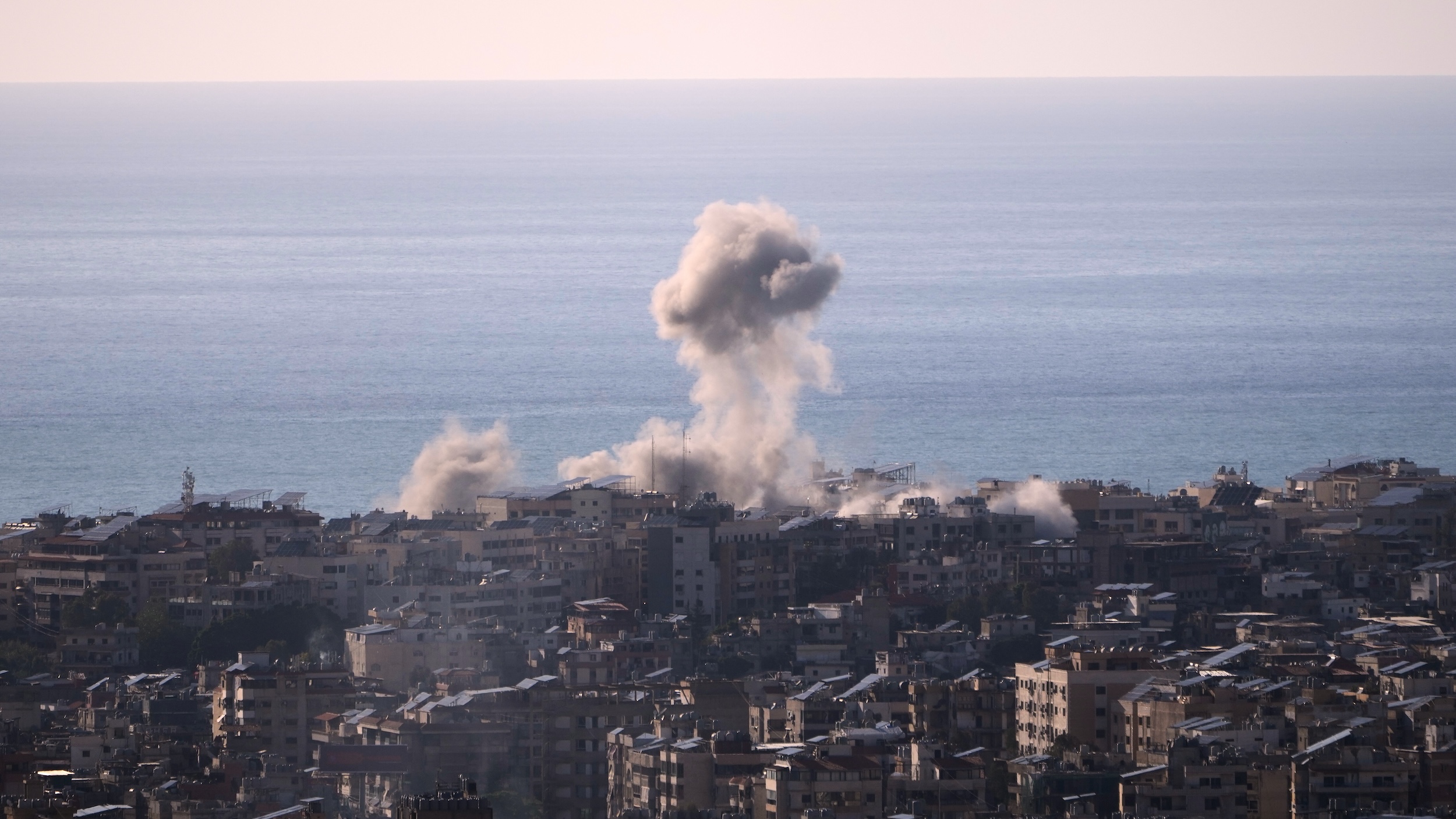
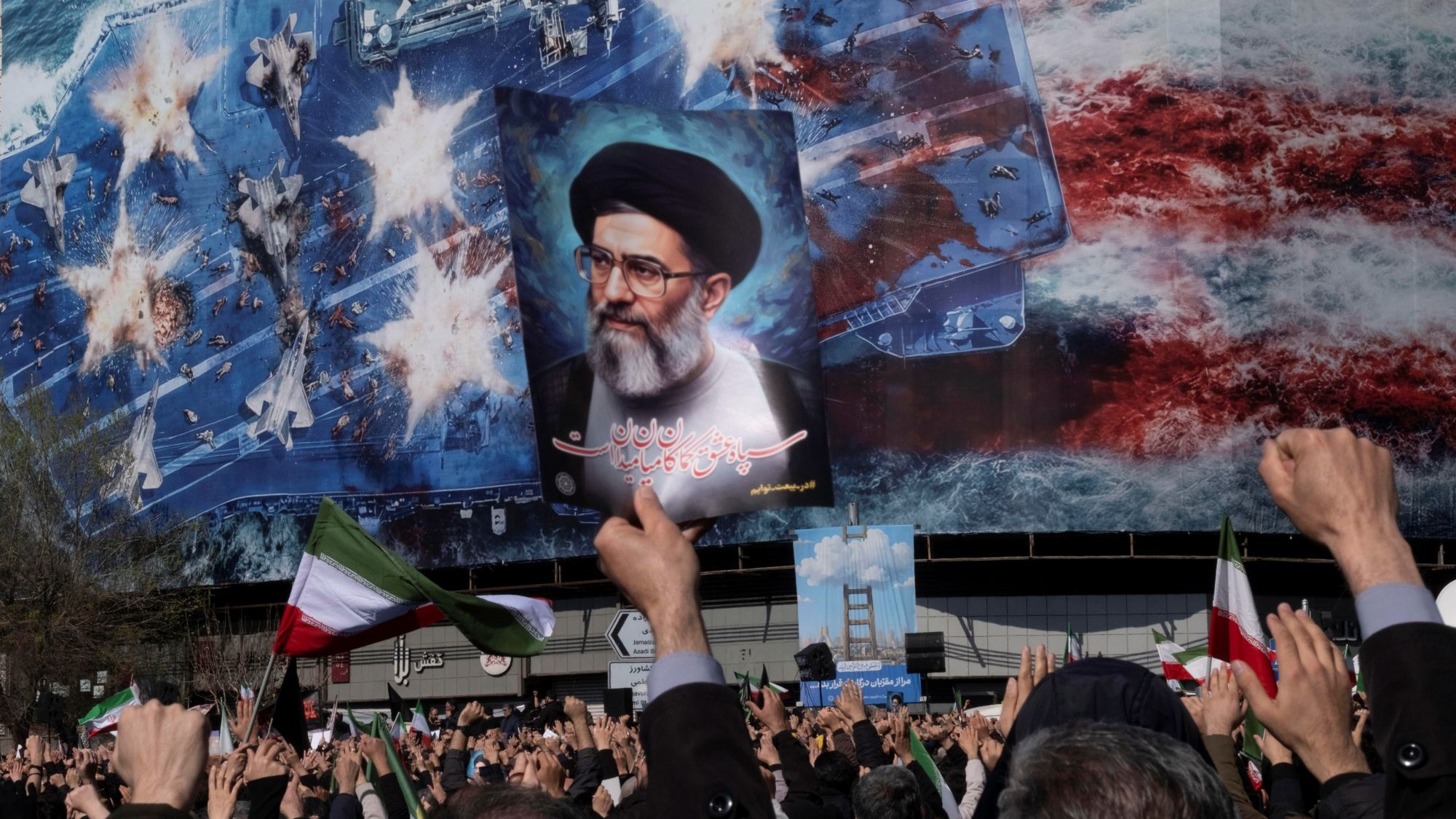
750th anniversary of Rumi's death
750th anniversary of Rumi's death - Qantara.de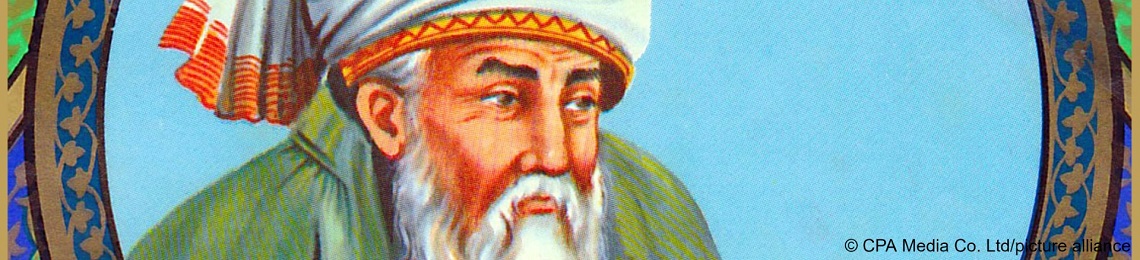
Most read articles
-
Frauen in Saudi-Arabien
Gefangen in einem System der Gender-Apartheid
-
Schriftsteller im Iran
Auf verlorenem Posten
-
Sex-Tourismus in Ägypten
Braut für einen Sommer
-
Frauenverein „Havle“ in der Türkei
"Weiße säkulare Frauen haben kein Monopol auf Feminismus"
-
Islamisch-theologische Fakultät in Sarajevo
Vermittlerin zwischen europäischer und islamischer Wissenskultur
-
Migranten in Istanbul
Kein Schmelztiegel der Kulturen