Will the Gulf states stand together?
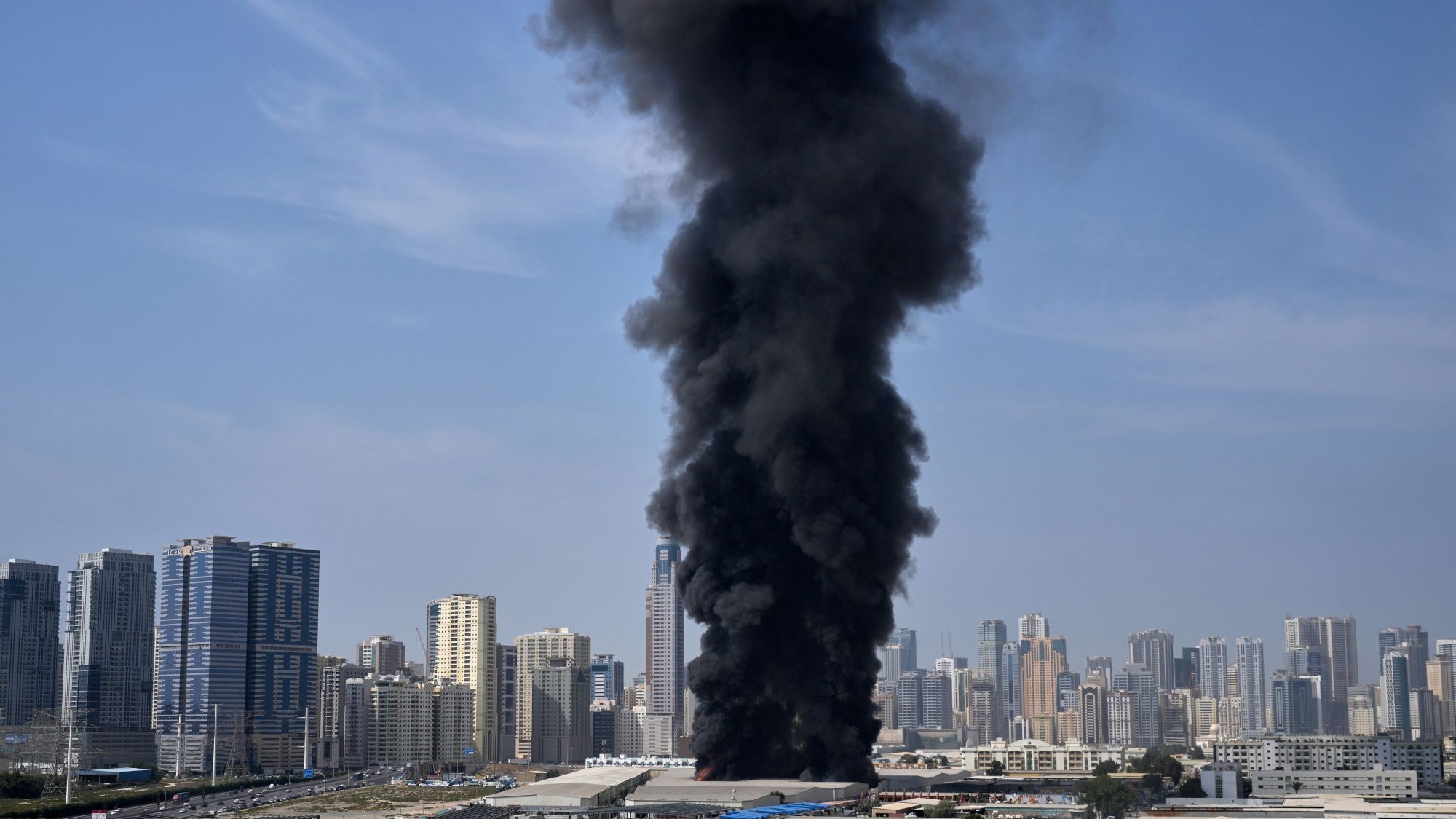
Since the start of the Israeli-American war against Iran, the Gulf states have been pummelled by intense attacks from the Islamic Republic. In the first week of the war, more than 2,500 missiles and drones were aimed at US bases, as well as at civilian targets, across the Gulf monarchies.
Although more than 90 per cent of the attacks were repelled in the first few days, attacks on critical infrastructure—oil refineries in Bahrain and Saudi Arabia, gas terminals in Qatar, airports such as Dubai, and seawater desalination plants such as those in Bahrain—are causing widespread shock and frustration in the Gulf.
Saudi Arabia is the world's largest oil producer, accounting for 34 per cent of global output; more than half of the country's revenue still comes from the oil business. Qatar generates 70 per cent of its revenue from liquefied natural gas (LNG). In the United Arab Emirates (UAE), some 90 per cent of the drinking water supply comes from desalination plants. Water is a highly sensitive resource.
Most recently, data centres belonging to Amazon Web Services (AWS) in the UAE and Bahrain were hit, jeopardising the Gulf states' ambitious plans to establish themselves as major hubs for computing power, data centres, and AI.
The attacks, aimed squarely at critical aspects of a regional business model based on innovation, investment and internationalisation, have hit hard. Infrastructural damage, a loss of confidence and emergency military spending could lead to a serious fiscal burden.
The Gulf states will most likely respond to this threat in three ways:
1. Domestic investment
An escalation of the conflict and further damage to critical infrastructure could lead to sharp increases in the price of oil. However, customers may also disappear, meaning that the Gulf states won't necessarily benefit from such an increase.
Rulers in the Gulf would then be forced to draw on government reserves to cover higher defence spending and to compensate for revenue losses from tourism and other sectors. Losses in tourism alone are estimated at more than 40 billion US dollars.
Most Gulf states have recently started to use government funds to diversify their economies. In future, these funds may well be diverted to rebuild destroyed infrastructure or to accelerate the development of a local military industry. This would mean a shortfall in funds elsewhere—in the financially powerful sovereign wealth funds, for example, which could review their investments and deposits abroad—such as in the US – and withdraw capital for domestic use.
2. Gulf solidarity
The Gulf states need regional stability to maintain their own reputation as reliable architects of prosperous economies. Key to their legitimacy is a narrative in which they are irreplaceable, and thus unassailable, internationally.
This narrative unites the Gulf rulers in Riyadh, Abu Dhabi and Doha, despite their existing differences and rivalries. Although a country such as Saudi Arabia might profit in the short term from the war and the resulting rise in oil prices, ultimately the attacks jeopardise the long-term plans of all the Gulf states.
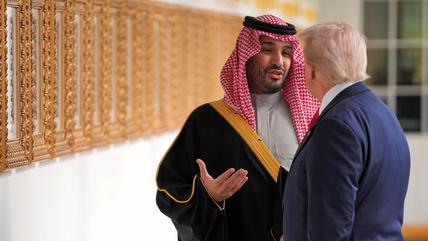
Did the Saudis want this war?
Saudi Arabia's calculations in the Iran war may be different from what many assume. Rockets and drones are flying towards Doha, Dubai and even Riyadh—yet the kingdom could still see opportunities in the conflict.
Given a background of continued escalation, short-term war dividends reaped by individual states would be no compensation for the threat to the greater good. The Gulf states' international reputation as a stable and attractive location would inevitably be threatened but internally, social cohesion may also be at stake.
Saudi Arabia, Oman and Kuwait are already suffering from socio-economic challenges such as relatively high youth unemployment. Which makes it all the more important that these states boast prosperous economies, rich in entrepreneurship, foreign investment and tourism to create both jobs and affordable housing for the younger generation.
Against this backdrop, there may be a growing desire for regional cooperation and coordination, especially when it comes to the development of a military command structure and defense industry that could reduce reliance on foreign partners such as the US in the future.
3. Iran: dialogue and pressure
To date, the Gulf states have not participated militarily in the war against Iran or attacked Iranian targets. Although this could still happen, such a course of action is fraught with risks. Countries such as Saudi Arabia want to avoid fighting alongside Israel, a state considered to be an aggressive hegemon and a source of regional instability.
In addition, the Gulf states know that only de-escalation and dialogue will serve their long-term goals. They could therefore pursue a dual strategy towards Iran, focusing on dialogue and pressure.
States such as Saudi Arabia and the UAE could maintain their rhetorical and political pressure on Tehran and potentially break off diplomatic relations. Riyadh has already summoned the Iranian ambassador, while Abu Dhabi has withdrawn its representative from Tehran. On the other hand, traditional mediators such as Oman and Qatar could keep channels of communication with Iran open to de-escalate the situation.
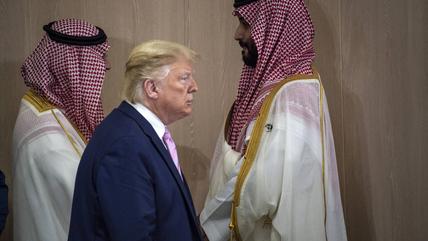
Skeptical optimism in the Gulf
Saudi Arabia and the Emirates hope to reap economic benefits from the Trump presidency. But the Gulf has learned that Washington cannot be relied upon. Meanwhile, the Saudis could push Trump to take a tougher stance towards Israel.
These three strategies aside, however, the crucial question is whether and to what extent the Gulf states are willing to work together. In the past, lofty words of unity were usually followed by little in the way of concrete action, as demonstrated by the open conflict between Abu Dhabi and Riyadh and the so-called Gulf crisis between 2017 and 2021.
As in previous crises, the Gulf states now have the opportunity to focus on their common ground. After all, the legitimacy of the Gulf rulers rests on the trust of their populations. By focusing on an external threat—namely Iran—rivalries such as those between the UAE and Saudi Arabia wouldn't disappear but could be pushed into the background.
After a period of dialogue between the Gulf states and Iran, fear of the aggressor is growing again. For many in the Gulf, the forced rapprochement with Iran is now considered a total waste of time. Rulers are now pursuing a course of nationalist patriotism and presenting themselves as strong leaders and defenders of national security.
On their own, however, they will struggle to meet the security and economic challenges ahead. What is needed is public unity, co-operation on matters of security, strong alliances with foreign partners and clear signals of confidence from their own societies and the world. Strategically, it would be wise for the Gulf states to portray themselves not as passive victims of an imposed war, but rather as dynamic agents of change.
This text is an edited translation of the German original. Translated from German by Louise East.
© Qantara.de