Gaza's lost photographs
Topics
It is said that a photograph preserves a moment forever—but what if the image is lost, erasing the precious moment for eternity?
This has happened time and time again as wars have devastated the Gaza Strip, destroying hundreds of thousands of homes. Among other possessions, families' personal photographs were lost. Albums that had immortalised the faces and histories of loved ones for decades vanished into the smoke of bombardment. Millions of moments, lives and memories have been wiped out.
Personal snapshots in the rubble
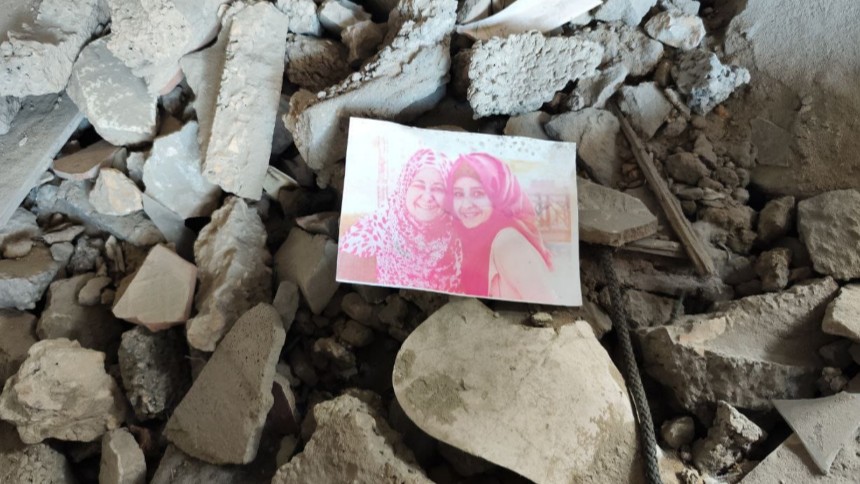
My sister's husband returned to his home in Jabalia after the October 2025 ceasefire only to find a few personal photos scattered among the rubble. Their building had been bombed three times, and he was faced with the charred remnants of the former life he had shared with my sister and their daughters before they were displaced to Egypt. Practically nothing was left behind.
Many people believed that by staying on their land, they could protect their homes and their belongings—but, in the end, they couldn't even protect their children. Buildings were razed to the ground, and much of the Gaza Strip's geography is unrecognisable. Returnees can often not even locate where their home was. The markers that once distinguished it during previous wars, a tree or an electricity pole, have all disappeared.
People count themselves fortunate to discover any personal items amid the vast, barren wasteland, so when my sister's husband found a few pictures on top of the rubble, he couldn't believe his eyes. He photographed them so they would be preserved electronically in case they were destroyed in the future.
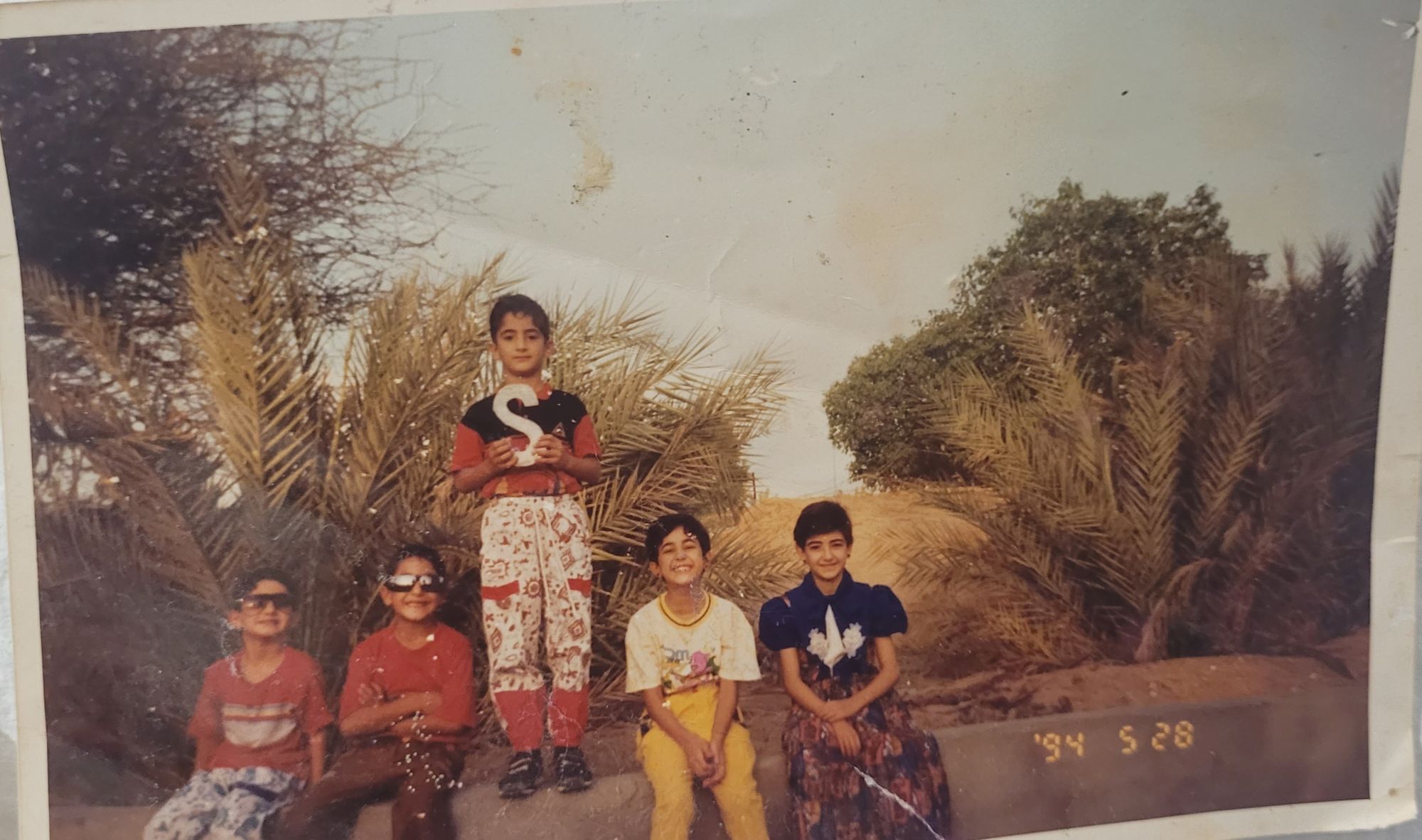
During my lifetime I have repeatedly experienced the loss of photographs and memories. In the United Arab Emirates (UAE) as a child, we kept four albums of our small and extended family in Rafah, southern Gaza. These included photos dating back to the 1960s, when my grandfather's house was built, marking the end of years my family had spent living in tents after the 1948 displacement.
We lost one of these albums when we moved to a new home in the UAE, and I spent a long time trying to reconstruct its images in my memory. When we returned to Gaza in 1997, we brought with us what remained, and my nine siblings and I divided a few photos among us. This was our shared inheritance, but we didn't know at the time that these would soon be all we had; the rest burned when war came to the family home in Rafah.
Sometimes I can recall photos from those destroyed albums at random, but I cannot picture them with the same clarity as that very first album that was lost. I remember wedding celebrations in the camp, feasts in the courtyard of our home, my grandfather standing at the doorway wearing his sunglasses, and my grandmother in her thobe, a traditional Palestinian woman's dress, smiling, surrounded by grandchildren, tea and cake.
It's painful to realise that there are lost images that I will never remember—they have vanished entirely from existence and from my memory.
A visual archive of Gaza and its people
Gazans have long struggled to preserve their personal photographs through successive wars, as they often remain the last traces of loved ones' faces. This value extends beyond the personal to images of shared memory—like those captured by the Armenian photographer Kegham Djeghalian, founder of Gaza's first commercial studio, Photo Kegham, in 1944.
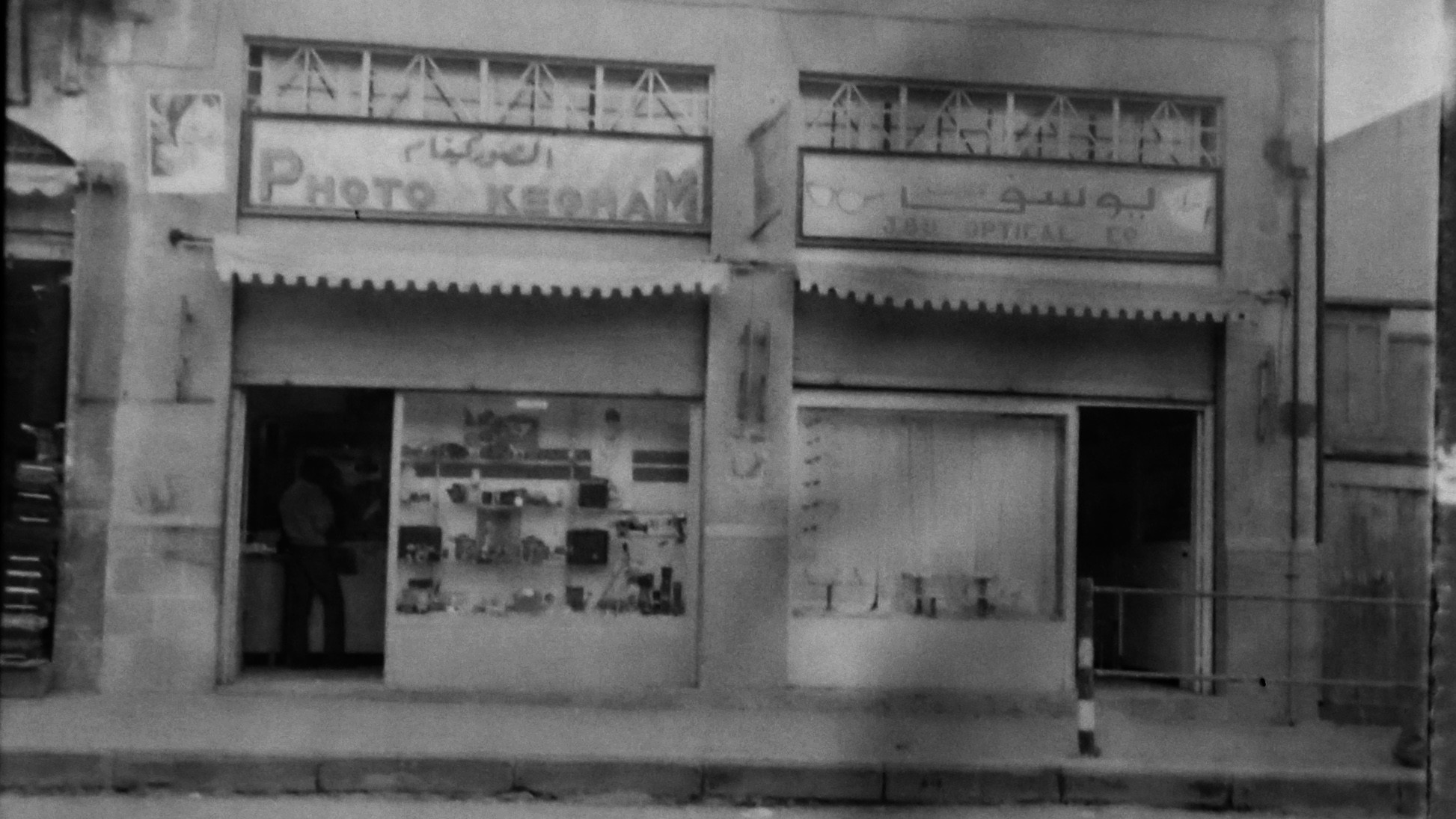
Kegham's life and legacy are chronicled in the 2019 film "GazaGraph" by director Yousef Nateel, which traces a lifetime dedicated to photography in Gaza and the creation of a photographic archive of its people.
Kegham's student, Moris Terzi, later took over the studio and its archive under a new name, Studio Moris, a project he worked on until his death. His brother, Marwan Terzi, carried on the profession until he was killed, along with his sister, wife, granddaughter and others, at the beginning of the latest war, when the Israeli army bombed the Church of Saint Porphyrius.
His son, Sami Terzi, was determined to preserve what his father had protected for decades and managed to rescue part of the archive from their destroyed home. He managed to rescue most of it, but not everything: "Some of it remains buried under the rubble," he said. "I couldn't retrieve it before I was forced to leave the Strip."
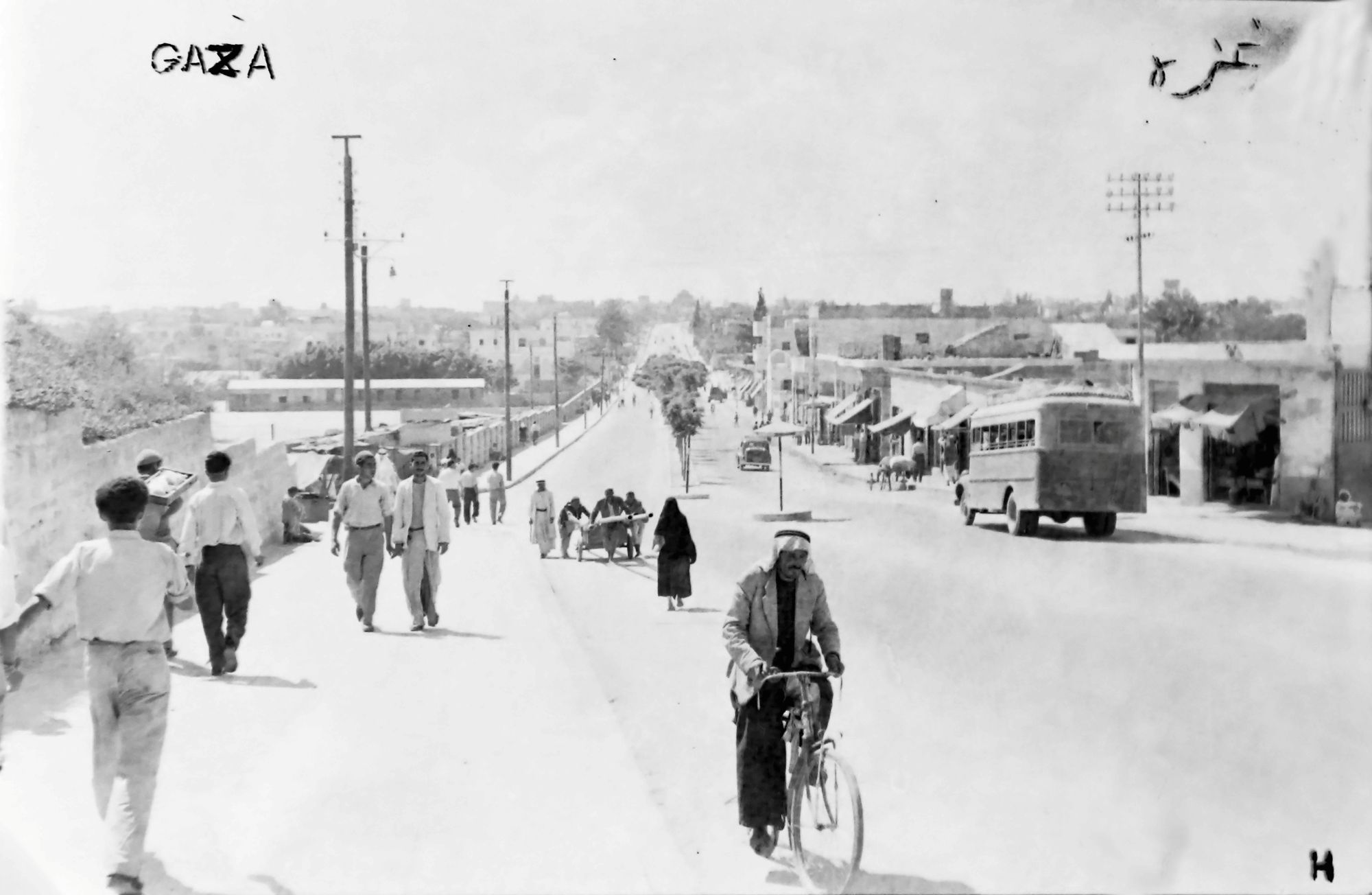
Across the region, Kegham was an inspiration, prompting many young people to take up photography. One of them was the photographer Mohammed Hassouna, who I met at his home in Gaza City while reporting in 2013. He showed me his visual archive of Gaza from the 1970s and 1980s, which included old film reels of café-lined street scenes and family gatherings.
Hassouna died from wounds sustained in bombings during the latest war, and his archive became fuel for cooking fires for local people.
Recalling past freedoms
The 40-year-old lawyer Karim Abu Dahi also left family photo albums behind when he fled Gaza City to Rafah and then moved to Egypt after threats of an invasion of Rafah in 2024. He told me that when the evacuation from Gaza began, he and his wife packed bags for themselves and their two children, including official documents and some clothes. Only later did they realise they had left their photo albums behind, including their wedding album and old photographs of his late grandparents, which had no digital copies and he now tries to retain in his memory.
"I began recalling every photo," he told me. "From the days in the camp, to a picture of me winning a high school football match, to photos we had taken at the studio in Rafah… Every photo had a story. Now everything has disappeared, as if this history never existed."
For the poet Fidaa Ziyad, who lives in the Gaza Strip, photographs and albums represent an archive, both an extension and proof of Palestinian existence. She feels she has failed to safeguard her family's history when she was forced to leave the albums behind while trying to survive bombardment. An iconic photo of her parents' engagement was left behind, but luckily her sister had a copy.
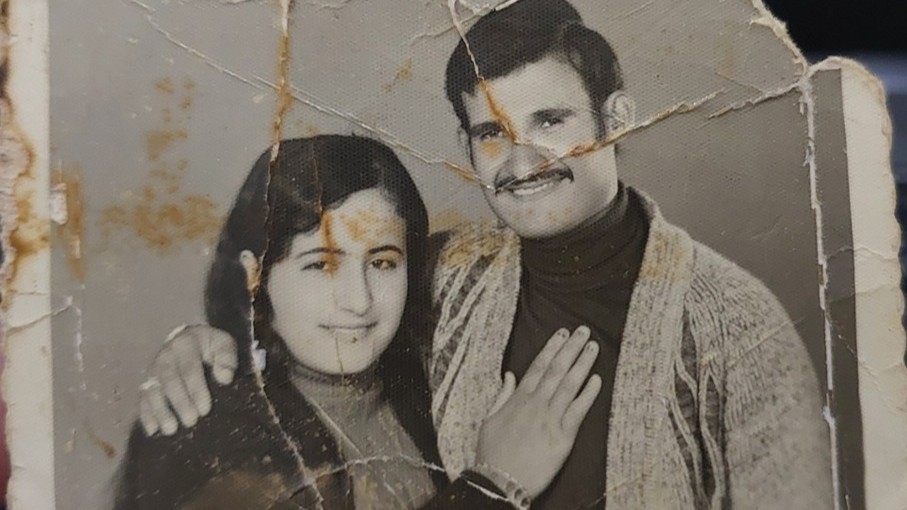
She laughs as she recalls how albums formed a focus of family gatherings. Everyone would gather to comment on photos of their uncle as a young man, their brother abroad, and the first wool dress their mother knitted for the children. They would scrutinise the handwritten notes and dates on the backs of the pictures. Photographs, she said, serve as proof of another era, they depict freedom and joy. They document family trips to Haifa and Jaffa, celebrations, and also how the family survived destruction, a visual testament of family life.
Perhaps, she says, future generations will one day unearth these photos beneath the rubble, fragile proof that lives were lived here.
This is an edited translation of the Arabic original. Translated from Arabic by Maram Taylor.
© Qantara.de