Unity does not come by decree
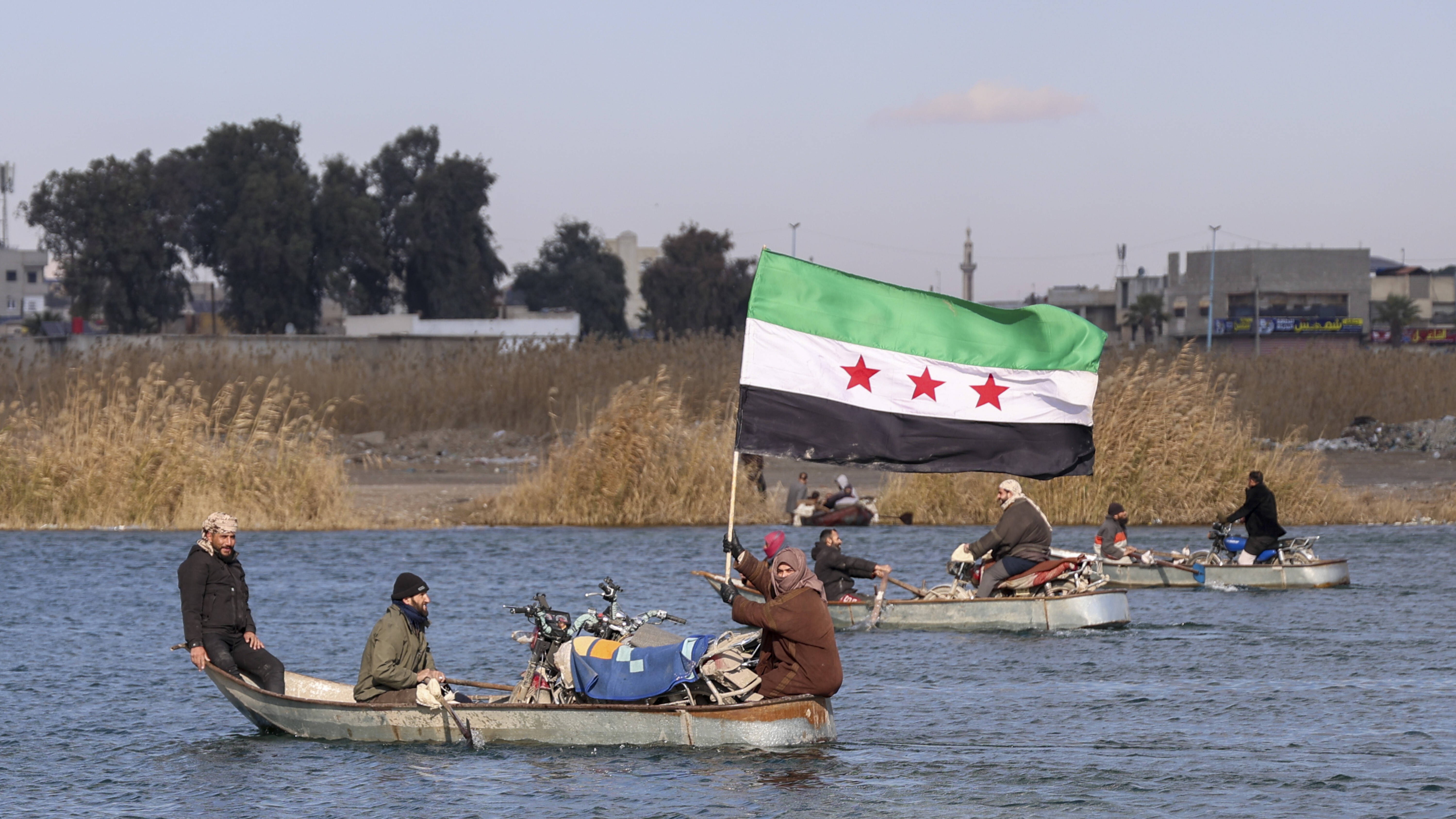
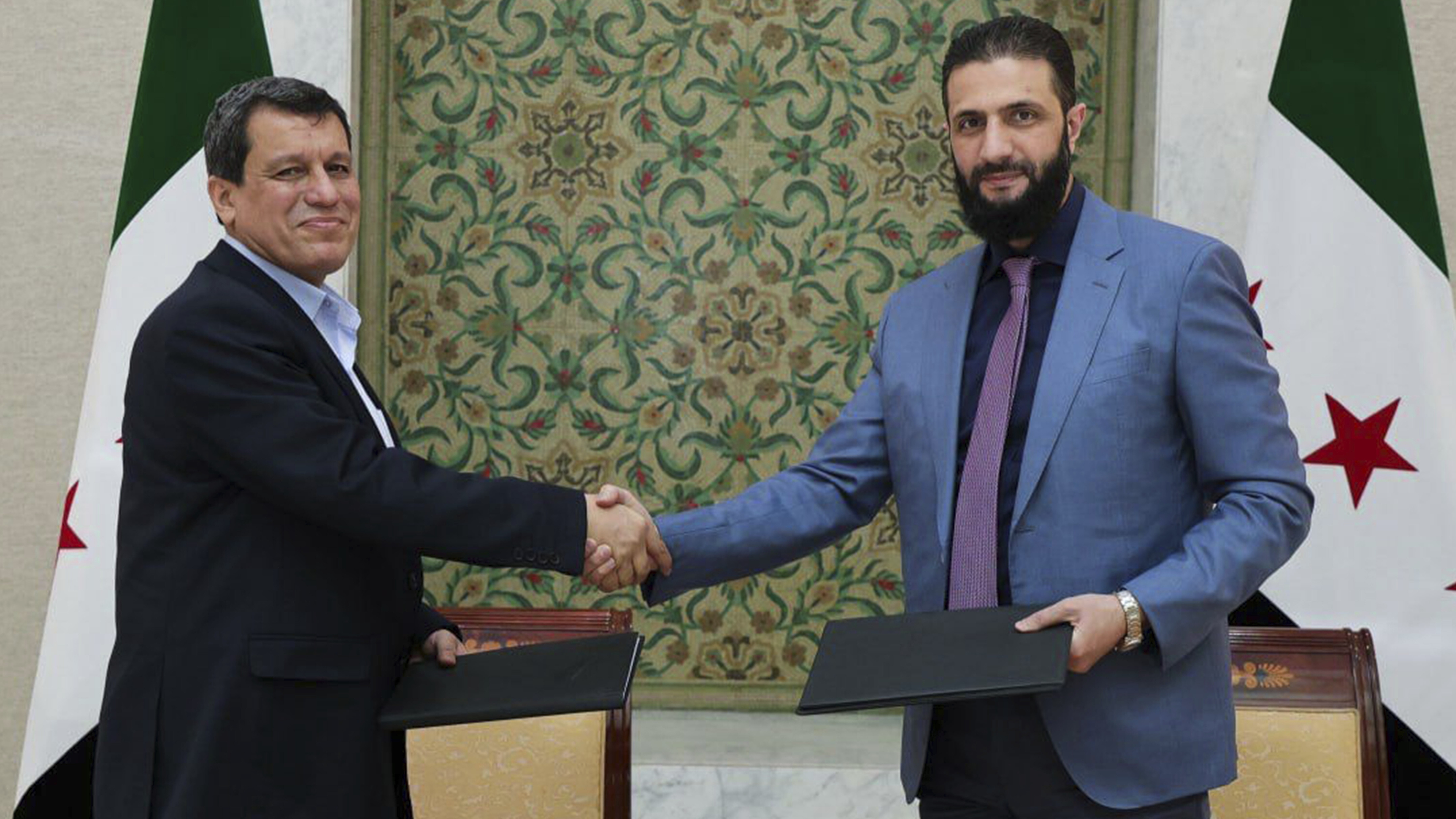
"No more bloodshed", the mantra that finally brought everyone to their senses. After three weeks of escalation in northeastern Syria, after military clashes, human rights violations, the displacement of tens of thousands of civilians, failed negotiations and ceasefires, and in the face of a discourse marked by hatred and incitement, Syrian transitional president Ahmed al-Sharaa and Mazloum Abdi, commander of the Syrian Democratic Forces (SDF), reached another agreement.
The 30 January agreement marks the end of Kurdish autonomy and the restoration of central government sovereignty in northeastern Syria. Local structures are set to be integrated into the central state, rather than dissolved.
The legal and cultural equality of Syrian Kurds, including the recognition of Kurdish as a national language, had already been established in earlier agreements. But from the Kurdish point of view, it still needed to be guaranteed under constitutional law.
The new agreement also outlines a concrete plan for integrating the autonomous Kurdish-led government into the Syrian state, with initial details reflecting the interests of both sides. The deal was reached under pressure from the US and with the support of France and the autonomous Kurdistan Region of Iraq, who will oversee its implementation as guarantor powers and will also, according to the SDF, be present on the ground.
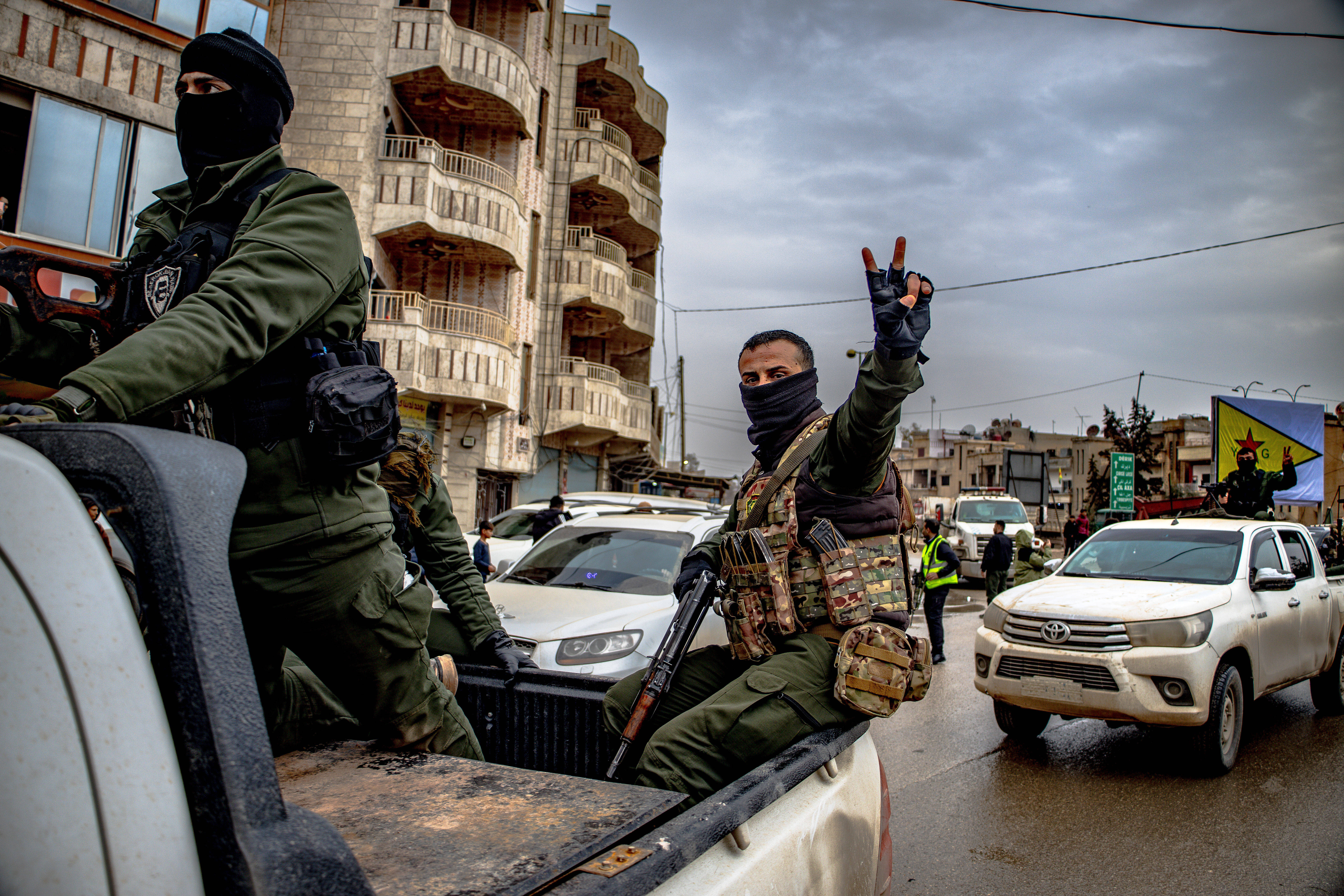
For the new Syria, over a year after the fall of the Assad regime on 8 December 2024, this is an important step toward national unity. One-third of the country's territory, the resource-rich northeast, which includes oil and natural gas deposits and large agricultural areas, has been under the control of the Kurdish-dominated Autonomous Administration of North and East Syria (AANES), protected by its military, the SDF, and its police, the Asayish.
Now both the armed forces and the administration are being integrated into the Syrian central government. The SDF will be incorporated into the army in the form of four brigades (three in Hasakah, one in Aleppo) and placed under the authority of the Ministry of Defence. The Asayish will come under the control of the Ministry of the Interior.
Damascus is also taking over the border crossings with Iraq and Turkey, the airport in Qamishli, as well as the oil and natural gas fields. Local employees will keep their jobs but will now be paid by Damascus. The goal is to create a unified administration instead of parallel structures.
SDF repression
What months of talks had failed to achieve, al-Sharaa executed with military force. The SDF miscalculated, ignored power shifts for too long, made strategic mistakes and overstretched the patience of others. The transitional government could no longer go without a third of the country; it requires oil for reconstruction, formal unity and the monopoly on the use of force to back up its claim to power.
In addition, the US is no longer interested in helping Syria, but rather in making deals. It has chosen al-Sharaa as its point of contact and partner, following his entry into the Global Coalition To Defeat ISIS, in the fight against the Islamic State (IS). From the US perspective, the SDF had fulfilled its role. They remained military partners, but did not become political allies.
After the fall of Assad, the Arab population in northeastern Syria was keen to become part of a united Syria as soon as possible. The SDF responded to expressions of support for the new Syria with repression and violence. In the eyes of the inhabitants of Raqqa and Deir ez-Zor, this turned them into even more of an occupying force. This explains why, when the transitional government's troops advanced in the northeast, Arab SDF members defected in droves, and Arab tribes dared to revolt.

Kurdish as a living language
"When I was a child, I felt ashamed of my identity," says linguist and translator Marwan Sheikho. Determined to create a different reality for his own children, he's made his publishing debut with three bilingual Kurdish children's books.
Facing such dire circumstances—al-Sharaa's Islamist fighters at the door, no US backing and hostility from much of the local population—Mazloum Abdi ultimately capitulated and managed to achieve a face-saving handover of power, avoiding bloodshed in the Kurdish population centres of Hasakah, Qamishli and Kobani.
While many Arabs celebrate this development as the end of the "PKK occupation" and the beginning of reunification with Damascus, Kurdish inhabitants look to the future with concern. They fear a centrally organised, Arab Sunni regime that could be worse than the former Ba'ath rule, because under al-Sharaa, Arab nationalism is now combined with some form of Islamism.
So can what belongs together in the northeast become one? Or does what is now being brought together in northeast Syria really belong together at all?
The unfulfilled promise of grassroots democracy
The first prerequisite would be to acknowledge the different perspectives on the reality on the ground. Romanticising the entire northeast as a democratic model called Rojava ignores what the AANES itself had emphasised: that this was not a Kurdish project, but an administration for all residents. Geographically, Rojava (Western Kurdistan) also only covers the historical settlement areas of the Kurds in Afrin, Kobani and Jazira.
During the war, the autonomous administration, dominated by the PKK-affiliated Democratic Union Party (PYD), had to come to terms with the Assad regime. It crushed protests and persecuted political opponents. For opposition Kurds, the AANES was a one-party regime. Those who were attacked elsewhere in Syria with barrel bombs, rockets and chlorine gas considered the PYD's ceasefire agreement with Assad to be treason. For those in the province of Hasakah, however, it spared them suffering and destruction.
The PYD wanted to implement "democratic confederalism" in northeastern Syria, a system devised by Abdallah Öcalan while in Turkish captivity that envisions the equal coexistence of all social groups within the existing nation-states of Turkey, Iraq, Iran and Syria. The PKK founder rejected the idea of a Kurdish state 20 years ago; neither the PYD nor the SDF sought secession from Syria.
From terrorist to peacemaker
On Saturday, the PKK declared a ceasefire in response to jailed leader Abdullah Öcalan's call to disarm. The collapse of the last Turkey-PKK ceasefire in 2015 triggered an eruption of violence. Will Öcalan succeed in ending the 47-year-old conflict this time?
For years, AANES granted more freedom than was experienced in other parts of Syria, allowing a degree of civil society engagement and critical media. But it also committed crimes: allegations include forced recruitment of minors, persecution and murder of opposition figures, unlawful detention of young people, and torture and ill-treatment in prisons.
AANES has not fulfilled its promise of grassroots democratic participation. Though there were decentralised structures, PYD party cadres always had the final say. Most Arab residents perceived the self-administration as foreign rule, even if they initially accepted it as a lesser evil compared to Assad and IS.
For many Kurds, on the other hand, AANES was a de facto government. It was not perfect, because it was authoritarian and corrupt, but at least they could profess their Kurdish identity. Kurmanji went from a dialect spoken in private to the language of education. It was taught in schools and used in government offices. This was a major achievement for a people without a state.
Meanwhile, Arabic language instruction was neglected in Kurdish-speaking schools, with the result that many young people in Qamishli no longer have a sufficient command of Arabic to study in Aleppo, Latakia or Damascus. The issue of education and bilingualism will therefore play a decisive role in further negotiations.
There is also a historical and international dimension. With US support, the SDF defeated IS territorially and has been responsible for tens of thousands of IS fighters and their families since 2019. The fact that they have now been abandoned feels like betrayal to Kurds worldwide, again. This explains the international protest wave of recent weeks.
No trust in al-Sharaa
The success of the integration of northeast Syria will depend on whether everyday life improves for everyone, prices remain stable, electricity flows and salaries are paid. Most government employees, teachers and police officers will want to keep their jobs, regardless of where the money comes from.
The much-needed investments in Syria's oil industry and agriculture must also benefit the northeast and its inhabitants, not just an elite in Damascus, as was the case under Assad. And, as everywhere else in Syria, injustices must be addressed without holding entire population groups collectively responsible.
Al-Sharaa got what he wanted in northeastern Syria: sovereignty, institutions and resources, without having to agree to a decentralised system. After last year's sectarian and ethnically charged massacres, the Kurdish population has no trust in his troops.
Therefore, al-Sharaa must keep his word and prove that Kurds are indeed equal and safe in the new Syria. Unity does not come by decree; it grows from within. The Druze in Suwayda and Alawites on the coast will be watching closely to see how things develop in the northeast.
Translated from German by Max Graef Lakin.
© Qantara.de