An obsessive archivist
Topics
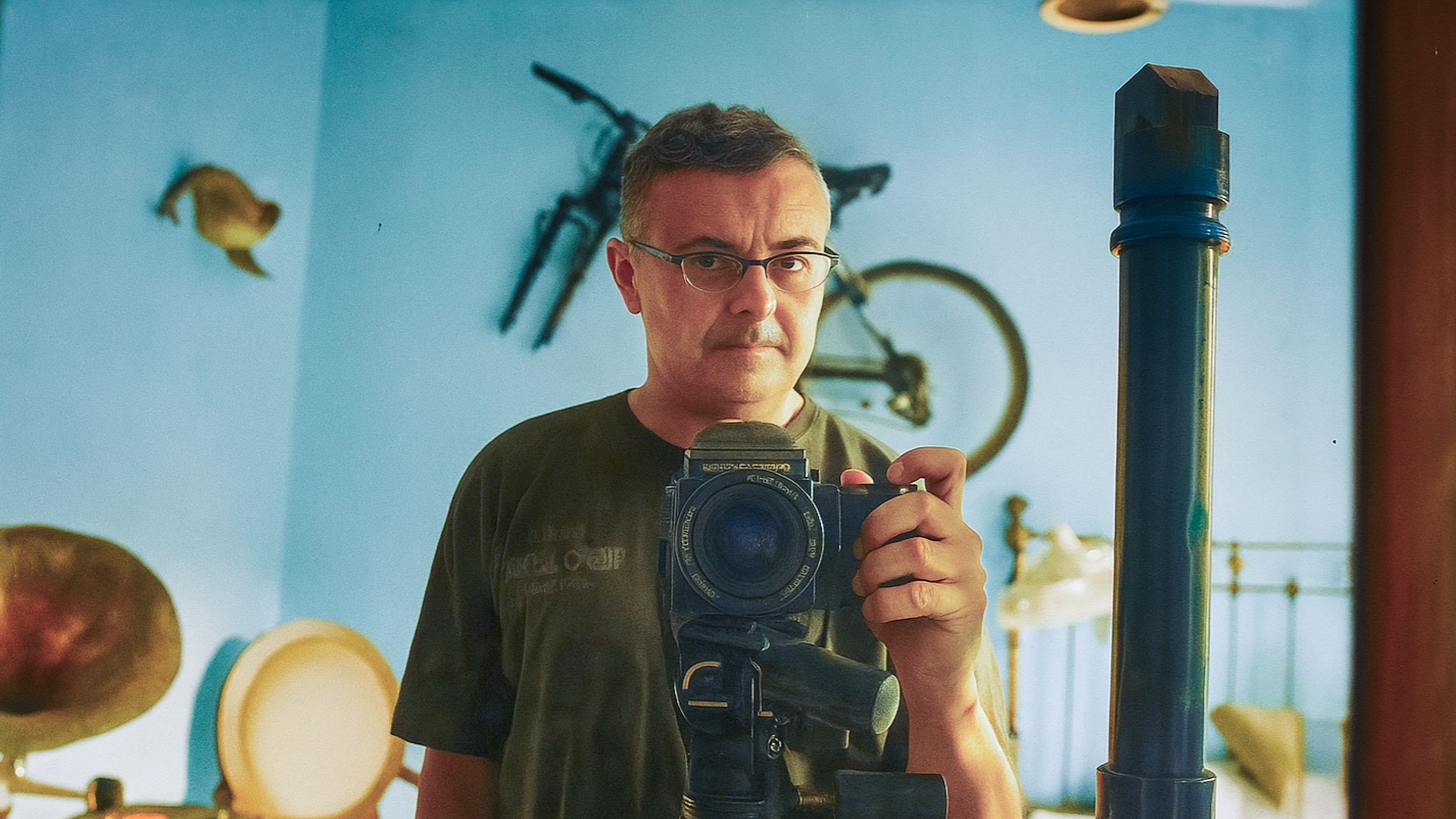
Ahmed Hasan's unusual and all-consuming passion began when, as a child, he was allowed to visit a relative's photo studio in the Qalamun Mountains northeast of Damascus.
Hasan, now 59, was captivated by the smell of the chemicals used to develop the negative film, by the flash on the camera. This "magnificent machine," as he calls it, the analogue camera, was always more than just a tool to him. It was a promise of a magical world to be discovered, hidden beneath the veneer of the visible and the sayable.
"When light falls on a place or object, it sometimes transforms an ordinary scene into something alive and magical that is worthy of entering the collective memory," says Hasan. "I began to understand how a photograph can preserve time and tell a story."
In his youth, he inherited an old German camera from his grandfather, a Kodak Retina from the 1940s. It sparked a deep and long-lasting connection with the art of photography. He used it to document fleeting moments in his village, people's faces and details of everyday life.
From the archive (8 images)
-
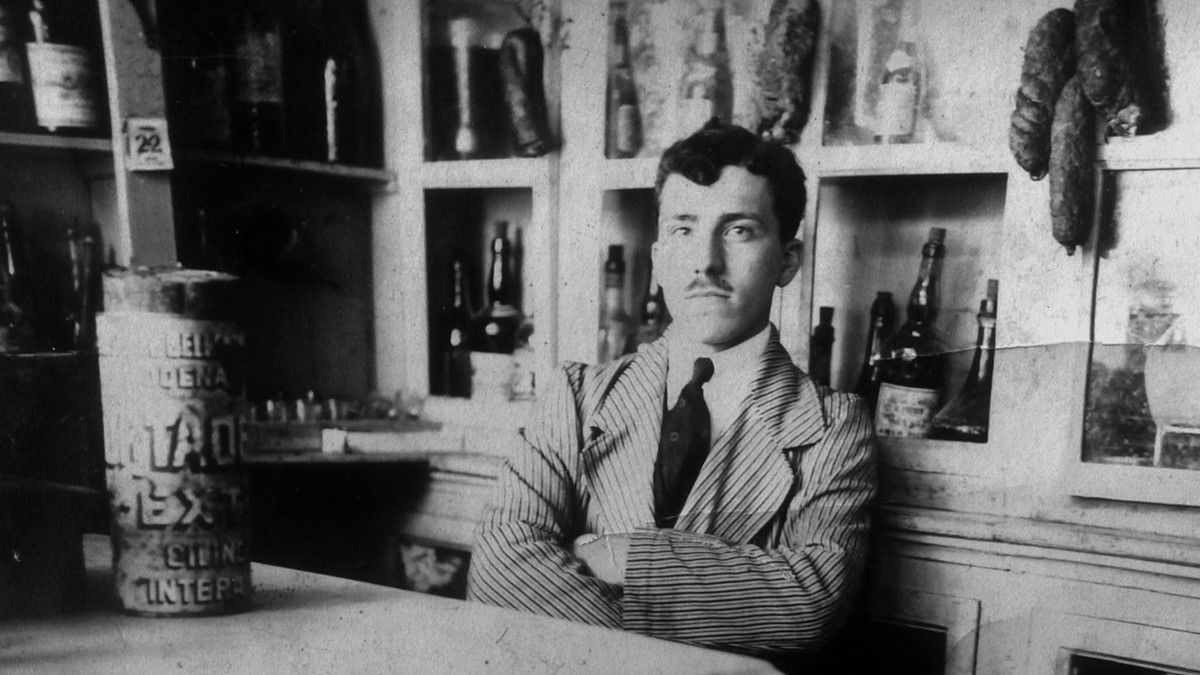
Spirits merchant, Damascus, 1960. (Photo: private) -
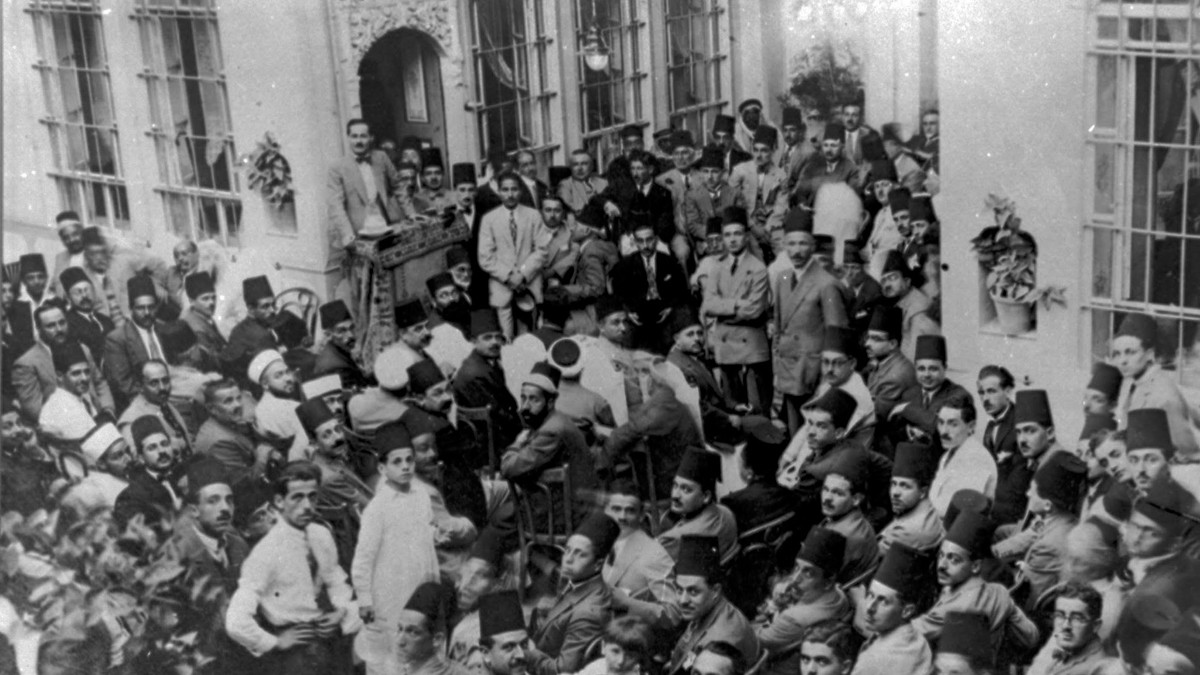
A meeting of intellectuals and politicians from the Syrian National Bloc, a movement opposed to French Mandate rule, at the Damascus home of the well-known and respected Tawfiq Qabbani. Standing behind the podium is Fawzi al-Ghazzi, regarded as the "father" of the 1928 constitution. (Photo: private) -
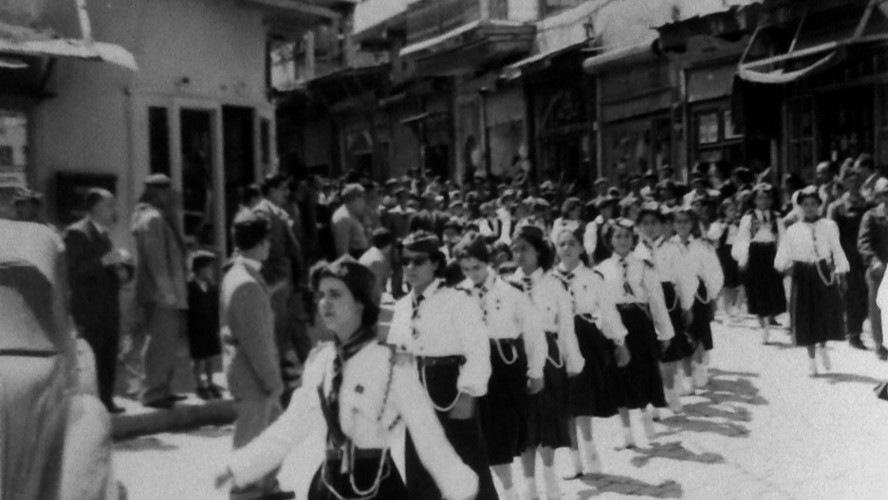
Syrian Girl Guides march along the famous Hadjar Street near Damascus's Bab Tuma district, early 1950s. (Photo: private) -
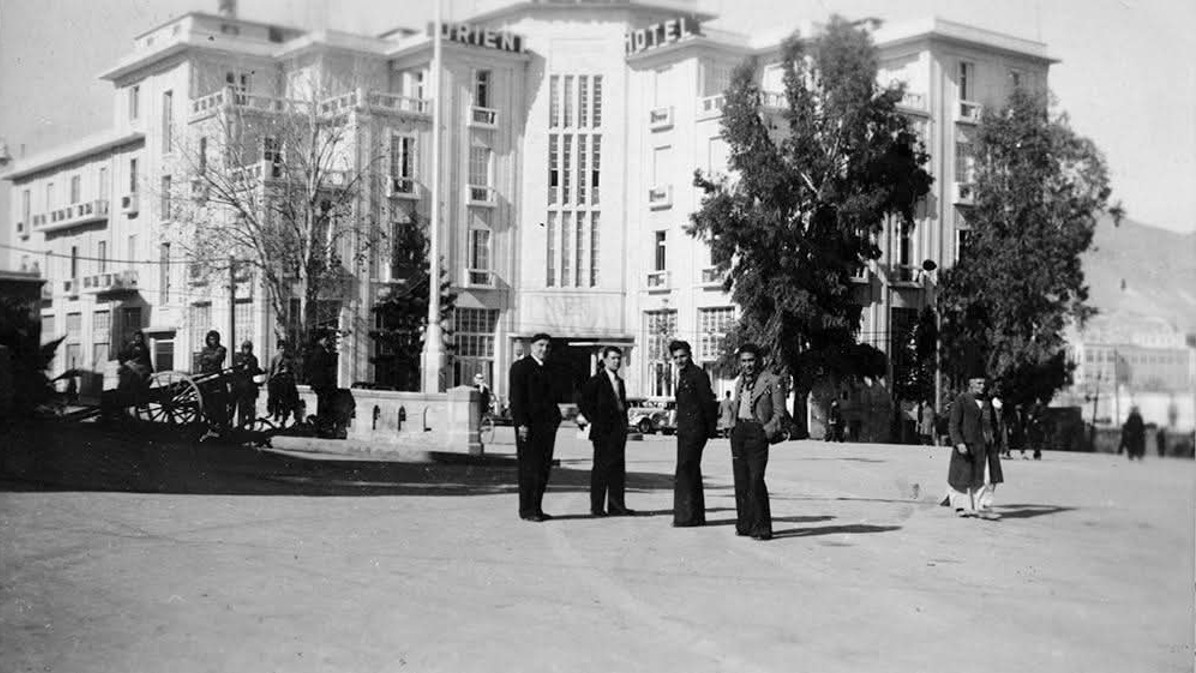
Syrians pose with French soldiers in front of the Hotel d'Orient in Damascus, a meeting place for politicians, officers and colonial officials, 1938. (Photo: private) -
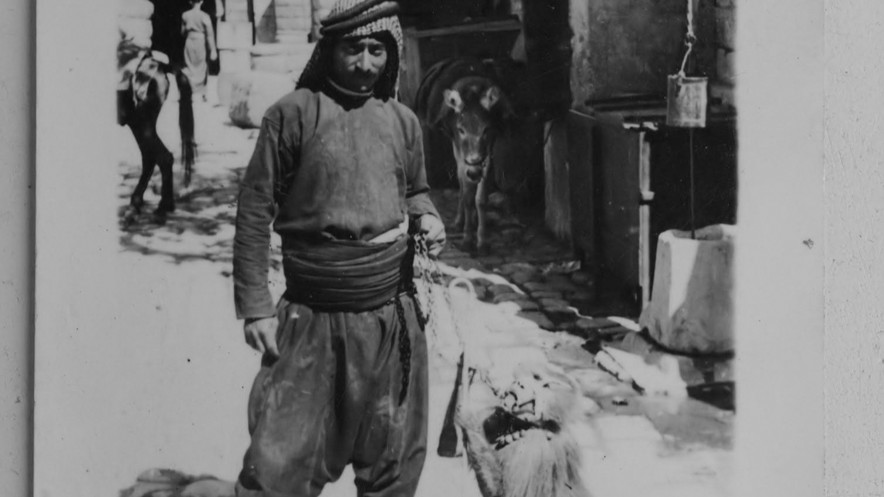
A man from Aleppo in 1939 who worked as a monkey trainer or street performer with trained monkeys, a profession commonly known as "Qaradeh". (Photo: private) -
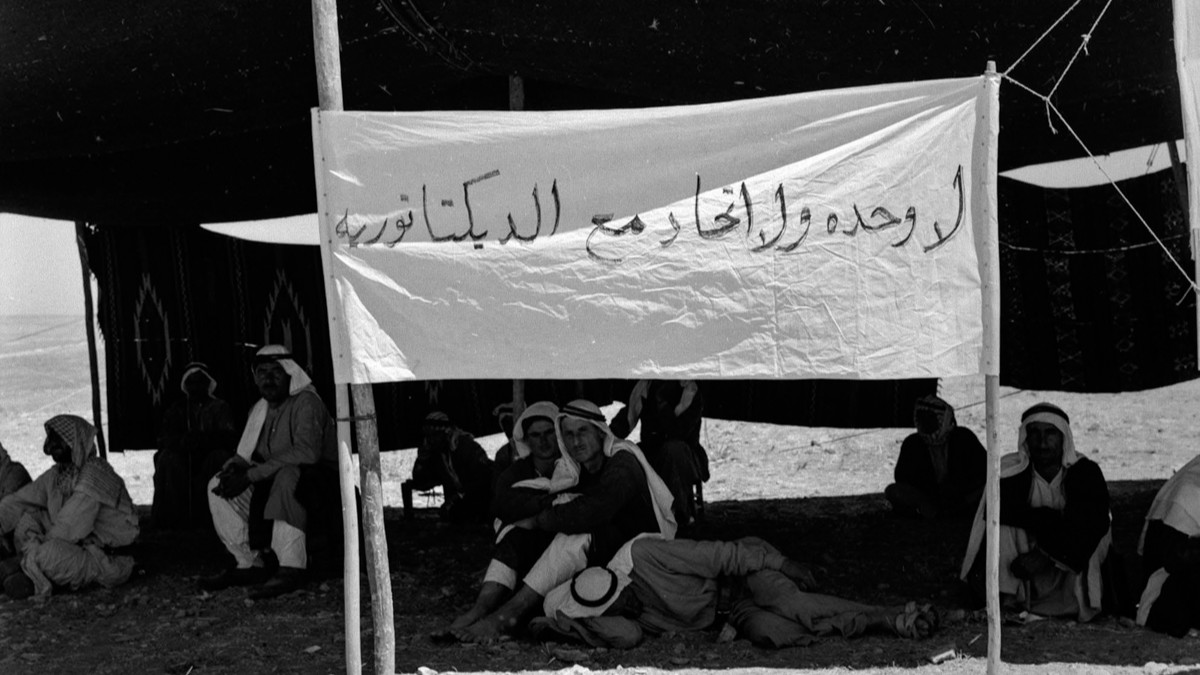
Protesters sit in a tent in a village. A banner reads, “No union and unity with a dictator,” highlighting the political awareness of rural communities often absent from official narratives. (Photo: private) -
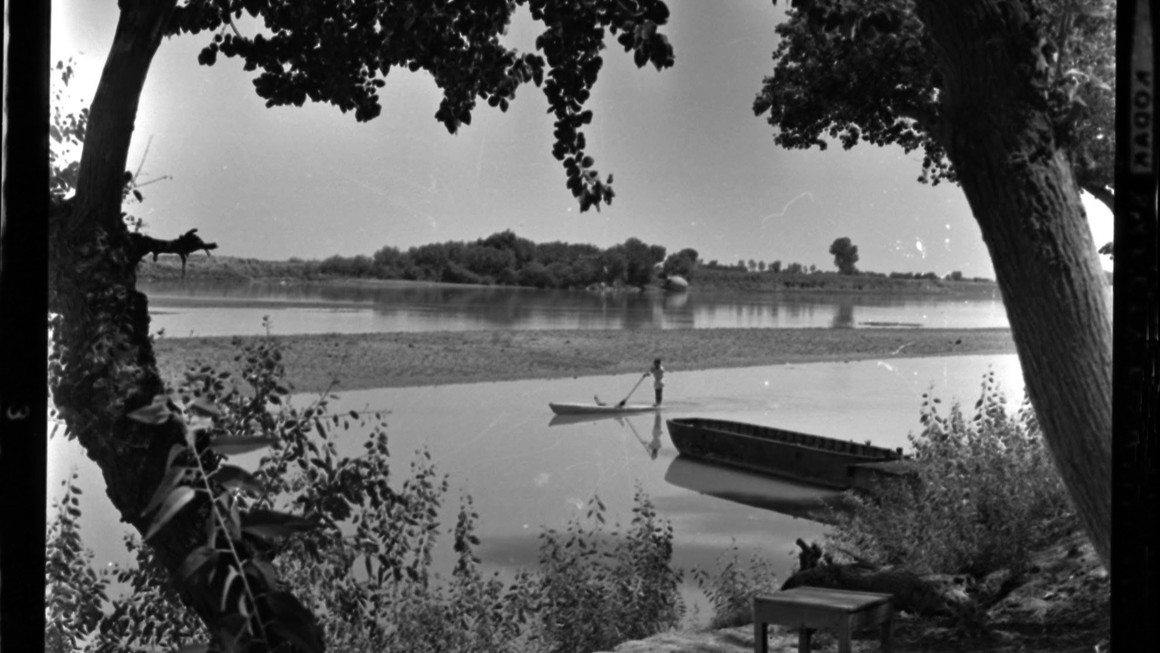
The banks of the Euphrates, ca. 1960. (Photo: private) -
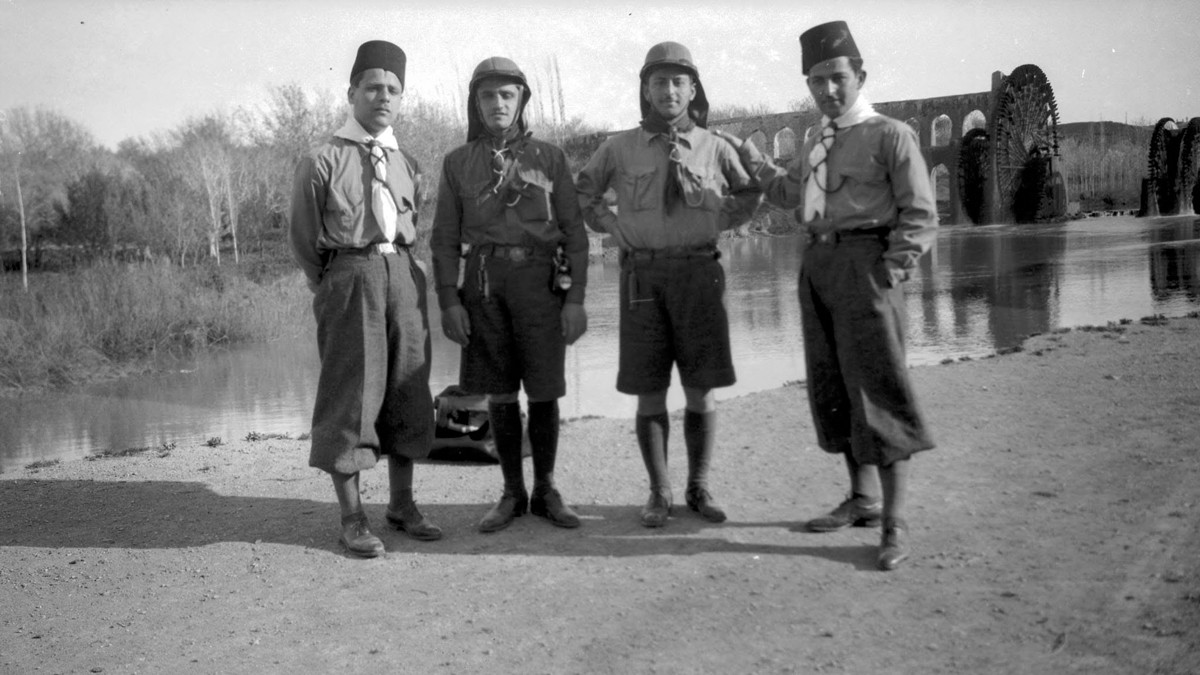
A group of Syrian Boy Scouts on the banks of the Orontes River (Nahr al-Asi), 1930s. (Photo: private)
But Hasan's real obsession was not photography, but archiving, the preservation of photographs as historical documents of memory. His father already had an extensive family archive with pictures from the 1950s and 1960s. Over time, Hasan himself began to collect old photo archives.
His first discoveries were photographs of a middle-class family from Aleppo dating back to the early 20th century. In these images, he saw more than faces: he found stories, gestures, clothing, interiors. Those photos seemed to have been waiting for him to bring them back to life after all those years, sometimes after a full century. He realised that a photograph often hides more than it reveals, and that, through inconspicuous details, it can offer vital clues to understanding historical shifts.
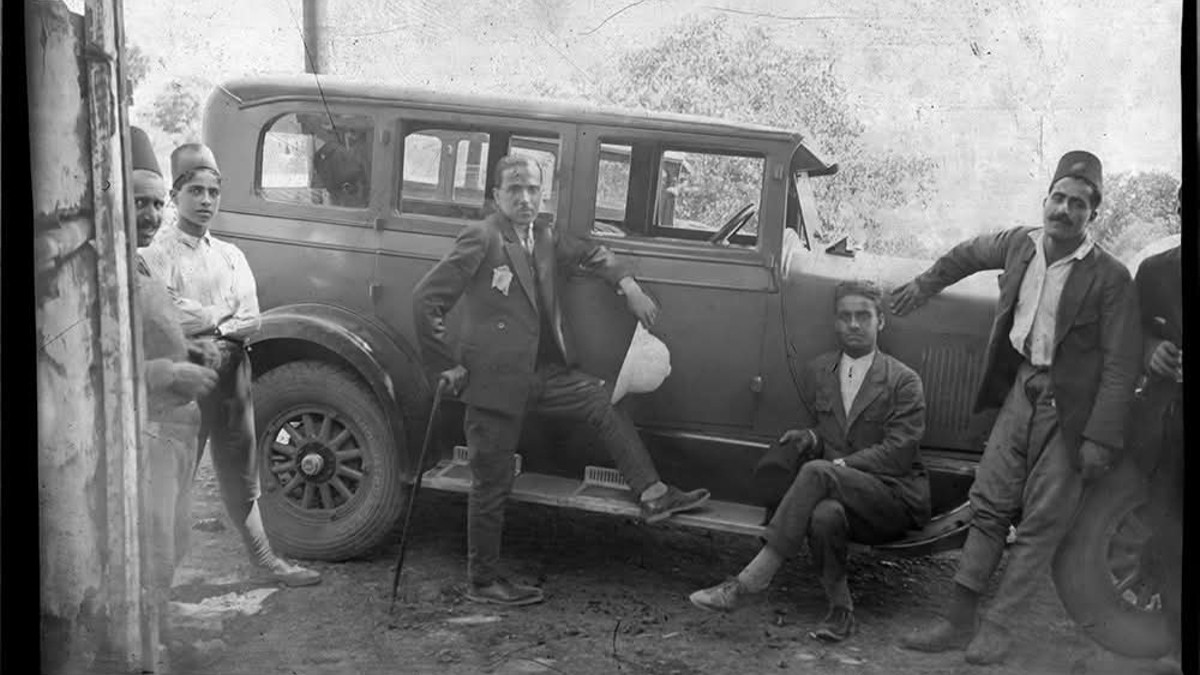
Hasan's archive includes private photographs from across Syria's different regions and eras. For every image, he searches for context, researching the social, political and cultural conditions behind it.
"I wanted to find stories you don't read in books, because they're written in the faces of ordinary people." People who play no part in novels or official histories.
The result is a vast archive that documents Syria's political, social and cultural life from the French Mandate period (1920–1946) through the Syrian-Egyptian union (1958–1961) and up to the rule of the Ba'ath Party (1963–2024).
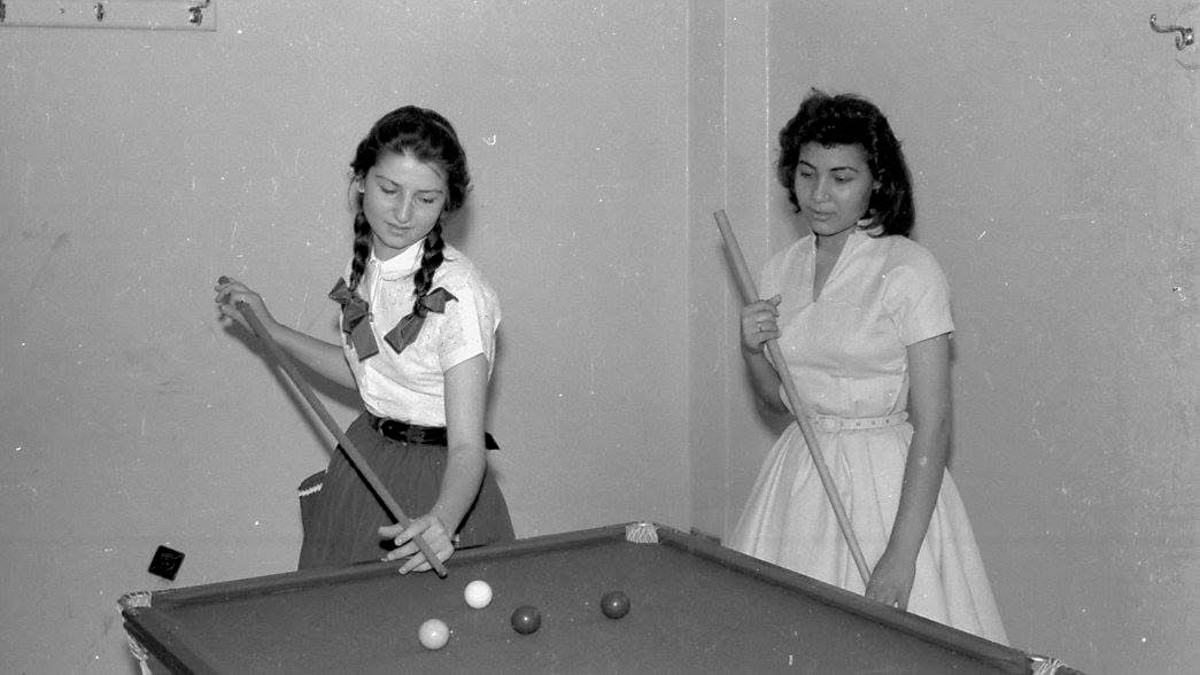
His obsession went so far that he sold valuable personal possessions to acquire photographs from well-known Syrian photo studios.
In the end, he even sold his own house to to continue financing the archive, a project that preserves a collective memory spanning decades and encompassing social and cultural spaces as diverse as funerals, the everyday lives of ordinary women in villages and student life in the big cities.
Ahmed Hasan's life's work is thus much more than just photography. It is a form of resistance against forgetting. A silent, visual narrative of Syria and its people.
This text is an edited version of the German original. Translated by Max Graef Lakin.
This text appears in a joint edition of Qantara and Kulturaustausch magazine. Find more stories, interviews and analyses in our Syria focus section.
© Qantara.de