Qantara Startseite Englisch
-
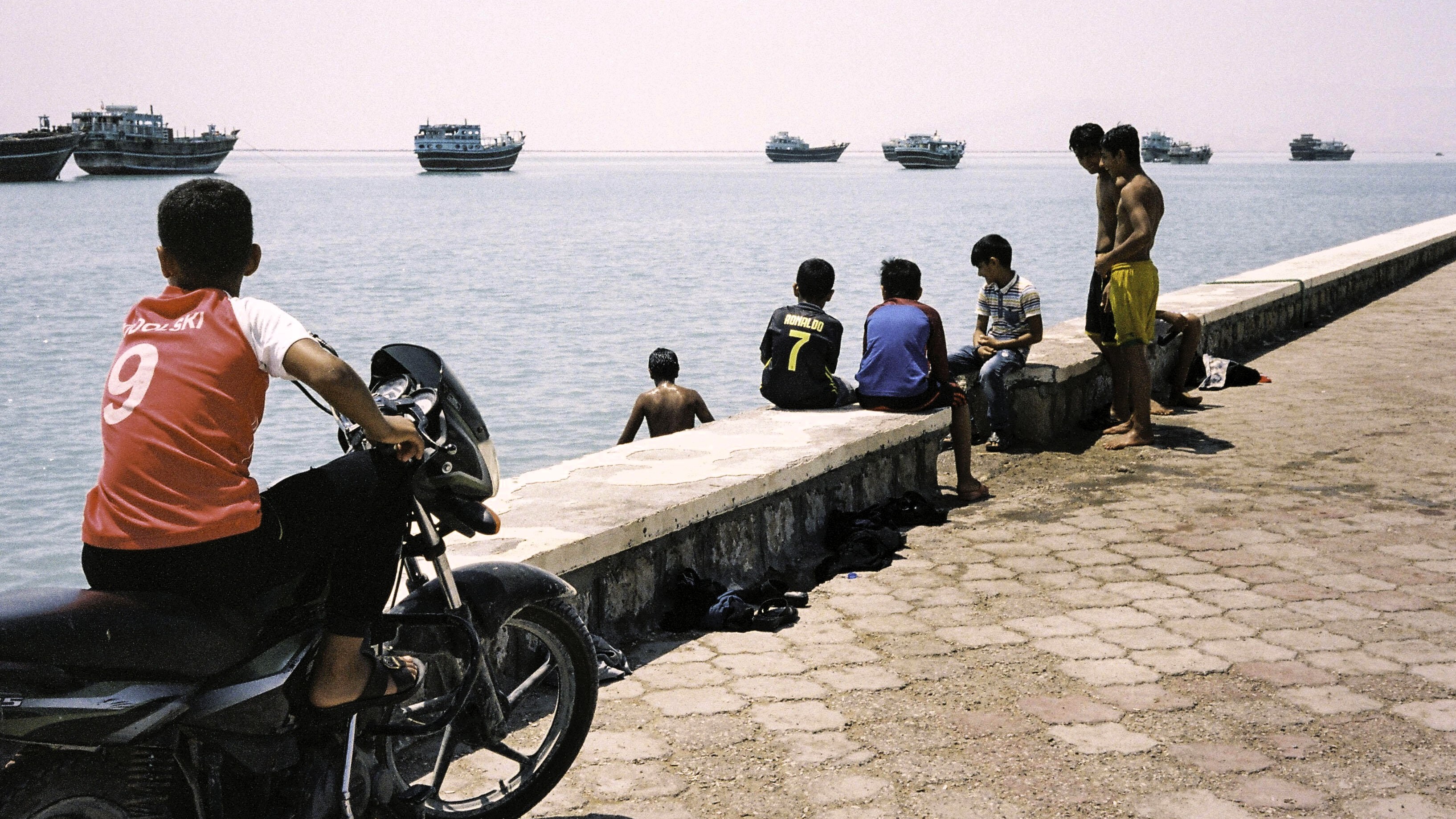 Iran's Gulf region
More than a strait
The Strait of Hormuz is at the centre of geopolitical tensions. But a closer look at the cultural landscape reveals a different picture: on Iran's southern coast, African, Indian and Arab influences converge, creating a cultural tapestry far removed from the image of a homogeneous theocratic state.
-
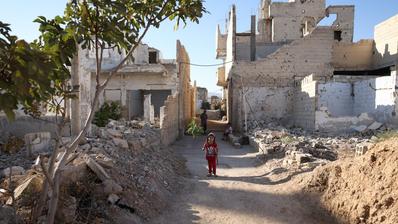 Reconstruction in Syria
Whose land will major investors build on?
Syria is relying on competition and foreign investment to fund its reconstruction efforts. In Damascus, citizens are being asked to sell their land for a multi-billion property project. Yet many long to rebuild their own homes.
-
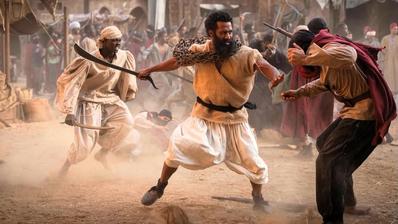 Egyptian film "Asad"
Slave drama sparks debate on national identity
In Egypt, a historical film has sparked a present-day controversy, with critics accusing "Asad" of distorting the past and promoting Afrocentric narratives. Beneath the political rhetoric, however, lies a deeper cultural dispute.
-
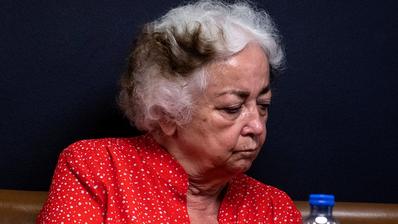 Iranian author Shahrnush Parsipur
Writing in defiance
With the death of Shahrnush Parsipur, Iran has lost one of its most indomitable literary voices. The author of "Women Without Men" confronted censorship and oppression throughout her life. Most recently, she refused to glorify the war against Iran as a liberation.
Politics
More about Politics-
 Syria after Assad
Striking deals with the old elites
The HTS regime presents itself as the "liberator of Syria" while collaborating with key figures from the Assad era. Instead of conducting a thorough reckoning with the past, the new elites are consolidating power with the help of the old.
-
 Saudi sports policy
The limits of Saudi Arabia's football ambitions
Saudi Arabia has emerged as an influential player in the politics of international sports, particularly football. The 2034 World Cup will be hosted by the Kingdom, but war in the Gulf could be jeopardising its ambitious goals.
-
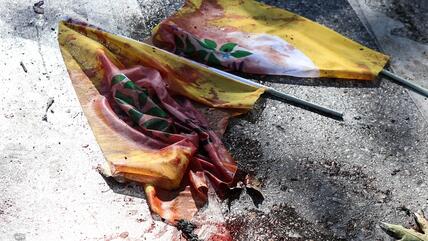 The Ankara bombing
Presaging the end of the Turkish Republic?
What we have witnessed in the last two years, culminating in the horrible scenes of 10 October in Ankara, is the end of the Turkish Republic as we know it. A commentary by Umut Ozkirimli
-
 Interview with Rafik Schami
"Escape is a life-saver"
In conversation with Ruth Renee Reif, the renowned writer Rafik Schami gives his views on the European refugee crisis and has sharp criticism for the West's political dealings with the Assad regime in Syria
-
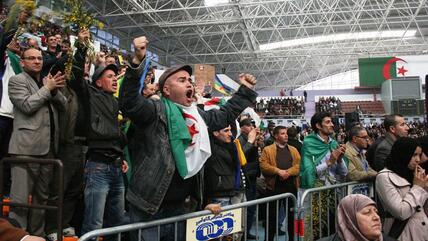 The Maghreb
Why does the Algerian regime fear Rachad?
In light of propaganda against the movement, media censorship, book banning and bogus Interpol arrest warrants against its founders, the regime clearly sees Rachad as a threat. But why? By Lakhdar Ghettas
-
 Afghanistan: the Taliban′s Kunduz offensive
"There's nothing left to keep me here"
The security situation in Afghanistan continues to escalate. After bitter fighting in Kunduz, the mood is also tense in Kabul. Meanwhile thousands of Afghans are leaving the country every day. Impressions from Kabul by Emran Feroz
-
 Volker Perthes: "The end of the Middle East, as we know it"
The end of Sykes-Picot?
Almost a century ago, France and Britain carved up large swathes of the Middle East between them. Now the order imposed by the Sykes-Picot Agreement in 1916 appears to be disintegrating. In his new essay, Volker Perthes outlines the reasons for this development and suggests potential scenarios for the region. A review by Anne Allmeling
-
 The global risks of an imploding Middle East
A region in flames
Among today′s geopolitical risks, none is greater than the long arc of instability stretching from the Maghreb to the Afghanistan-Pakistan border. With the Arab Spring an increasingly distant memory, the instability along this arc is deepening. An analysis by Nouriel Roubini
Society
More about Society-
 250 years of the USA
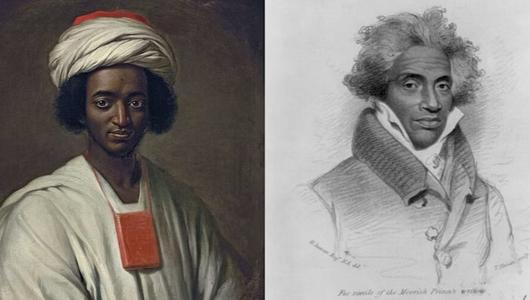
How enslaved African Muslims resisted bondage
The history of Islam in the U.S. does not begin with voluntary immigration. It can be traced back to the country's formative years, and to the millions of enslaved Africans, up to a third of whom are believed to have been Muslim.
-
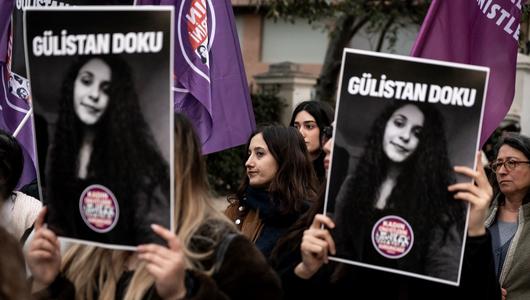 Femicide in Turkey
Where is Gülistan Doku?
Years after a young Kurdish woman's femicide, new probes have led to arrests. The suspects are sons of civil servants. The case ignited a Turkish debate on state failure and alleged cover-up. Yet the wider issue of anti-Kurdish violence remains sidelined.
-
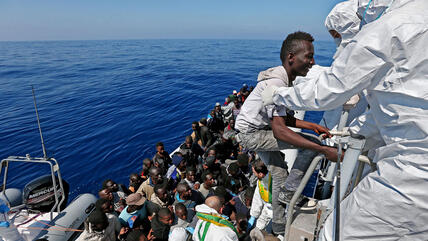 Refugee crisis in the Mediterranean
New networks trafficking Syrians from Egypt to Europe
The UN Security Council is set to vote on the EU's proposal for military action against people smugglers in the Mediterranean. But who are these people smugglers? What form do their networks take? And are they really a security threat? By Lewis Sanders
-
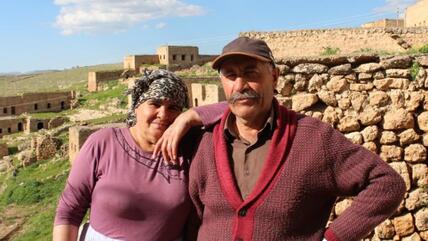 Yazidis in Turkey
Old homeland, new homeland
Despite the alarming situation in the Kurdish region of neighbouring Iraq, some Yazidis have recently returned from Germany to their native villages in south-eastern Anatolia. The coming years will indicate whether the resettlement is a lasting one. By Ekrem Guzeldere in the Turkish province of Mardin
-
 Egyptian football star Mohammed Aboutreika
Bridging a deep divide
Few are able to bridge Egypt's deeply polarising divide between supporters and opponents of the Muslim Brotherhood following the 2013 military coup that toppled President Mohammed Morsi. Mohammed Aboutreika, Egypt's most celebrated and storied soccer player, is proving to be either the exception that proves the rule or an indication of shifting attitudes. By James M. Dorsey
-
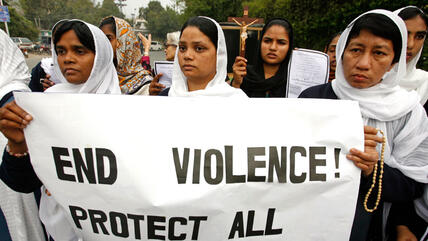 The Christian minority in Pakistan
Under increased threat of persecution
Weeks after the twin bombings on churches in Lahore, discrimination against the Christian minority in Pakistan seems to have taken a turn for worse. By Roma Rajpal Weiß
-
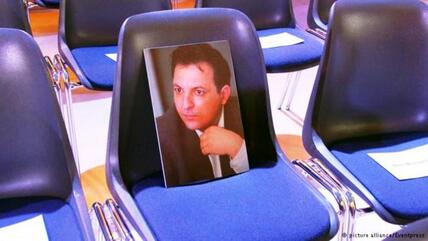 Freedom of the press in Syria
The truth can cost lives
Four years into Syria's civil war, neither the regime nor the jihadists are interested in free and fair reporting. As Samar Yazbek explains, it takes great courage to stand up and tell the truth under such circumstances
-
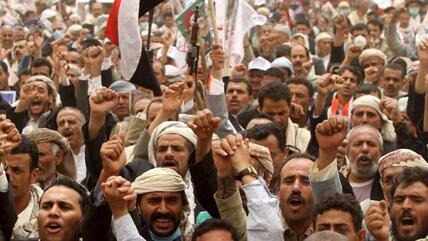 Media reports on the Yemen conflict
A skewed view of Yemen's plight
In this opinion piece, Charlotte Wiedemann criticises the fact that many media reports about the current Yemen conflict are ill-informed, tendentious and overlook the West's responsibility for the escalation of the conflict
Culture
More about Culture-
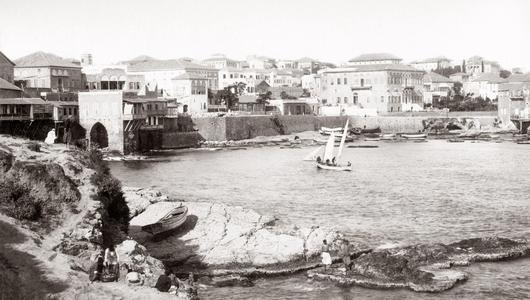 Lebanese literature in translation
The rediscovery of Alis al-Bustani
Published in 1891, Alis al-Bustani's only novel "Sa'iba" dismantles the comforting assumptions of Arab modernity. A new translation restores to view a woman writer long consigned to obscurity.
-
 Islamic history scholar Sabine Schmidtke
"The Holocaust reshaped knowledge production about Islam"
Hedwig Klein's life and scholarship were cut short by the Holocaust in 1942. In her new book, Sabine Schmidtke traces Klein's intellectual legacy and sets the record straight on her involvement in Hans Wehr's Arabic dictionary.
-
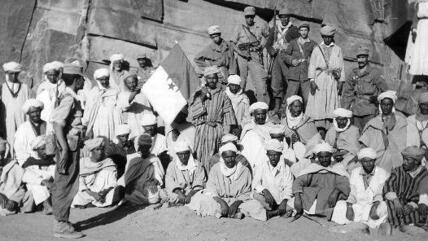 Literature and Collective Trauma in Algeria
Moving Beyond the Examination of History
Perception of Algerian literature is dominated by the complex thematic backdrop of violence and the processing of traumatic experience. What are the reasons for this? In a piece to mark the 50th anniversary of Algerian independence, Martina Sabra debates this issue
-
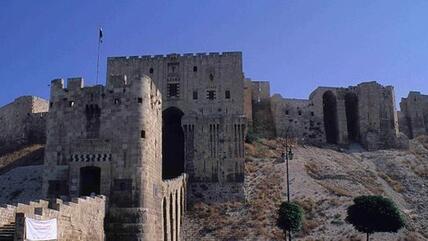 Aleppo's Old Town
World Cultural Heritage Threatened by Syria's Civil War
Large-scale destruction is being inflicted on the unique historical and cultural legacy of the Syrian commercial metropolis Aleppo. And the people of the city had actually only just begun to show an interest in that legacy. By Claudia Mende
-
 The Armenian-Syrian Musician Hrach Macoushian
''It is Craziness to Support the Assad Regime!''
Hrach Macoushian is a musician from Aleppo in Syria. The Armenian with Syrian citizenship came to Yerevan two years ago to escape military service in Syria. Lennart Lehmann talked to him about the prospects for the Armenian minority in Syria and about his experiences under the Assad regime
-
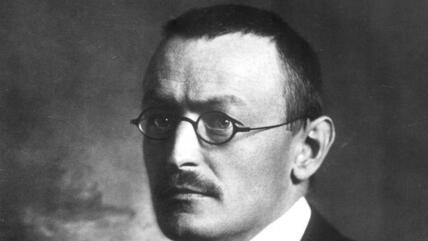 Book Review: Gunnar Decker's Hermann Hesse biography
''The Whole East Breathes Religion''
Hermann Hesse spent his life searching for truth and inner harmony outside Germany. Yet his quests to the East ultimately led him back to the West and to the realization that the alternatives he found in the East offered no short cut to salvation. To mark the 50th anniversary of his death, Gunnar Decker presents a new biography of the successful author, one which also explains the Orientalism in his work. Andreas Pflitsch read the book
-
 Interview with Feridun Zaimoglu
''Germany is Making Itself a Laughing Stock''
Circumcision is a stipulation of the Prophet and therefore non-negotiable. In an interview with Eren Güvercin, Feridun Zaimoglu makes a resolute plea for the impunity of this Jewish and Muslim ritual
-
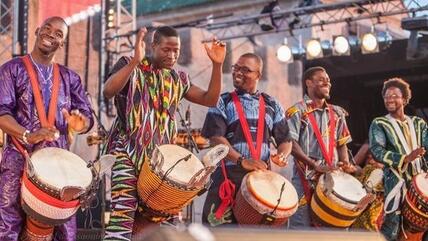 15th Gnawa Music Festival in Morocco
A Festival of Fusion
As dynamic as ever in its fifteenth year, the Gnawa and World Music Festival brings together Gnawa trance and the great performers of world music, jazz and pop in the picturesque and very windy city of Essaouira on Morocco's Atlantic coast. Andreas Kirchgäßner took in the atmosphere
750th anniversary of Rumi's death
750th anniversary of Rumi's death - Qantara.de
Most read articles
-
Sex-Tourismus in Ägypten
Braut für einen Sommer
-
Prostitution, Drogen und Geldhandel in Syrien
Neuer Anstrich, alte Gebrechen
-
Frauen in Saudi-Arabien
Gefangen in einem System der Gender-Apartheid
-
Irans Golfregion
Mehr als eine Meerenge
-
Iranische Diaspora in Berlin
„Es ist ein Archiv der Emotionen“
-
Nahost-Journalist Karim El-Gawhary
„Man wird als Antisemit und Hamas-Freund diffamiert”