Unmarked graves on the EU border
Topics
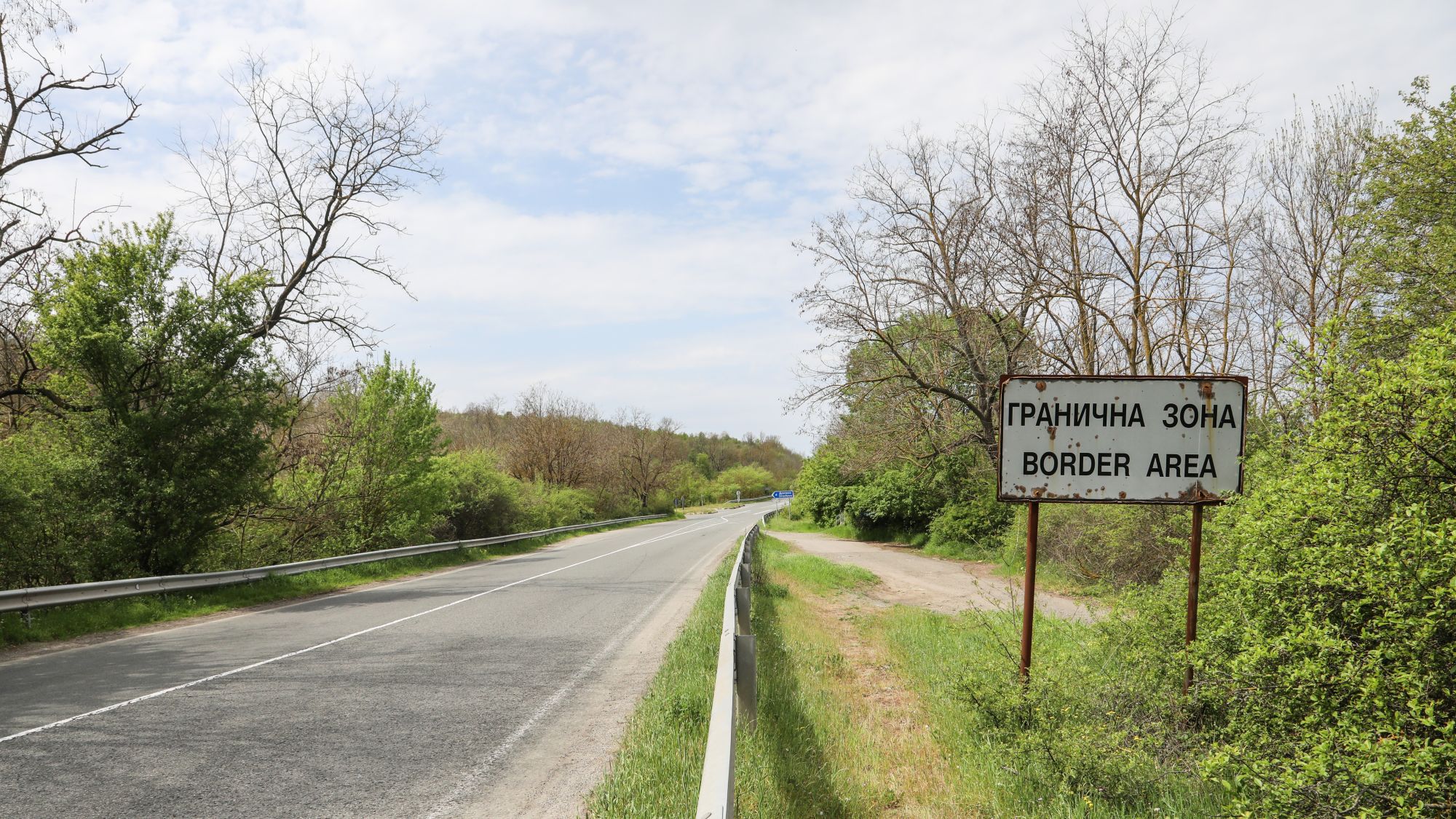
A vast green mountain massif, the Strandzha Nature Park in Bulgaria is the country's largest protected area. It stretches for 160 kilometres along the border with Turkey. Its dense forests and steep valleys take several days to cross. For many people trying to reach the European Union, crossing from Turkey into Bulgaria is the final and most critical step.
Youssef* is one of many who attempted this route and were met with violence. Originally from Zagora in Morocco, he travelled to Istanbul with three friends before crossing into Bulgaria in the spring of 2025.
After six days walking through the Strandzha, he and his group were intercepted by police in the middle of the night. Bulgarian authorities destroyed their phones, took their jackets and clothes, and forced them back across the border, abandoning them on Turkish territory in heavy rain.
Youssef and his friends reorganised and managed, in a second attempt a few days later, to reach the Bulgarian southern city of Harmanli. There, they shared their story with Qantara.
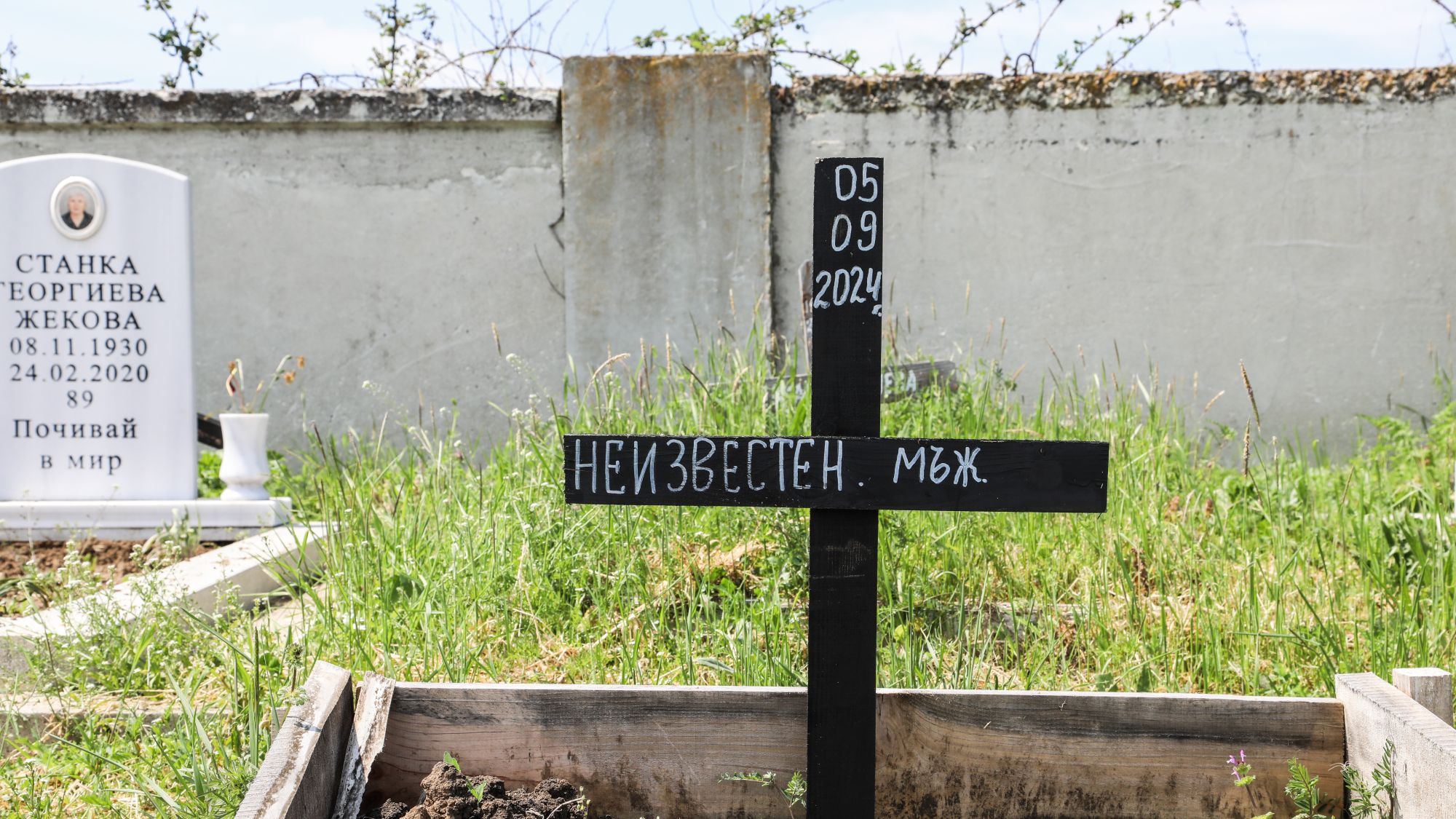
But not everyone gets the chance to speak about what they endured to cross this border. In cemeteries in the towns along the edge of the Strandzha forest, nameless graves lie hidden beneath tall grass. Simple wooden crosses bear only one word: "НЕИЗВЕСТЕН", unknown. These anonymous burial mounds belong to people who did not survive the journey. Many more have simply disappeared.
Emergency calls unanswered
One of them is Mohammad. "My brother stayed behind because his legs were swollen," recalls Fatima, an Afghan woman now living in Sweden. She has had no news of her brother since 25 September 2022. A former officer in the Afghan army, he attempted to reach Europe after the country fell to the Taliban in 2021. He stopped near Burgas, a coastal city on the Black Sea, more than 70km from the Turkish border, inside Bulgaria.
"He told the rest of the group to continue and said he would turn himself in to the police," his sister continues. Legally, he would have had the right to apply for asylum. But Mohammad disappeared. The family immediately contacted his travel companions, but when they returned, he was gone.
If the police receive a report of a person in distress, they are required to intervene promptly, explains Dragomir Oshavkov in his office in Burgas. He is a lawyer with the Foundation for Access to Rights (FAR), which provides legal support for migrants and promotes fair access to justice.
"Very often emergency services don't respond in time, especially when it involves refugees. That's how some of the tragic cases happen," says Oshavkov. "Many bodies are found in the woods years later, when it's almost impossible to identify them."
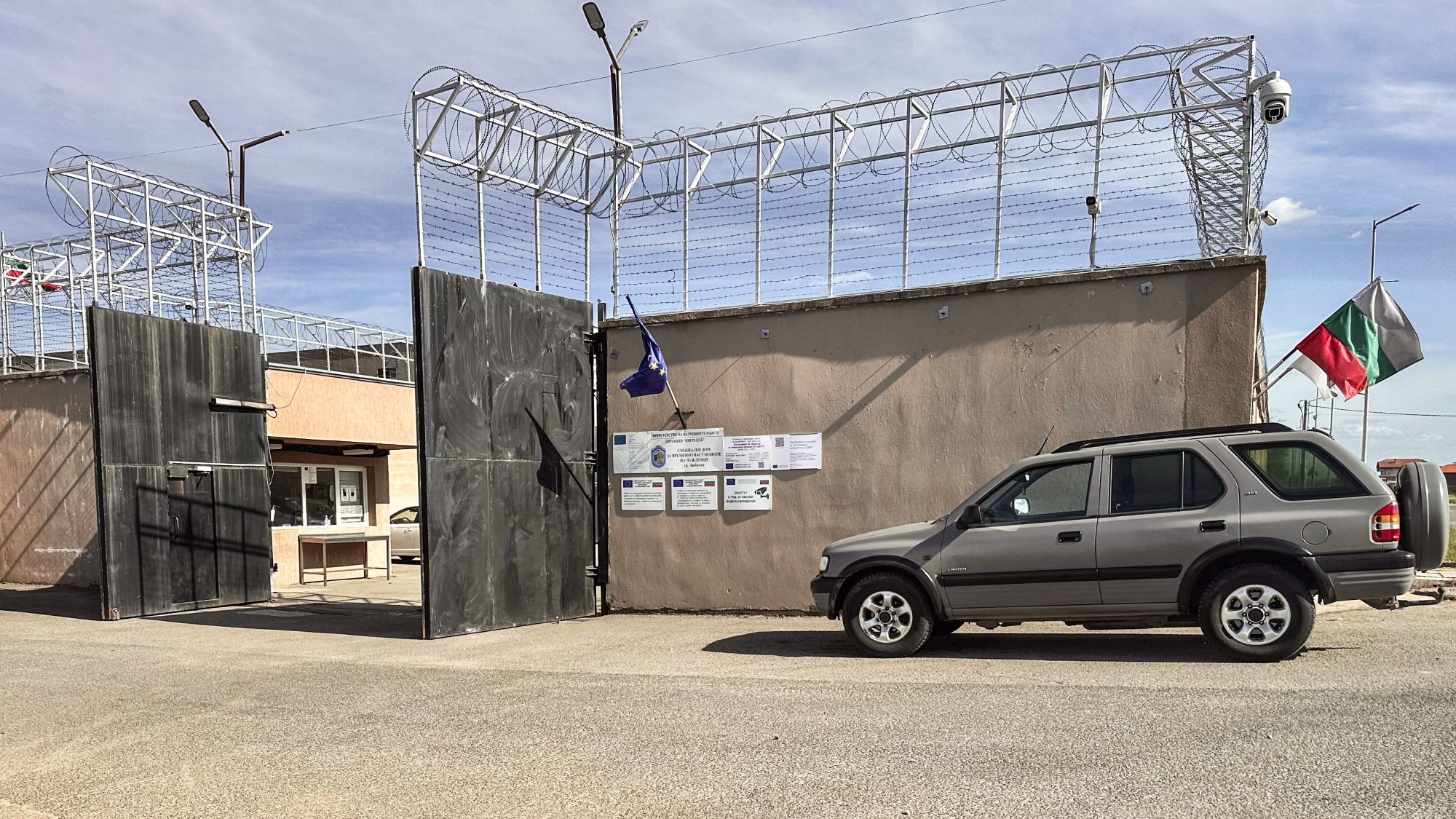
Since 2023, Bulgaria has assumed a key role in controlling migration from Turkey to Europe. "Brussels asked Sofia to do everything in its capacity to reduce the number of people in transit. Bulgaria leveraged this to gain access to the core of the EU," explains Francesco Martino, a researcher at the Balkans and Caucasus Observatory.
In recent years, Bulgaria's integration into the EU has accelerated: although it has been an EU member since 2007, it only fully joined the Schengen Area in January 2025 and adopted the euro as its currency last January.
At the same time, according to the Bulgarian government, the number of people attempting to cross into Europe declined by more than 70%: from 55,166 in 2024 to 15,421 in 2025. This decline has coincided with increasing reports of systematic violence against migrants by Bulgarian authorities, including illegal pushbacks.
Emblematic is the case of three Egyptian teenagers, Ahmed Samra (17), Seifalla Elbeltagy (15), and Ahmed Elawdan (16), who died of hypothermia in December 2024 in the Strandzha forest. A report by the Fundamental Rights Office of Europe's Border Agency Frontex, published in November 2025, found the Bulgarian border police responsible for serious negligence and obstruction of rescue operations.
Frontex verified that emergency calls to 112 went unanswered for hours and that civil society rescue teams from the international organisations No Name Kitchen and Collettivo Rotte Balcaniche were stopped by police while trying to reach the boys.
"The lack of humanity is disturbing," says Ric Fernandez, coordinator of No Name Kitchen. Members of his organisation found dog paw prints and military boot prints in the snow around the lifeless body of Ahmed, evidence that someone had passed during the night without offering help.
While Frontex was not directly involved in the case of the three Egyptian boys, it does coordinate and share responsibility with local authorities, Fernandez emphasises: "they are aware of all the operations. We have to remember that Frontex does not operate autonomously."
Corruption in Bulgaria
Mission Wings is one of the few local NGOs providing legal and social support to migrants and refugees. Its director, Diana Dimova, says that requests for help in locating missing relatives have surged in recent years.
In her office in Stara Zagora, she keeps folders upon folders of documents. For each case, Mission Wings archives communications with prosecutors, photos and family testimonies. "We help relatives get DNA tests, accompany them to offices, even to morgues. But there is no unified protocol: in Burgas, bodies are kept for years; in Yambol, they are buried within days. We have seen cases where a prosecutor ordered a burial without notifying the family. It is unacceptable."
Over the past year, Dimova has found herself in the crosshairs of Bulgarian authorities. "Some institutions see us as a threat. They fear that we might expose things they would rather keep hidden," she says.
Dimova also denounces widespread corruption in the management of migration. When a migrant dies or disappears, some people try to profit from the desperation of families, from morgue officials to police officers. "I am shocked by those who always find new ways to extort money from the most vulnerable," she adds.
Corruption is a long-standing problem in Bulgaria. Within the European Union, it ranks the highest for perceived corruption, alongside Hungary, in Transparency International’s 2025 Corruption Perceptions Index.
Fatima, the Afghan woman now in Sweden, recounts that after her brother Mohammad had disappeared, her husband and another of her brothers travelled to the Afghan embassy in Sofia. There, they received an official letter to take to the border police. But even so, she says, the police treated them aggressively and offered no help.
Months later, they returned and tried to access the morgue in Burgas. "At first, they weren't allowed in. Then my brother gave money to the keeper to be let in and see if Mohammad was there," explains Fatima. He wasn’t.
Her family has been living in limbo for nearly three years. "We are not living, we are surviving. We ask ourselves how it is possible that someone who came to a European country seeking safety is now missing."
Dozens have disappeared
In 2023, Collettivo Rotte Balcaniche launched the Border Memory project, a digital platform collecting stories and reports of people missing at the Bulgarian border. The group requested information from more than 250 municipalities; 170 responded, reporting 62 unidentified graves of people on the move. By searching border-area cemeteries with activists, 21 more graves were found in the southern town of Burgas, four in Sredets, two in Elhovo and one in Yambol.
Cecilia Strada, a member of the European Parliament from the Progressive Alliance of Socialists and Democrats and a long-time human rights advocate, told Qantara that parliamentary questions concerning human rights violations at the border are consistently met with the same response: "fundamental EU rights must be respected."
Migration is increasingly being addressed through a security lens, rather than one centred on human rights and solidarity, Strada warns. She points to recent European migration reforms moving in that direction: the proposed EU Return Regulation extends detention periods and broadens the grounds for detention, while the directive on facilitation of irregular entry risks continuing to criminalise migrants as smugglers.
"We're not talking about one or two cases," concludes Dimova of Mission Wings, "but dozens, maybe hundreds of people who have disappeared in Bulgaria. It is time for institutions to take this issue seriously. Families need to know that someone is still trying to uncover the truth about their loved ones. Right now, that is not the case. And that is heartbreaking."
* name changed
This article was developed with the support of Journalismfund Europe.
© Qantara.de