"If we as locals don’t tell these stories, who will?"
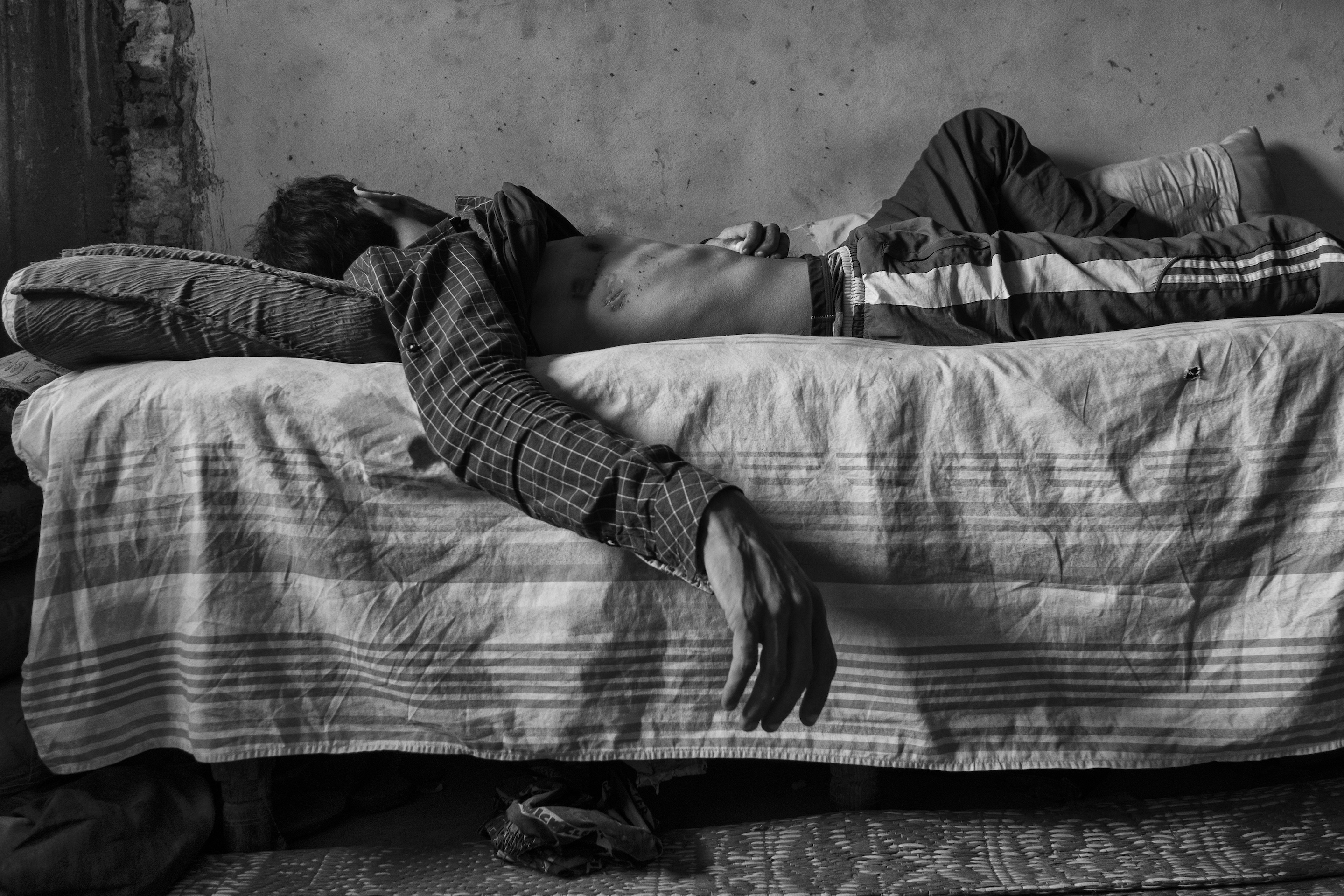
Qantara: Congratulations on being among the winners of this year’s World Press Photo contest. What does the recognition of your project "Moon Dust" mean to you and to the residents of Alexandria’s Wadi al-Qamar district whose lives you have been documenting since 2016?
Mohamed Mahdy: When I shared the news with them, it felt like a victory. The residents of Wadi al-Qamar—or Moon Valley—have been posting about the competition online since the announcement, saying that they want to keep documenting the environmental and health impacts of the cement factory next door. But we know this victory is only temporary. Real change would mean closing the factory or relocating it.
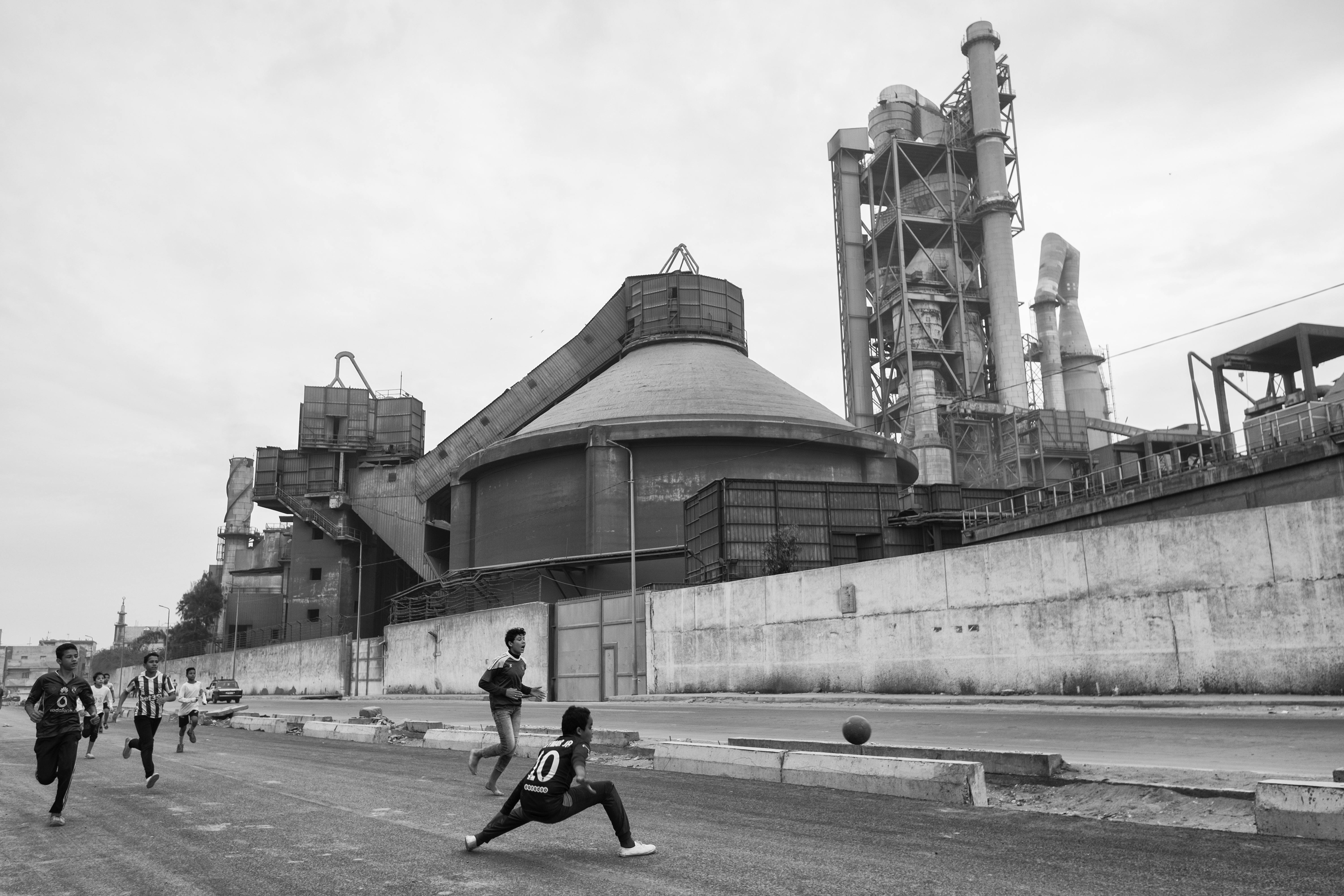
The residents’ struggle against the factory has been going on for decades, but it is largely through your work that the world has begun to listen to their demands. What first drew your attention to this issue?
I come from Alexandria and used to pass by this area every day on my way to university, not paying much attention to its ongoing health crisis. That changed when a friend, whose family lived there, told me they planned on moving away because his little sister was about to die from asthma. I suffer from asthma myself but wasn’t aware that it can be so severe that it causes death.
My friend encouraged me to look into it and introduced me to some of his relatives. One family led to the next. What we discovered was shocking: children in the area are born with asthma because the factory is burning waste and releasing toxins irresponsibly. It's not just asthma—you can find people who can’t smell, taste food or require ventilators to breathe. Every family is affected in one way or another.
Some might argue that the residents should just move away, like your friends’ family.
Moving away is difficult. If people want to sell or rent their apartments and houses, they are told that nobody wants to live "in a graveyard". And since many residents also work in the factory their source of income would be jeopardised in Egypt’s tough economy.
In 2018, a court found Titan Cement, the company operating the factory, guilty of causing pollution. It was the first environmental case of its kind to be won in Egypt. What has changed since then?
People had already begun taking individual legal action against the factory in the early 2000s. Since then, some complainants have died.
In 2018 we organised an exhibition and invited residents to speak, which sparked the interest of the New York Times. Pressure built up and the factory started installing filters—but without any real impact.
New individual cases were later taken up by a lawyer, and last year the first five were successful. However, the compensation awarded was very low—between 50,000 and 1,000,000 Egyptian pounds (approximately €820 to €16,620). We hope that the World Press award will encourage more people to pursue legal action.
You financially support the residents of Wadi al-Qamar with the money generated from your “Moon Dust” project. How do you respond to critics who say you lack professional distance and objectivity towards your subjects?
This is an ethical question. I don’t want to make money from these heartbreaking stories. If my work as a photographer gives me exposure and allows me to travel and exhibit internationally, that is enough for me.
I also feel that the residents need the money more than I do—buying ventilators, for example, is not very expensive in Egypt, but it can quickly improve the lives of those in need.
This is already the second time you have won the World Press Photo contest. In 2023, your project was also set in Alexandria and dealt with forced evictions. Why do you choose subjects in your immediate surroundings?
I also teach photography, and I always tell my students: don’t look far to find a story. The closer you are, the more authentically you can tell it.
I fully immerse myself in my subjects, at least temporarily. I lived in Wadi al-Qamar for a while, fighting with my mom constantly about the effects on my own health.
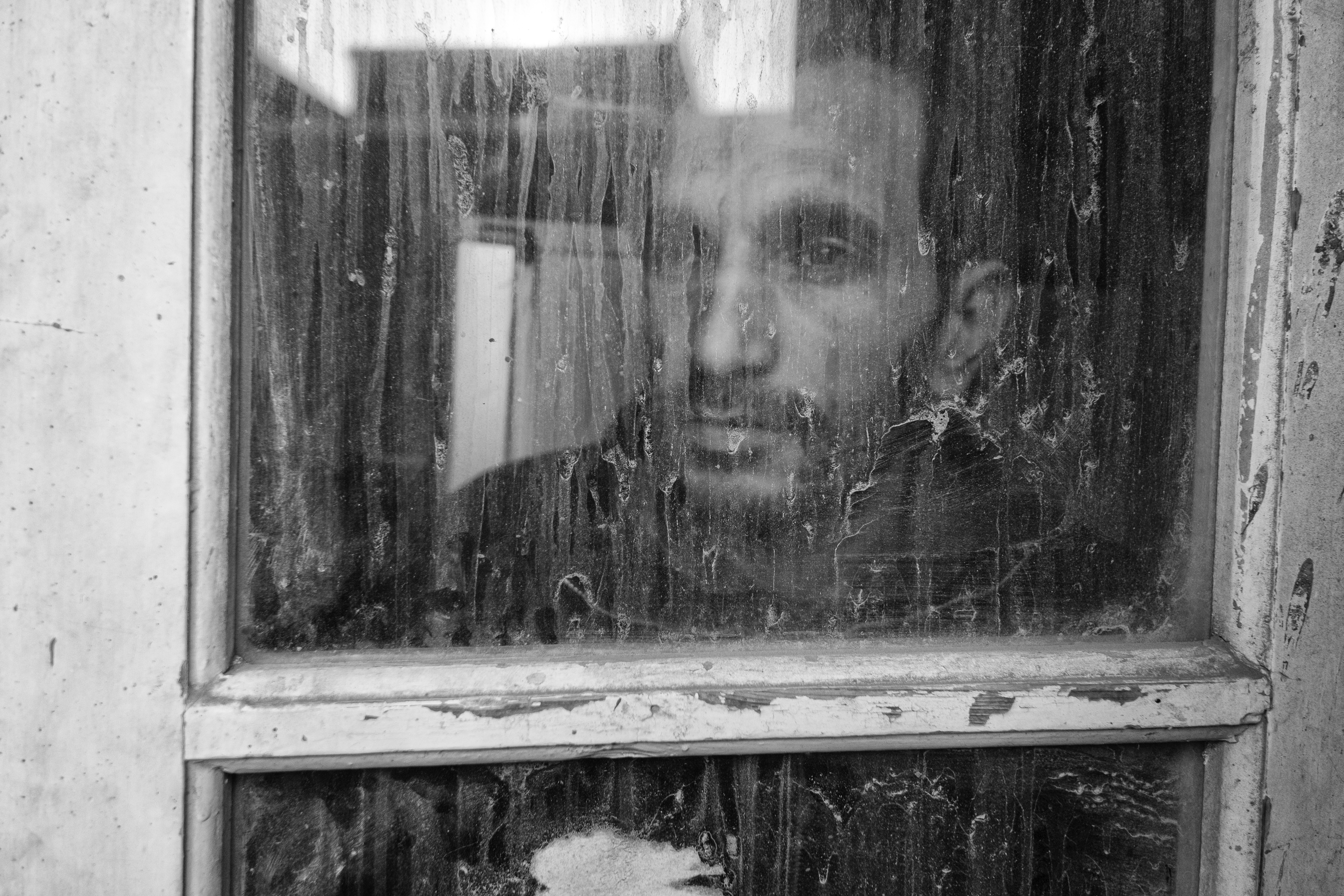
But for me, this was important—when you live a story, you engage your senses: you smell, you touch, you listen. It’s about understanding what your protagonist means when she says, for example, “We eat dust, and we breathe dust—it’s like an unwanted friend in your life.”
Yet, you will always remain an outsider, there will always be a gap that can’t be bridged. But if we as locals don’t tell these stories, who will? It’s our responsibility. Why keep taking endless photos of places like Old Cairo, which have become a cliché? What new conversations does that start?
After Egypt’s 2011 revolution, the photography scene in cities like Cairo and Alexandria saw a surge, with the emergence of photo schools and festivals. Yet spaces for local media have since been shrinking, and international attention on Egypt has declined. What does it mean to be a young photojournalist in Egypt today?
I am optimistic, but it is true that working as a street or documentary photographer in this country is very difficult. Many colleagues are trying to make ends meet by taking on second jobs or doing commercial photography on the side.
Even after the exposure my work received, I have had only one or two international assignments. I would like international editors to show more appreciation for what we do and to pay closer attention to our circumstances. Instead of sending someone from abroad, they could save resources and support local talent.
At the same time, people are still motivated, and the pressure makes you want to step outside your comfort zone, which can be good sometimes.
It is inspiring to see what the younger generation produces when I travel around the country to teach. For many, publishing their work on Instagram is already enough. I encourage them to use social media as their first gallery and to apply for opportunities—the rest will follow.
© Qantara.de