A record-breaking summer forces a reckoning
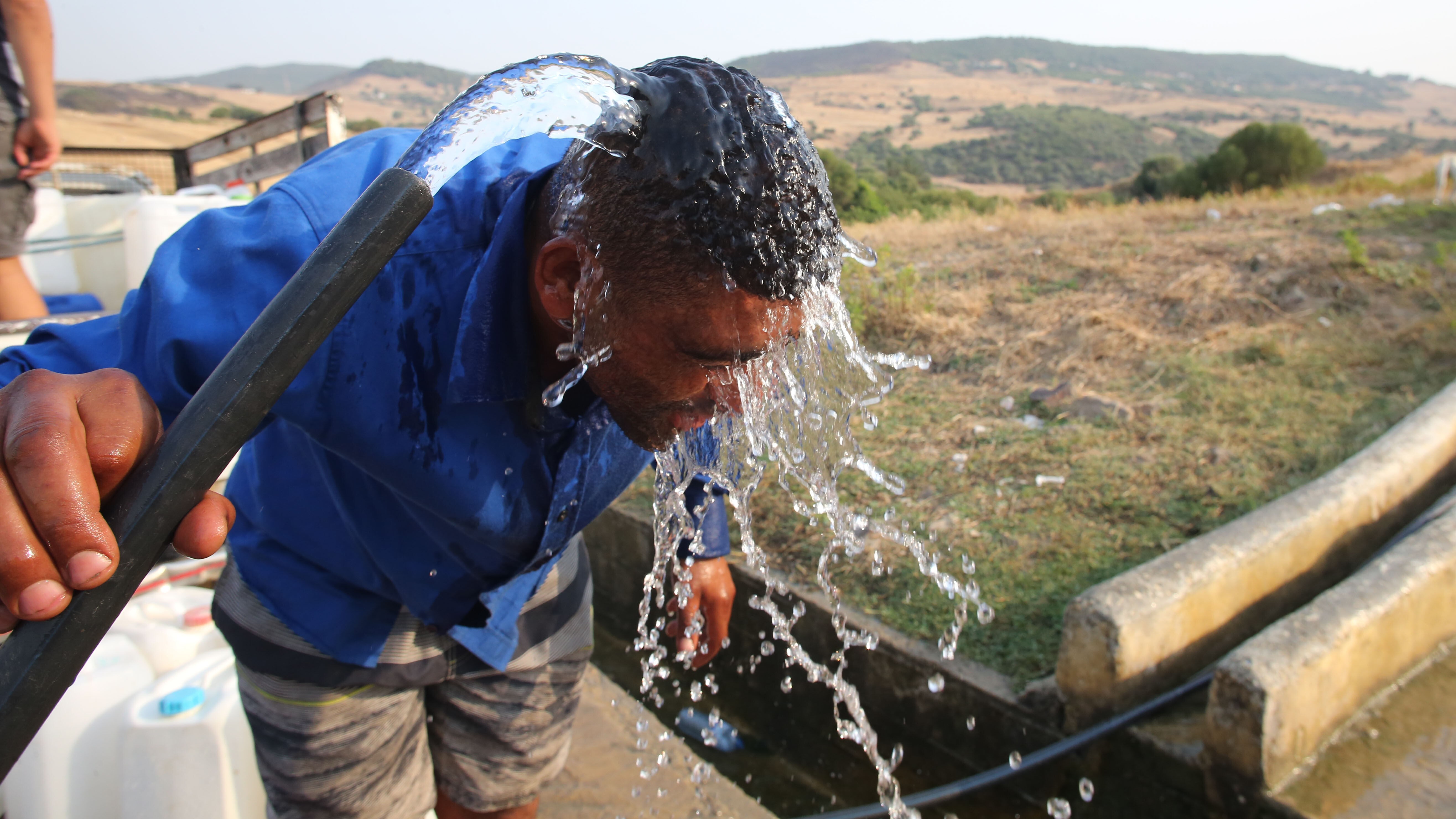
The summer of 2026 marked a turning point in Tunisia. Record temperatures and tropical nights left households struggling with stifling heat and an unprecedented demand for electricity. Energy, once a question of production and grid capacity, has become a day-to-day issue and a matter of national resilience.
For years, the energy debate in Tunisia came down to an economic equation: how to meet ever-rising electricity demand while limiting the cost of energy imports. Now it also raises a harder question: how can Tunisia respond to the climate challenges of the future?
In Kairouan on 18 July, when the thermometer hit 49.8°C, it meant sleepless nights and homes turned into veritable furnaces. Air conditioning became the only way to make daily life bearable. This reality was repeated in several regions across the country.
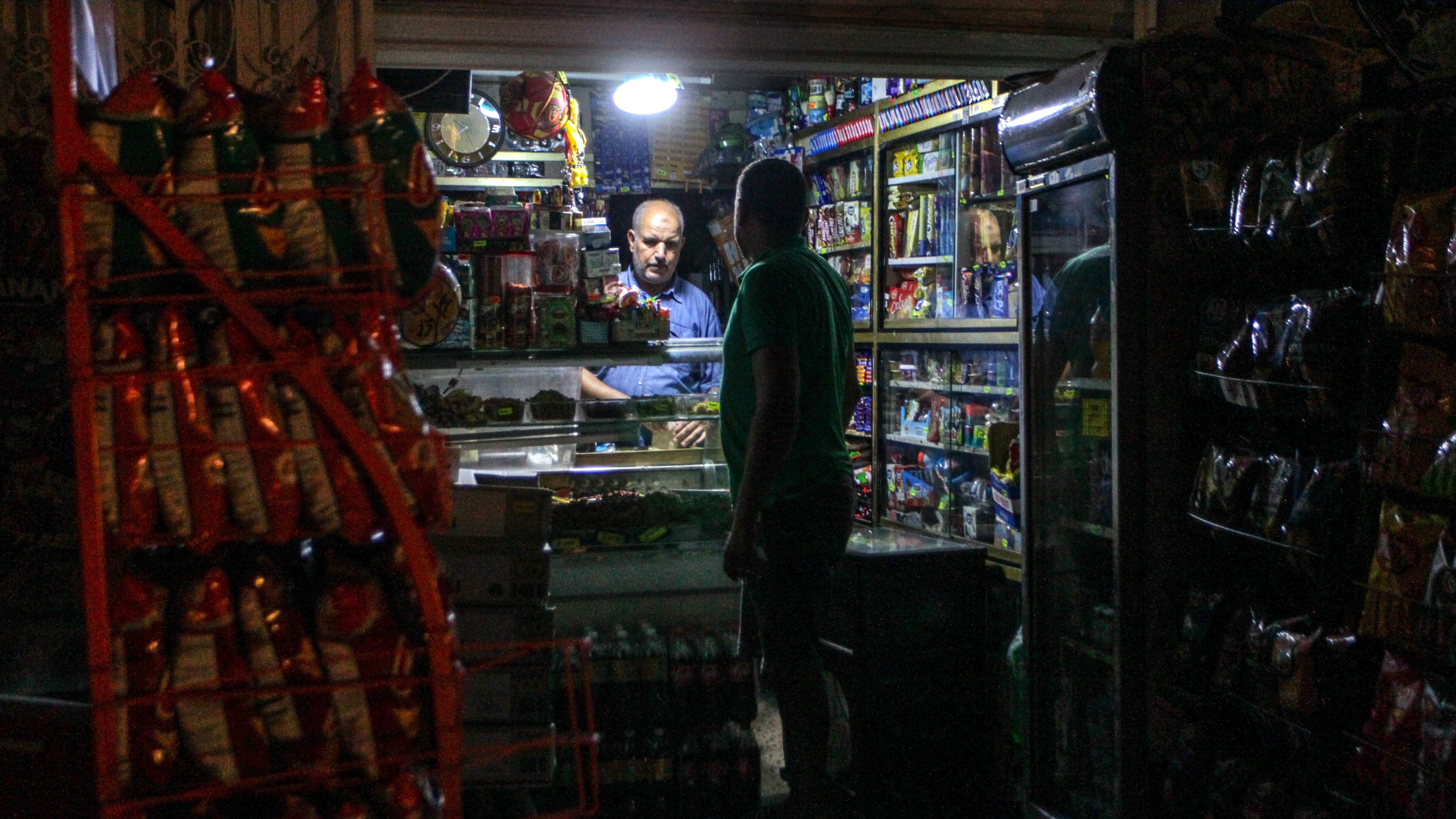
The consequences quickly extended beyond the domestic sphere. Behind every spike in electricity consumption, and every power cut, lie threats to livelihoods: shopkeepers worried about their stock spoiling, businesses facing operational disruptions and workshops operating at reduced capacity.
This summer, peak electricity demand reached 6,000 MW, a record according to Tunisia's national utility company, STEG. The increase in tropical nights, when temperatures remain high until the early morning hours, and the widespread use of air conditioners, placed a heavy strain on the electricity grid. To protect the grid, STEG introduced rotating power cuts in several regions.
This development marks a paradigm shift. For decades, consumption peaks were limited to a few hours a day. Now, periods of extreme heat can keep demand elevated for several consecutive days.
Each new heatwave risks adding further pressure to the system if demand continues to rise at the same pace. It is no longer simply a matter of generating more electricity, but of managing consumption more effectively, improving energy efficiency and reducing pressure on the grid during critical periods.
Vulnerability exacerbated by geopolitical tensions
The climate challenge is compounded by another reality: Tunisia's dependence on external energy supplies. At the end of July 2026, Tunisia’s energy independence rate stood at 34 percent, down from 37 percent. The indicator measures how much of the country’s primary energy demand was met by national resources since the beginning of 2026.
That figure includes the royalty Tunisia collects for the transit of Algerian gas to Italy. Because this gas is not produced domestically, the rate would stand at 27 percent without it, meaning domestic sources covered less than one third of its needs during the first seven months of 2026.
Meanwhile, Tunisia is gradually expanding its renewable energy capacity. By the end of July 2026, total installed renewable electricity capacity had reached 1,163 MW, according to the Ministry of Industry, Mines and Energy.
During the first seven months of 2026, renewable sources accounted for around 9% of national electricity production, while natural gas accounted for around 90.8 percent. Natural gas therefore remains at the heart of Tunisia's electricity system.
However, domestic hydrocarbon resources are declining, increasing the country's reliance on external supplies, while the demand for energy continues to rise. The latest figures show that Tunisia's primary energy resources fell by 6 percent year on year by the end of July 2026, while primary energy demand increased by 3 percent.
Tensions in the Middle East have provided a further reminder of the exposure of energy-importing countries to global market fluctuations. In July 2026, the price of Brent crude was $83.4 per barrel, $12.4 higher than a year earlier, amid concerns over the security of oil transit through the Strait of Hormuz.
Tunisia has limited influence over these international dynamics. However, it can gradually reduce its exposure by developing domestic renewable resources, improving energy efficiency and strengthening the resilience of its electricity system. Every additional megawatt generated from domestic renewable sources can help reduce Tunisia's exposure to external energy shocks.
Rethinking energy
The energy transition must be understood not only as an environmental imperative, but also as a matter of energy security, economic resilience and geopolitical stability. It must also become a societal project.
Generating part of one's electricity from solar power, improving the thermal insulation of buildings, investing in energy storage or adopting passive cooling solutions are no longer merely ecological choices. They can also help protect households, businesses and essential services against extreme weather events and rising energy costs.
A household that generates part of its own electricity can reduce its dependence on the grid and help ease pressure during periods of high demand. A school equipped with solar panels can keep essential services running during a heatwave.
A hospital with a more resilient and partially independent power supply can cope better with emergencies. A business capable of generating part of its own energy can reduce its exposure to fluctuations in energy costs while strengthening its operational resilience.
The crisis of summer 2026 highlighted another reality: not all Tunisians are equally exposed to the effects of climate change. Households living in well-insulated homes or equipped with alternative energy solutions can cope more easily with episodes of extreme heat than those living in poorly adapted dwellings, where temperatures remain high late into the night.
As heatwaves become more frequent, energy poverty risks becoming one of the country's major social challenges and a potential driver of inequality. The energy transition must also ensure fairer access to reliable, affordable and sustainable energy.
The challenge is not simply to produce more renewable energy, but to ensure that the benefits of the transition reach households, businesses and public services across the country.
Turning crisis into opportunity
Major reforms often emerge from periods of crisis. The summer of 2026 could mark a turning point for Tunisia. The challenge now is to shift from a reactive approach to a proactive one.
This involves accelerating the development of renewable energy, modernising the electricity grid, investing in storage, improving the energy efficiency of buildings and fully integrating climate change adaptation into public policy.
The political debate has also moved forward since the summer. In late July, Tunisia's Assembly of the Representatives of the People held a plenary session on water and electricity cuts, during which MPs criticised the government's handling of the crisis.
On the policy side, the authorities point to a 2026–2030 roadmap built on renewable energy and energy efficiency, with targets of 35% renewables in the electricity mix by 2030 and 50% by 2035.
A $430 million programme backed by the World Bank, ratified on 21 July, aims to raise renewable capacity to 2.8 GW by 2028, while in July STEG authorised battery storage for household solar installations connected to the grid.
The summer of 2026 may well be remembered as the summer of record-breaking temperatures. But above all, it could become the moment when Tunisia recognises that climate, energy and economic security are no longer separate issues. They are part of the same challenge.
This article was produced in collaboration with the Friedrich Naumann Foundation (Tunis Office) and is part of the series "Spotlights – Perspectives from North Africa and the Middle East".
© Qantara.de