Qantara Startseite Englisch
-
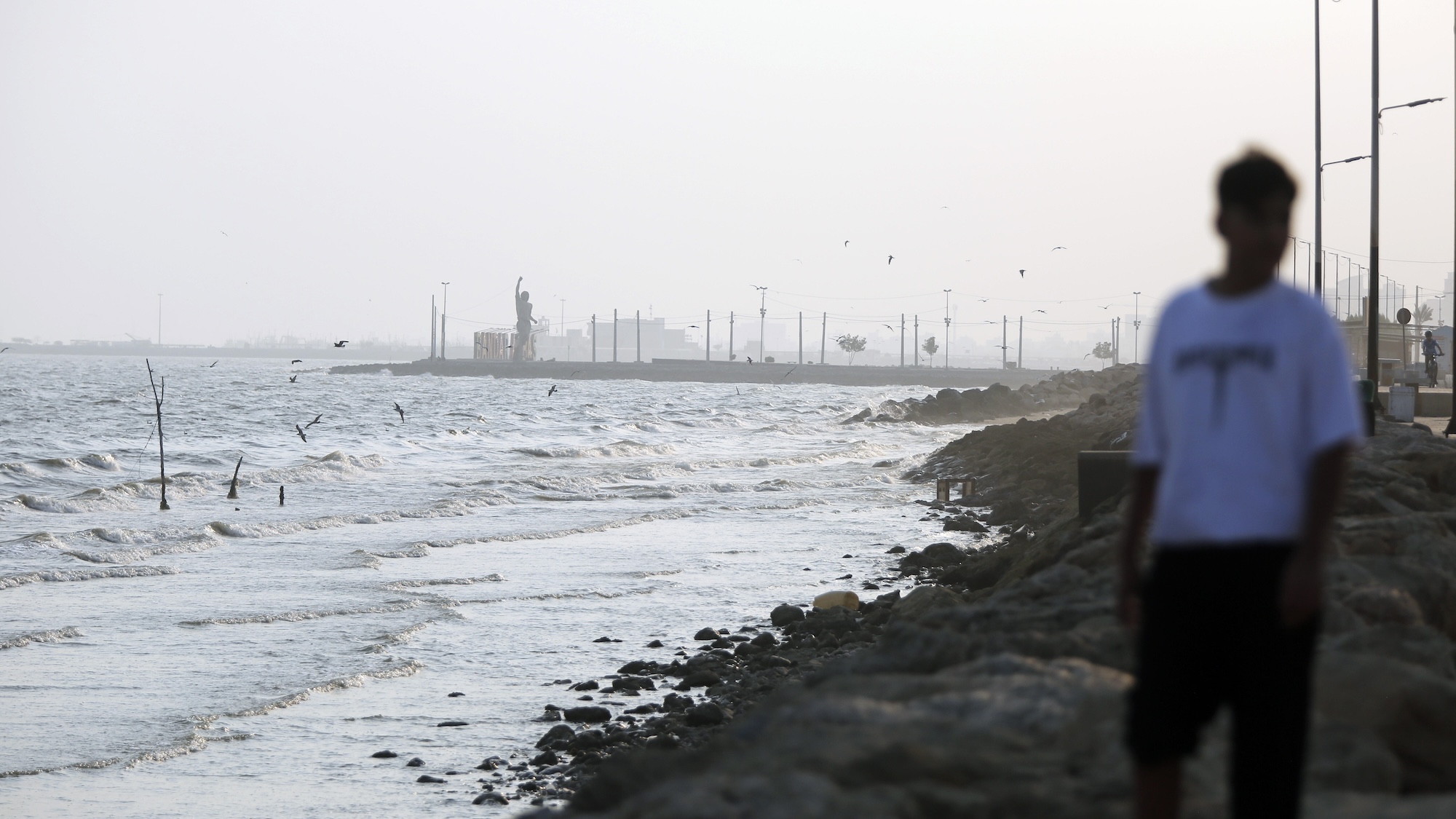 Hormuz and Bab el‑Mandeb
Centuries of struggle for the Straits
Three colonial powers—the Portuguese, the Dutch and the British—gained, and then lost, control over the straits of Hormuz and Bab el-Mandeb. Today, as the US and Iran struggle over these vital chokepoints, history offers a warning.
-
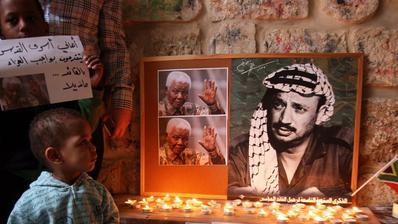 Anti-colonialism
"Palestine reveals the limits of international solidarity"
Why do African publics stand so firmly with Palestine while many of their governments court Israel? Algerian researcher Raouf Farrah traces the answer to the continent's anti-colonial past, and to the gap between popular solidarity and state diplomacy.
-
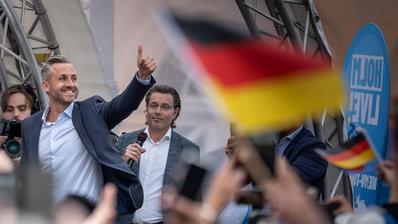 German state elections
Migrants face a shifting political reality
The far-right AfD made historic gains in September's state elections, while the Left Party came out on top in Berlin for the first time. Migrants across the country are now considering what the results could mean for their everyday lives and futures.
-
 "Postmuslim" by Youssef Rakha
One author, multiple selves
"Postmuslim" is an intimate new collection of essays in English by Youssef Rakha. The Egyptian author explores his complex relationship with the West while tracing his intellectual evolution over several decades.
Politics
More about Politics-
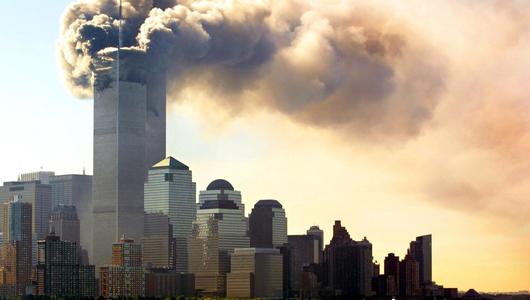 Gilbert Achcar on the impact of 9/11
"The Iraq War shattered the promise of a new world order"
The attacks of 11 September 2001 fundamentally altered US foreign policy and triggered a series of wars that have reshaped the Middle East. 25 years on, Gilbert Achcar reflects on the US response to 9/11 and its enduring impact on the region.
-
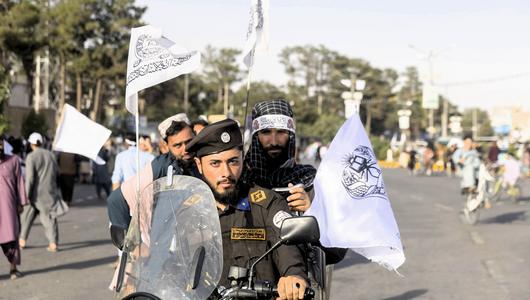 Taliban in Afghanistan
Power consolidated, society reshaped
In the five years since regaining power, the Taliban have cemented their rule in Afghanistan, bringing armed conflict in the country to a relative lull. Their ambitions go beyond maintaining control: they are seeking to transform the country from the bottom up.
-
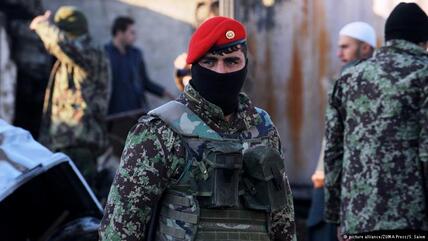 NATO in Afghanistan
Hopes of withdrawal fade
2015 was a troubled year for Afghanistan. With the Taliban and IS achieving temporary success within the country, NATO was forced to revise its troop withdrawal plans. A report by Waslat Hasrat-Nazimi
-
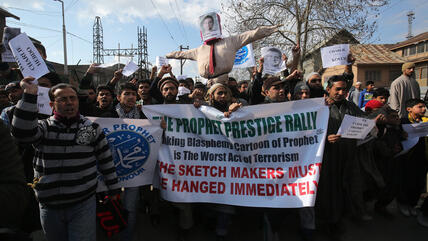 India and Islamic State
Everything under control?
India, the country with the largest Muslim minority, is forever issuing assurances that it remains unaffected by the deadly threat posed by IS. Only time will tell, however, whether the escalating confrontation seen by many as a symbolic struggle between the West and Islam continues to give the subcontinent a wide berth. An essay by Ronald Meinardus
-
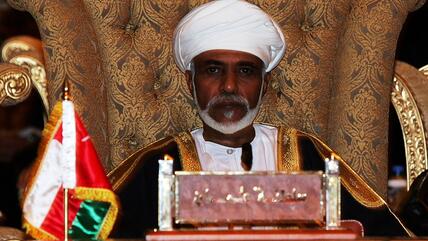 Oman's succession problem
Neither heir nor spare
Unmarried and childless, Qaboos bin Said Al-Said, Sultan of Oman, is something of a rarity in the Arab world. His reign has already lasted for 45 years. Confusion still remains, however, over the identity of his successor. What is clear is that whoever it is will not have it easy. By Anne Allmeling
-
 Geopolitics in the Middle East
A new century dawns
There is no doubt that the crisis-riven Middle East is beset by some unique challenges. As Jeffrey Sachs argues, however, these are not the Sunni-Shia political divide, the future of Assad or other doctrinal disputes, but rather the unmet need for quality education, job skills, advanced technologies and sustainable development
-
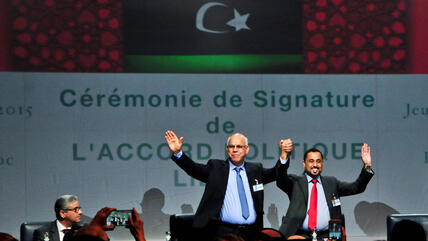 Peace treaty signed by warring factions in Libya
The steep road to national unity
Although the event was not the main focus of international attention, the agreement signed by Libya′s rival factions in the Moroccan coastal city of Skhirat this week is perhaps more important for Europe than the European summit meeting that took place the same day. By Karim El-Gawhary
-
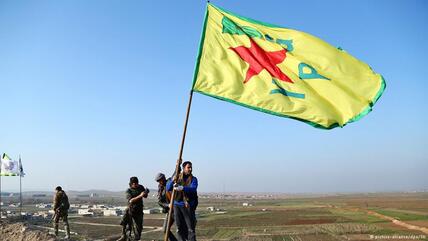 Islamic State
A year of territorial losses
Although 2015 has been a bleak year, characterised by numerous casualties resulting from the terrorist activities of IS, the last twelve months have seen Islamic State relinquish rather than gain ground. By Chase Winters
Society
More about Society-
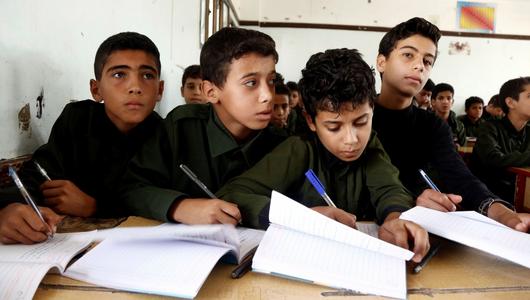 Education and climate in Yemen
Too hot for class
In Houthi-controlled Yemen, the decision to schedule the school year by the Hijri calendar has pushed classes earlier into the harshest heat of summer. For students this has compounded the impact of climate change, posing health risks and driving up dropout rates.
-
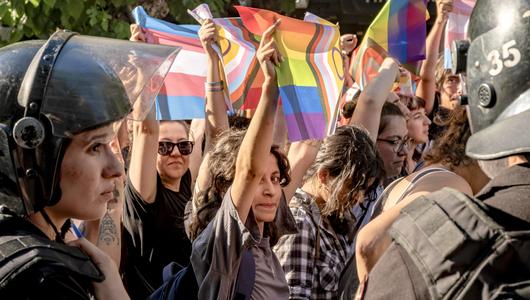 Turkish women's association Havle
"White secular women do not have a monopoly on feminism"
The Muslim queer-feminist group Havle uses religious arguments to challenge discrimination. Facing growing hostility and, most recently, arrests, two members speak about the struggle for LGBTQ rights in the country.
-
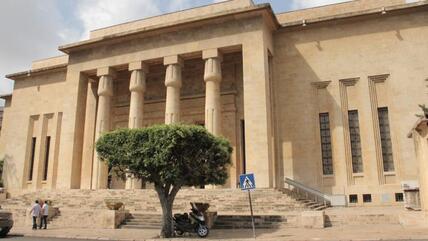 The National Museum in Beirut
Fighting to save the region's cultural heritage
As world heritage sites in Iraq and Syria continue to be bombed, blown up and bulldozed, the question as to what can be done to save their historical treasures has taken on a new urgency. The National Museum in Beirut is playing its part in trying to save the region's cultural heritage. By Juliane Metzker in Beirut
-
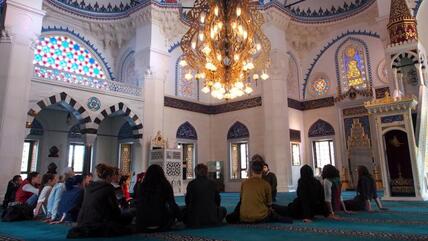 Converts to Islam
German Islam
Germans who adopt Islam not out of frustration but out of a sincere passion for the religion are often disappointed by those born into the Muslim faith, finding that they insufficiently embody the beauty of Islamic doctrine and spirituality. By Charlotte Wiedemann
-
 Life in the West Bank
The changing face of Ramallah
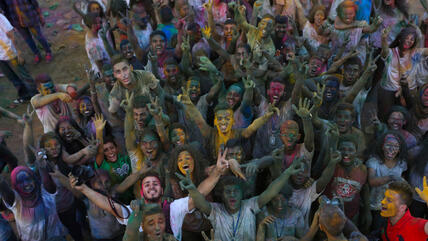
After the signing of the Oslo I Accord in 1993, Ramallah, the de-facto capital of the Palestinian Authority, became the biggest per-capita recipient of aid in the world. This, coupled with the influx of investment, turned the city into something of a boomtown. Ramallah's vibrant nightlife and work opportunities with international organisations have attracted many young people from the periphery of Palestine, but also criticism from those who ask how an occupied city can be so seemingly oblivious to what is happening just a few kilometres away or so willing to build over the city's heritage. By Ylenia Gostoli
-
 Syrian refugees in Turkey on the Syrian conflict
Keeping the revolution alive
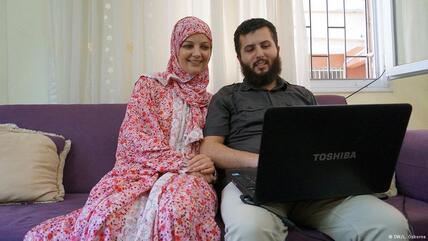
The focus of the violent Syrian conflict has shifted from atrocities committed by the Assad regime to IS. But activists who joined peaceful protests four years ago say their commitment to the revolution hasn't dimmed. By Ruby Russell and Louise Osborne
-
 Book review: "Why I Am A Salafi" by Michael Muhammad Knight
An in-depth exploration of Islam
Novelist and essayist Michael Muhammad Knight is known for his provocative views. He has already written at length about his exploration of his faith. His latest book, "Why I Am A Salafi", delves even deeper. A complex and detailed book, it is nevertheless accessible, interesting for Muslims and non-Muslims alike, and dispels many misconceptions about Islam says Richard Marcus
-
 The #siirsokakta movement in Turkey
The poem is on the street
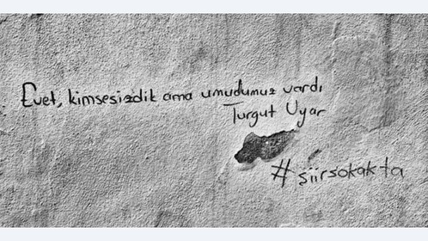
In the wake of the Gezi protests – and through interaction with social media – a movement arose in Turkey that inspired people to write, spray and scrawl snippets of poetry on all kinds of surfaces in public spaces. It became a vibrant part of literary life in Turkey. By Achim Wagner
Culture
More about Culture-
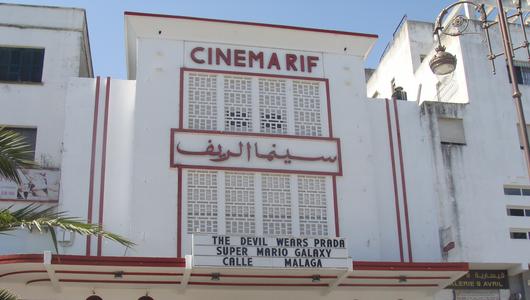 Arthouse film in Morocco
Keeping Tangier's cinematic history alive
20 years ago, the historic Cinema Rif in Tangier was renovated and reopened as the Cinémathèque de Tanger, one of the few arthouse cinemas in North Africa today. Elisa Pierandrei traces its history and place in Morocco's vibrant film culture.
-
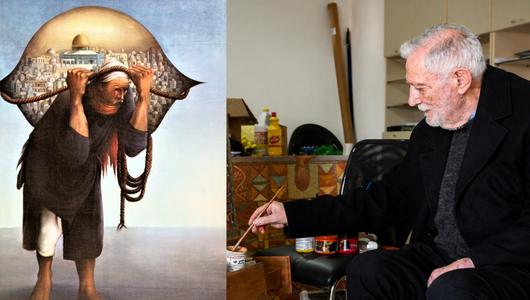 Remembering Sliman Mansour
The artist behind a Palestinian icon
"Camel of Hardship" by Sliman Mansour, who died on 24 August, is one of the most recognisable images in Palestinian art. Asmaa al-Ghoul tells how it came to appear on walls across the country and why it remains deeply embedded in collective memory.
-
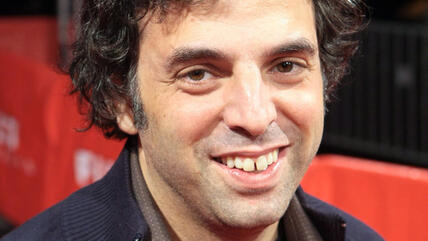 Etgar Keret's ''Suddenly, A Knock on the Door''
Following the Mysteries of Life into Hidden Corners
Etgar Keret has always refused to politicize his work, a fact illustrated by his dialogue collaboration with the Palestinian Samir el-Youssef on a book entitled "Gaza Blues". Volker Kaminski reviews Keret's new book of short stories, "Suddenly, A Knock on the Door"
-
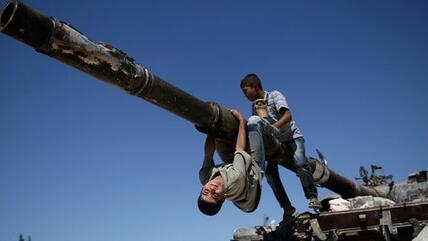 Ifa exhibition: Syrian Short Films and Videos
Somwhere between Art and Activism
How have Syria's independent artists been addressing the escalating violence in their native country since the start of the uprising against the Assad regime? For the first time ever, the ifa-Galerie in Berlin is showing videos and short films by Syrian artists inspired by the revolution in an exhibition entitled "Bewegte Bilder" (Moving Images). By Charlotte Bank
-
 The Academy of the Arts of the World in Cologne
A Global Voice from the Arts
A new kind of arts centre has opened its doors in Cologne. But the Academy of the Arts of the World is not an academy in the traditional sense, but a society of international artists that would like to provide an artistic forum for topical global issues such as circumcision, thereby contributing to intercultural dialogue. Birgit Görtz attended its opening event
-
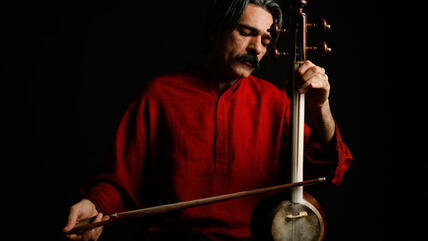 Interview with the Iranian Virtuoso Kayhan Kalhor
For the Love of Improvisation
The Iranian Kayhan Kalhor is one of the great virtuosos of the kamancheh, a Persian string instrument. In an interview with Shahram Ahadi, the composer talks about the art of improvisation and how he became a young soloist in Iran
-
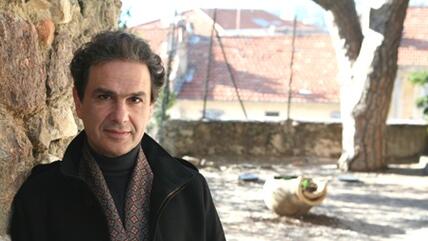 Rabih Abou-Khalil and his new album ''Hungry People''
Hunger, Not Just for Food
After devoting himself to femininity with "Songs for Sad Women" and to Atlantic melancholy with "Em Português", it was probably inevitable that his new work would finally mirror current events in the MENA region. Oud master Rabih Abou-Khalil explains to Stefan Franzen how he combines a plastic chicken, fish & chips and a bankers' banquet into a musical feast with political-surreal features
-
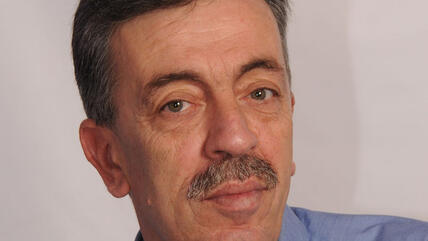 Jabbour Douaihy's Novel ''June Rain''
Forgetting by State Decree
Jabbour Douaihy's new novel revolves around the trauma of Lebanon's civil war. The story deals with the power of recollection, the effects of history, and how one must constantly affirm one's own past anew. Andreas Pflitsch has read "June Rain" for Qantara.de
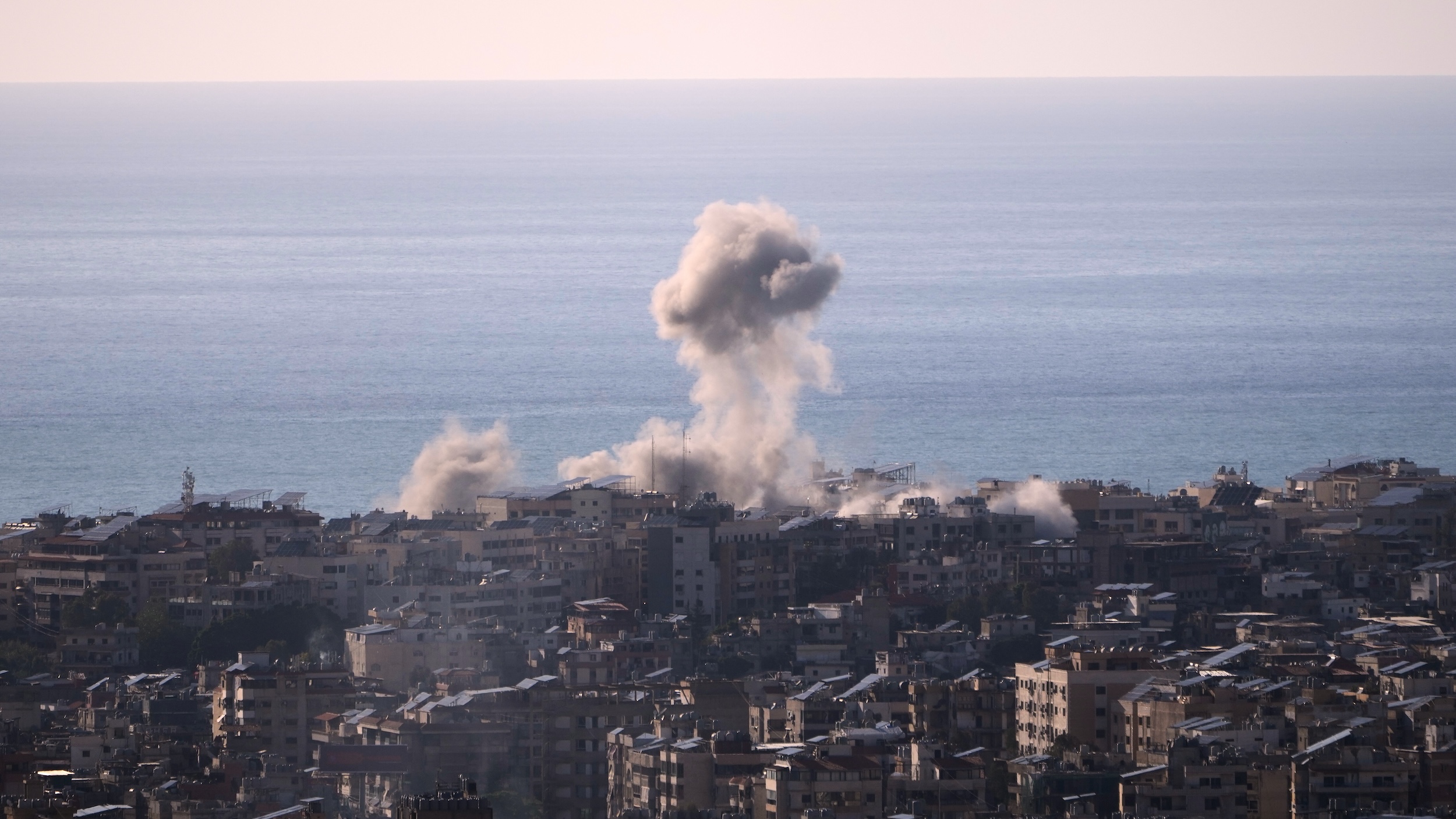
750th anniversary of Rumi's death
750th anniversary of Rumi's death - Qantara.de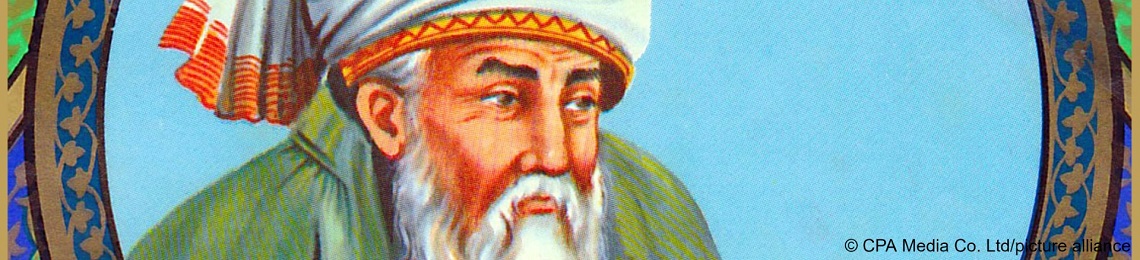
Most read articles
-
Sex-Tourismus in Ägypten
Braut für einen Sommer
-
„Postmuslim“ von Youssef Rakha
Ein Autor, mehrere Versionen
-
Deutsche Landtagswahlen
Politische Signale an migrantische Communities
-
IS-Gefangenenlager in Syrien
Die Frauen und Kinder von al-Roj
-
Sprache und Spracherwerb
Wie die Muttersprache unser Gehirn formt
-
Prostitution in Tunesien
Das Verdeckte offenlegen