Migrants face a shifting political reality
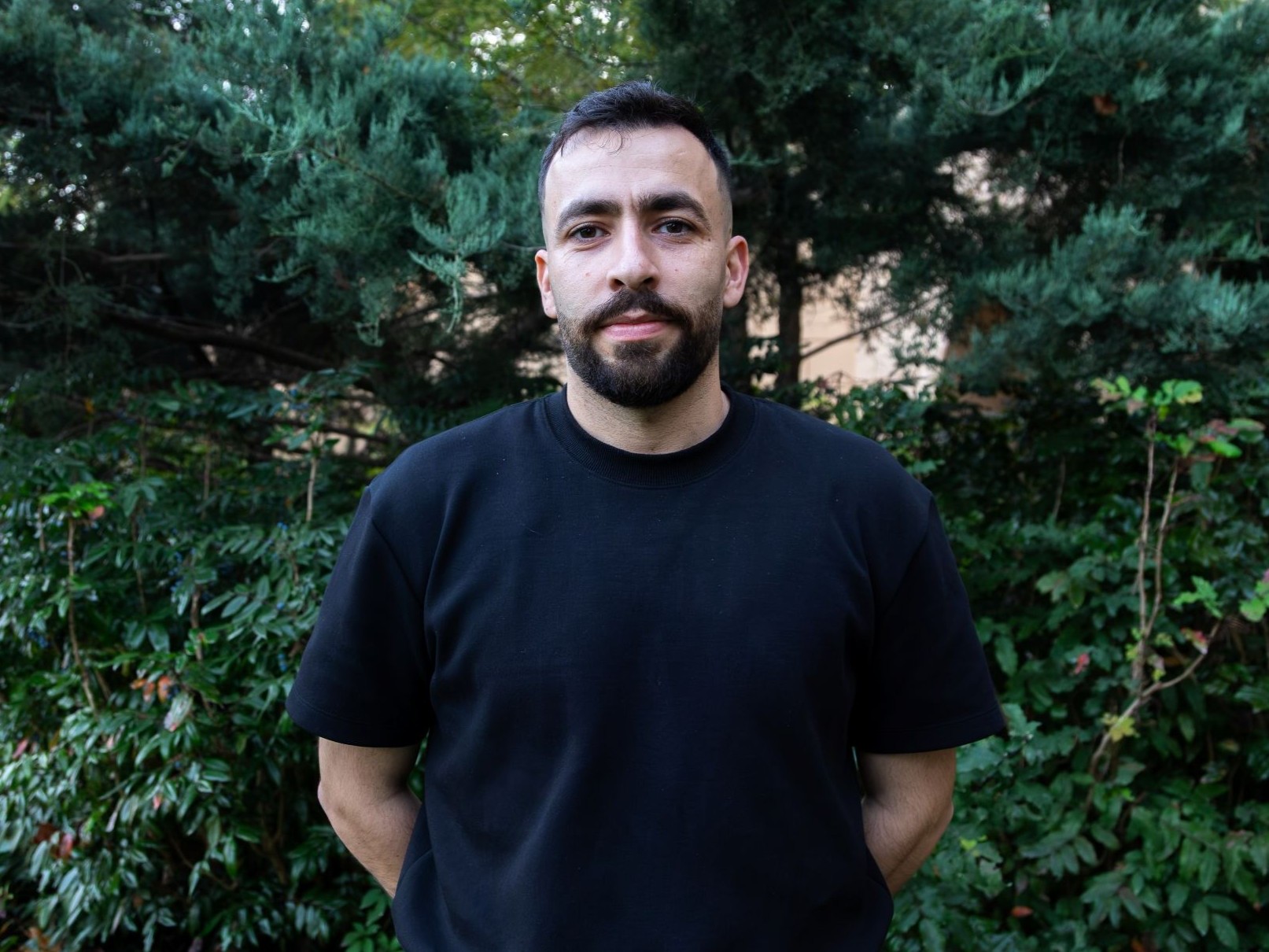
When Mohammed Bassam entered a polling station in the city of Schwerin on the morning of the Mecklenburg-Vorpommern state election, he was thinking about more than just casting his vote: his wife, who wears a veil, his child and the life he had built in Germany over the past ten years.
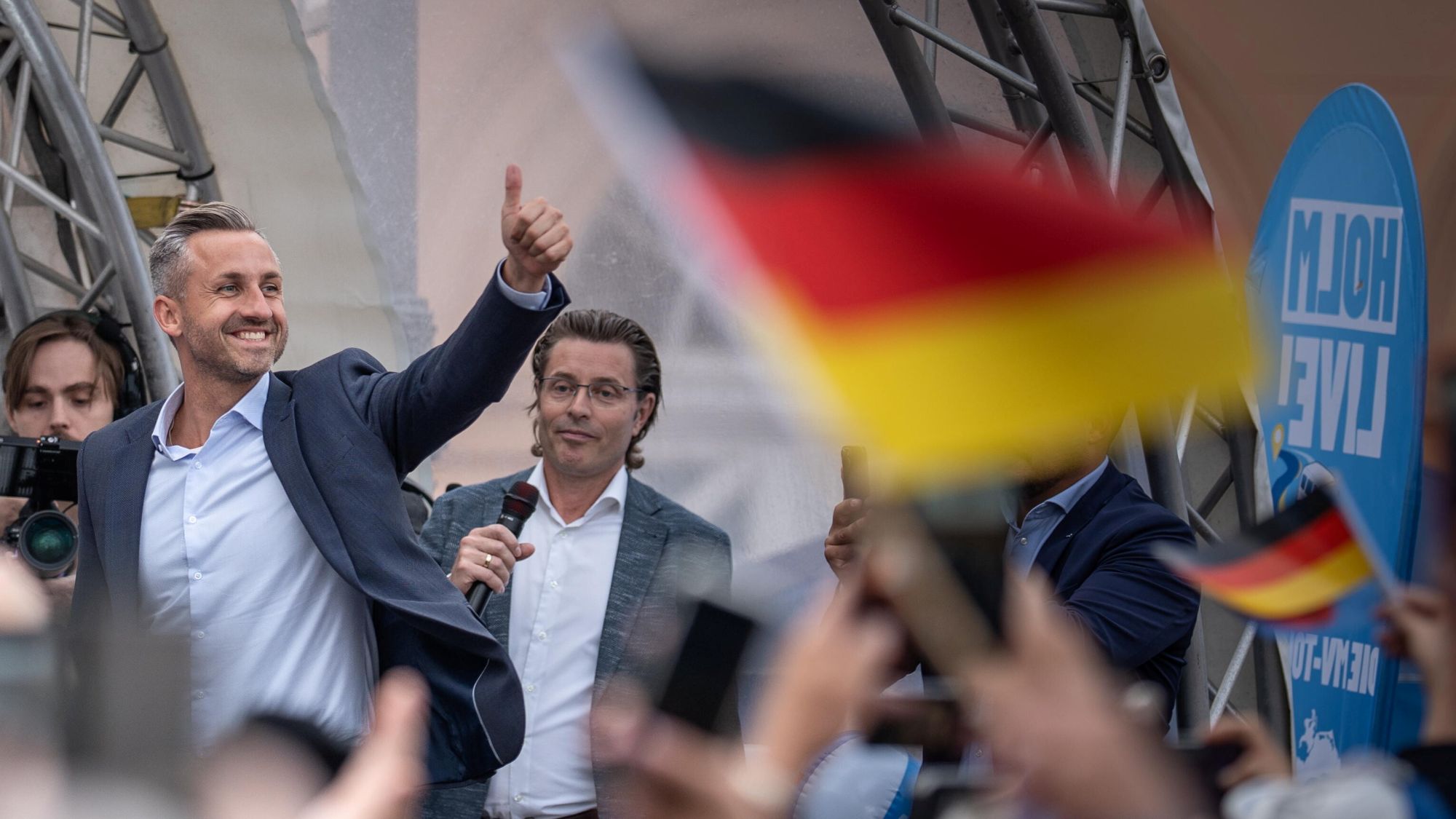
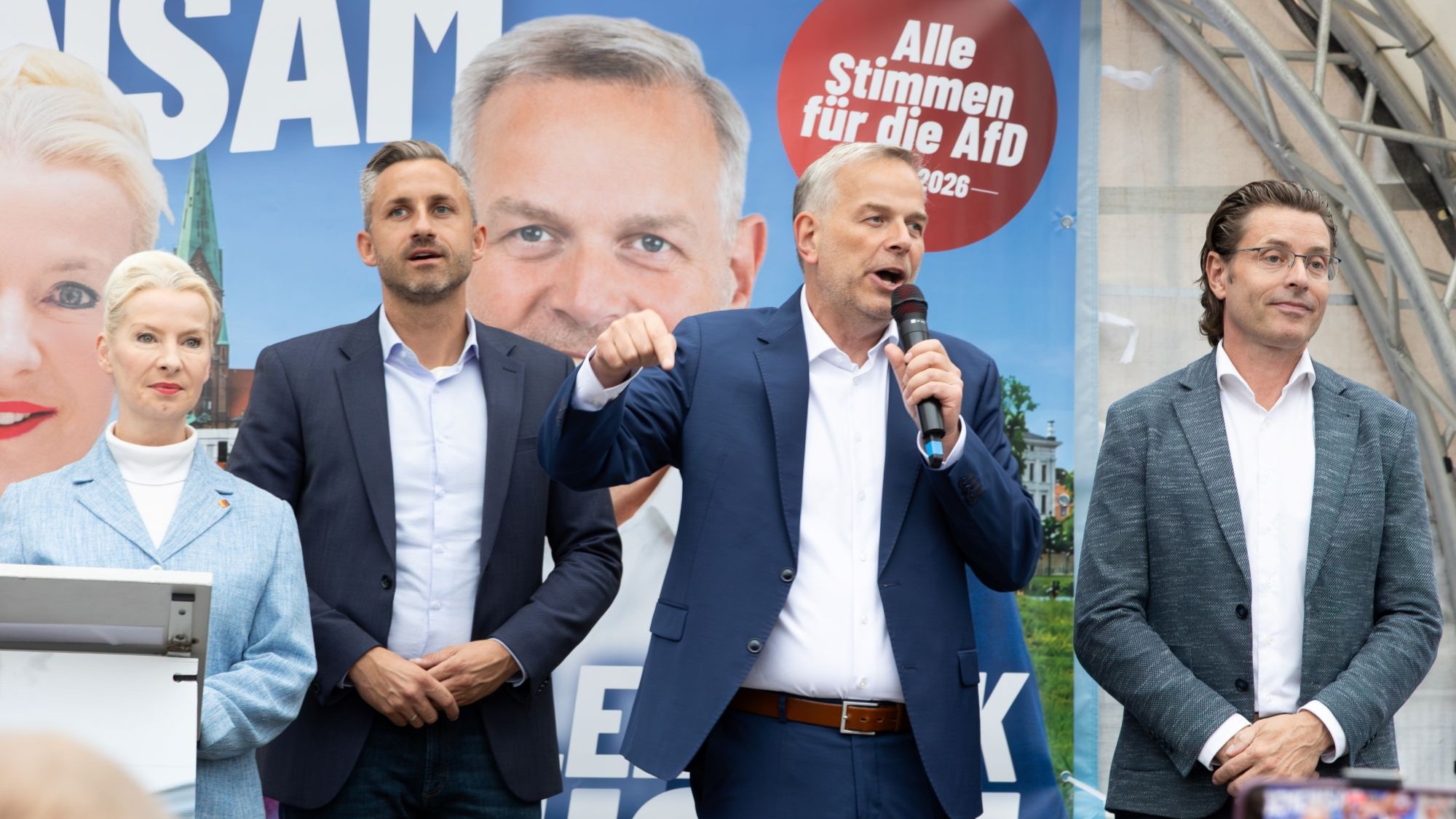
Three German states held elections in September. The Alternative for Germany (AfD) won the most votes in Mecklenburg-Vorpommern and Saxony-Anhalt, while coming third in Berlin. In some states, including Saxony-Anhalt, the party is classified by the Office for the Protection of the Constitution as a "confirmed far-right extremist" organisation.
Bassam was not surprised that the anti-immigration party came first in Mecklenburg-Vorpommern, securing 38.2 percent of the vote, compared with 35.5 percent for its main rival, the Social Democratic Party (SPD), which he voted for. The AfD’s anti-immigrant and anti-refugee rhetoric, as well as what Bassam describes as "racism", had been part of his everyday life in Schwerin for years before the election.
He also points to the party's performance in Saxony-Anhalt, where it won 43.8 percent of the vote, its highest share in a state parliamentary election since its founding in 2013. Although the AfD emerged as the strongest party in both states, this does not mean it can automatically form a government. However, its results have brought it closer to power at the state level than ever before.
The results have sparked widespread concern, particularly among migrants and people from migrant families, over rising racism and the possibility of deportations. The party is pushing for tighter restrictions on immigration, more deportations and what it calls "remigration". Ulrich Siegmund, one of the party's prominent figures in Saxony-Anhalt, has spoken about using military equipment in future campaigns to "remigrate" and deport migrants.
"German on paper only"
Bassam arrived in Germany in 2016, fleeing the war in Syria. He built a family, works as a restaurant manager and pays his taxes. He also spent around a year and a half volunteering with an initiative supporting other refugees, before obtaining German citizenship three years ago. Yet, he says, this has not changed the way many people see him. When asked where he is from, he says Syria.
Bassam feels that his Arab features and black hair shape how others perceive him before his passport does. "I have citizenship, but I'm German only on paper. People still treat me like a foreigner," he says.
But his biggest concern is for his wife, who arrived in Germany in 2023 through family reunification and has not yet obtained citizenship. He says the looks she receives because of her hijab upset him, while the harassment she has experienced makes him worry whenever she uses public transport alone. He fears that the rise of the far right could mean she faces even more hostility.
He recalls an incident that happened while he was at a park with a friend. According to Bassam, some people noticed that the two were afraid of dogs and began directing their dogs towards them to frighten them. Neither was harmed, but the experience stayed with him.
He says such incidents may be over within minutes, but their effects last much longer. As they recur and accumulate, he feels that his family is not fully accepted in the city where they live.
"I'm not as afraid of the party's policies as I am of what happens on the streets," he says. Political decisions go through parliament, he explains, but he fears the latest election results may give some AfD supporters the feeling that "power is now on their side", potentially encouraging more harassment and hostility towards immigrants in everyday life. He describes this as "pushing people out" – making daily life so exhausting that a person eventually wants to leave.
Nevertheless, Bassam is not considering leaving Germany. However, he may move to another state, such as Berlin, if life in Schwerin becomes too difficult.
Lives dependent on residency status
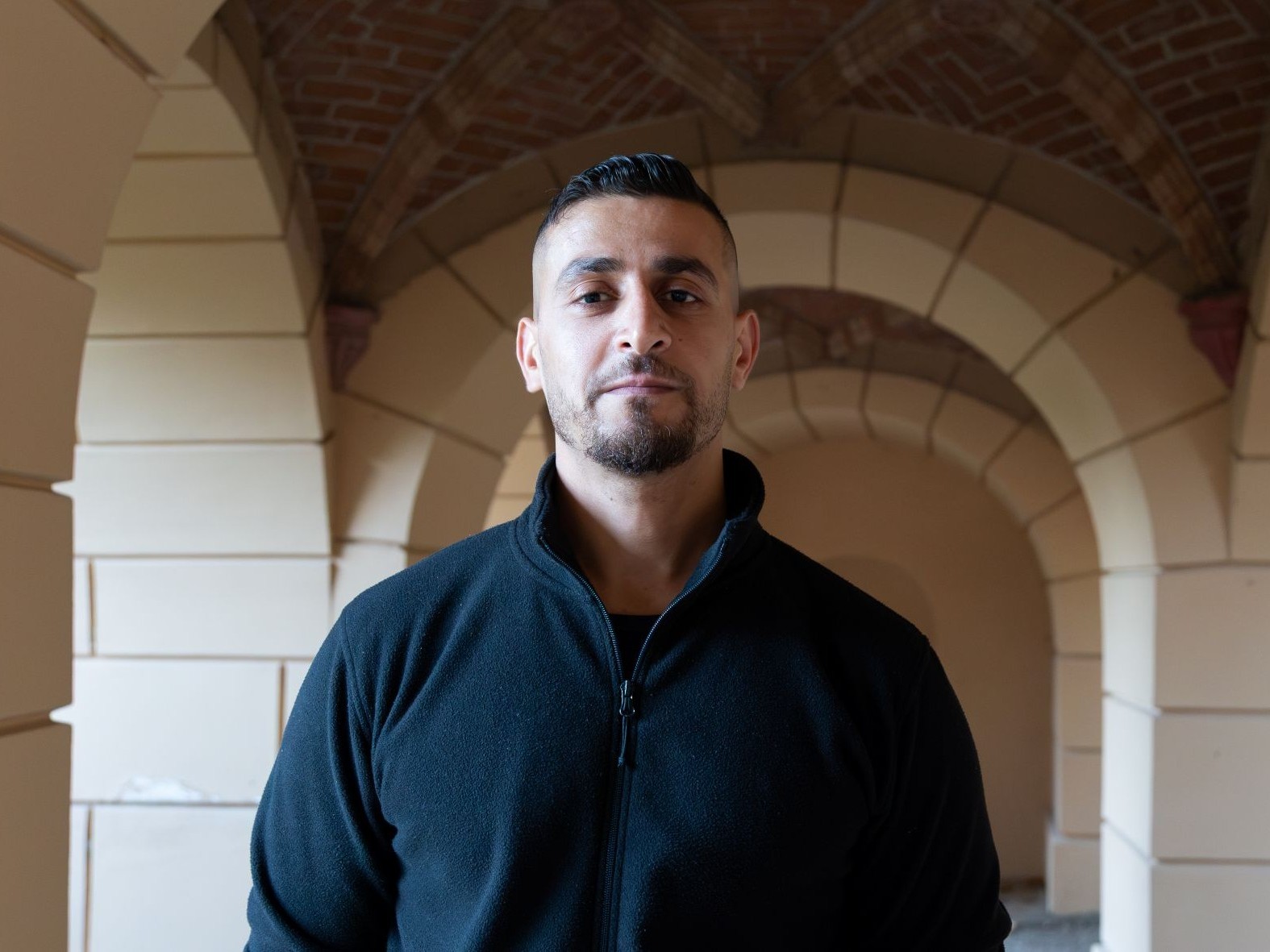
Ali, who asked to be identified only by his first name, is Egyptian, 32 years old and has also lived in Mecklenburg-Vorpommern since 2014. He was unable to vote in the election but followed the results closely, as they could affect his future even though he had no say in them. He describes this as "making me feel helpless and afraid."
Ali works at a restaurant and has a temporary work permit but is still waiting for a decision on his residency application, which he submitted with the help of a lawyer. He plans to marry his fiancée, who is still in Egypt, and then bring her to Germany through family reunification. But those plans depend on him obtaining residency. He says he sometimes hears racist insults on the street but does not respond, fearing that any confrontation could cause problems while his status in the country remains unresolved.
Ali also carries a painful memory from a restaurant where he worked in the town of Bad Kleinen. One day in 2025, his Turkish colleague brought sweets to celebrate the birth of his son. The following day, he was killed, allegedly by a German man who attacked him while he was at work. Ali says the loss and the resulting sense of insecurity affected him for nearly a year, after which he left the town.
The investigation did not establish a racist motive for the attack. The prosecution said the suspect may have been suffering from a mental illness that affected his criminal responsibility at the time of the attack. Ali, however, believes the attack was motivated by hatred. He says the man did not appear to be behaving abnormally: he remained in the restaurant for around two hours, until the place was empty, before taking a knife from the kitchen and attacking the staff.
The incident also made Ali think about differences in how crimes are described and reported depending on the perpetrator's background. "When a German commits a murder, explanations such as mental illness are brought up. But when an immigrant commits the same crime, he is immediately labelled a terrorist," he says.
Cautious relief in Berlin
In Berlin, Die Linke (The Left) won 25.7 percent of the vote, a result that brought some relief to immigrants such as Amit*, an Indian national who has lived in the capital for five years. The Alternative for Germany (AfD) came third, with 16.3 percent.
Amit says Die Linke's focus on the housing crisis and the cost of living, rather than blaming immigrants for social problems, makes him feel safer. Nevertheless, he is waiting to see whether the party will be able to deliver on its promises.
At the same time, the AfD's growing support worries Amit about his future. He says watching videos of the party's supporters chanting "Foreigners, go home" sends shivers down his spine. "If the party comes to power and we are forced to leave, it would mean losing five years of hard work building a life in Germany and having to start from scratch back home," he says.
Others, meanwhile, remain determined to stay and push back against the rise of the far right. Among them is German-Syrian shop owner Ezzeddine Fandi, who was born in Saxony-Anhalt. He tells Qantara: "We stand with the city, we stand with Germany, we are part of this country. We work, we pay taxes and we create jobs. We are not a burden on the German government; we are productive members of society."
*Name changed.
This is an edited translation of the Arabic original. Translated by Maram Taylor with the support of AI-assisted translation tools.
© Qantara.de