Qantara Startseite Englisch
-
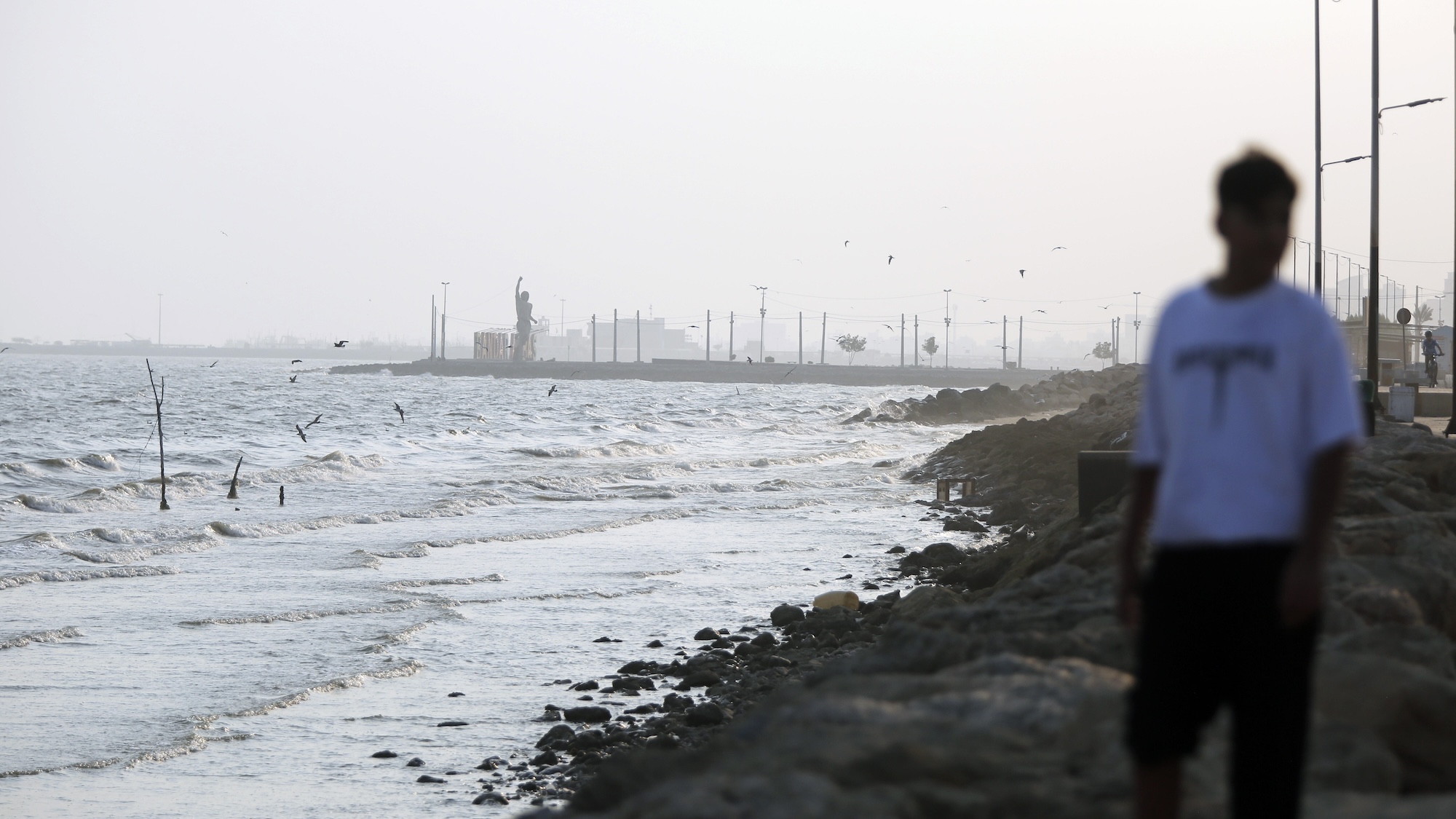 Hormuz and Bab el‑Mandeb
Centuries of struggle for the Straits
Three colonial powers—the Portuguese, the Dutch and the British—gained, and then lost, control over the straits of Hormuz and Bab el-Mandeb. Today, as the US and Iran struggle over these vital chokepoints, history offers a warning.
-
 Anti-colonialism
"Palestine reveals the limits of international solidarity"
Why do African publics stand so firmly with Palestine while many of their governments court Israel? Algerian researcher Raouf Farrah traces the answer to the continent's anti-colonial past, and to the gap between popular solidarity and state diplomacy.
-
 German state elections
Migrants face a shifting political reality
The far-right AfD made historic gains in September's state elections, while the Left Party came out on top in Berlin for the first time. Migrants across the country are now considering what the results could mean for their everyday lives and futures.
-
 "Postmuslim" by Youssef Rakha
One author, multiple selves
"Postmuslim" is an intimate new collection of essays in English by Youssef Rakha. The Egyptian author explores his complex relationship with the West while tracing his intellectual evolution over several decades.
Politics
More about Politics-
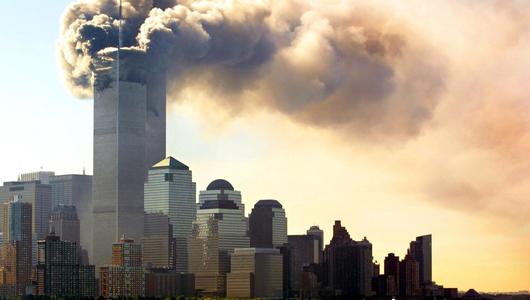 Gilbert Achcar on the impact of 9/11
"The Iraq War shattered the promise of a new world order"
The attacks of 11 September 2001 fundamentally altered US foreign policy and triggered a series of wars that have reshaped the Middle East. 25 years on, Gilbert Achcar reflects on the US response to 9/11 and its enduring impact on the region.
-
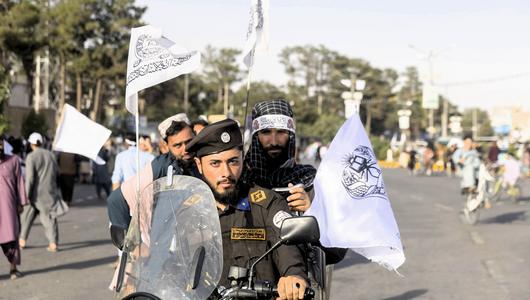 Taliban in Afghanistan
Power consolidated, society reshaped
In the five years since regaining power, the Taliban have cemented their rule in Afghanistan, bringing armed conflict in the country to a relative lull. Their ambitions go beyond maintaining control: they are seeking to transform the country from the bottom up.
-
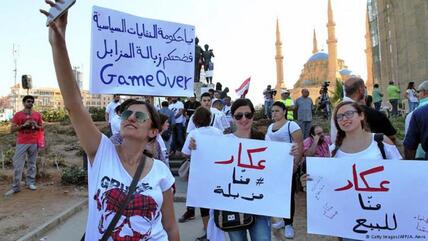 Lebanon's "You Stink" protest movement
Rubbish knows no religion
Triggered by a waste disposal crisis, a new movement has formed in Lebanon. Yet the "You Stink" campaign is more than an initiative against unsolved rubbish problems; it is also a rebellion against Lebanon's family clans and confessionalism, a system that divides up political power among the country's religious communities in proportion to their percentage of the population. By Karim El-Gawhary
-
 Politics and religion
The instrumentalisation of religion
Since time immemorial, religion has not only been used as an inspiration and a guide for life, but also as a way of furthering interests and achieving specific political ends. This instrumentalisation can be either intentional or unintentional. In this essay, Hakim Khatib looks at a number of countries where Islam has been instrumentalised in the recent past and examines the various different forms this instrumentalisation can take
-
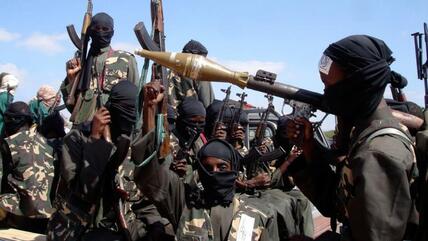 Islamism in eastern Africa
Not immune to terror
Somalia, Kenya and their neighbouring countries are increasingly being haunted by extremist violence. This essay assesses why this region has become a hotbed of Islamism and why one-dimensional military interventions by external forces have not delivered the desired results. By Emmanuel Kisiangani
-
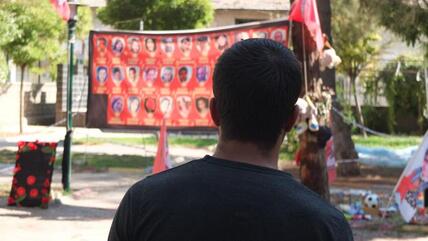 Interview with a survivor of the Suruc attack
"All we want is freedom"
The faces of the 31 members of the Federation of Socialist Youth Associations (SGDF) killed in the attack on 20 July still gaze down from banners strung around the courtyard of the Amara Culture Centre where the bomb was detonated. Inside, surrounded by broken windows, sits Adnan, a 25-year-old Kurd, who describes the IS terrorism that drove him out of Kobani, only to catch up with him across the border in Suruc. Fabian Kohler spoke to him about the attack
-
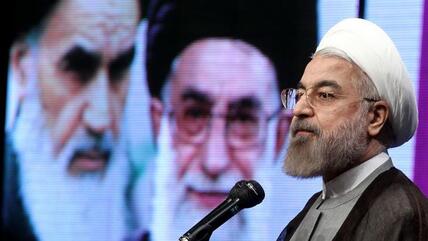 State and religion in Iran
"Shias tend to support the underdogs"
The Shia faith has always been a defining aspect of Iranian nationhood. In the twentieth century, the pro-Western regime of Shah Mohammad Reza Pahlavi silenced critics and was eventually toppled by a popular revolution with strong religious dimensions in 1979. Tehran's stance has since been basically anti-Western, but that may now be changing. Maysam Behravesh, a political analyst with Tehran Bureau, assessed the nature of the Shia regime in an interview with Hans Dembowski
-
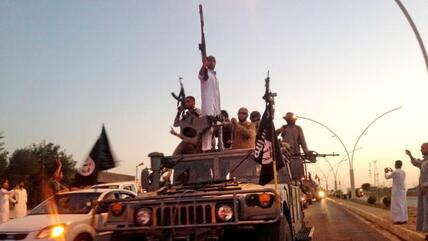 Interview with Wilfried Buchta on the rise of IS and the fall of Iraq
"Iraq is irreversibly split"
In his new book, "Terror vor Europas Toren" (Terror at the Gates of Europe), Wilfried Buchta analyses the reasons for the rise of the jihadist militia of the self-styled "Islamic State" and the disintegration of the Iraqi state. Ulrich von Schwerin spoke to Buchta, a scholar of Islam, who worked as a UN analyst in Baghdad for many years about the future of the nation
Society
More about Society-
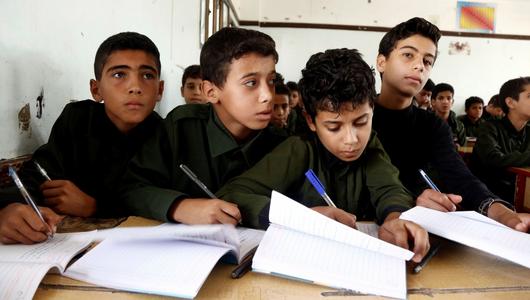 Education and climate in Yemen
Too hot for class
In Houthi-controlled Yemen, the decision to schedule the school year by the Hijri calendar has pushed classes earlier into the harshest heat of summer. For students this has compounded the impact of climate change, posing health risks and driving up dropout rates.
-
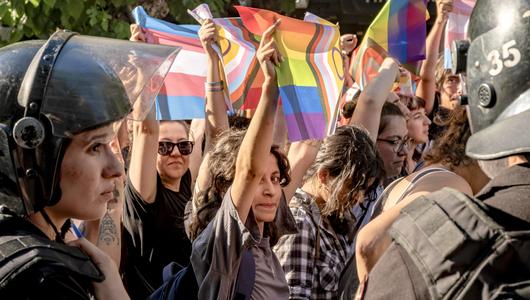 Turkish women's association Havle
"White secular women do not have a monopoly on feminism"
The Muslim queer-feminist group Havle uses religious arguments to challenge discrimination. Facing growing hostility and, most recently, arrests, two members speak about the struggle for LGBTQ rights in the country.
-
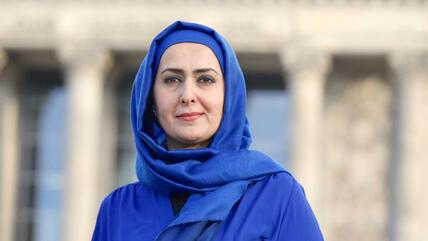 Interview with Fereshta Ludin
"The decision for or against the headscarf is wholly a matter for the woman herself"
Fereshta Ludin is probably one of the most famous teachers in Germany. Her battle to be allowed to wear the headscarf in the classroom began in 2003 – initially without success. But she is optimistic following the latest ruling from the judges at Germany's Constitutional Court in Karlsruhe. She spoke to Emran Feroz
-
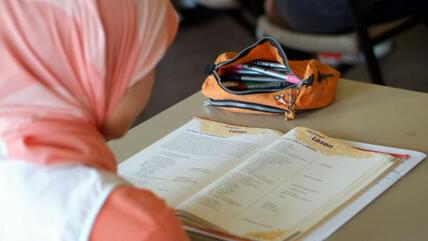 The headscarf ruling from Germany's Constitutional Court
Heated debate on all sides
The headscarf ruling handed down by the Karlsruhe judges on 13 March met with divided reactions. While some are calling it a landmark decision, others see it not as a solution but as a potential source of further problems. Canan Topcu outlines the various positions
-
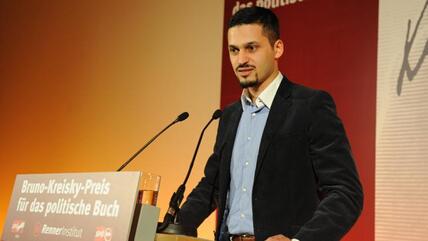 Interview with the political scientist Farid Hafez
"An expression of institutional Islamophobia"
The most recent amendment to the Islam Law in Austria is also making waves in Germany. While some politicians at the conservative end of the spectrum would like to introduce a "German version" of the law, critics believe adopting it would be the wrong way to go. One of these critics is the Austrian political theorist Farid Hafez. Emran Feroz asked him about his objections to the new law
-
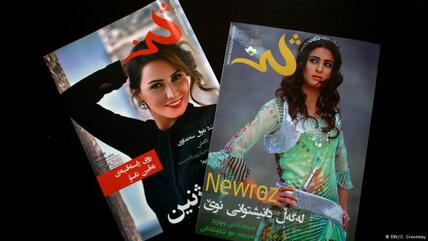 Women's magazine "Zhin" in Iraqi Kurdistan
Challenging traditions
A number of female journalists in Iraqi Kurdistan are shaking up a male-dominated domain with a magazine that aims to highlight the problems and abuse many women still face. They are reporting on women's success stories and addressing controversial issues such as female genital mutilation. Melissa Tabeek visited the editorial team in Sulaymaniyah
-
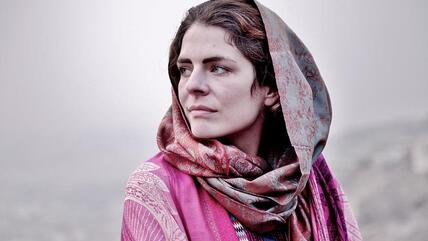 Interview with Ronja von Wurmb-Seibel
"My life in Afghanistan is more normal than people assume"
Ronja von Wurmb-Seibel is a German journalist and author of "Ausgerechnet Kabul" (Kabul, of all places). Her book is an account of her time in Afghanistan and provides an insider's perspective on the country, going beyond the subjects of burqa, Taliban and the role of the German Army in the country. Roma Rajpal Weiss spoke to her about the war-torn country and the situation for women in Afghanistan
-
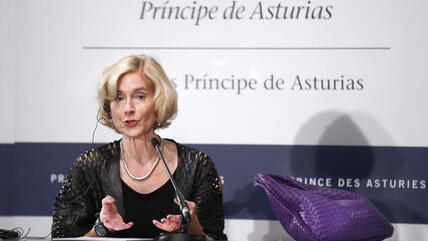 Interview with Martha Nussbaum
Overcoming narcissistic fears
Martha Nussbaum is one of the best-known American philosophers of our time. Her book: The New Religious Intolerance. Overcoming the Politics of Fear in an Anxious Age was recently published in German. Ceyda Nurtsch spoke to her
Culture
More about Culture-
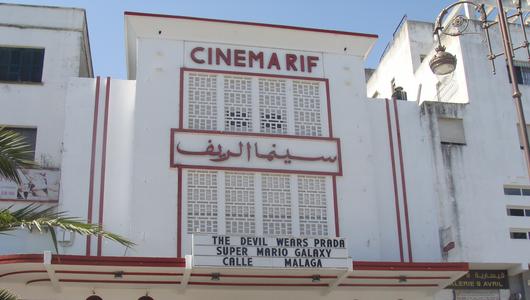 Arthouse film in Morocco
Keeping Tangier's cinematic history alive
20 years ago, the historic Cinema Rif in Tangier was renovated and reopened as the Cinémathèque de Tanger, one of the few arthouse cinemas in North Africa today. Elisa Pierandrei traces its history and place in Morocco's vibrant film culture.
-
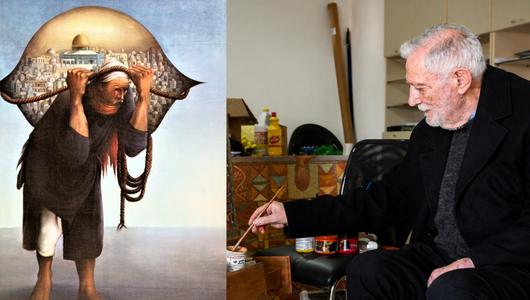 Remembering Sliman Mansour
The artist behind a Palestinian icon
"Camel of Hardship" by Sliman Mansour, who died on 24 August, is one of the most recognisable images in Palestinian art. Asmaa al-Ghoul tells how it came to appear on walls across the country and why it remains deeply embedded in collective memory.
-
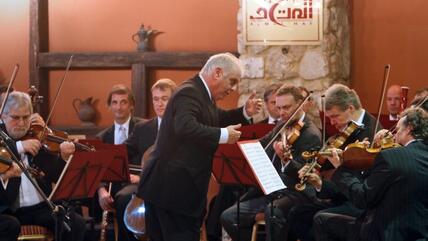 Daniel Barenboim and Arab Anti-Israel Sentiment
A Classic Example of Political Naivety
The Israeli star conductor and pianist Daniel Barenboim and his West-Eastern Divan Orchestra were invited to perform in Qatar. Then, following pressure from Arab opponents of a normalisation of relations with Israel, the invitation was withdrawn. As far as the Jordanian author Fakhri Saleh is concerned, this is evidence of political naivety
-
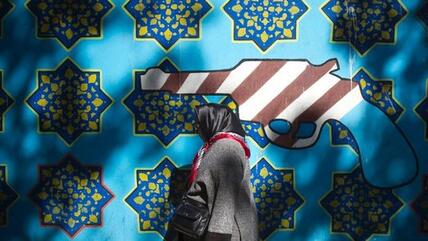 The Iranian Writer Amir Hassan Cheheltan
The Loyal Dissident
Amir Hassan Cheheltan is one of a group of internationally known Iranian artists who have no intention of turning their backs on their country, and who will not allow themselves to be sidelined or frozen out by the regime. Stefan Buchen met him in Berlin
-
 Prison Sentence for Egyptian Actor Adel Imam
Curbing Cultural Expression
The sentencing of the famous Egyptian actor Adel Imam for allegedly offending Islam in one of his films spotlights the latest bout of power posturing by Muslim hardliners and the increasing threat to freedom of expression on the Nile. A report by Amira El Ahl in Cairo
-
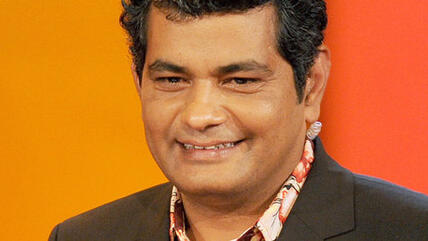 Interview with Mohammed Hanif
The Joys and Struggles of Everyday Life
Mohammed Hanif's first novel, A case of exploding mangoes, was a critically acclaimed success. Claudia Kramatschek met the author and spoke to him about Pakistan, minorities and his most recent novel, Our Lady of Alice Bhatti
-
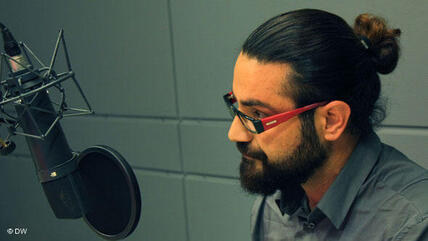 Supposed Fatwa against Iranian Rapper Shahin Najafi
''We Will Continue with Our Work''
Iran's grand ayatollah has issued what many have interpreted to be a fatwa against the rapper Shahin Najafi, who has lived in Germany for the past seven years. In this interview with Shahram Ahadi, Najafi gives his take on the situation
-
 Interview with Orhan Pamuk
''The Museum of Innocence'' – A Declaration of Love to the City of Istanbul
Orhan Pamuk is Turkey's most famous writer. In 2006 he also became the first ever Turkish writer to be awarded the Nobel Prize. He recently presented a very special museum to his home city of Istanbul. An interview by Aygül Cizmecioglu
750th anniversary of Rumi's death
750th anniversary of Rumi's death - Qantara.de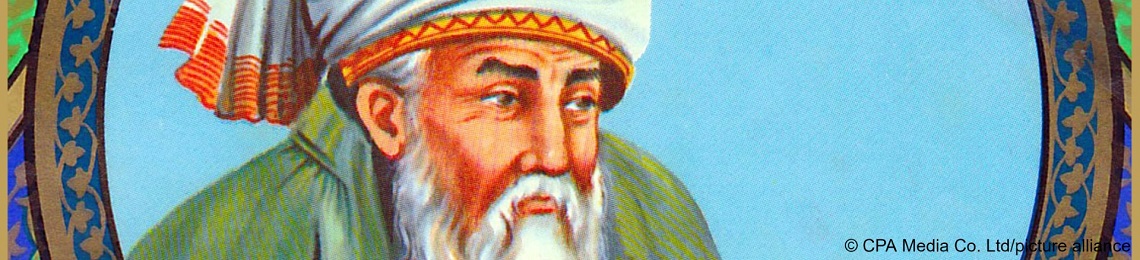
Most read articles
-
Der Fall des saudischen Dissidenten Omar Abdulaziz
Im Visier Riads
-
Kampf um westirakische IS-Hochburg Falludscha
Furcht vor marodierenden Milizen
-
Joshua Oppenheimers Dokumentarfilm "The Look of Silence"
"Ich hatte erwartet, Monster zu treffen"
-
Nusrat Fateh Ali Khan
Der letzte Prophet
-
Konflikt zwischen Militär und RSF-Milizen im Sudan
Machtkampf der Generäle
-
13. Sufi Soul Festival
Ton für Ton auf dem Weg zu Allah