Qantara Startseite Englisch
-
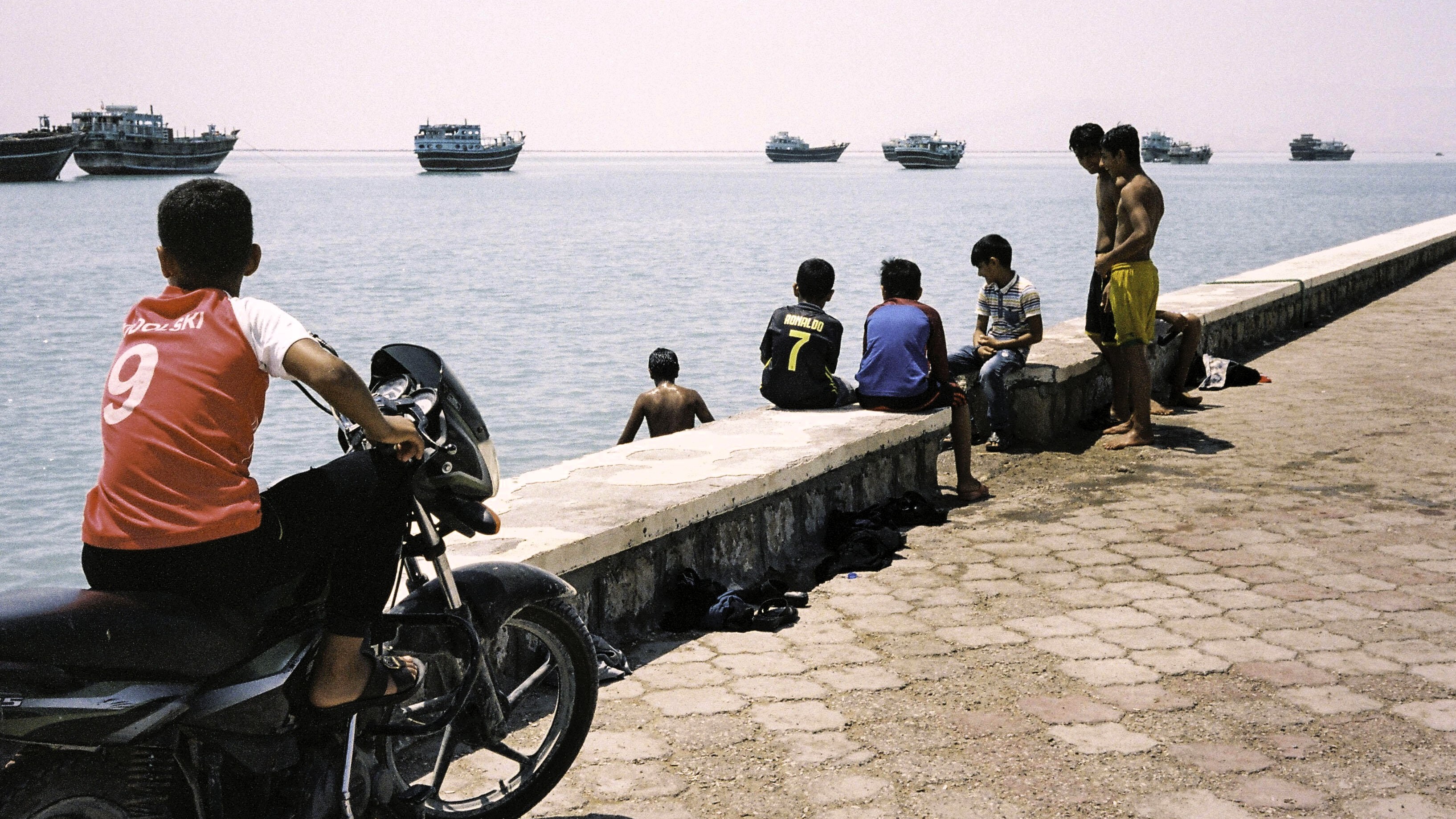 Iran's Gulf region
More than a strait
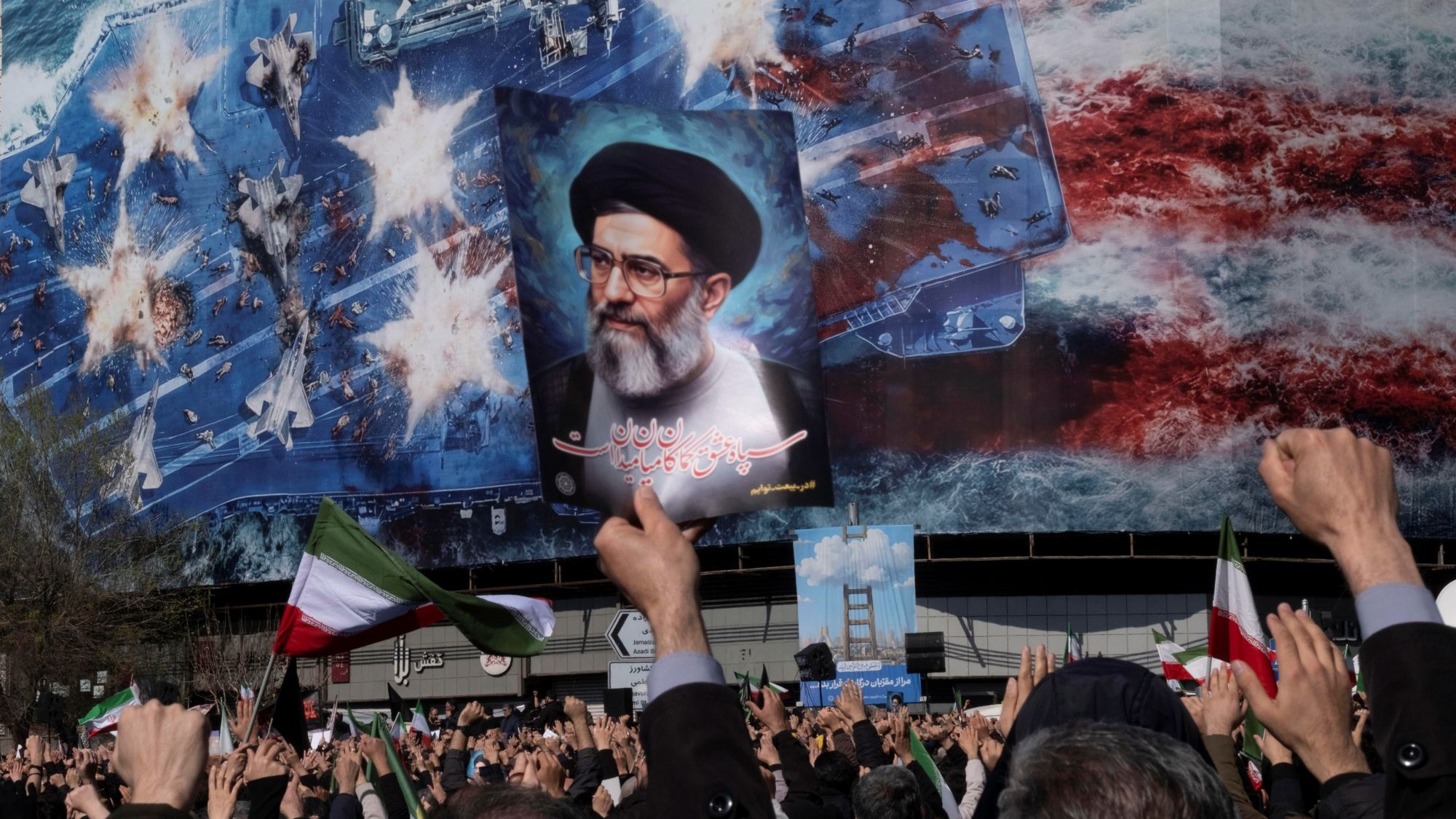
The Strait of Hormuz is at the centre of geopolitical tensions. But a closer look at the cultural landscape reveals a different picture: on Iran's southern coast, African, Indian and Arab influences converge, creating a cultural tapestry far removed from the image of a homogeneous theocratic state.
-
 Reconstruction in Syria
Whose land will major investors build on?
Syria is relying on competition and foreign investment to fund its reconstruction efforts. In Damascus, citizens are being asked to sell their land for a multi-billion property project. Yet many long to rebuild their own homes.
-
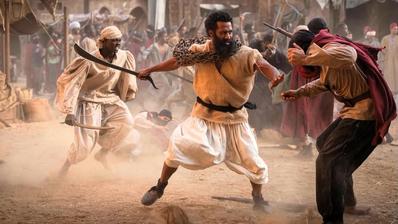 Egyptian film "Asad"
Slave drama sparks debate on national identity
In Egypt, a historical film has sparked a present-day controversy, with critics accusing "Asad" of distorting the past and promoting Afrocentric narratives. Beneath the political rhetoric, however, lies a deeper cultural dispute.
-
 Iranian author Shahrnush Parsipur
Writing in defiance
With the death of Shahrnush Parsipur, Iran has lost one of its most indomitable literary voices. The author of "Women Without Men" confronted censorship and oppression throughout her life. Most recently, she refused to glorify the war against Iran as a liberation.
Politics
More about Politics-
 Syria after Assad
Striking deals with the old elites
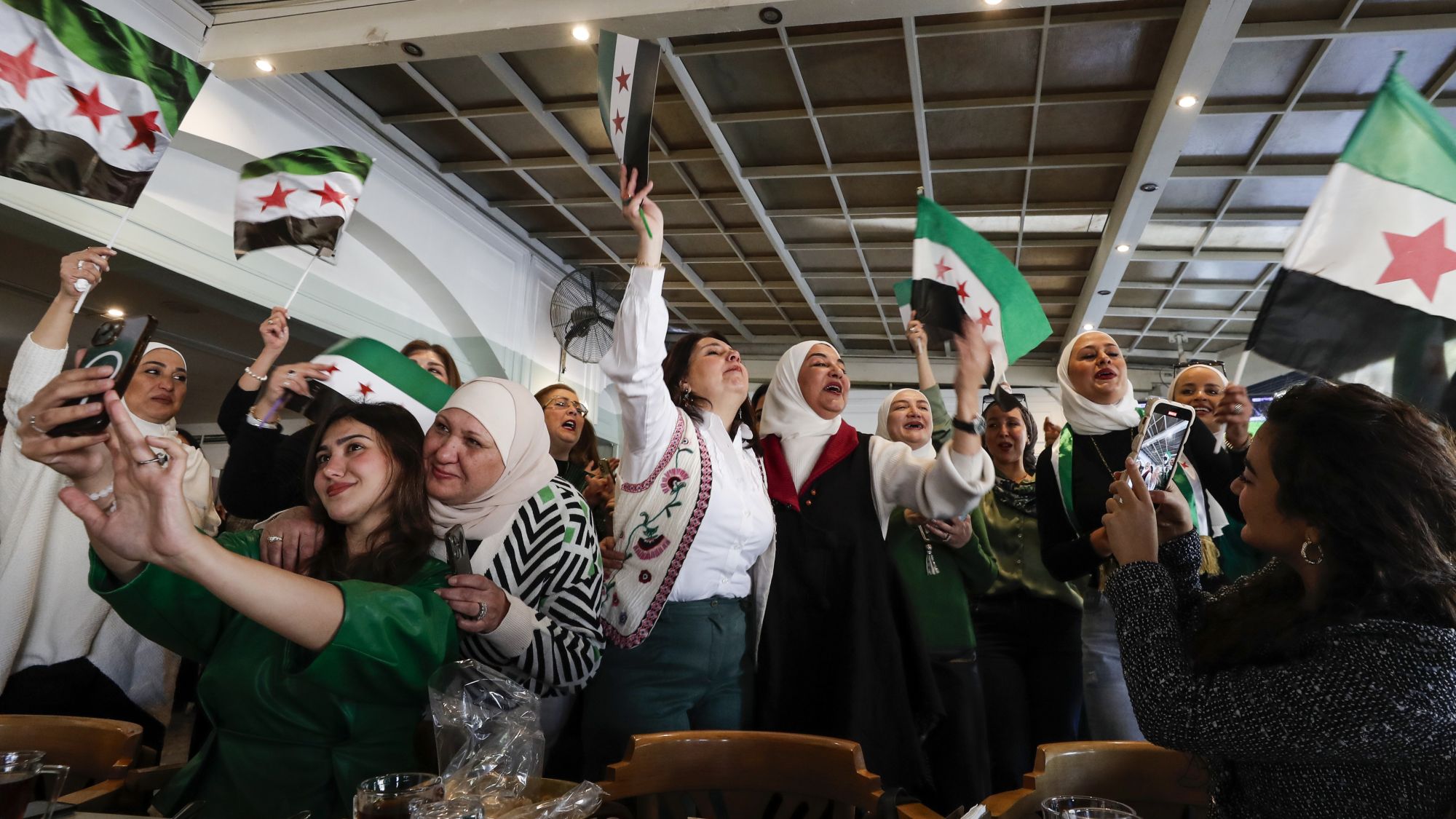
The HTS regime presents itself as the "liberator of Syria" while collaborating with key figures from the Assad era. Instead of conducting a thorough reckoning with the past, the new elites are consolidating power with the help of the old.
-
 Saudi sports policy
The limits of Saudi Arabia's football ambitions
Saudi Arabia has emerged as an influential player in the politics of international sports, particularly football. The 2034 World Cup will be hosted by the Kingdom, but war in the Gulf could be jeopardising its ambitious goals.
-
 Interview with "Der Spiegel" reporter Christoph Reuter
The strategists of terror
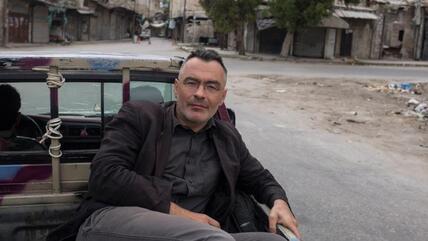
At present, IS is the most dangerous terrorist militia in the world. It controls a territory that stretches from north-eastern Syria to western Iraq, including almost all Syrian oil and gas fields. Igal Avidan spoke to Christoph Reuter (correspondent for the German weekly news magazine "Der Spiegel") about the ascent of IS
-
 Interview with Iran expert Trita Parsi
A nuclear deal would benefit all parties
According to Iran expert Trita Parsi, a comprehensive nuclear deal would be beneficial for both Iran and the world's powers. In this interview with Sven Pohle, he explains why and criticises those who oppose the ongoing negotiations
-
 How the West views Iran's leaders
A sober and critical eye is needed
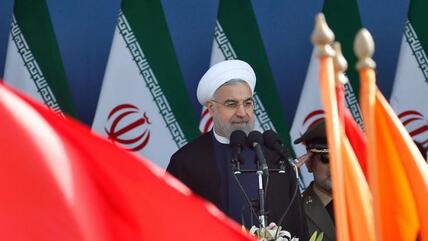
Has Iran really undergone fundamental change since President Hassan Rouhani took office? Observers shouldn't allow themselves to be deceived by the current trend towards rosy political analyses, warns Ali Fathollah-Nejad, a German–Iranian political scientist, who points out that developments in the Islamic Republic are characterised by continuity
-
 After the Sousse attack
United against terror
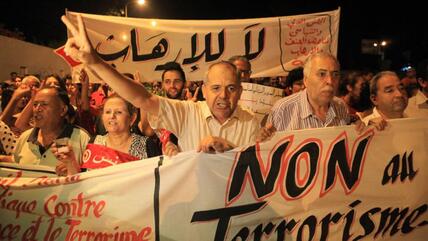
Following the attack on a beach hotel near Sousse, which claimed the lives of 38 and injured 39 others, many Tunisians took to the streets to demonstrate against Islamist terror in their country and call for a tightening of security laws. Report from Sousse by Karim El-Gawhary
-
 Interview with Alaya Allani, an expert on Islamism
"The jihadists have no social base in Libya"
Alaya Allani, professor of contemporary history at the Monouba University in Tunis and a specialist on Islamist movements, does not expect that the IS terrorist militia will be able to establish itself in Libya over the long-term, although the jihadists have already successfully formed cells in some regions of the country. Beat Stauffer spoke to him in Tunis
-
 The civil war in Syria
When minorities become pawns in a power game
The Assad clan is exploiting the multi-religious composition of Syria and holding its minorities in a fatal grip of dependency. By Haid N. Haid and Bente Scheller
Society
More about Society-
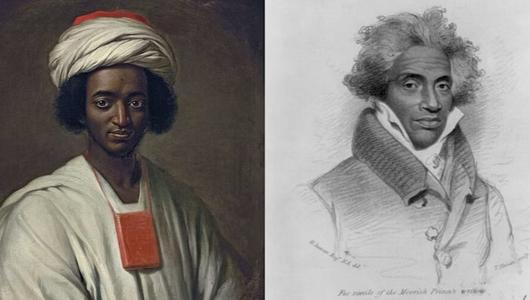 250 years of the USA
How enslaved African Muslims resisted bondage
The history of Islam in the U.S. does not begin with voluntary immigration. It can be traced back to the country's formative years, and to the millions of enslaved Africans, up to a third of whom are believed to have been Muslim.
-
 Femicide in Turkey
Where is Gülistan Doku?
Years after a young Kurdish woman's femicide, new probes have led to arrests. The suspects are sons of civil servants. The case ignited a Turkish debate on state failure and alleged cover-up. Yet the wider issue of anti-Kurdish violence remains sidelined.
-
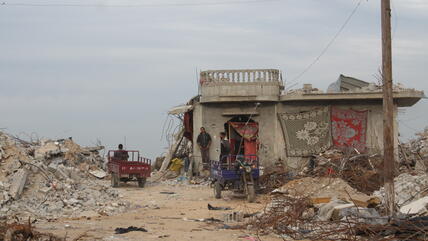 Rebuilding Gaza
Left out in the cold
Every day, hundreds of people go to the Shamali warehouse in Shejaia, Gaza, where they hope to get the cement they need to re-build their homes after the devastating Gaza offensive of summer 2014. Almost five months on, reconstruction has virtually not begun. Many families across Gaza are living among the rubble of their semi-destroyed homes, unable to fix them because of the lack of cement caused by the blockade. By Ylenia Gostoli in Gaza
-
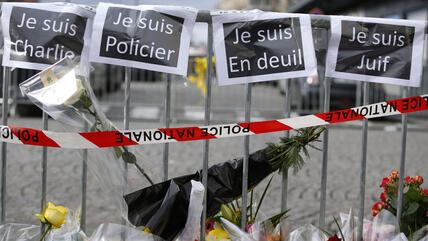 Reactions to the Paris attacks
Religiousness is not the problem
The brutal attacks perpetrated by Islamist terrorists in Paris have shocked Europe and the world. Although Felix Steiner is angered by the fact that these attacks discredit not only Islam, but belief in God in general, he is adamant that there can be no compromise on tolerance
-
 Resistance to Pegida
"Intolerance must not be tolerated"
Against the backdrop of the Pegida protests, politicians in Germany must finally recognise that Islamophobia is a form of racism. Unfortunately, most decision-makers in this country are still a long way off doing that, says Armin Langer, co-ordinator of the Salaam-Shalom initiative in the Berlin district of Neukölln
-
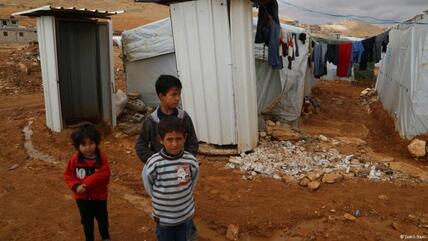 Syrian refugees in Lebanon
"We will perish here!"
Fearing a terrorist attack, the Lebanese army has hermetically sealed off the town of Arsal. More than 100,000 Syrian refugees have been trapped there for months. They fear for their own security and the impact of winter. Juliane Metzker reports from Arsal
-
 Study on attitudes in "Post-migrant Germany"
Do you love Germany?
A new study entitled "Post-migrant Germany" set out to investigate attitudes on national identity in Germany. According to the results, these attitudes are ambivalent: people in Germany are open-minded, yet many in mainstream society have major reservations with respect to Muslim immigrants. By Claudia Mende
-
 Qantara review 2014
Your favourite articles of the year
This year, roughly 450 English-language articles were published on Qantara.de. These articles covered a huge variety of topics from the civil war in Syria, the rise of IS, and the Gaza conflict to elections in Tunisia, Turkey, India and Egypt. We also took a closer look at Islamophobia in Germany and worldwide, integration in Europe, and women's rights and freedom of speech in the Islamic world, not to mention a fascinating and colourful range of topics from the world of culture
Culture
More about Culture-
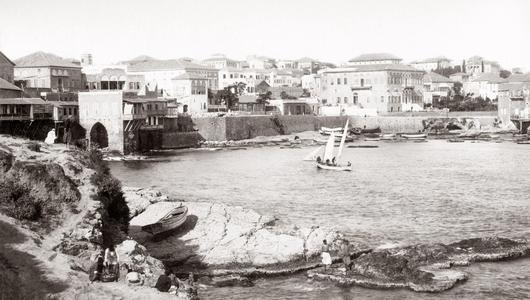 Lebanese literature in translation
The rediscovery of Alis al-Bustani
Published in 1891, Alis al-Bustani's only novel "Sa'iba" dismantles the comforting assumptions of Arab modernity. A new translation restores to view a woman writer long consigned to obscurity.
-
 Islamic history scholar Sabine Schmidtke
"The Holocaust reshaped knowledge production about Islam"
Hedwig Klein's life and scholarship were cut short by the Holocaust in 1942. In her new book, Sabine Schmidtke traces Klein's intellectual legacy and sets the record straight on her involvement in Hans Wehr's Arabic dictionary.
-
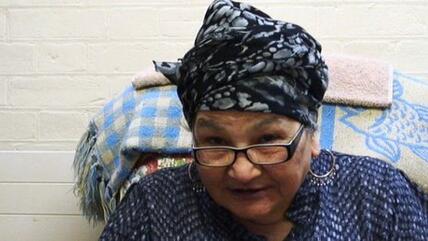 Hanan Abdalla's Documentary Film ''In the Shadow of a Man''
Searching for Freedom and Self-Determination
The focus of this year's Berlin International Film Festival (Berlinale) is on films that offer different perspectives on the recent upheaval and transformations in the Arab world. One of these is the documentary film In the Shadow of a Man, which provides moving portraits of four Egyptian women. Amira El Ahl spoke to the film's director Hanan Abdalla
-
 World's First Major Exhibition on the Hajj
Documenting a Supreme Theological and Religious Experience
Over the past 18 months, the British Museum has organized three exhibitions on the subject of faith. The final exhibition in this series takes a closer look at both the personal and practical aspects of the Hajj and seeks to give visitors a sense of the experience of the Hajj and what the pilgrimage means. By Susannah Tarbush
-
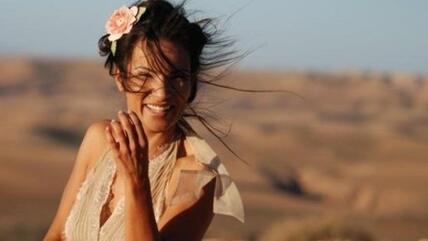 The Moroccan Fusion Singer Oum
''I Am a Muslim, But I Make Decisions about My Life''
The Moroccan fusion singer Oum El Ghaith Benessahraoui, aka Oum, makes intentional references to her African identity in her songs. Morocco, she says, is the gateway between Africa and Europe. Martina Sabra met Oum in Casablanca
-
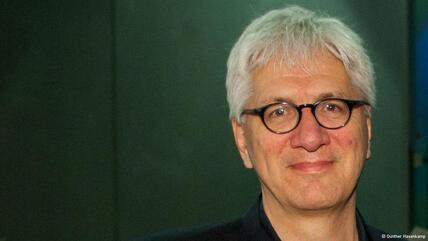 The Cultural Scene in Egypt
Creative Artists Are the Motor for Change
Creative artists in Arab countries are playing a key role in the revolutionary process. But their efforts are being hampered by poor infrastructure. This is where international cultural work can help, says Günther Hasenkamp, Programme Director at the Goethe Institute in Cairo
-
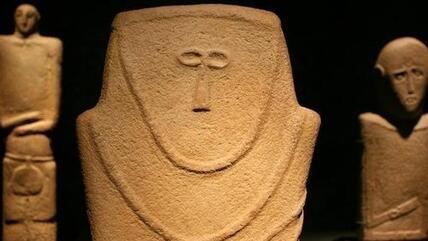 The ''Roads of Arabia'' Exhibition at the Museum of Islamic Art
Saudi Arabia's Surprising Treasures
The exhibition ‘Roads of Arabia’, at the Museum of Islamic Art in Berlin, showcases Saudi Arabia's archaeological heritage. The collection contains surprising treasures and shows a desert kingdom in transition. By Marian Brehmer
-
 The Iranian Graphic Novel "Zahra's Paradise"
An Artistic Insight into a Sinister World
More than two years after the Green Movement's protests, a graphic novel has captured the political and social state of the Islamic Republic in graphic images. The book's anonymous authors, Amir and Khalil, portray Iran as a sinister country full of darkness and contradictions. Marian Brehmer read the book
750th anniversary of Rumi's death
750th anniversary of Rumi's death - Qantara.de
Most read articles
-
Der Niedergang des Hocharabischen
Sprachlose Araber
-
Mystiker und Dichter Rumi
Botschaft der Liebe: Qantara-Reihe zu Rumis 750. Todestag
-
Äthiopien, Ägypten und Sudan streiten um Mega-Staudamm: Wem gehört das Nilwasser?
-
Teenager in Pakistan
Sexuelle Aufklärung ist nötig
-
Neue Bücher zum Gazakrieg
Wendepunkt, Versagen, moralische Abdankung
-
Essay von Amel Grami
Tunesiens neue Herrscher von Gottes Gnaden