"ربما نسافر يومًا ما من دمشق إلى القدس"
المناقشات
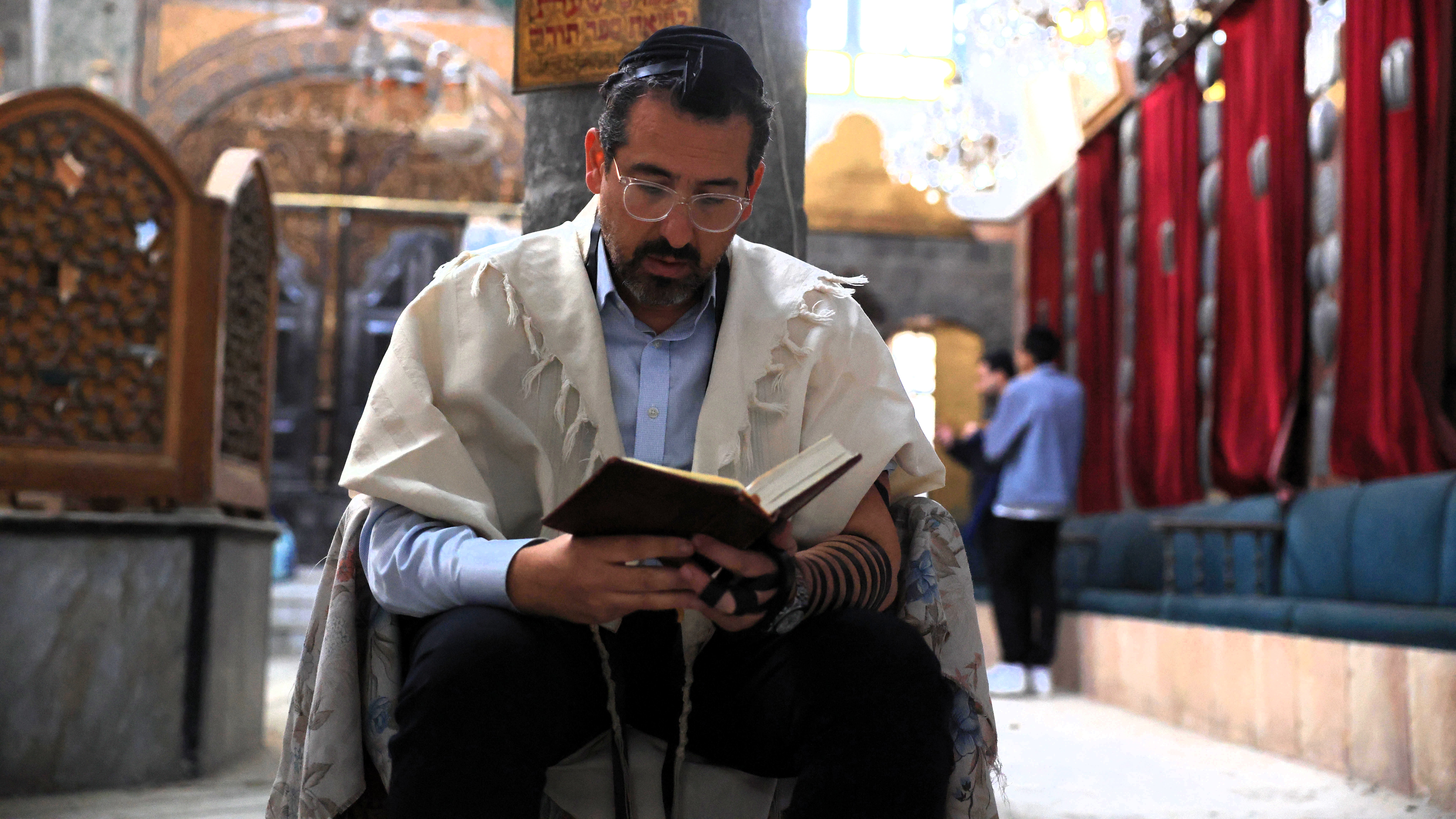
يقول هنري حمرة بلكنة مدينة بروكلين الأمريكية، دون أثر لأول خمسة عشر عامًا من حياته، التي قضاها في وطنه سوريا: "أنا بخير، الحمد لله. الحمد لله على كل شيء".
لا يزال هنري يتذكر يوم أن غادرت عائلته سوريا قبل أربعة وثلاثين عامًا، حين كان والده، الحاخام يوسف حمرة، يقف في المطبخ ممسكًا بكوب من الماء، ويقول له: "لا أدري متى سنشرب هذا الماء مرة أخرى".
كان قرار الرحيل صعبًا، لم تتوقف والدته عن البكاء، فالمنزل يحمل ذكريات كثيرة. لقد جددوه في العام السابق لمغادرتهم، ووُلد جميع أبنائها فيه، ومع ذلك، يتذكر هنري: "لم يكن لنا مستقبل" في ذلك المكان حينها.
مكثت عائلة حمرة هناك لفترة أطول من معظم العائلات اليهودية الأخرى، وقد بلغ عدد أفراد الجالية حوالي 50 ألف نسمة في أوج ازدهارها، بينما تشير بعض التقديرات إلى أن العدد وصل إلى 60 ألفًا. بيد أن هجرة اليهود السوريين بدأت في القرن التاسع عشر مع بدء انهيار الإمبراطورية العثمانية أمام قوى الاستعمار الأوروبية المتنامية.
في ظلّ الإمبراطوريات الإسلامية، كان يُعترف باليهود والأقليات الدينية الأخرى عادةً كأهل ذمة، أي رعايا غير مسلمين، مُنحوا الحماية وتمتعوا بقدر من الاستقلال الديني والقانوني، رغم أنهم واجهوا بعض القيود القانونية والاجتماعية.
غير أنه مع ازدياد نفوذ الطوائف المسيحية وسط تنامي النفوذ الأوروبي، تفاقمت المخاوف من تحول موازين القوى لتتحول إلى عنف طائفي، وبات اليهود ضحايا بشكل متزايد، ما سارع من وتيرة هجرتهم.
الجالية اليهودية في سوريا بالكاد انقرضت
يقول هنري "لم تكن معاناتي كمعاناة والدي"، مشيرًا إلى أبيه الحاخام يوسف حمرة، المولود عام 1948، عام إعلان قيام دولة إسرائيل. ورغم أن العنف الطائفي الذي استهدف اليهود كان قد بدأ بالفعل، إلا أن موجات الهجرة الجماعية بدأت بعد خطة الأمم المتحدة لتقسيم فلسطين عام 1947، تلك التي كرست نية إقامة دولة يهودية في فلسطين التي كانت تحت الانتداب البريطاني.
أسفرت أعمال الشغب التي استهدفت المجتمع اليهودي السوري عن مقتل 75 شخصًا وإصابة المئات وتدمير أجزاء من الحي اليهودي التاريخي في دمشق، وبحلول نهاية عام 1948، لم يتبق سوى 5 آلاف يهودي سوري.
أصبحت الحياة بالنسبة لليهود المتبقين في سوريا أكثر صعوبة؛ فقد سُنّت قوانين تحظر الهجرة وبيع الممتلكات وحرية التنقل والعمل في القطاع الحكومي أو المصرفي، ومع أن بعض هذه القيود خُففت بمرور الوقت، إلا أن شكوك الحكومة جعلت الجالية اليهودية تحت مراقبة مستمرة من قِبل الشرطة السرية.
إرث الأسد الباقي
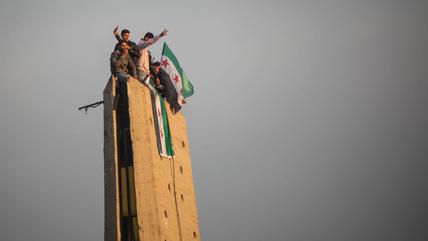
لطالما استخدم نظام الأسد حماية الأقليات ذريعةً لتأليب الطوائف السورية المختلفة على بعضها البعض، فيما لا تزال الجراح العميقة التي خلّفها تتجلى في صورها العنيفة إلى اليوم، من مجازر الساحل إلى السويداء.
بالعودة إلى الماضي، لا يتذكر هنري اضطهاد اليهود فحسب، بل يتذكر أيضًا شعورًا بالتعايش. يقول: "كنا نعيش جميعًا معًا، كُنت صديقًا للجميع، حتى الفلسطينيين"، كثيرون لم يكونوا على دراية بمعنى أن تكون يهوديًا.
كانت مسؤولية والده كحاخام وقائد للجالية المتضائلة هي التي أقنعت العائلة بالبقاء، رغم تزايد الضغوط حينها. ثم، في أوائل التسعينيات، خلال فترة وجيزة من تخفيف قوانين الهجرة في ظل نظام الأسد، غادرت الموجة الأخيرة من اليهود، مما جعل الجالية شبه منقرضة، ولم يتبق سوى 250 شخصًا، معظمهم من كبار السن بحلول عام 1998.
"هدفنا بناء أسس للعودة"
عندما أطاح هجوم مفاجئ بحكومة الأسد قبل عام، انتهز هنري، بدعوة من السلطات الجديدة، الفرصة للعودة من نيويورك إلى سوريا، وزار منزله القديم ليجده أطلالًا.
قال حمرة الابن الذي بدأ في ترميم المنزل، "كان من الصعب رؤيته ... أريده أن يعود كما كان"، لا يشير فقط إلى المنزل، بل إلى إمكانية عيش حياة يهودية في سوريا.
بعد فشله في نيل مقعد بالبرلمان في أول انتخابات جرت في ظل الحكومة الجديدة العام الماضي، أسس هنري أول منظمة غير حكومية يهودية في البلاد، تحمل اسم "مؤسسة التراث اليهودي في سوريا"، وتضم قائمة بـ 16 كنيسًا يهوديًا موزعة في أنحاء البلاد، وجميعها بحاجة إلى ترميم، ويقول: "هدفنا بناء أسس للعودة".
على عكس أوروبا، لم يعش اليهود في ظلّ الحكم العثماني في أحياء معزولة - غيتو-، بل كانوا يتمتعون بالاستقلالية في تنظيم تعليم وإدارة شؤونهم الدينية، وتركزت متطلبات الحياة اليهودية، كنصاب الصلاة، والاغتسال، والطعام الحلال، والمدارس الدينية، والمقابر، في المراكز الحضرية مثل حلب ودمشق.
استحوذ كنيس جوبر، الذي يعرف أيضًا باسم كنيس إلياهو هانبي، ويقع على مشارف دمشق، على اهتمام هنري بشكل خاص من بين المعالم الأخرى. يُعتقد أنه من أقدم الكنس في العالم، ما يشهد على الوجود اليهودي العريق في بلاد الشام؛ فاليهود بدأوا في الاستقرار في سوريا بعد أن دمر الرومان الهيكل الثاني في القدس.
ووفقًا لنقش كان معلقًا في الكنيس، فقد أسسه النبي إليشع نفسه، إلا أنه لم يتبق منه اليوم سوى كومة أنقاض، ومثل العديد من الأحياء في ضواحي دمشق، دُمر الكنيس جرّاء القتال خلال الحرب الأهلية التي دمرت البلاد.
منذ سقوط الأسد، زار هنري سوريا أربع مرات، وفي كل مرة، كان الوفد يتوسع ليشمل المزيد من أفراد الشتات اليهودي السوري. يرغب العديد من الأمريكيين السوريين في العودة إلى سوريا حتى ولو لمجرد الزيارة، فمعظمهم لم يزر سوريا قط، ومع ذلك يعتبرون أنفسهم سوريين. إنهم يتوقون لرؤية المكان الذي عاش فيه أجدادهم وآباؤهم، حيث كانوا يرتادون الكنيس والمدرسة، ويأمل هنري أن يختار بعضهم في نهاية المطاف الاستقرار في البلاد.
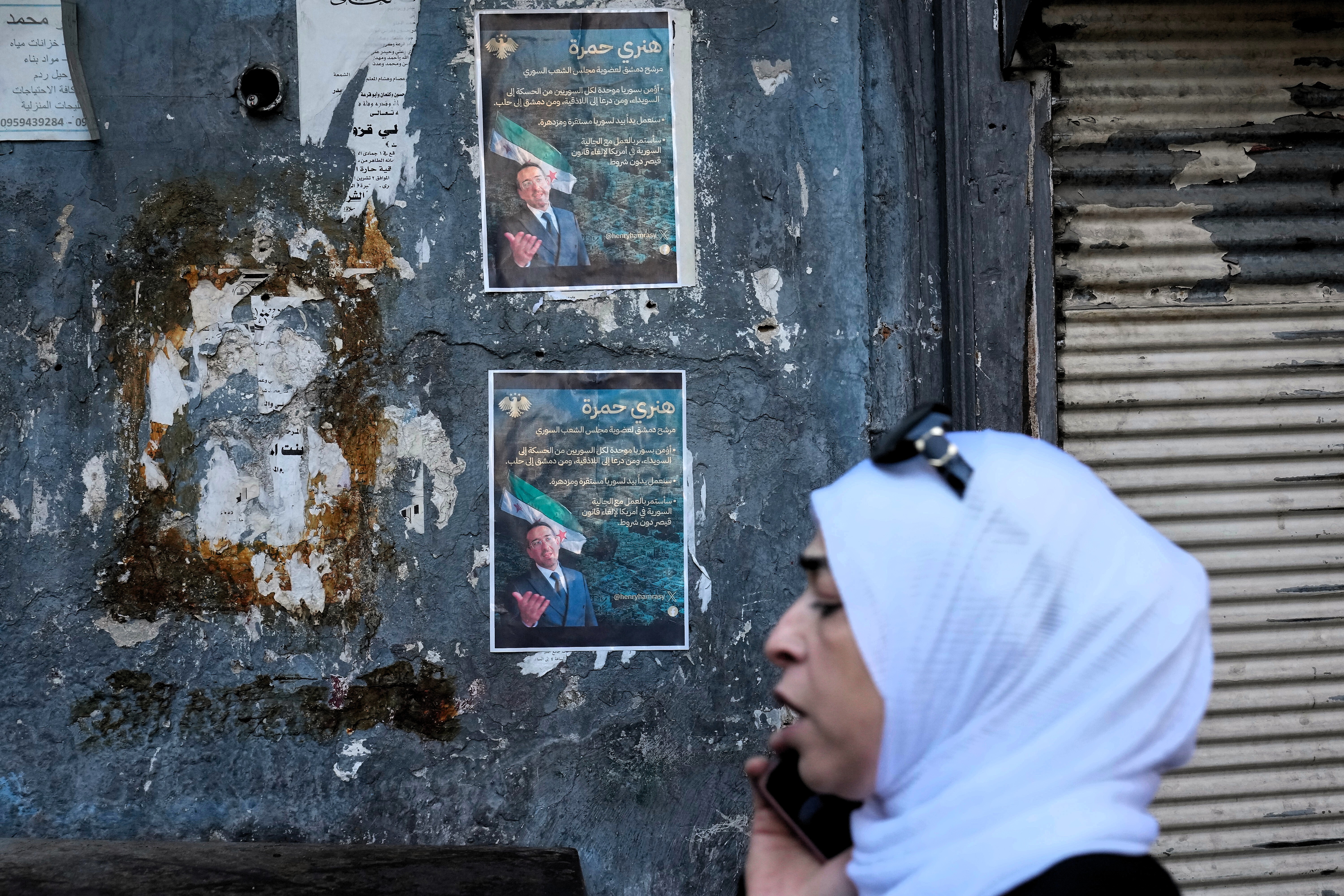
عندما ترشح هنري للبرلمان في سبتمبر/ أيلول من العام الماضي، كان أول مرشح يهودي يفعل ذلك منذ أربعينيات القرن الماضي، وقد خاض حملته الانتخابية على أساس "بناء مستقبل مشترك مع إخواننا السوريين، مستقبل تتعايش فيه- المعابد والمساجد والكنائس جنبًا إلى جنب في سلام".
تلقى هنري دعوة للترشح من مسؤولين حكوميين، ورغم أنه لم يفز بمقعد، إلا أنه لا يزال يأمل في أن يعينه الرئيس المؤقت أحمد الشرع مباشرة ضمن ثلث مقاعد البرلمان الجديد يختارهم الشرع بنفسه، وهو قرار واجه انتقادات باعتباره محاولة لترسيخ سلطة الشرع.
تحالف غير متوقع بين جهادي سابق ويهودي سوري
رفعت دول غربية، كالولايات المتحدة والمملكة المتحدة، هيئة تحرير الشام من قوائمها الإرهابية في عام 2025، قبل أن ترفع لاحقًا العقوبات عن زعيمها أحمد الشرع. ومنذ ذلك الحين، أثبت نهج الشرع العملي، الذي يهدف إلى إنهاء العقوبات وتشجيع الاستثمار الأجنبي، فعاليته في تطبيع العلاقات مع الغرب.
يرى هنري أن هذا التحالف غير المتوقع بين جهادي سابق وزعيم للجالية اليهودية السورية ينبع من هدف مشترك لإعادة بناء سوريا، ويقول: "سوريا بلد عظيم، وأريد أن أساهم في رد الجميل". ويضيف أن الشتات السوري، إلى جانب كونه فرصة للتعددية الدينية، يضم "الكثيرين ممن يرغبون في ممارسة الأعمال التجارية في سوريا".
ورغم آماله في المستقبل، لا تزال المخاطر قائمة؛ فقد أعادت التقارير عن العنف ضد الأقليات في منطقة الساحل والسويداء إحياء المخاوف من التشرذم العرقي والديني. تصاعد الدعم الإسرائيلي للطائفة الدرزية مع قصف دمشق في يوليو/ تموز الماضي، وهي الحملة الثانية من نوعها منذ سقوط الأسد، كما وسّعت إسرائيل احتلالها لجنوب سوريا، ولم تُسفر المفاوضات لإنهاء الاحتلال عن أي نتائج حتى الآن.
ومع ذلك، لا يزال هنري متفائلًا: "الحل الوحيد هو السلام، فالجميع سئم الحرب. الجميع يريد أن يكون أبناؤهم على مائدة واحدة". ويرى أن سوريا لا ينبغي أن تركز على دين واحد أو ثقافة واحدة، بل عليها أن تعمل من أجل مصلحة البلاد العليا، إذ يقول "من يدري، ربما في يوم من الأيام سنستقل سيارة ونسافر من دمشق إلى القدس. لا أعتقد أن هذا بعيد المنال".
ترجمه من الإنجليزية: سارة عرفة
قنطرة ©