Qantara Startseite Englisch
-
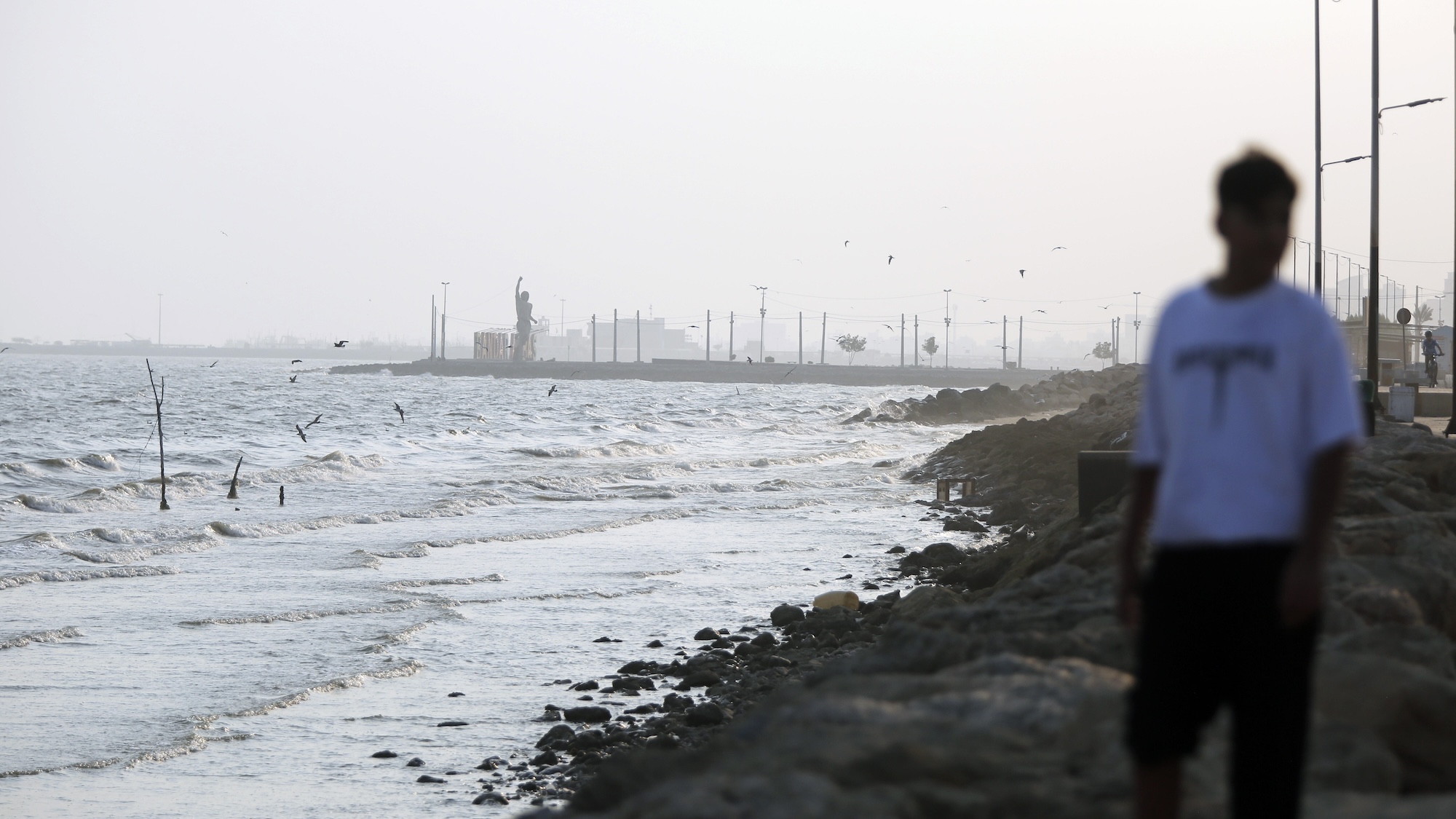 Hormuz and Bab el‑Mandeb
Centuries of struggle for the Straits
Three colonial powers—the Portuguese, the Dutch and the British—gained, and then lost, control over the straits of Hormuz and Bab el-Mandeb. Today, as the US and Iran struggle over these vital chokepoints, history offers a warning.
-
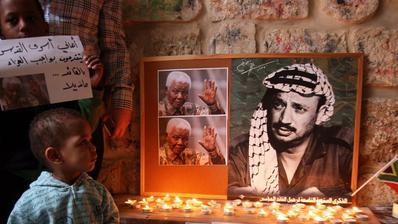 Anti-colonialism
"Palestine reveals the limits of international solidarity"
Why do African publics stand so firmly with Palestine while many of their governments court Israel? Algerian researcher Raouf Farrah traces the answer to the continent's anti-colonial past, and to the gap between popular solidarity and state diplomacy.
-
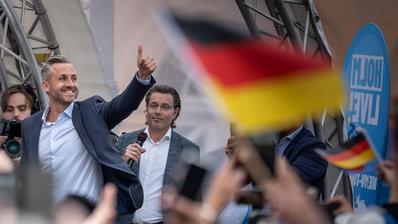 German state elections
Migrants face a shifting political reality
The far-right AfD made historic gains in September's state elections, while the Left Party came out on top in Berlin for the first time. Migrants across the country are now considering what the results could mean for their everyday lives and futures.
-
 "Postmuslim" by Youssef Rakha
One author, multiple selves
"Postmuslim" is an intimate new collection of essays in English by Youssef Rakha. The Egyptian author explores his complex relationship with the West while tracing his intellectual evolution over several decades.
Politics
More about Politics-
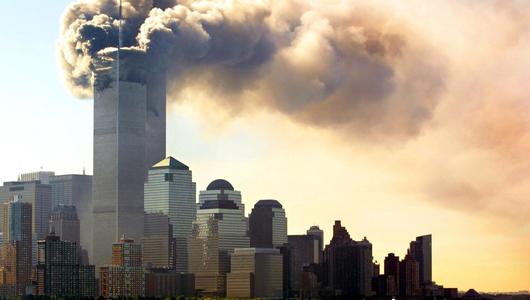 Gilbert Achcar on the impact of 9/11
"The Iraq War shattered the promise of a new world order"
The attacks of 11 September 2001 fundamentally altered US foreign policy and triggered a series of wars that have reshaped the Middle East. 25 years on, Gilbert Achcar reflects on the US response to 9/11 and its enduring impact on the region.
-
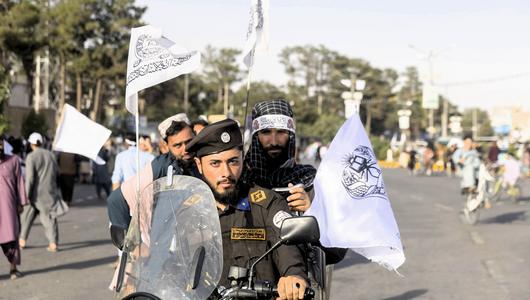 Taliban in Afghanistan
Power consolidated, society reshaped
In the five years since regaining power, the Taliban have cemented their rule in Afghanistan, bringing armed conflict in the country to a relative lull. Their ambitions go beyond maintaining control: they are seeking to transform the country from the bottom up.
-
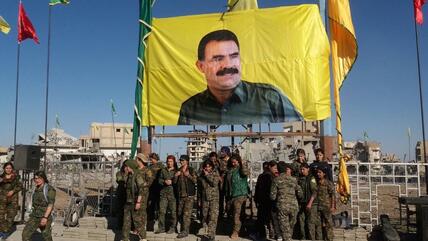 Syria and the war against IS
Strange bedfellows
Two groups from opposite ends of the political spectrum – U.S. Special Operations Command and the Syrian Democratic Forces (another name for Abdullah Ocalan′s PKK) – are making common cause in northern Syria. By Stefan Buchen and Karaman Yavuz
-
 Interview with identity politics expert Mujibur Rehman
"Muslims feel deeply unsafe in present-day India"
Known for his work on identity politics and political economy, Mujibur Rehman most recently published 'Communalism in postcolonial India′, which addresses the rise of religious fundamentalism in India. In Bonn to lecture on cow vigilantism, he spoke to Roma Rajpal Weiss about the situation of the sub-continent's Muslim minority
-
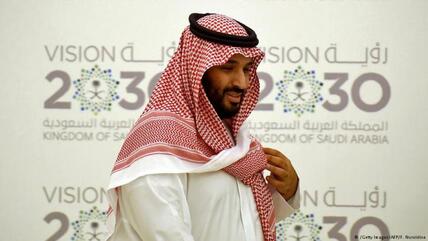 Reform in Saudi Arabia
Progress or megalomania?
The crown prince of Saudi Arabia says he wants to fundamentally change his country. But the inexperienced and impulsive young Mohammed bin Salman could quickly find himself in over his head, says Nader Alsarras
-
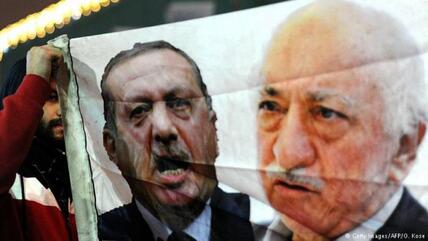 The restructuring of Turkey
Filling the gap left by Gulen
The crushing of the Islamic Gulen movement has left a gaping void in Turkey that other organisations are now rushing to fill, with people jostling for the tens of thousands of now-vacant jobs. Conservative foundations and religious orders stand to benefit most from the sell-off. By Ulrich von Schwerin
-
 Germany’s identity crisis
We are the people, too
Within two years, the rise of the AfD has caused a backlash in German discourse that Angela Merkel, fearing the loss of conservative voters to the right, has proved incapable of quelling. As the new German parliament reconvenes, it remains to be seen whose votes are worth more, writes Jagoda Marinic
-
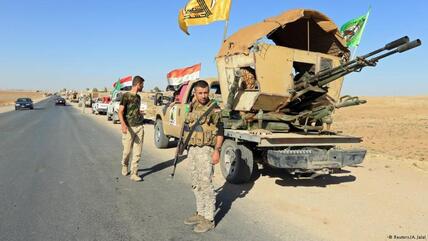 Fighting over Kurdish independence
A political fiasco
By going ahead with the referendum on independence, Massoud Barzani has forfeited the support of his international allies, while bringing tensions with Iraqi central government to a dangerous head. If Barzani hoped the referendum would consolidate his own power base, he couldn′t have been more wrong. An analysis by Cigdem Akyol
Society
More about Society-
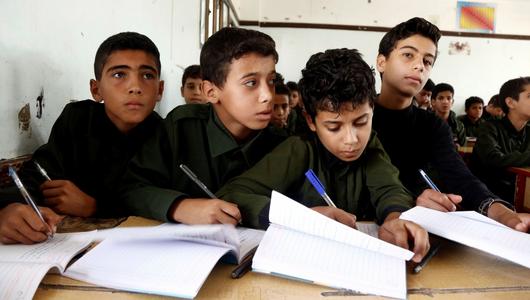 Education and climate in Yemen
Too hot for class
In Houthi-controlled Yemen, the decision to schedule the school year by the Hijri calendar has pushed classes earlier into the harshest heat of summer. For students this has compounded the impact of climate change, posing health risks and driving up dropout rates.
-
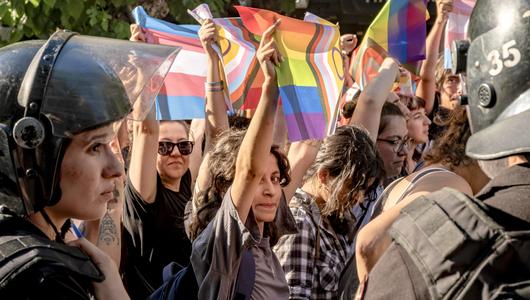 Turkish women's association Havle
"White secular women do not have a monopoly on feminism"
The Muslim queer-feminist group Havle uses religious arguments to challenge discrimination. Facing growing hostility and, most recently, arrests, two members speak about the struggle for LGBTQ rights in the country.
-
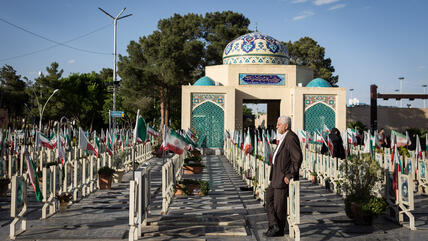 Iran′s ″Holy Defence″
Dulce et decorum est...
Iran has many museums dedicated to its rich history. Nevertheless, those places that focus on events during which Iranians and other prominent 'Defenders of Islam' lost their lives, enjoy special status. By Philipp Breu
-
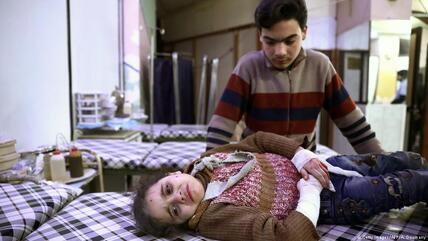 Syria′s traumatised children
The horror that never fades
Children in Syria are growing up as a traumatised generation. Many have never known life without war. Processing such experiences is extremely difficult, says psychologist Elise Bittenbinder in interview with Jeannette Cwienk
-
 Book review: Fethi Benslama's book on the radicalisation of young Muslims
Islamic civilisation and its discontents
In his new book, recently published in German as "Der Übermuslim" (The Super-Muslim), the French-Tunisian psychoanalyst Fethi Benslama explores what drives young people to become radicalised. He concludes that they seek meaning, stability, orientation and identity in radical Islamism. By Herbert Csef
-
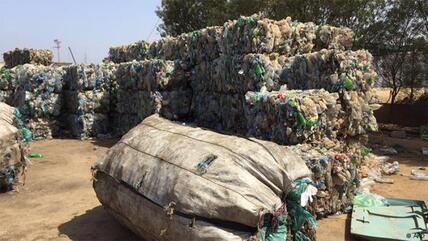 Waste separation and recycling in Morocco
Morocco's recycling pioneers
Morocco is exemplary in North Africa for its role in promoting the use of renewable energy such as wind and solar power. However, just like its neighbours, the country has a major problem with waste. A co-operative based just outside the capital has set out to change things. By Alexander Göbel in Rabat
-
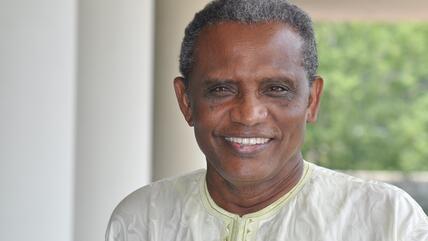 Interview with Abdullahi Ahmed An-Na'im
"We are in the middle of a transformative process"
Islamic scholar Abdullahi Ahmed An-Na'im of the Emory University School of Law in Atlanta, USA, has done extensive research into the ways in which Sharia can be reconciled with the modern secular state. Claudia Mende spoke to him about the different faces of the secular, the separation of state and religion in early Islamic history and why he feels Muslims are in the middle of a reformation process
-
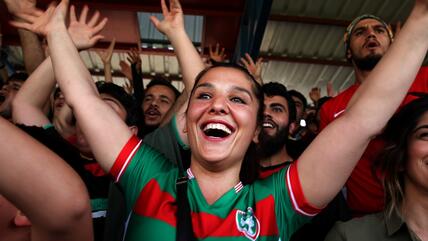 The Kurdish football club Amedspor
"Disciplinary measures are unfortunately part of our team identity"
Despite fielding a succession of repressive measures, the Third-League club Amedspor from Diyarbakir is clocking up the sporting victories. For Kurdish fans from Istanbul to Hakkari, the team represents a beacon of hope in difficult times. By Sonja Galler
Culture
More about Culture-
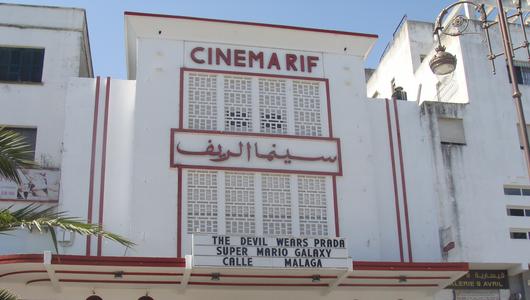 Arthouse film in Morocco
Keeping Tangier's cinematic history alive
20 years ago, the historic Cinema Rif in Tangier was renovated and reopened as the Cinémathèque de Tanger, one of the few arthouse cinemas in North Africa today. Elisa Pierandrei traces its history and place in Morocco's vibrant film culture.
-
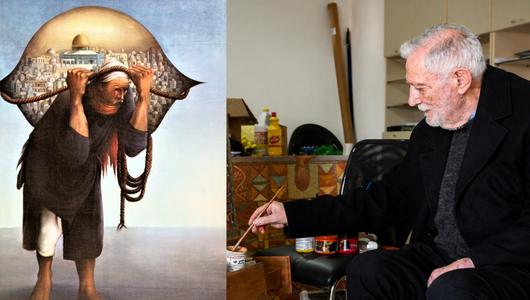 Remembering Sliman Mansour
The artist behind a Palestinian icon
"Camel of Hardship" by Sliman Mansour, who died on 24 August, is one of the most recognisable images in Palestinian art. Asmaa al-Ghoul tells how it came to appear on walls across the country and why it remains deeply embedded in collective memory.
-
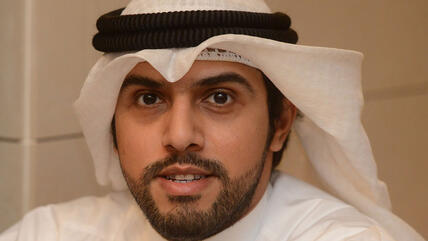 Book review: "The Bamboo Stalk" by Saud Alsanousi
A life uprooted and replanted
The world is familiar with reports about the exploitation of migrant labourers in the Gulf region. In 2013, Saud Alsanousi's book "The Bamboo Stalk", which focuses on the experiences of a young man in Kuwait who is half Kuwaiti, half Filipino, won the International Prize for Arabic Fiction. This novel shines a light on the discrimination and rejection experienced by so many migrants in this region. Nahrain Al-Mousawi read the book
-
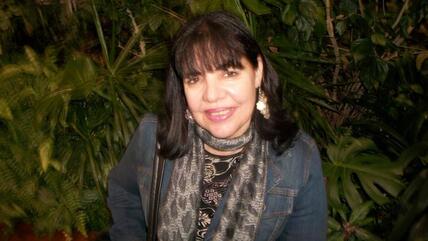 Interview with the Tunisian poet Najet Adouani
"Nothing can stop me from spreading my wings"
In Tunisia, the poet Najet Adouani is regarded as a courageous fighter for both the free word and women's rights. Born in the south of the country in 1956, her most powerful weapons are the beauty of language and the poetry of her images. However, when it became clear that she was a Salafist target, she had to leave Tunisia at short notice. Adouani is currently living in Berlin, where Claudia Kramatschek met her
-
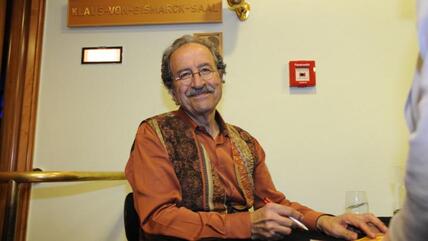 Profile: the Syrian–German author Rafik Schami
An exile in his homeland
Rafik Schami is one of the most important authors writing in the German language. Though he first came to Germany when he was 25 years old, his Syrian homeland is never far from his thoughts. It is also the setting for many of his stories. Markus Clauer introduces the best-selling author
-
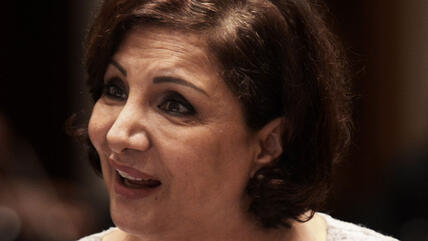 Najwa Barakat on Arabic literature
Combating the desertification of Arab culture
Lebanese writer Najwa Barakat has written six novels since 1986. Over the past ten years, her work has been garnering increased critical acclaim. However, instead of resting on her laurels and focusing solely on her own work, Barakat is reaching out to young writers across the region, acting as a guide and organising workshops for emerging writers. Marcia Lynx-Qualey spoke to her about her work
-
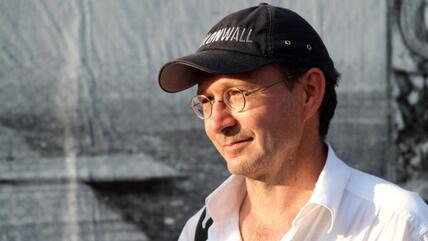 Kai Wiedenhofer's photo project "Forty out of one million"
Giving victims a face and a voice
Berlin photographer Kai Wiedenhofer is perhaps best known for the many years he has spent documenting the Israeli–Palestinian conflict. He has recently initiated a new photo project: "Forty out of one million" focuses on the fate of refugees who have fled the Syrian war. Felix Koltermann spoke to him about his work
-
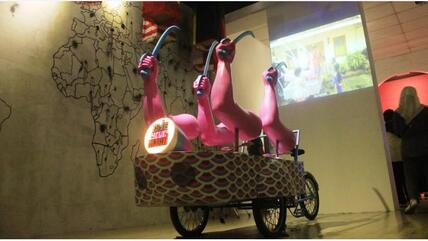 "Artjog" art exhibition in Indonesia
Putting art before cinema
This year's eighth "Artjog" art exhibition in the Indonesian city of Yogyakarta featured 103 works by 87 artists from 11 countries. Its theme, "Infinity in Flux", paid homage to the Fluxus movement of the 1960s, a movement dedicated to removing the boundaries between artistic disciplines, as well as those between works of art and their audiences. By Christina Schott
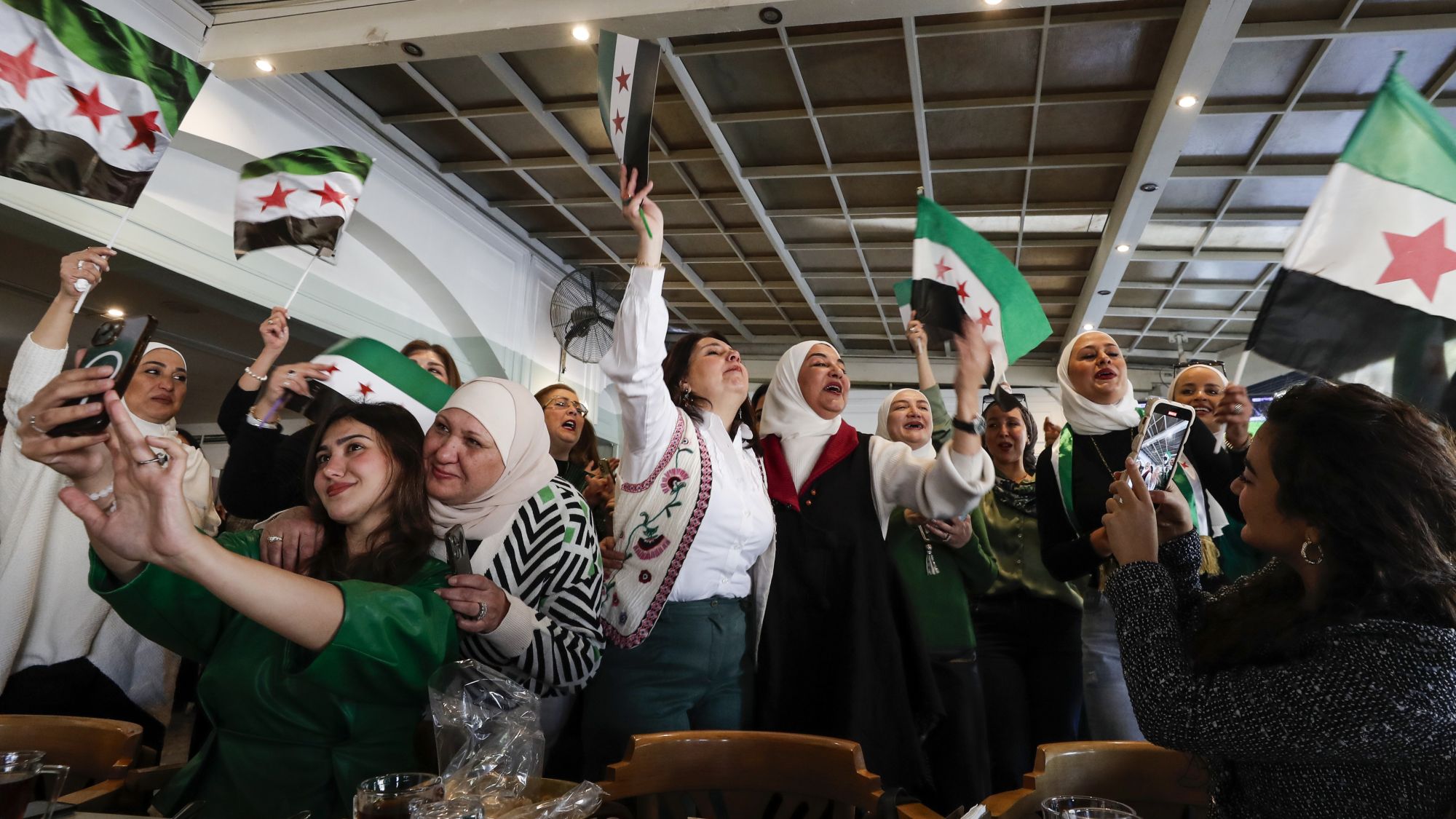
750th anniversary of Rumi's death
750th anniversary of Rumi's death - Qantara.de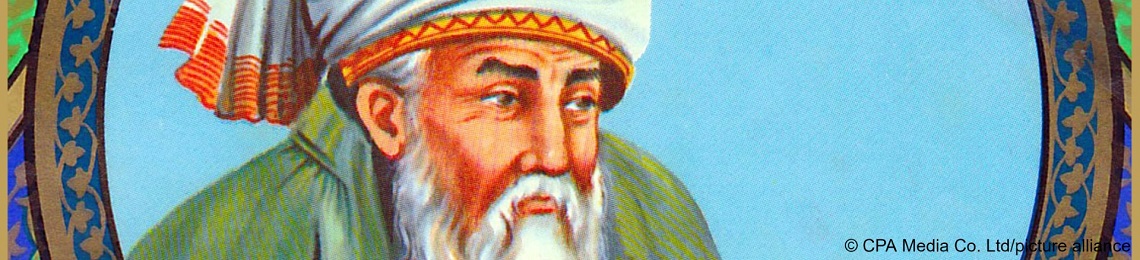
Most read articles
-
Deutsche Landtagswahlen
Politische Signale an migrantische Communities
-
„Postmuslim“ von Youssef Rakha
Ein Autor, mehrere Versionen
-
Gender-Roman „The Passerby“ aus Ägypten
Mann oder Frau, frei oder unfrei?
-
IS-Gefangenenlager in Syrien
Die Frauen und Kinder von al-Roj
-
Koran-Auslegung
Warum ich als Muslima kein Kopftuch trage
-
Shida Bazyars Roman „Die Lücken“
Aus einem deutschen Dorf