Qantara Startseite Englisch
-
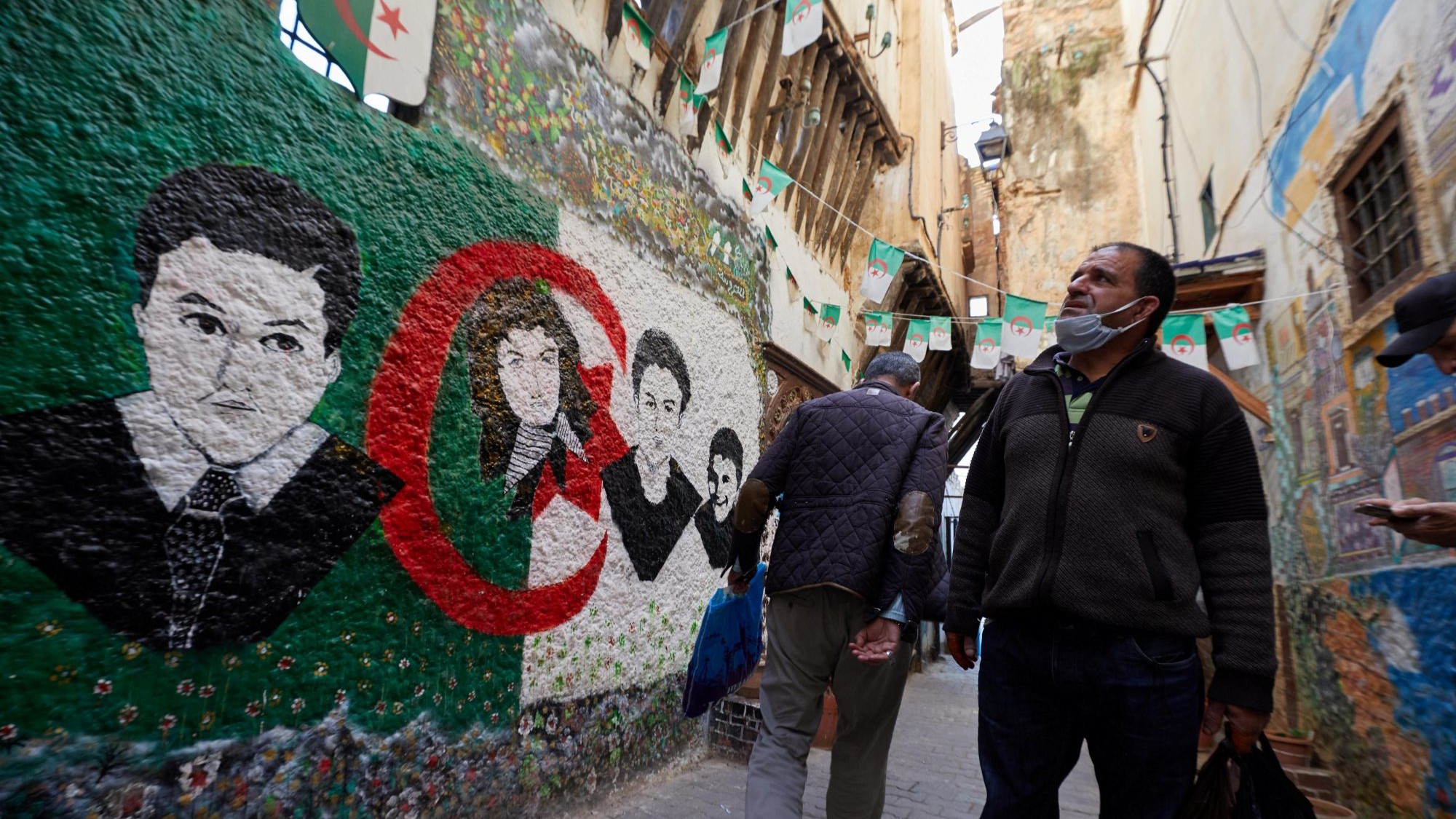 Algeria and France
"We must deepen our understanding of the colonial era"
History weighs heavily on Algerian-French relations. Historian Benjamin Stora discusses the obstacles and progress made towards a shared culture of remembrance, and the threat posed by the French far right as elections approach.
-
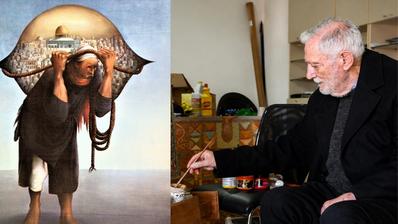 Remembering Sliman Mansour
The artist behind a Palestinian icon
"Camel of Hardship" by Sliman Mansour, who died on 24 August, is one of the most recognisable images in Palestinian art. Asmaa al-Ghoul tells how it came to appear on walls across the country and why it remains deeply embedded in collective memory.
-
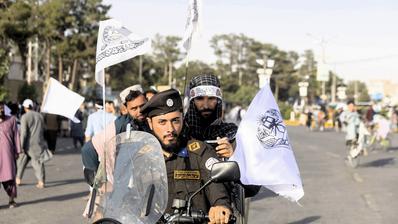 Taliban in Afghanistan
Power consolidated, society reshaped
In the five years since regaining power, the Taliban have cemented their rule in Afghanistan, bringing armed conflict in the country to a relative lull. Their ambitions go beyond maintaining control: they are seeking to transform the country from the bottom up.
-
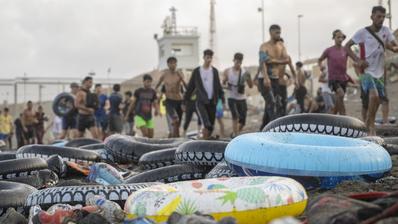 Inequality in Morocco
Ceuta was a referendum
Shortly before the general election, the mass crossing into Ceuta has shaken Morocco's image as a stable and thriving nation. The fact that so many people embarked on the journey reveals the depth of discontent in the country.
Politics
More about Politics-
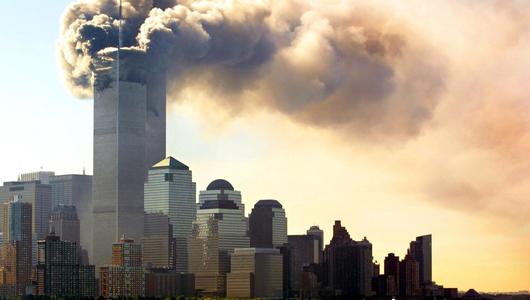 Gilbert Achcar on the impact of 9/11
"The Iraq War shattered the promise of a new world order"
The attacks of 11 September 2001 fundamentally altered US foreign policy and triggered a series of wars that have reshaped the Middle East. 25 years on, Gilbert Achcar reflects on the US response to 9/11 and its enduring impact on the region.
-
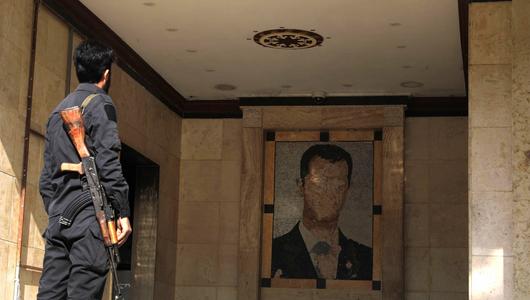 Death sentence for Bashar al-Assad
Justice cannot be rushed
The abrupt verdict against Bashar al-Assad is a missed opportunity for justice. A genuine trial could have documented the full extent of his crimes and given survivors a platform to tell their stories.
-
 Islamism in eastern Africa
Not immune to terror
Somalia, Kenya and their neighbouring countries are increasingly being haunted by extremist violence. This essay assesses why this region has become a hotbed of Islamism and why one-dimensional military interventions by external forces have not delivered the desired results. By Emmanuel Kisiangani
-
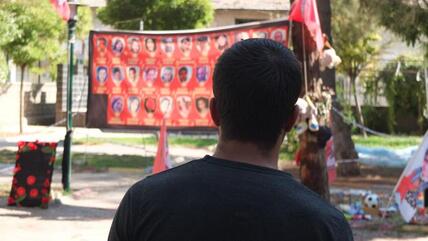 Interview with a survivor of the Suruc attack
"All we want is freedom"
The faces of the 31 members of the Federation of Socialist Youth Associations (SGDF) killed in the attack on 20 July still gaze down from banners strung around the courtyard of the Amara Culture Centre where the bomb was detonated. Inside, surrounded by broken windows, sits Adnan, a 25-year-old Kurd, who describes the IS terrorism that drove him out of Kobani, only to catch up with him across the border in Suruc. Fabian Kohler spoke to him about the attack
-
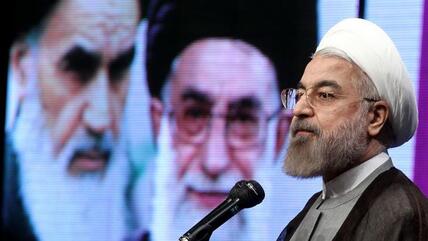 State and religion in Iran
"Shias tend to support the underdogs"
The Shia faith has always been a defining aspect of Iranian nationhood. In the twentieth century, the pro-Western regime of Shah Mohammad Reza Pahlavi silenced critics and was eventually toppled by a popular revolution with strong religious dimensions in 1979. Tehran's stance has since been basically anti-Western, but that may now be changing. Maysam Behravesh, a political analyst with Tehran Bureau, assessed the nature of the Shia regime in an interview with Hans Dembowski
-
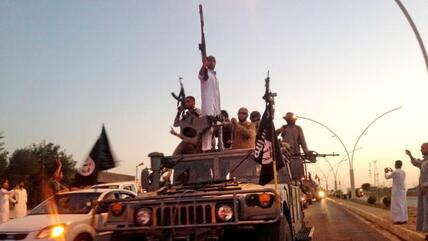 Interview with Wilfried Buchta on the rise of IS and the fall of Iraq
"Iraq is irreversibly split"
In his new book, "Terror vor Europas Toren" (Terror at the Gates of Europe), Wilfried Buchta analyses the reasons for the rise of the jihadist militia of the self-styled "Islamic State" and the disintegration of the Iraqi state. Ulrich von Schwerin spoke to Buchta, a scholar of Islam, who worked as a UN analyst in Baghdad for many years about the future of the nation
-
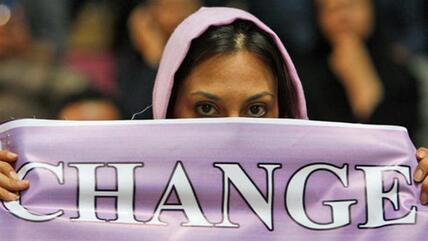 Social justice and political reforms in Iran
A ticking time bomb
While the nuclear agreement with Iran may have opened the gates for oil exports and the import of European goods, the door to greater human rights, a pluralistic political party system and social justice in Iran remains firmly closed. Nevertheless, these central demands, which are made by large swathes of Iranian society, could soon come to the fore again. An analysis by Faraj Sarkohi
-
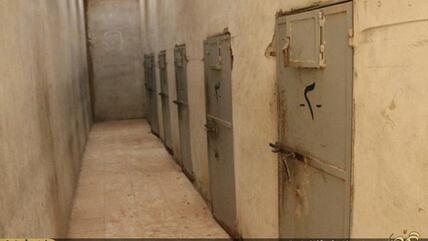 Interview with former Tadmur inmate Bara Sarraj
Surviving hell
The city of Palmyra has been under the control of the self-styled "Islamic State" since mid-May. But for many Syrians, the city was a gateway to hell long before the arrival of the jihadists: Palmyra was home to the infamous Tadmur prison, where the Ba'ath regime tortured tens of thousands of people. When IS seized the city, one of the first things it did was to blow up the hated jail. Bara Sarraj, who now lives in Chicago, was one of its inmates. He told Fabian Kohler about his years in prison
Society
More about Society-
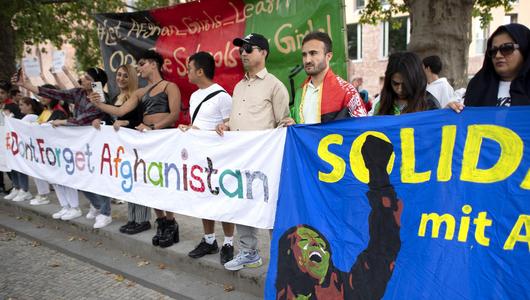 Afghans in Germany
"Most of us feel betrayed"
Five years on from the fall of Kabul, the German government is cooperating with the Taliban. Mitra Hashemi from the German-Afghan Friendship Society talks about the Afghan community in Germany, a lack of recognition and responsibility towards their relatives in Afghanistan.
-
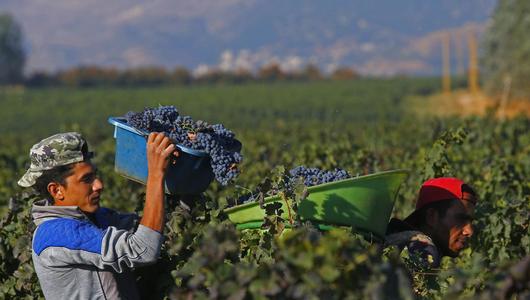 Christians in Lebanon
Fighting to preserve Lebanon's wine tradition
Economic crisis and war have made winemaking in Lebanon difficult, pushing producers to rely on exports. But with its deep ties to Lebanese Christian identity, many are determined to keep making wine at home.
-
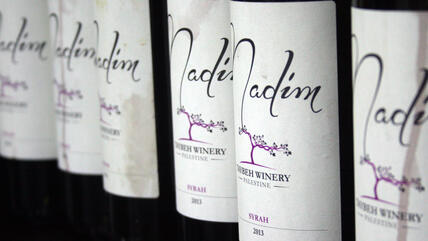 The Taybeh Vinfest, West Bank
Turning water into wine
Taybeh, the last Christian village in the West Bank, is well-known for its brewery and annual Oktoberfest. Late last year, the family that owns the brewery launched a winery. The first Taybeh wine festival (the Taybeh Vinfest) was held at the end of February. The Khoury family has always claimed that developing the local economy is their way of putting up peaceful resistance and encouraging Palestinians to stay in – or return to – their native home instead of going abroad in search of better opportunities. By Ylenia Gostoli
-
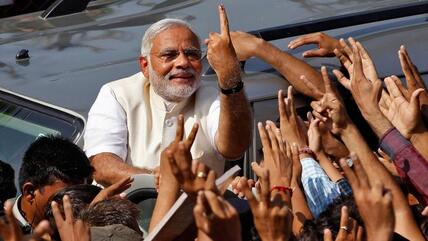 Conversion of Christians and Muslims in India
Homecoming or forced conversion?
A heated controversy has been triggered in India over a Hindu nationalist campaign to bring Christians and Muslims "back into the Hindu fold". While the Hindu nationalist Prime Minister Narendra Modi remains silent over the issue, organisations allied to his party continue to pursue the campaign. By Ulrich von Schwerin
-
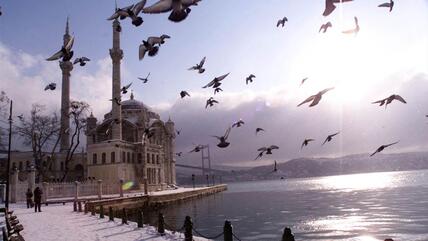 Turkey's mosque-building programme
Does Turkey aspire to the leadership of the Islamic world?
An ambitious international mosque-building programme is seen as the latest step in the Turkish president's ambitious bid to put Turkey at the centre of Muslim world. During his visit to Cuba in February, President Recep Tayyip Erdogan requested that his country be allowed to build a mosque in Havana. At present, 18 major mosques are being built by the Turkish state across the globe from Somalia to Kazakhstan. By Dorian Jones
-
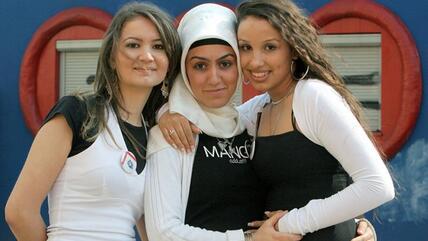 Raising awareness about Salafism in German schools
Symbolic acts alone are not enough
What is the appropriate way to inform young Muslims in schools about the dangers of Salafism? In co-operation with the Hamburg University of Applied Sciences, the association ufuq.de provides teaching materials on Islam, Islamophobia, Islamism and democracy. Gotz Nordbruch provides a personal account of preventive work in this field
-
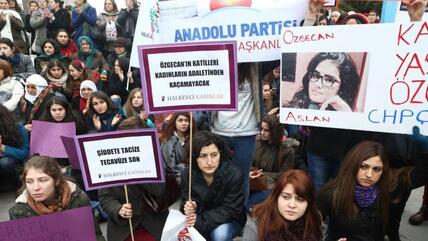 Interview with Turkish women's rights activist Selime Buyukgoze
A history of resistance
The attempted rape and subsequent murder of the student Ozgecan Aslan alerted the world to violence against women in Turkey. Ceyda Nurtsch spoke with Selime Buyukgoze from the women's rights organisation Mor Cati about women's struggle for self-determination
-
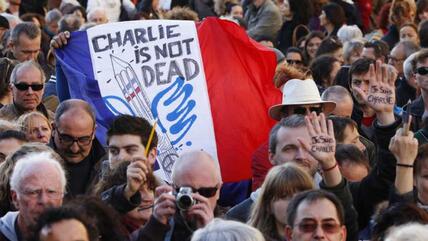 Book review: Victoria Schneider's "Are you Charlie?"
A deeply divided country
A very topical and important e-book entitled "Are you Charlie?" was published on 25 February. Its author, Victoria Schneider, offers her impressions of France after the "Charlie Hebdo" attack and paints a picture of a divided society. Claudia Kramatschek read the book
Culture
More about Culture-
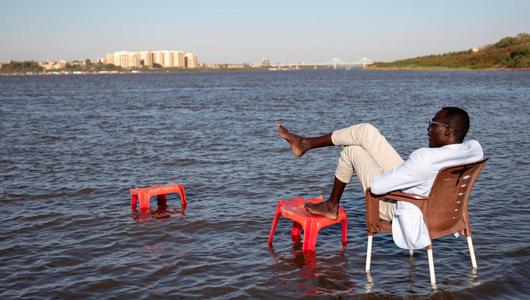 Egyptian photographer Roger Anis
"The Nile is part of our collective consciousness"
Egyptian photographer Roger Anis has spent nearly a decade documenting the world's longest river. In 2024, he revived an ancient Nile procession with local fishermen, turning their boats into a moving celebration of the river and its communities.
-
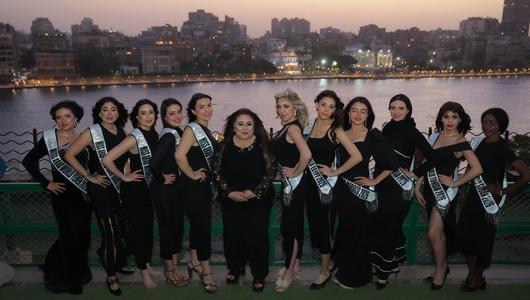 Miss Syria 2026
"For me, beauty is self-confidence and presence"
At this year’s Miss Arab World pageant, which took place in Cairo, Syria was represented by Muna Almohamad, who was born and raised in Germany. She wants to encourage women to be true to themselves and become more visible.
-
 Prison Sentence for Egyptian Actor Adel Imam
Curbing Cultural Expression
The sentencing of the famous Egyptian actor Adel Imam for allegedly offending Islam in one of his films spotlights the latest bout of power posturing by Muslim hardliners and the increasing threat to freedom of expression on the Nile. A report by Amira El Ahl in Cairo
-
 Interview with Mohammed Hanif
The Joys and Struggles of Everyday Life
Mohammed Hanif's first novel, A case of exploding mangoes, was a critically acclaimed success. Claudia Kramatschek met the author and spoke to him about Pakistan, minorities and his most recent novel, Our Lady of Alice Bhatti
-
 Supposed Fatwa against Iranian Rapper Shahin Najafi
''We Will Continue with Our Work''
Iran's grand ayatollah has issued what many have interpreted to be a fatwa against the rapper Shahin Najafi, who has lived in Germany for the past seven years. In this interview with Shahram Ahadi, Najafi gives his take on the situation
-
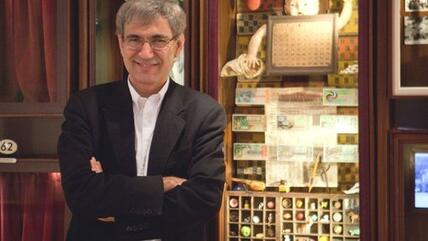 Interview with Orhan Pamuk
''The Museum of Innocence'' – A Declaration of Love to the City of Istanbul
Orhan Pamuk is Turkey's most famous writer. In 2006 he also became the first ever Turkish writer to be awarded the Nobel Prize. He recently presented a very special museum to his home city of Istanbul. An interview by Aygül Cizmecioglu
-
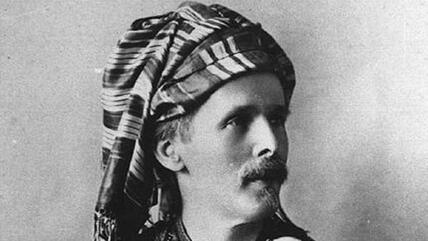 The 100th Anniversary of Karl May's Death
Literary Genius or Man of Legendary Hubris?
Karl May is the most widely read of all German writers. This year, which marks the 100th anniversary of his death, a number of new biographies seek to reconsider Karl May's place in German literary history. Andreas Pflitsch read two of them
-
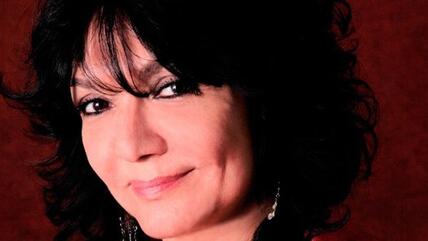 Sexuality in Contemporary Arab Women's Literature
Of Personal Experience and Artistic Freedom
When Arab women write about sexual encounters, are they recounting their own personal experiences or are their descriptions born of their literary fantasy? And whatever the answer is, should one measure literature using a moral yardstick or should criticism focus on the content of the work alone? Rim Najmi asked a number of female Arab writers to share their thoughts on this matter
750th anniversary of Rumi's death
750th anniversary of Rumi's death - Qantara.de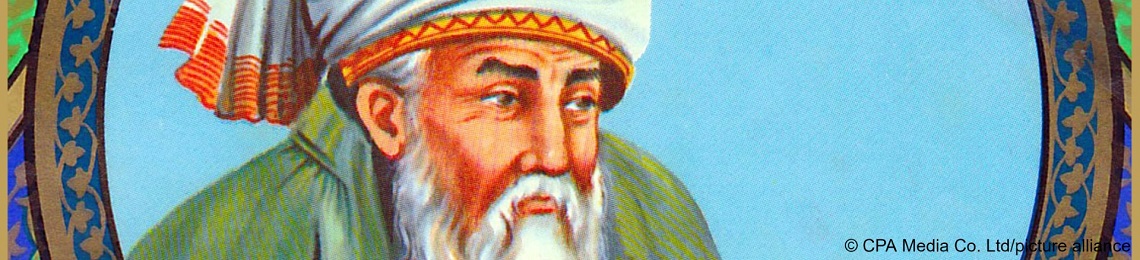
Most read articles
-
Gilbert Achcar über Folgen von 9/11
"Der Irakkrieg hat die Weltordnung zertrümmert"
-
Frauen in Saudi-Arabien
Gefangen in einem System der Gender-Apartheid
-
Shida Bazyars Roman „Die Lücken“
Aus einem deutschen Dorf
-
Sex-Tourismus in Ägypten
Braut für einen Sommer
-
Nachruf auf Sliman Mansour
Sein Bild hing überall in Palästina
-
Iranisches „Festival-Kino“
Maßgeschneidert für westliche Kritiker