The rediscovery of Alis al-Bustani
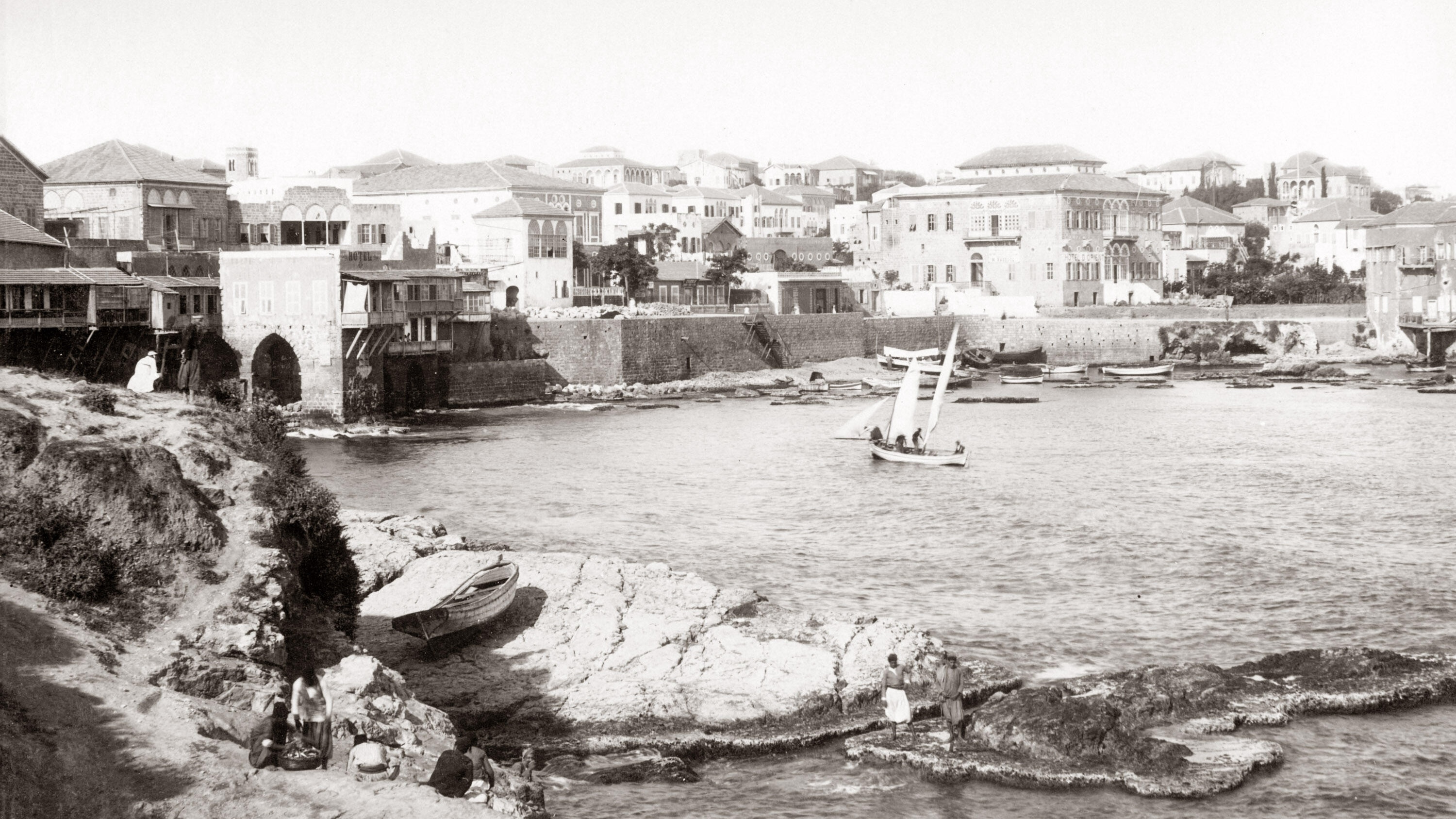
Near the end of "Sa'iba", Alis al-Bustani's novel, the eponymous heroine climbs onto the roof of her house and threatens to take her own life. Her cousin Farid, a dissipated and ill-tempered man, has spent much of the novel trying to ruin her reputation for refusing to marry him.
Now, with no way left to coerce her, he corners her. Sa'iba steps to the edge of the roof and declares that she would rather throw herself to her death than surrender her honour and integrity.
In a novel written in Ottoman-era Beirut by a 21-year-old woman, at a time when the Arabic novel itself was barely three decades old and the question of whether women should be writing novels at all remained very much under debate, this feels nothing short of astonishing.
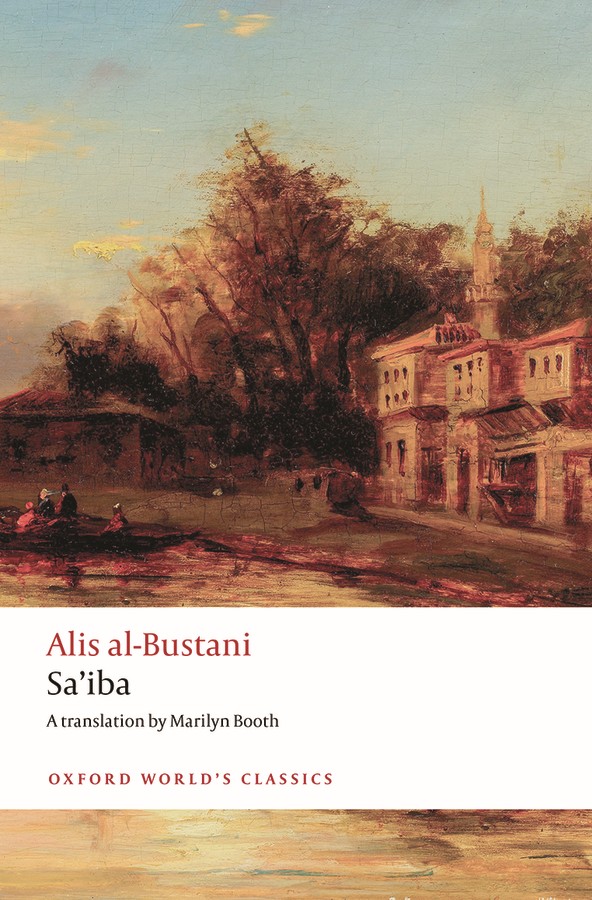
And now her unique voice, first published in 1891, is available to English readers via Marilyn Booth's translation for Oxford World's Classics.
Al-Bustani's heroine does not wait to be rescued. She acts, speaks up, and refuses. And for this, she ends up paying the ultimate price: Farid shoots her in the garden. She dies beneath the poplar tree that was threaded throughout the narrative like an omen. Her husband, Lutfi, a modern man who was supposed to represent everything the new Arab intelligentsia believed marriage could be, stands beside her and watches her die.
Beyond the Nahda's promises
To understand "Sa'iba", you need to place it in the broader context of the Nahda, the Arab cultural awakening that swept Greater Syria and Egypt in the latter half of the nineteenth century. It was an era of newspapers, debating societies, missionary schools, and furious arguments about the future of Arab society. The "woman question" (mas'alat al-nisa') was one of its central preoccupations.
Intellectuals largely agreed that women's education was essential to social progress, though their reasoning was instrumental rather than emancipatory: an educated woman would be a better mother, a more competent household manager, a finer companion for her husband. The "new woman" of the Nahda was to be modern and modest in equal measure, the hakimat al-bayt (ruler of the house).
Novelists, almost all of them men, wrote story after story in which a virtuous young woman defied the tradition of arranged marriage, chose a worthy partner on the basis of love and mutual respect, and arrived at a wedding the narrative treated as the final destination—as though, with that union, modernity had arrived, a new Arab family had been founded, and social progress secured.
Al-Bustani grew up amid this conversation. Her father, Butrus al-Bustani, was one of the leading intellectuals of the period, a man who had lectured publicly on women's education as early as 1849 and founded a national school that his wife, Rahil, helped run. Her brother Salim is often credited as the father of the modern Arabic novel. Her elder sister Idlid had published a short novella in 1870.
The plot of "Sa'iba" appears, at first glance, to follow the conventions of the era. A well-educated young Ottoman woman chooses as her husband the honourable military officer Lutfi over her cousin Farid. One might reasonably expect a tidy resolution: virtue rewarded, the right man chosen, the couple embarking on a harmonious life together.
But al-Bustani refuses this comfortable formula. Where her male contemporaries, including her own brother, tended to conclude their novels at the wedding, treating matrimony as the consummation of feminine ambition, al-Bustani begins her most searching examination precisely there. Most of "Sa'iba" depicts the aftermath of marriage, as Farid plots revenge, enlisting a duplicitous maid and a corrupt Greek associate to destroy Sa’iba's reputation and undermine Lutfi's trust.
The Nahda-era optimists took the view that a love-based marriage, freely chosen by an educated woman, would secure her dignity and safety. "Sa'iba" undermined this assumption. Even Lutfi, the ideal husband, finds himself unable, at a critical moment, to fully trust his wife's words amid the accumulated pressure of masculine suspicion.
As Bustani tells it, having a good education, good character and good intentions is not enough to save the main character from the violence of entitlement and the corrosive power of gossip. The novel's message is disturbing: the ideals of the Nahda, however admirable, failed to prevail over the brutality of the social structures they sought to reform.
Gothic registers in Ottoman dress
Booth's introduction highlights how "Sa'iba" draws on Victorian Gothic fiction. The jealous cousin who stalks the heroine, the schemes to incarcerate her, the threat of suicide as the only weapon available to a woman stripped of legal recourse—these are recognisable motifs from the Gothic tradition, transplanted into an Arab-Ottoman domestic setting.
Al-Bustani also drew on "Genoveva of Brabant", a German popular novel about a woman falsely accused of adultery who survives exile and persecution before her honour is restored. In "Sa'iba", the heroine reads "Genoveva" beneath the poplar tree and weeps, telling Lutfi that she fears a lie will one day separate them.
But while "Genoveva" ends in vindication and reunion, "Sa’iba" ends with a gunshot. In this way, al-Bustani insisted that the sentimental resolutions offered by European fiction were a fantasy when measured against the reality of women's lives.
The double voice
Scholars of "Sa'iba" have noted the "double-voiced" quality of its narrative, a text that operates simultaneously within and against the dominant literary discourse of its time. Al-Bustani writes within the framework her brother and his contemporaries established: the educated heroine, the ideal of a companionable marriage, a social sermon embedded in fiction. But she modifies each element until the familiar becomes unfamiliar.
A century of Arab feminism
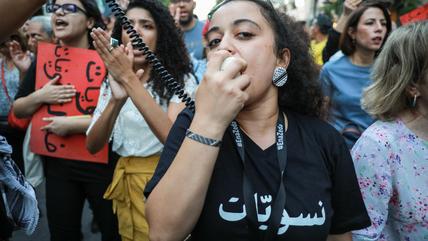
For over a century, Arab women from Tunisia to Saudi Arabia have fought for their rights, against violence, and for autonomy over their lives and bodies. In her new book, Claudia Mende amplifies their voices.
Her prose is livelier and more flexible than that of some of her female contemporaries, her characters rounder and more psychologically complex than those typically found in her brother's fiction. There are digressions and sermons that interrupt the narrative flow, but these interruptions are purposeful: they are the moments when al-Bustani steps forward as a woman addressing women, claiming a direct female perspective that the fiction of her male contemporaries rarely offered.
In one of the novel's most remarkable passages, she interrupts the story to compare marriage customs in East and West, observing that Eastern women enter marriage before their characters are fully formed, legally unprotected and socially conditioned toward obedience.
Regained in translation
Booth is one of the most accomplished translators of Arabic literature working in English, and has won multiple awards for her work. Her translation, together with an introduction that makes a strong case for reading the novel seriously, arrives as part of a broader scholarly effort to recover the contributions of Arab women writers of the Nahda, a generation whose work was written, published, and then largely forgotten.
Al-Bustani only had one novel published and then vanished from public view, as did so many women writers of her period. There are still many gaps in her biography, for example, where she studied, how her novel was received and why she stopped writing. She appears to have written nothing else, or at least nothing that survives, and died in Egypt in 1926. Booth is admirably honest in acknowledging these biographical gaps rather than papering over them with inference.
Past surveys of early Arabic fiction would occasionally note the existence of "Sa'iba", observing that it "lacks continuity and flow" or that it represented "a significant step towards more sophisticated Arabic fiction," and move on.
The inclusion of the novel in Oxford World's Classics restores Al-Bustani to the conversation she was always part of. She did not imitate the male writers of the Nahda, nor merely supplement their work, but instead proposed an alternative account of what Arabic fiction could do: unsettling readers with a clearer picture of the world as it actually existed rather than consoling them with visions of how they wished it might be.
Sa'iba
Alis al-Bustani (trans. Marily Booth)
Oxford World's Classics
March 2026
© Qantara.de